How Messages Travel and Change
Children explore how messages change as they are passed between people and through different forms of media.
Begin with a simple whisper game (telephone game).
Tell a short sentence to one child (for example: "The red cat is jumping on the table"). The child whispers it to the next child, and so on, until the last child says the sentence out loud.
Compare the first and the final version of the message.
Explain that messages often change when they are passed from one person to another. This can also happen when messages travel through different media.
Talk with the children about how messages can travel:
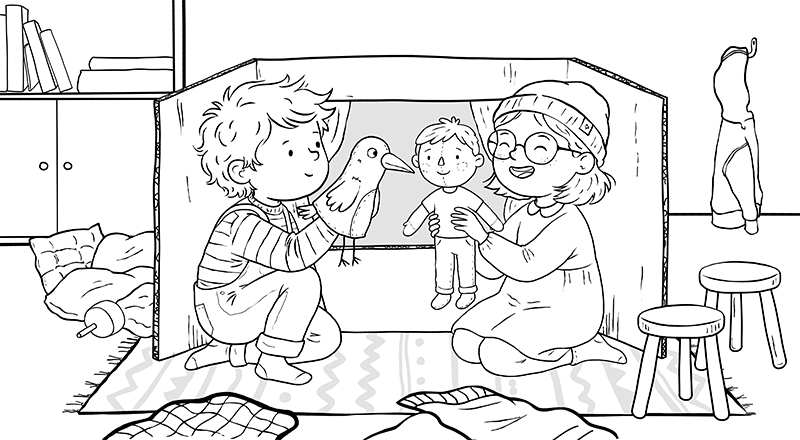
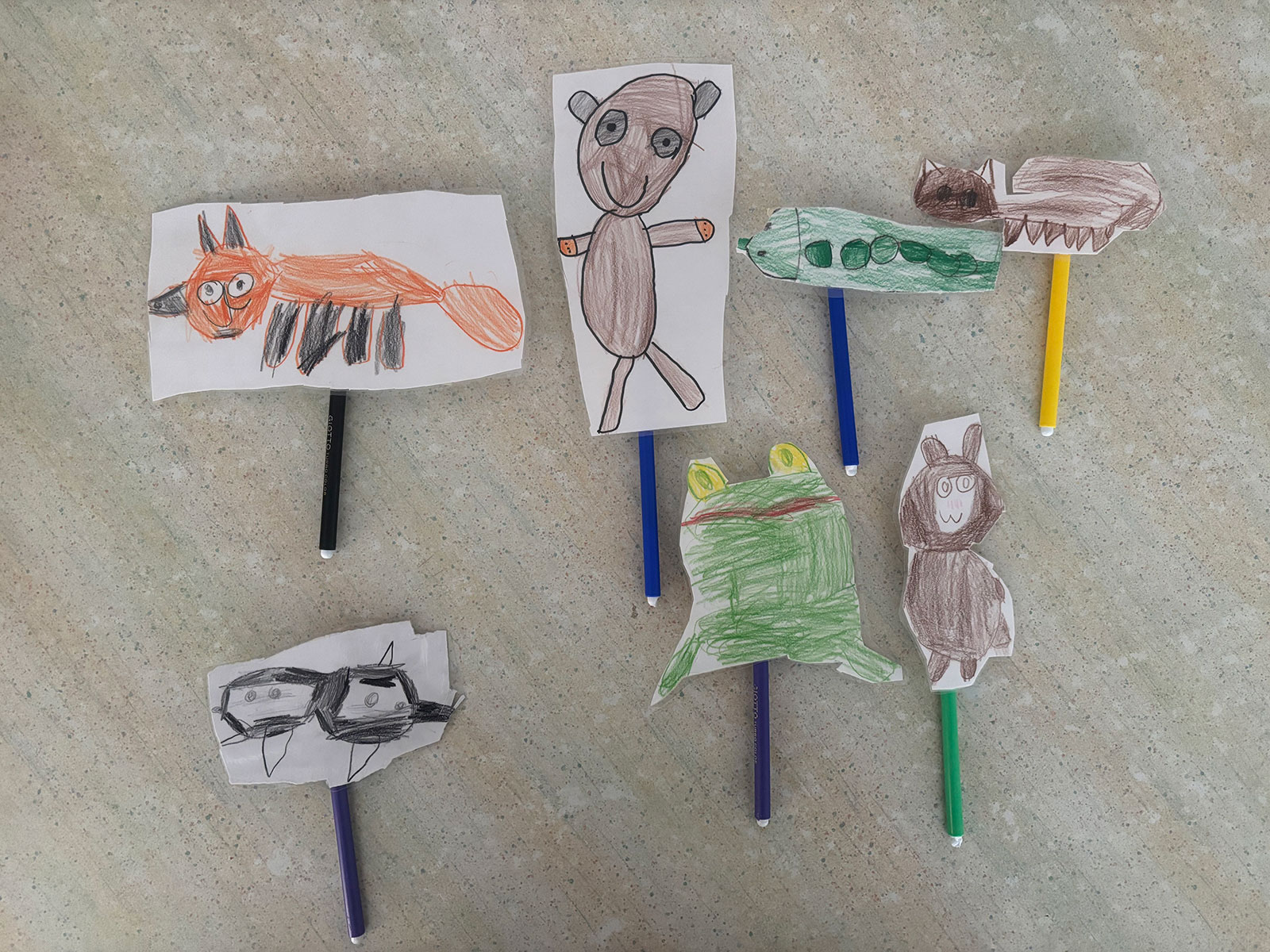
Invite the children to create simple puppets representing different characters.
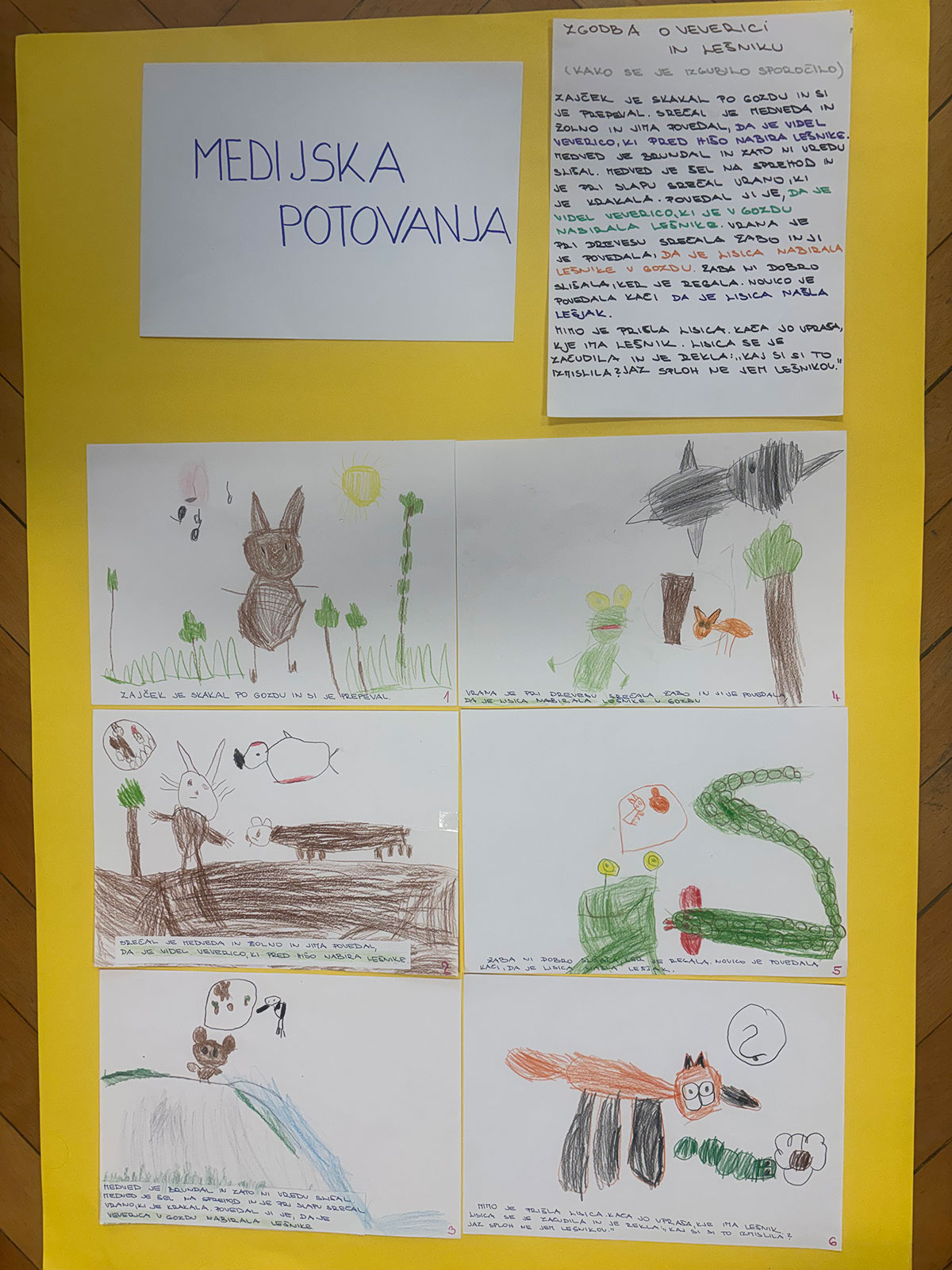
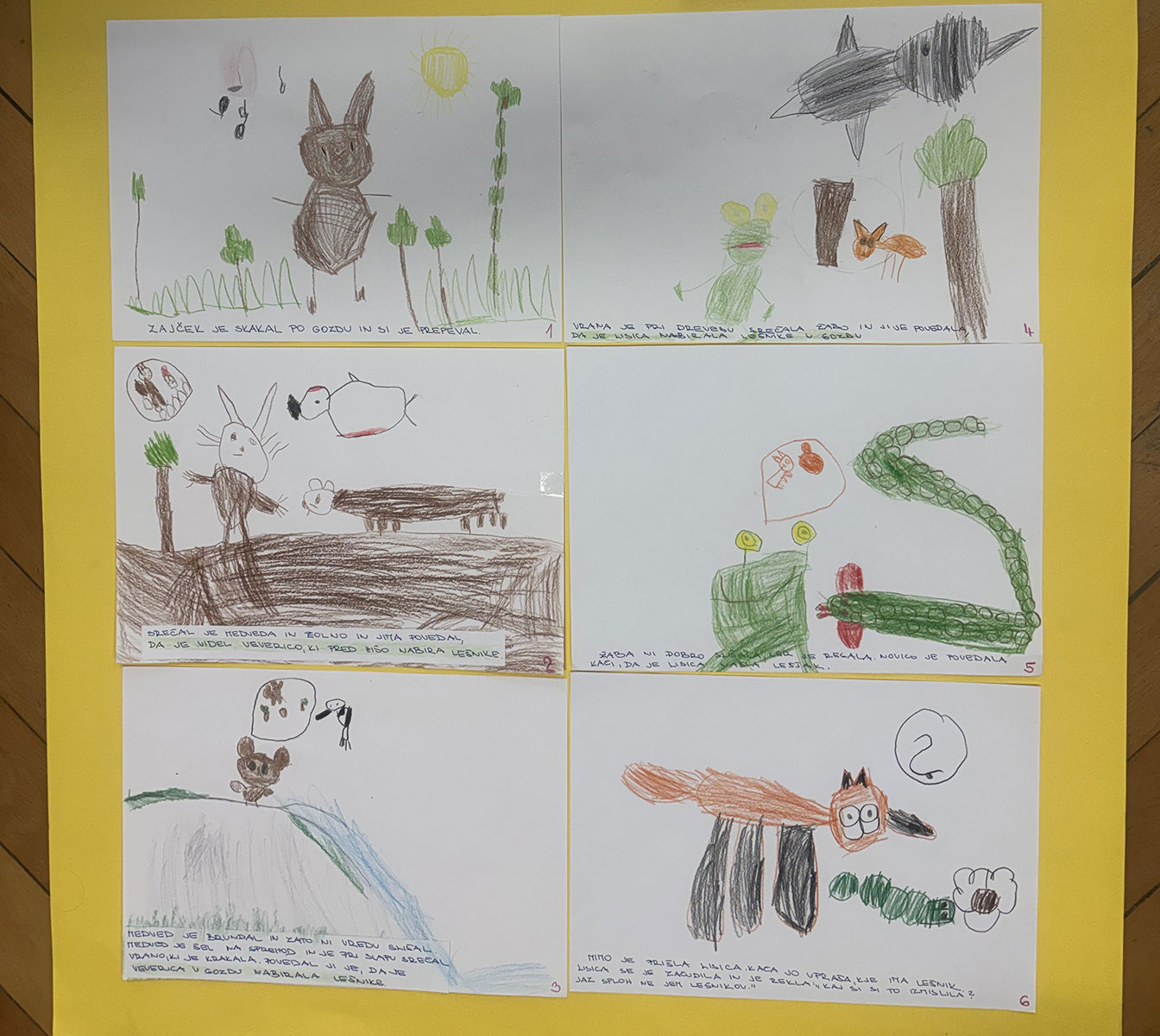
In small groups, children invent their own short "message journey". For example:
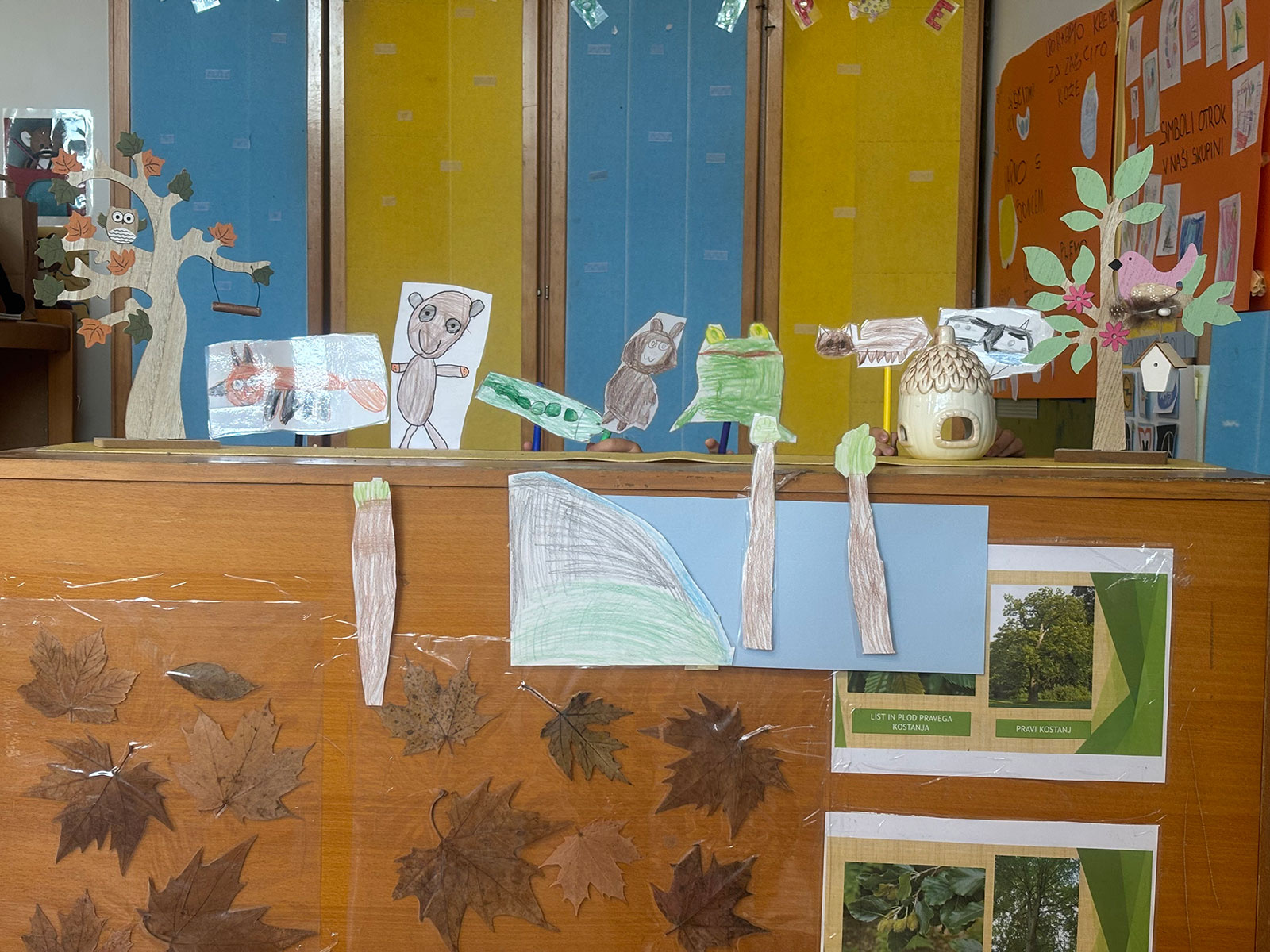
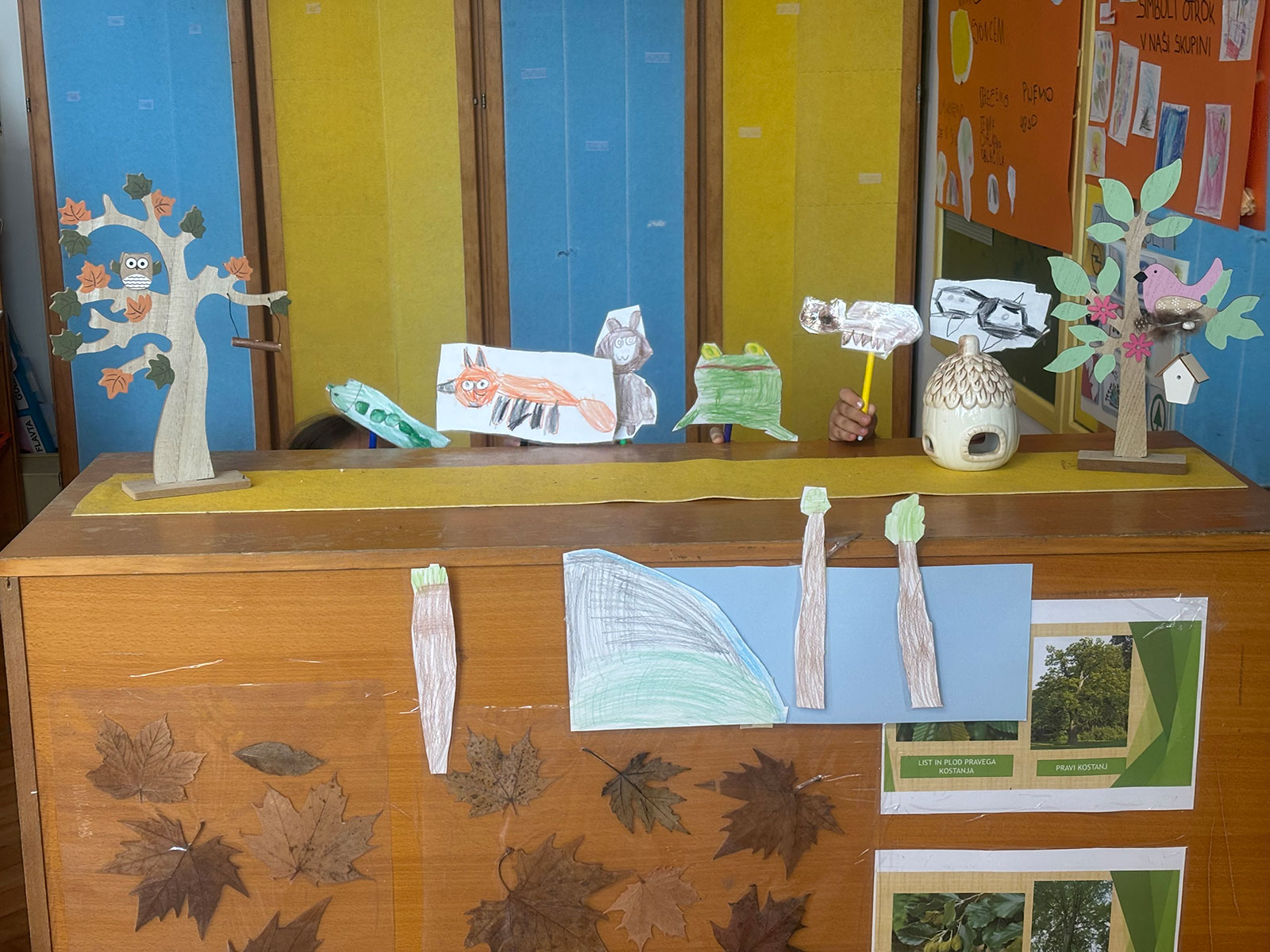
The children then create and perform a short puppet show showing how the message travels and changes.
Invite the children to reflect on the activity:
You can also ask:
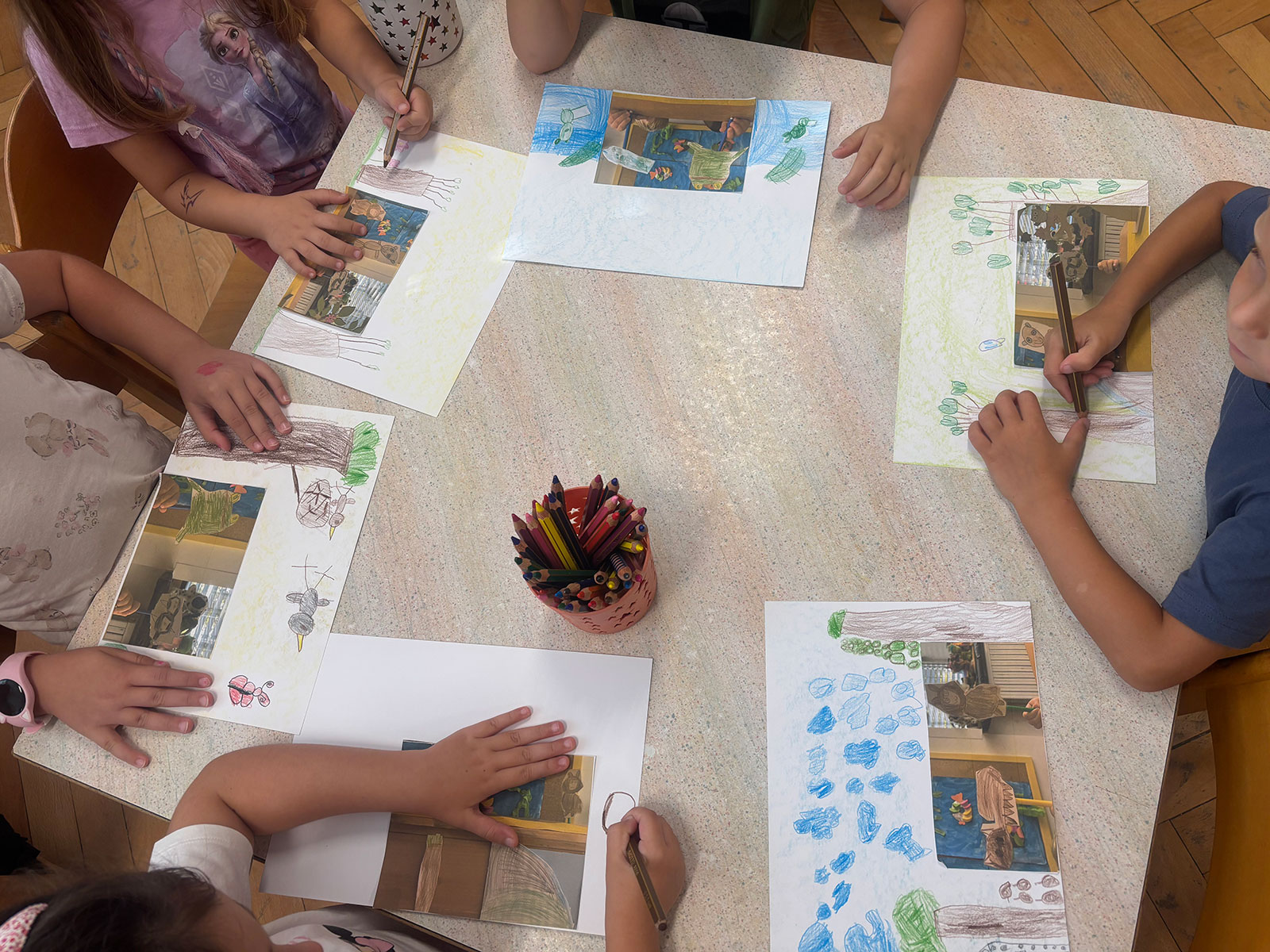
Turn the story into a sequence of drawings or a comic strip.
Combine the puppet show and collage: record the performance and include selected photographs in the collage.
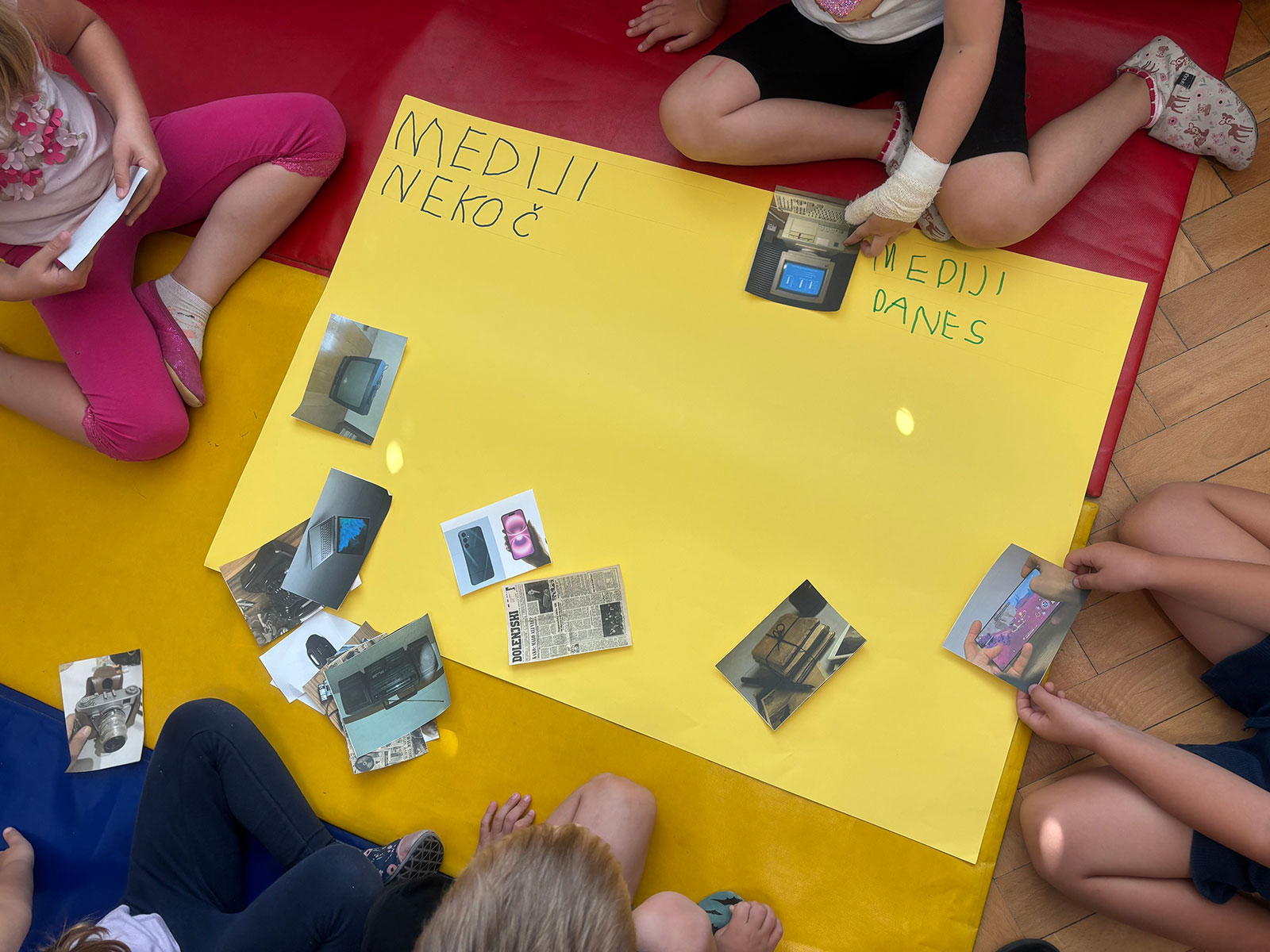
Create a "message journey map" showing how one story appears in different media (spoken, written, recorded).
This activity helps children understand how stories and messages are transmitted through different forms of media and across generations. It encourages creative storytelling while also showing how messages can change depending on who tells them and through which medium they are shared. The puppet show supports the development of sequencing skills, communication, and empathy. Through play and creativity, children develop an understanding of the dynamic nature of media and the shared human experience of storytelling.
The older children and those with stronger verbal skills took the lead in creating the story. The process required considerable discussion, negotiation and compromise, particularly when deciding which animals to include, how many characters to choose to prevent the story from becoming too long, and what kinds of puppets to make.
The game Chinese Whispers (Telephone Game) is a good way to demonstrate how even a single word can change as it is passed from one child to another, let alone an entire sentence whispered from person to person, where the original message can easily become distorted.

Funded by the European Union. Views and opinions expressed are however those of the author(s) only and do not necessarily reflect those of the European Union or the European Education and Culture Executive Agency (EACEA). Neither the European Union nor EACEA can be held responsible for them.

All contents, in particular texts, pictures and graphics, are protected by copyright. Unless expressly stated otherwise, copyright is held by media.eduskills.plus and is licensed under Creative Commons Attribution - Attribution-ShareAlike 4.0 International. They may be subject to the terms of the license.
© 2020-2026 media.eduskills.plus | Impressum