Recognizing and Expressing Emotions Through Media Images
Children explore how media images and characters show emotions and create their own expressive faces.
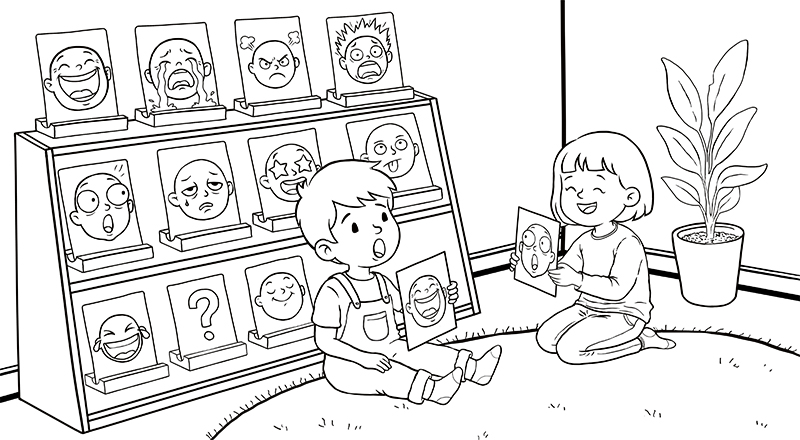
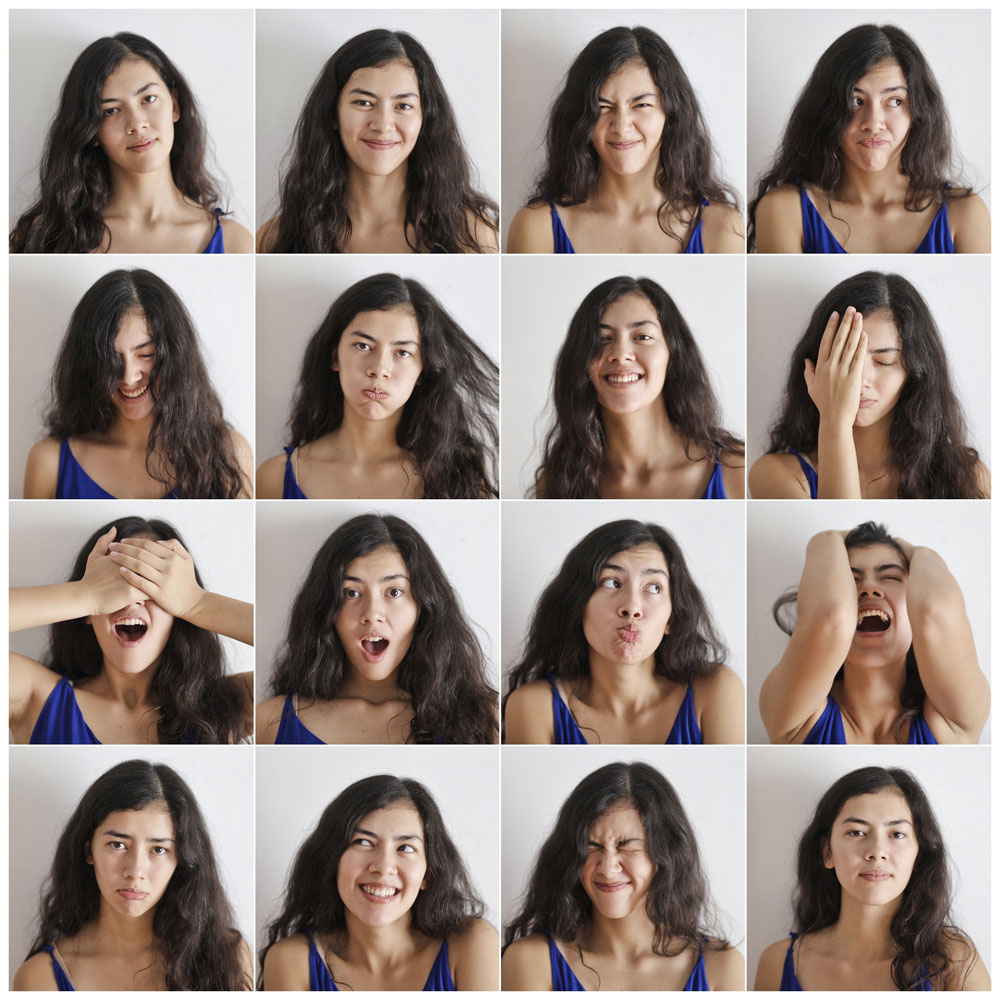
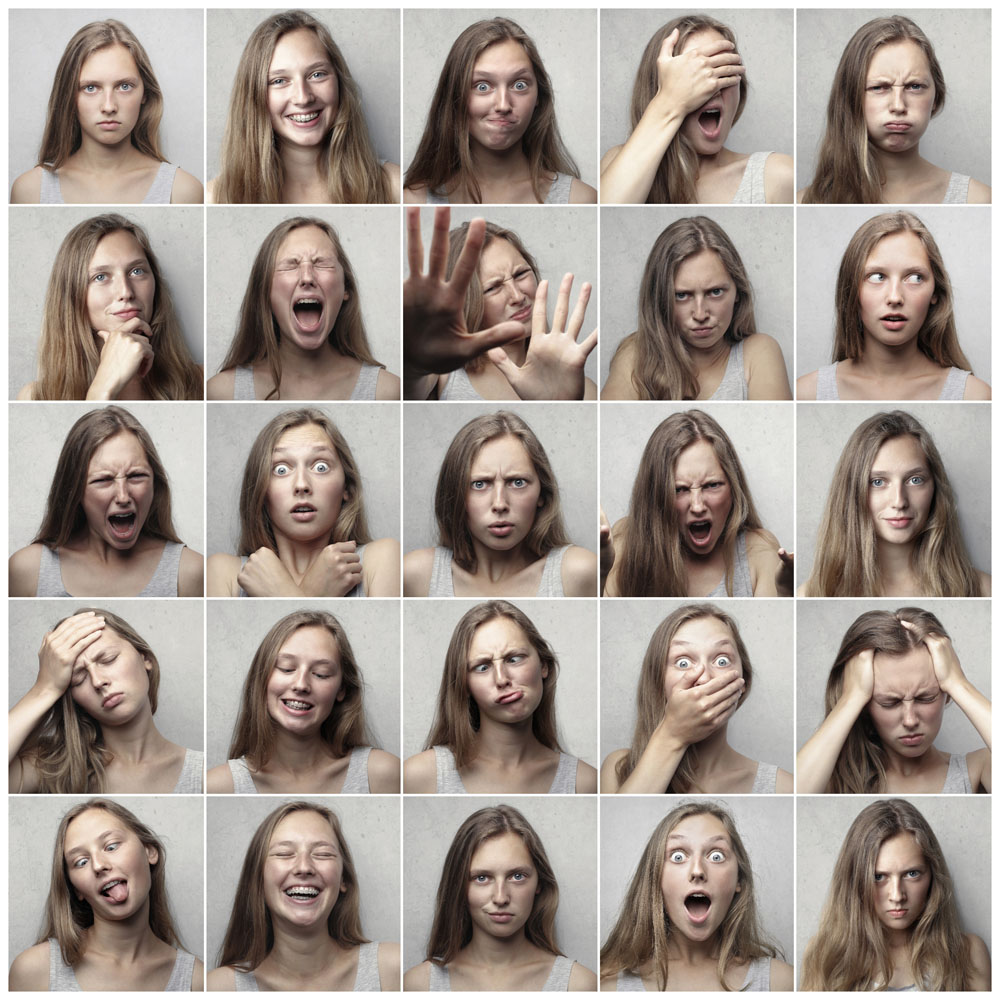
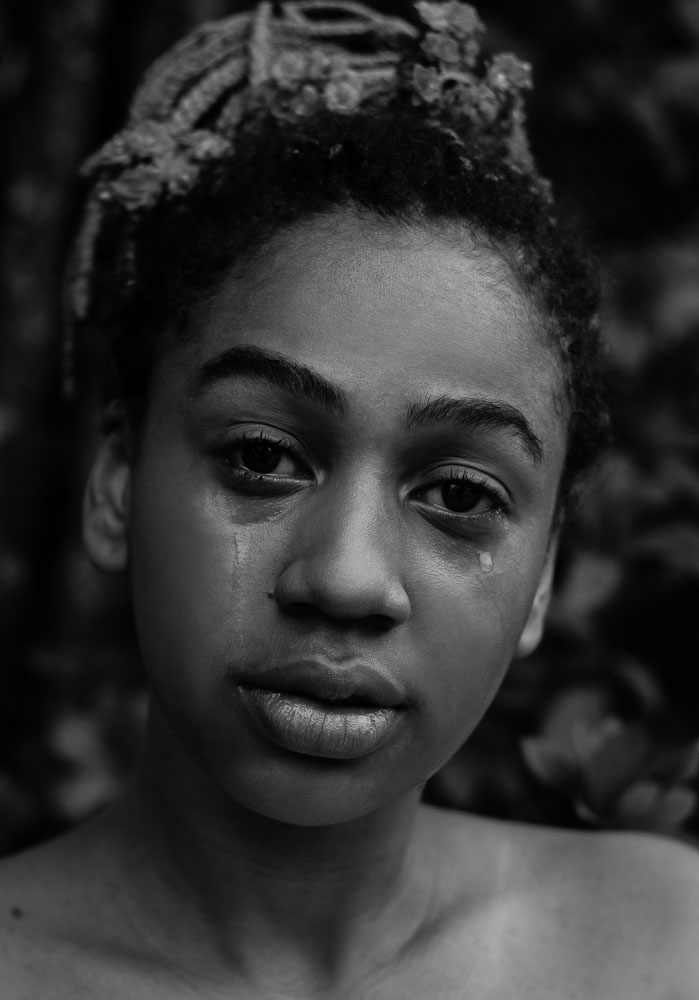
Gather the children and show pictures of faces from media (cartoons, photos, emojis).
Ask: "How do they feel?" and "How can you tell?" (eyes, mouth, eyebrows).
Encourage children to imitate the expressions and name the emotions.
Discuss how we can recognise feelings in people and characters.
Invite children to draw or model their own "emotion faces" using paper or clay.
Share and talk about the creations: "Who is this? How do they feel? Why?"
Continue this activity with Expressive-emotional Photography.
Make a class "Emotion Wall" with the children's artwork.
Play a guessing game: one child shows a face, others guess the emotion.
Use short media clips and pause to discuss how the characters might feel.
Use short news media clips and pause to discuss how they might make the child feel.
Understanding emotions in media supports both media literacy and social-emotional learning (SEL). Recognizing how feelings are shown in images helps children interpret media messages and respond empathetically. By linking visual cues to emotions, children learn that media characters express feelings just as people do, though sometimes in exaggerated ways. Creating their own emotion faces deepens understanding through active expression and play. The activity enhances emotional vocabulary, empathy, and nonverbal communication while encouraging reflection on how media influence our perception of emotions.

















Funded by the European Union. Views and opinions expressed are however those of the author(s) only and do not necessarily reflect those of the European Union or the European Education and Culture Executive Agency (EACEA). Neither the European Union nor EACEA can be held responsible for them.

All contents, in particular texts, pictures and graphics, are protected by copyright. Unless expressly stated otherwise, copyright is held by media.eduskills.plus and is licensed under Creative Commons Attribution - Attribution-ShareAlike 4.0 International. They may be subject to the terms of the license.
© 2020-2026 media.eduskills.plus | Impressum