Emotionen durch Medienbilder erkennen und ausdrücken
Kinder erkunden, wie Medienbilder und -figuren Emotionen zeigen, und gestalten eigene, ausdrucksstarke Gesichter.
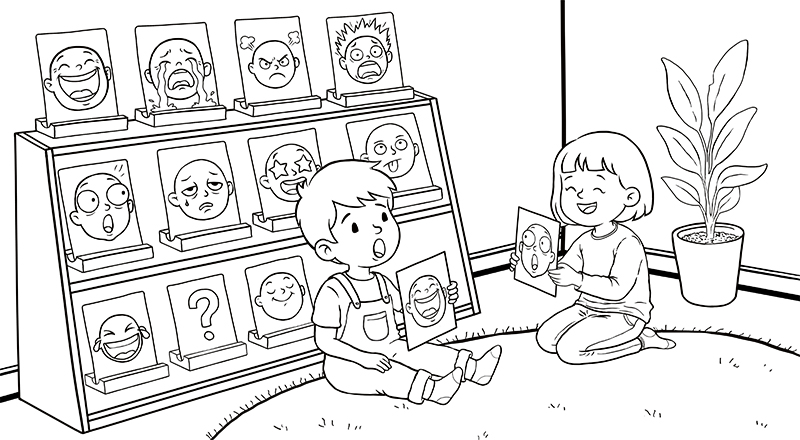
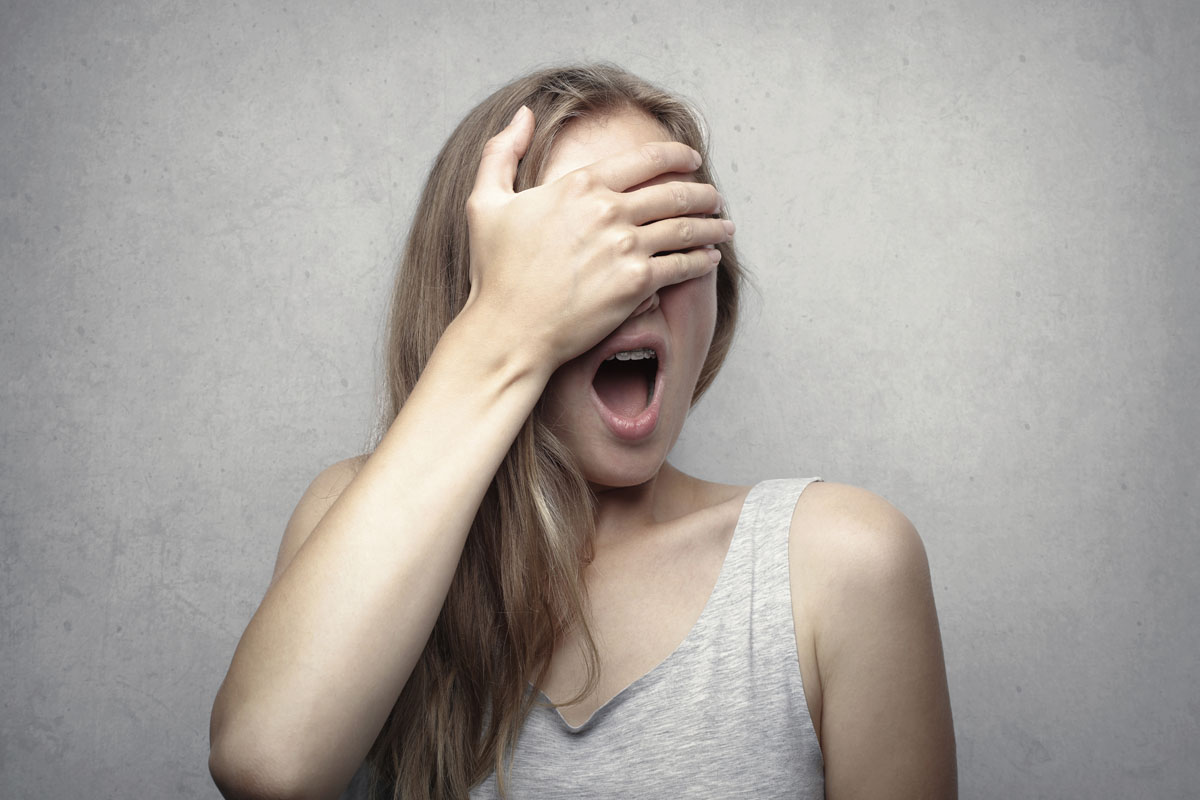
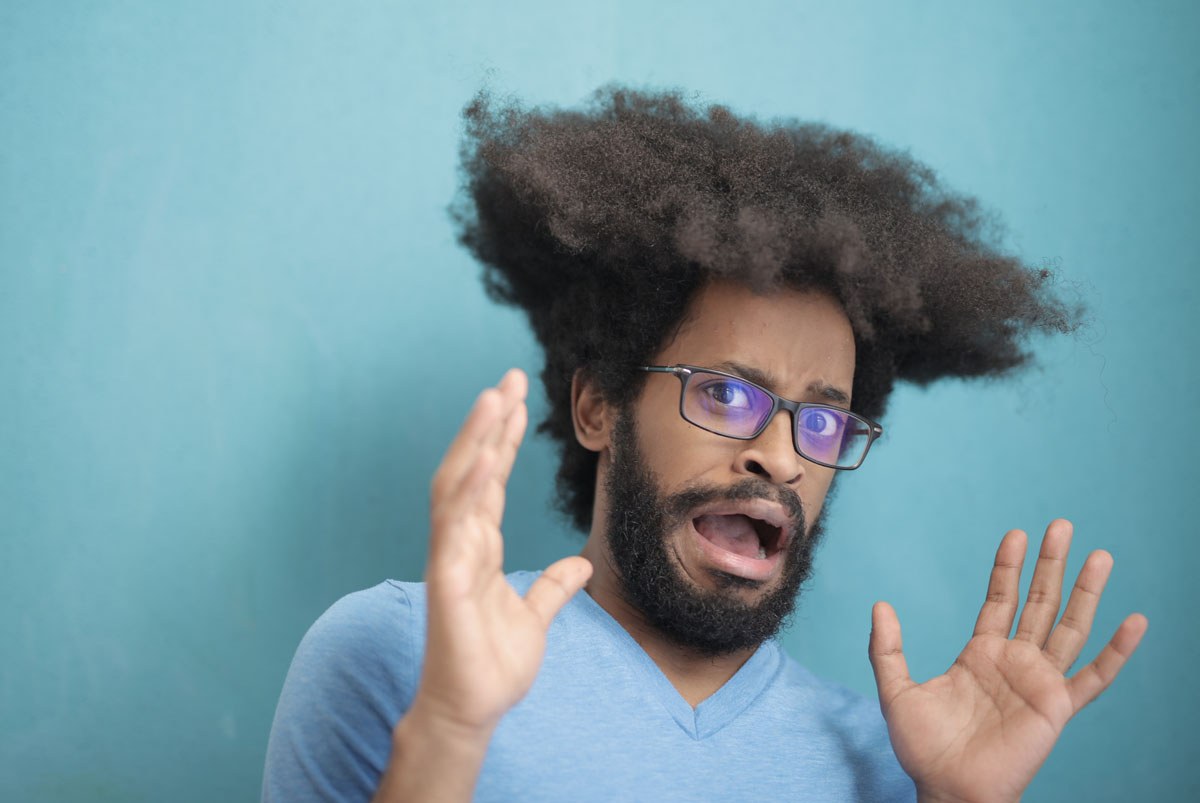
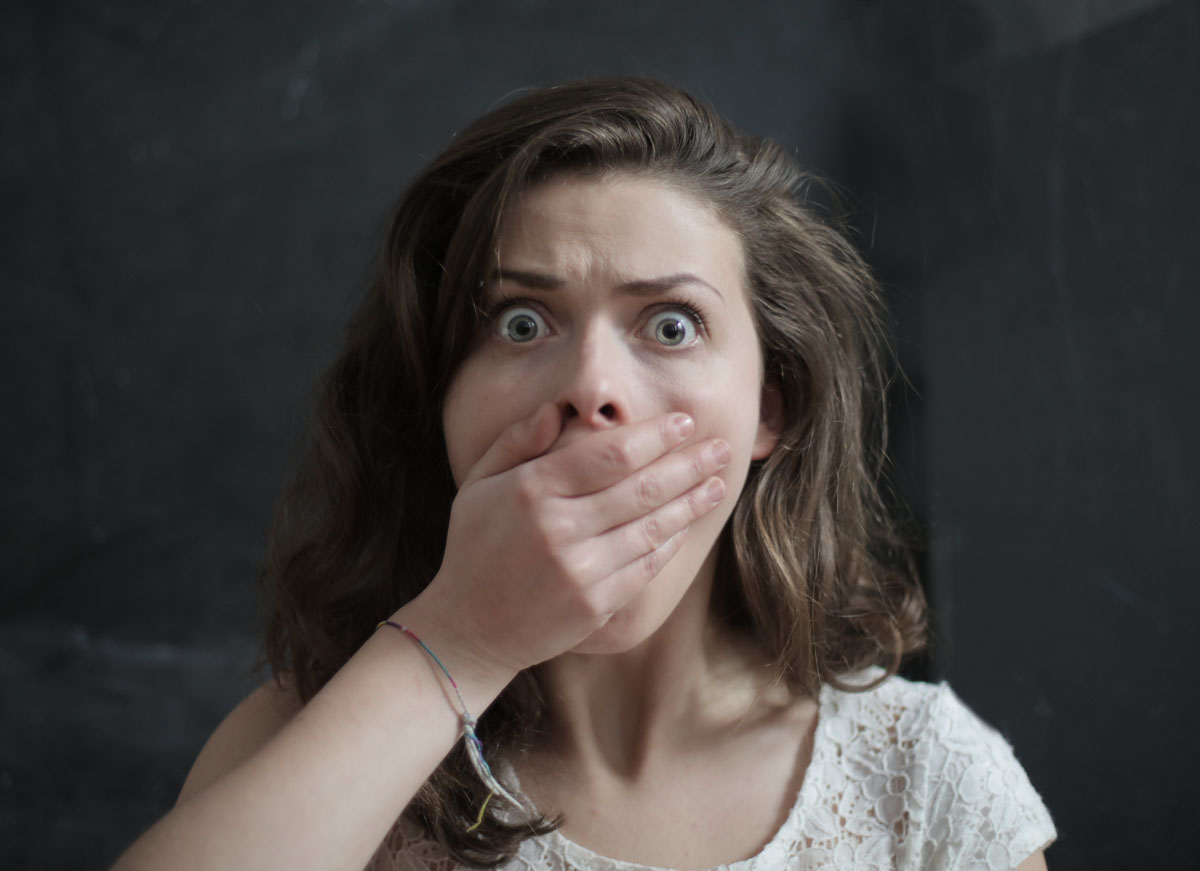
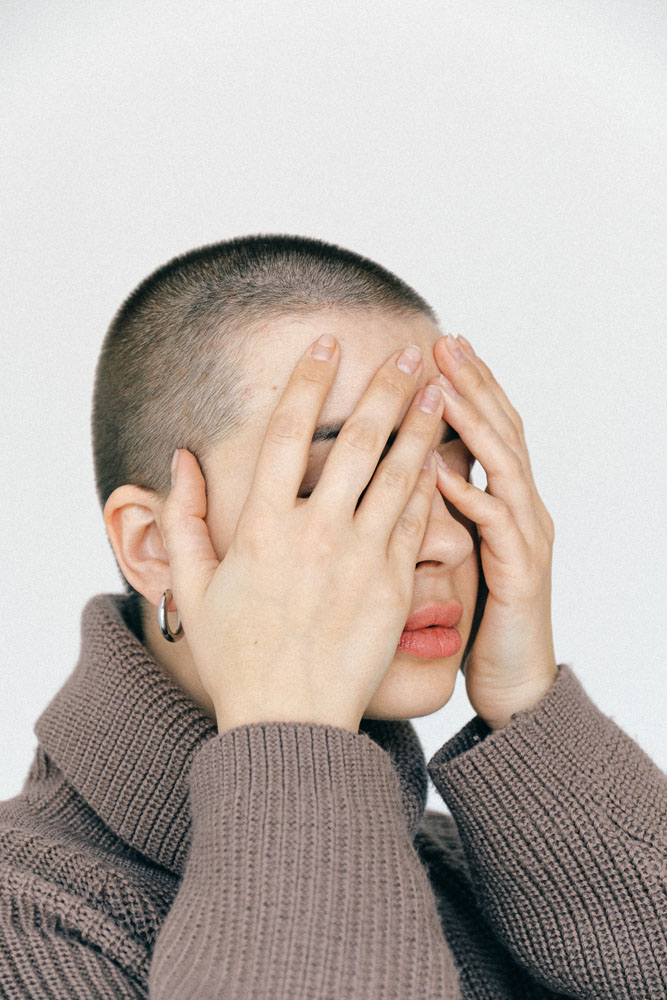
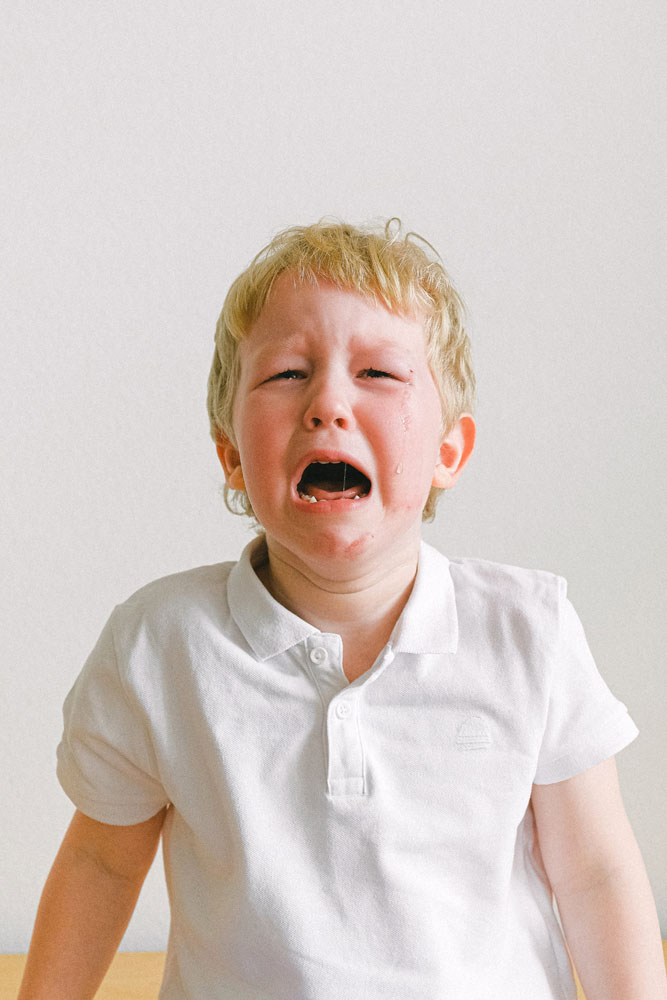
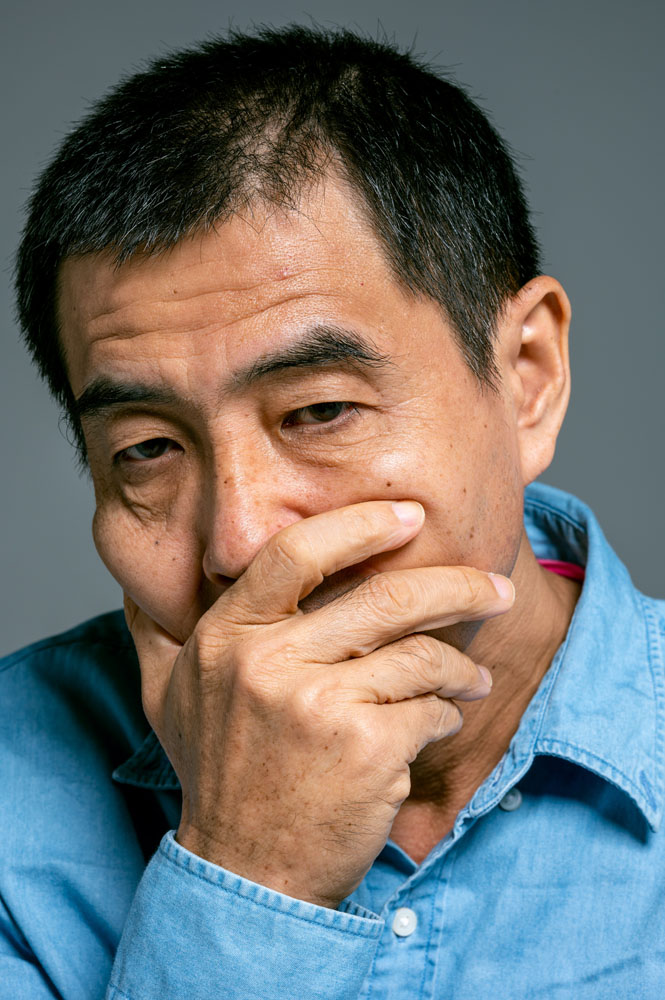
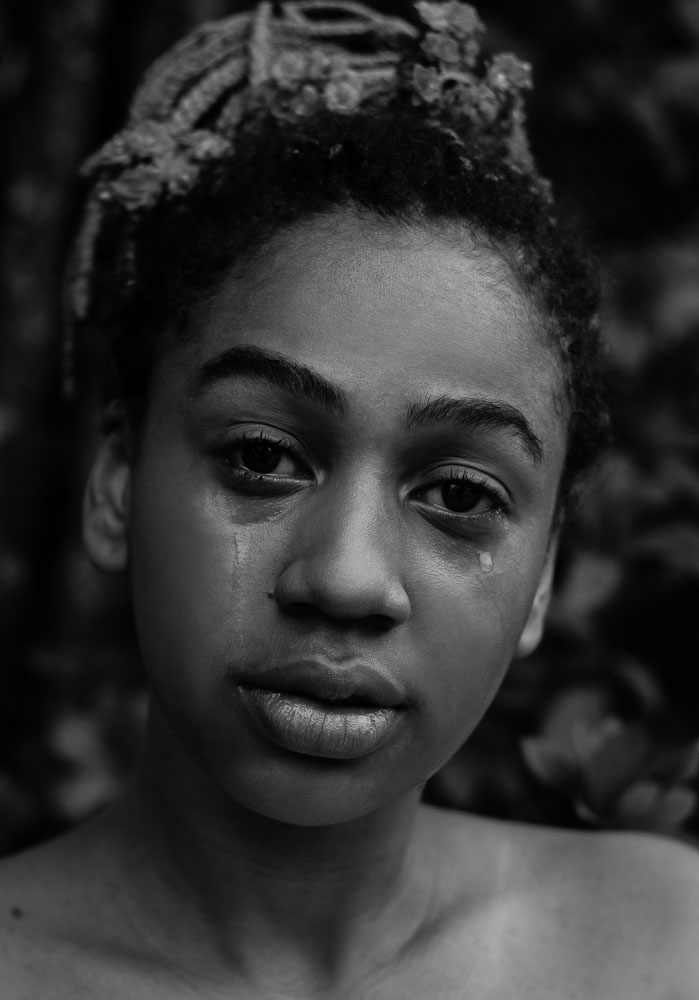
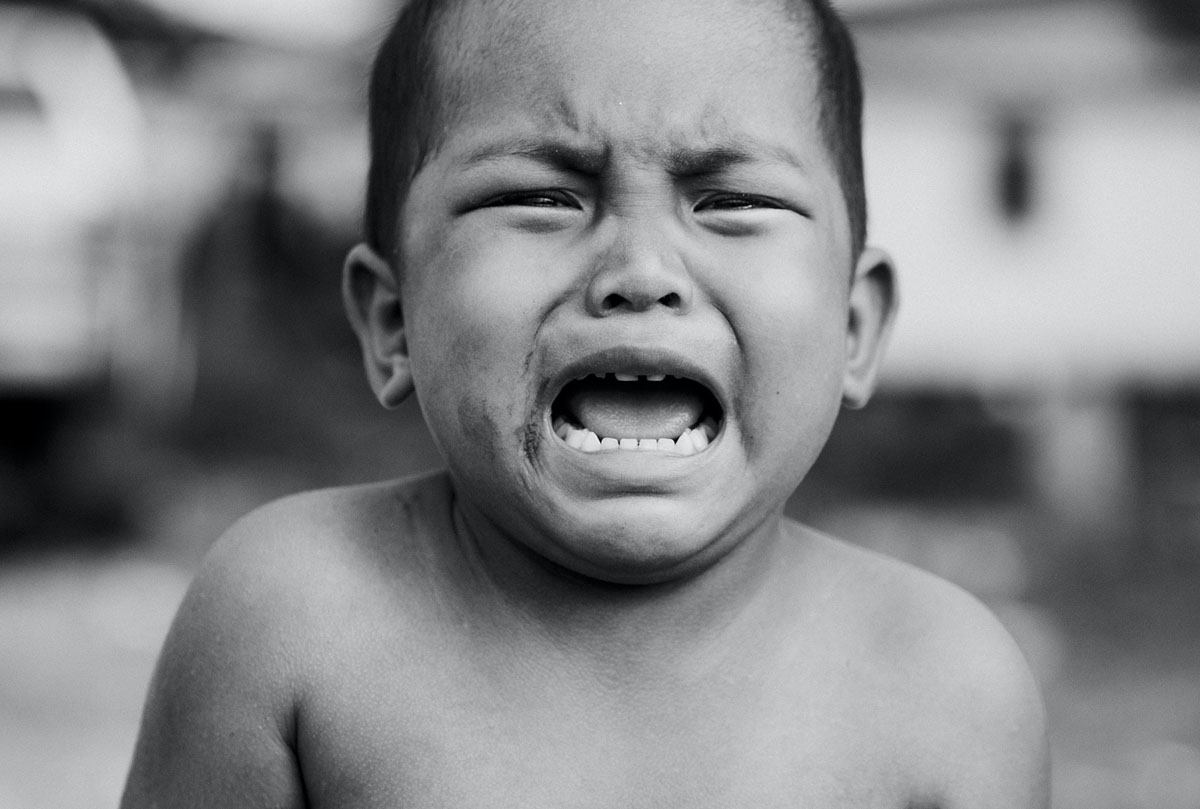
Die Kinder sitzen im Kreis, und Bilder von Gesichtern aus Medien (Cartoons, Fotos, Emojis) werden gezeigt.
Fragen stellen: "Wie fühlen sie sich?" und "Woran erkennst du das?" (Augen, Mund, Augenbrauen).
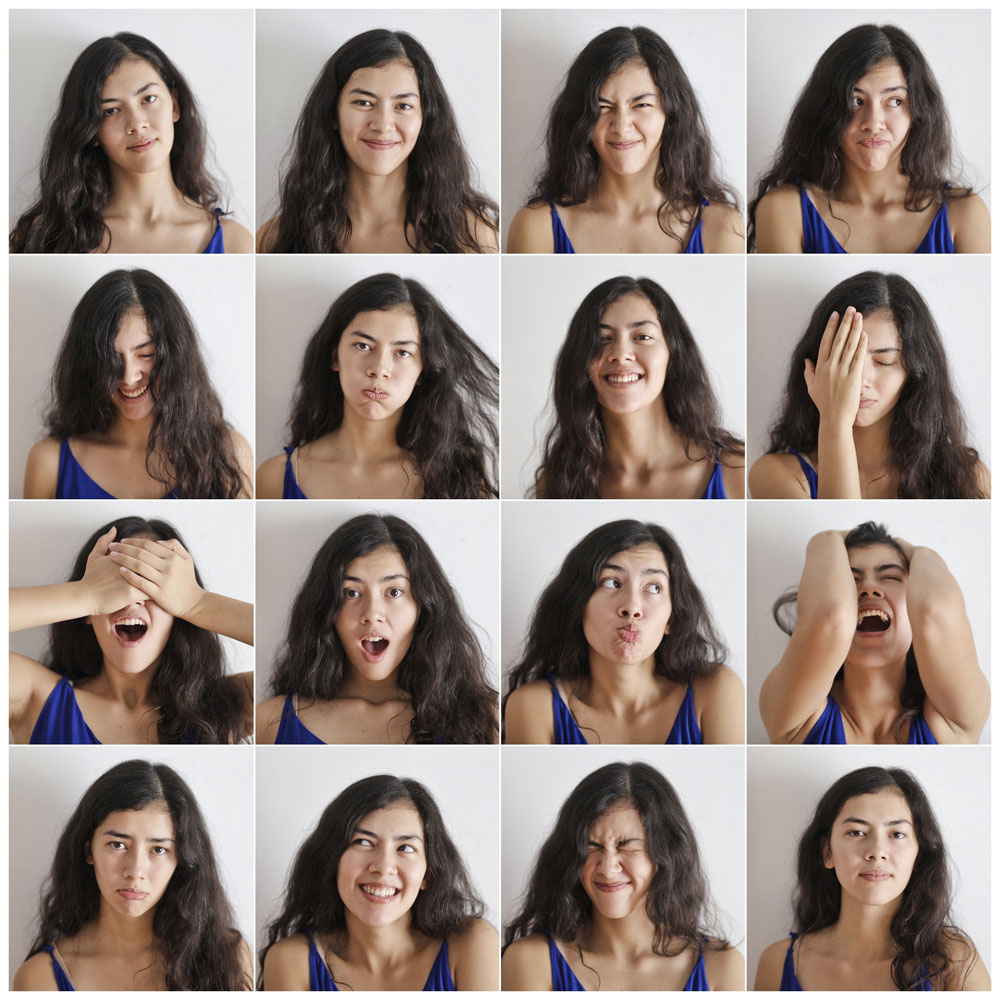
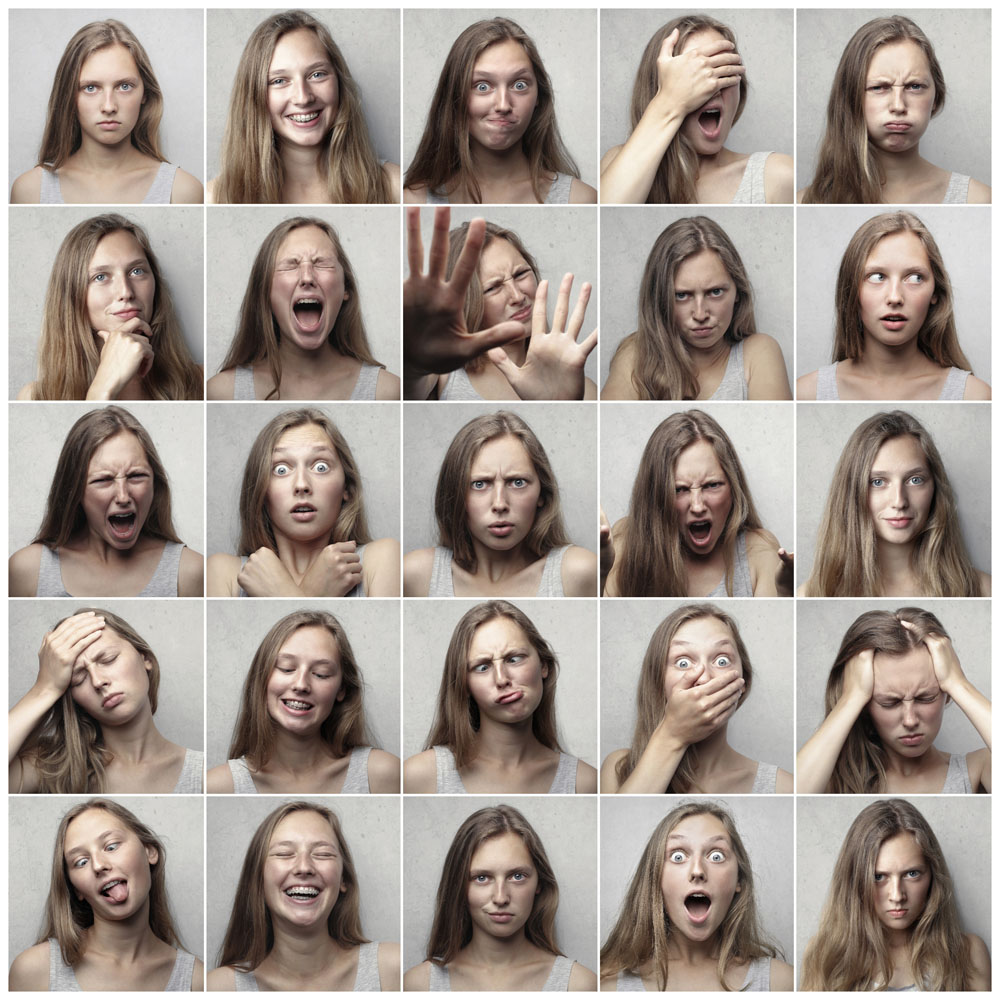
Die Kinder werden ermutigt, die Gesichtsausdrücke nachzuahmen und die Emotionen zu benennen.
Es wird besprochen, wie wir Gefühle bei Menschen und Figuren erkennen können.
Die Kinder werden eingeladen, eigene Emotionsgesichter auf Papier zu zeichnen oder aus Ton/Knete zu modellieren.
Anschließend werden die Werke vorgestellt und besprochen: "Wer ist das? Wie fühlt er oder sie sich? Warum?"
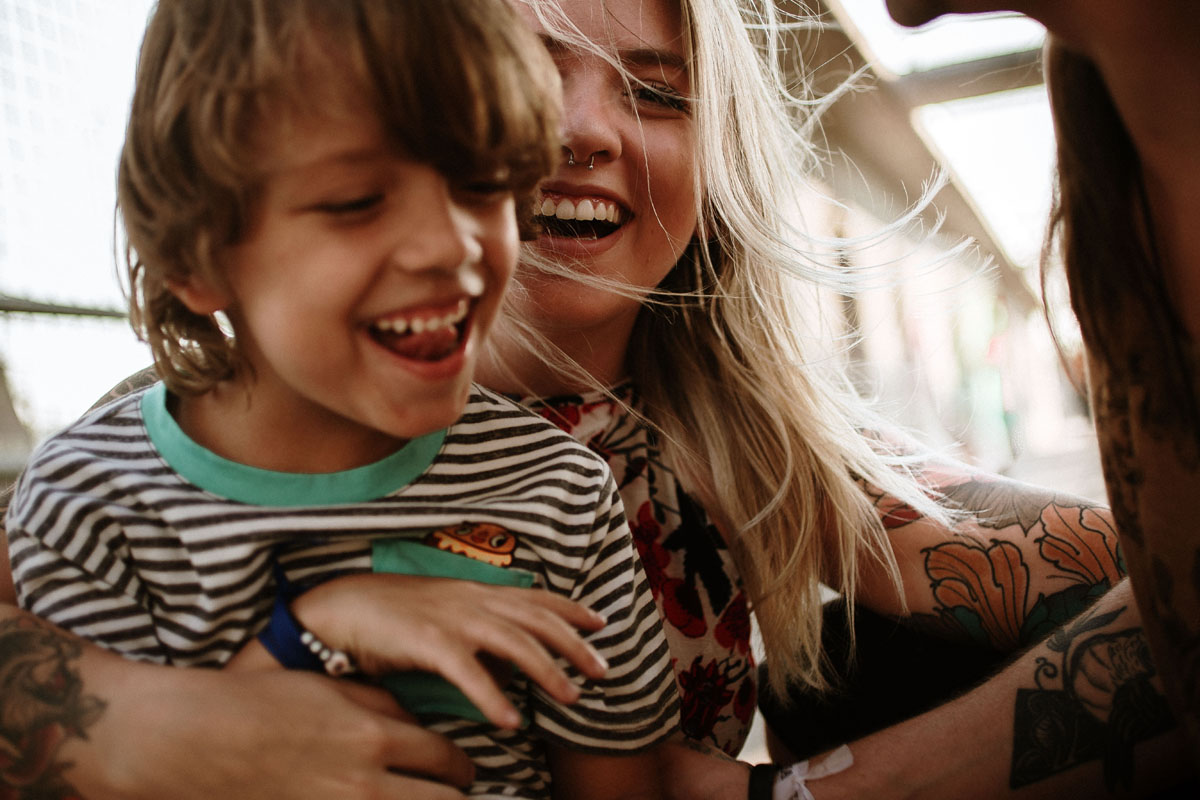
Führe diese Aktivität mit Ausdrucksstarker, emotionaler Fotografie weiter.
Eine gemeinsame "Emotionswand" mit den Kunstwerken der Kinder gestalten.
Ein Ratespiel spielen: Ein Kind zeigt einen Gesichtsausdruck, die anderen raten die Emotion.
Kurze Medienclips zeigen und pausieren, um zu besprechen, wie sich die Figuren fühlen könnten.
Kurze Nachrichtenclips zeigen und pausieren, um zu besprechen, welche Gefühle sie beim Kind auslösen könnten.
Das Verstehen von Emotionen in Medien unterstützt sowohl Medienkompetenz als auch sozial-emotionales Lernen (SEL). Das Erkennen, wie Gefühle in Bildern dargestellt werden, hilft Kindern, Medienbotschaften zu interpretieren und empathisch darauf zu reagieren. Durch die Verknüpfung visueller Hinweise mit Emotionen lernen Kinder, dass Medienfiguren Gefühle ähnlich wie reale Menschen ausdrücken, wenn auch manchmal übertrieben. Das Gestalten eigener Emotionsgesichter vertieft das Verständnis durch aktiven Ausdruck und spielerisches Handeln. Die Aktivität erweitert den emotionalen Wortschatz, fördert Empathie und nonverbale Kommunikation und regt zur Reflexion darüber an, wie Medien unsere Wahrnehmung von Emotionen beeinflussen.








Von der Europäischen Union finanziert. Die geäußerten Ansichten und Meinungen entsprechen jedoch ausschließlich denen des Autors bzw. der Autoren und spiegeln nicht zwingend die der Europäischen Union oder der Europäischen Exekutivagentur für Bildung und Kultur (EACEA) wider. Weder die Europäische Union noch die EACEA können dafür verantwortlich gemacht werden.

Alle Inhalte, insbesondere Texte, Bilder und Grafiken sind urheberrechtlich geschützt. Soweit es nicht ausdrücklich anders gekennzeichnet ist, liegen die Urheberrechte bei media.eduskills.plus und stehen unter der Creative Commons Attribution - Attribution-ShareAlike 4.0 International. Sie dürfen im Rahmen der Lizenzbedingungen verwendet werden.
© 2020-2026 media.eduskills.plus | Impressum