
 Metoda Metoda personaMetoda fokusiranja na roditelje koje želite dosegnuti i specificiranja njihovih potreba |
||
2026 media.eduskills.plus |


Pregled
-
Ciljana skupina:Odgojitelji u vrtiću
-
Veličina grupe:Individualno, Manja grupa, Grupa
-
Trajanje:1.5–3 sat
-
Materijali:
- Flipchart
- Papir
- Markeri
Cilj
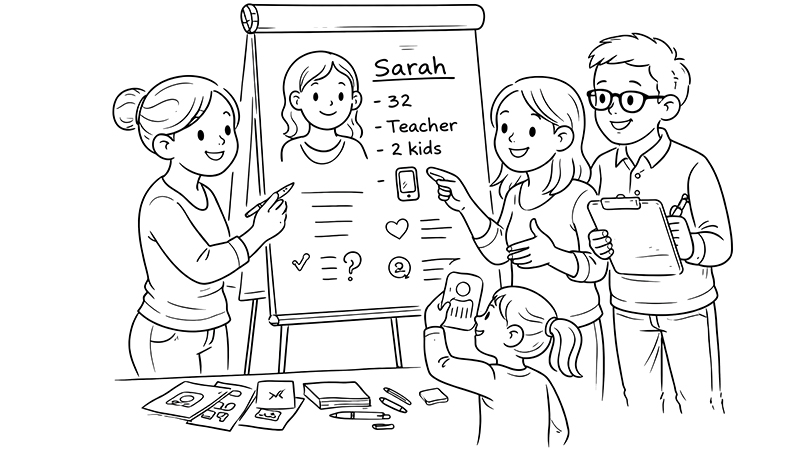
Roditelji su vrlo heterogena skupina i ne mogu se svi dosegnuti istom ponudom. Prilikom razvoja proizvoda, oglašavanja i prodaje, persona (buyer persona/persona kupca) su uobičajeni alat kojim se osigurava da su zadovoljene potrebe određene ciljne skupine. Ideja je preuzeti ovu metodu od stručnjaka za oglašavanje i primijeniti je na svoj rad s roditeljima kako biste ih bolje dosegli svojim ponudama. Metoda vodi do nijansiranijeg razumijevanja onoga što oblikuje potrebe roditelja, da je jezik vrlo važan i kako različita okruženja mogu ciljati različite tipove roditelja.
Koraci
Možete formirati grupe od 2-3 osobe ili raditi samostalno.
Razvijte fiktivnu personu s ovim profilnim informacijama: Ime, dob, posao, broj djece, obiteljska situacija (u braku/rastavljeni, razina stresa, daljnji aspekti), Što je važno za x? Koju ulogu digitalni mediji igraju u ovoj obitelji? Koju podršku bi x rekao/rekla da mu/joj treba u vezi s medijskim obrazovanjem? Što bi motiviralo x da dođe na događaj o medijskom obrazovanju u vrtiću?
Profil se može oslanjati na stvarne roditelje, ali bi trebao biti anoniman. Može se izmisliti drugo ime.
Napišite profil i sliku osobe x ako želite.
Razgovarajte s cijelom grupom o svojim idejama kako doprijeti do ovih roditeljskih persona i što bi im bilo važno.
Imajte na umu pozitivan, gostoljubiv i neosuđujući stav.
Profil roditelja - Primjeri
Ove su profili stvoreni uključujući postojeća istraživanja o medijskom obrazovanju roditelja. Oni vam mogu pomoći da se informirate o resursima i preprekama koje trebate imati na umu prilikom ciljanja roditelja. Imajte na umu da ovi profili koriste stereotipe i generalizacije kako bi pronašle pristup različitim perspektivama i nisu reprezentativne za pojedince.
Sva četiri profila roditelja imaju različite pristupe medijskom obrazovanju, različite izazove i stoga različite potrebe za podrškom.
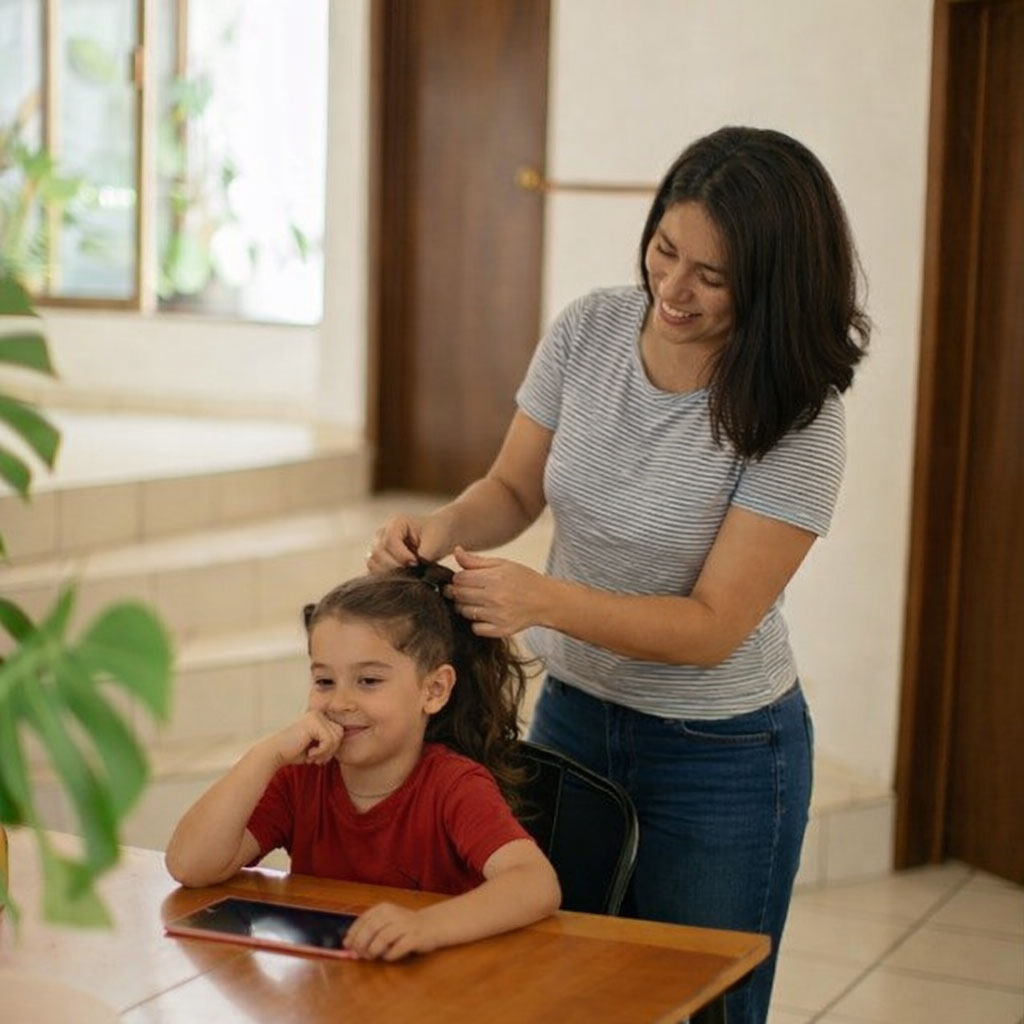
Laura 40 godina, rastavljena, dvoje djece, manje aktivna u medijskom obrazovanju
“Mislim da djeca trebaju od malih nogu učiti kako se nositi s digitalnim medijima. To bi se trebalo događati i u vrtiću.”
Obiteljska situacija
- Laura ima kćer (3) i sina (5) s bivšim partnerom
- Ona je freelancerica koja radi u marketingu s nepunim radnim vremenom.
- Njen novi partner ima sina (7) i vikendom provode vrijeme sa djecom.
- Laura živi u gradu i oslanja se na roditelje da je uzdržavaju tijekom tjedna.
Korištenje medija u obitelji
- Djeca imaju tablet i Bluetooth uređaj: slušaju podcaste, sin se smije igrati na tabletu, a ponekad gledaju i videozapise na YouTubeu, Netflixu, Disneyju itd.
- U kući bake i djeda televizor je uvijek uključen
- Laura je na društvenim mrežama zbog posla, a koristi Instagram i za opuštanje navečer.
Stav o digitalnim medijima
- Laura ima pozitivan i otvoren stav prema digitalnim medijima i svjesna je njihovih prednosti
- Nije usredotočena na rizike, već prati razvoj svoje djece i intervenirala bi ako bi smatrala da postoji problem.
- Smatra da bi djeca trebala učiti iz svojih grešaka i stvarati vlastita iskustva s digitalnim medijima.
Izazovi
- Laura ponekad nema puno vremena i energije da se usredotoči na svoju djecu i njihove potrebe uz rad i organiziranje njihovog svakodnevnog života.
- Laura bi željela poticati obrazovanje svoje djece, ali nema informacije o sadržajima primjerenim za djecu
- Laura se boji osuđivanja od strane drugih roditelja zbog svog otvorenog pristupa medijskom obrazovanju
Kakva bi vrsta podrške (događaji, okruženje, metode) bila potrebna Lauri? Što bi joj bilo važno?
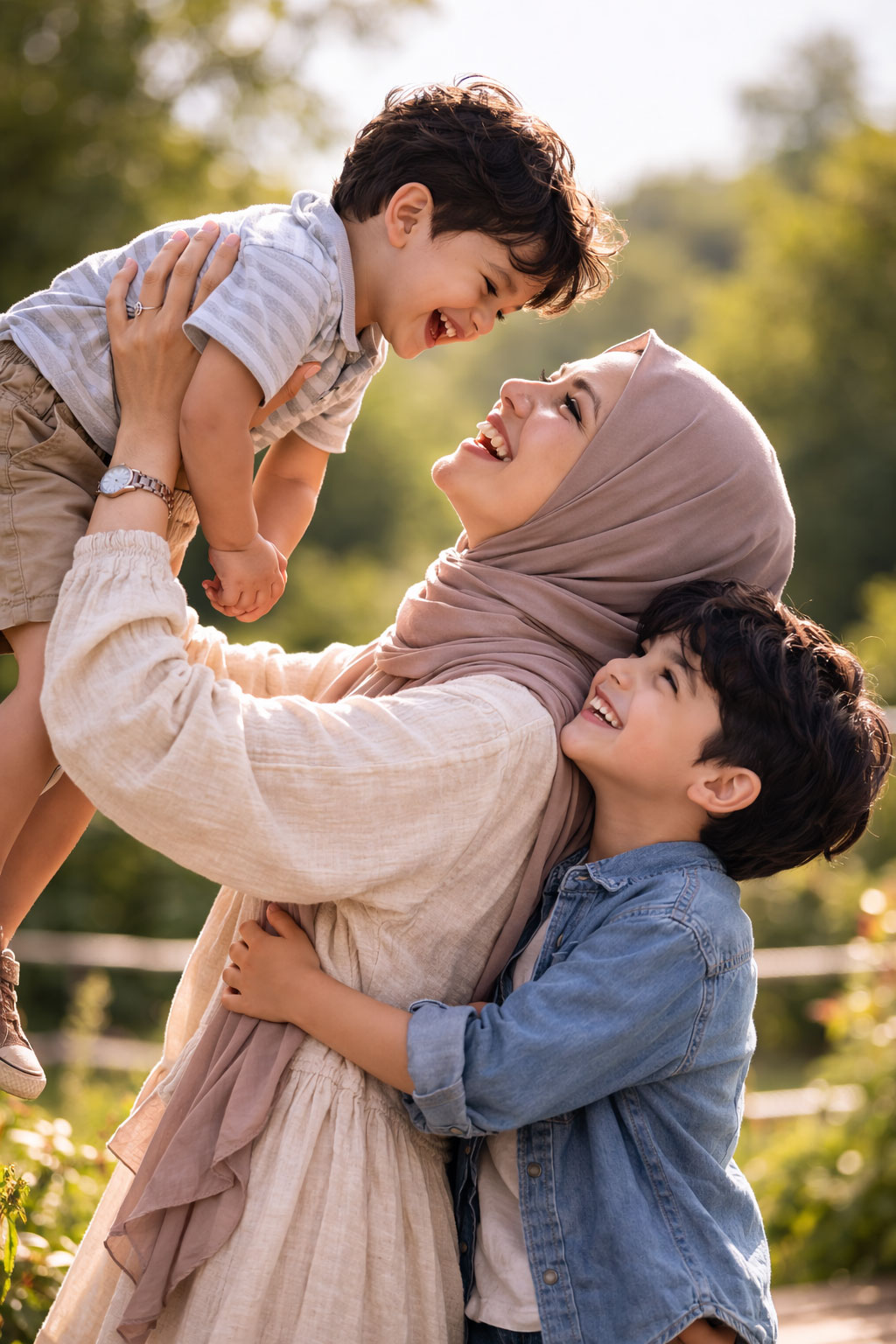
Ferida 34 godine, oženjen/a, dvoje djece, usmjeren/a na zaštitu djece u medijskom okruženju
“Obrazovanje je vrlo važno za moju obitelj. Mislim da digitalni mediji čine više štete nego koristi pa ih se trudim držati podalje koliko god je to moguće.”
Obiteljska situacija
- Ferida ima dva sina (4) i (6) sa svojim suprugom.
- Po struci je učiteljica, ali trenutno ne radi.
- Obitelj živi u malom gradu
- Obitelj je nedavno imigrirala zbog suprugovog posla (inženjer koji radi puno radno vrijeme u međunarodnoj tvrtki) i još nije razvila mnogo kontakata s lokalnim stanovništvom.
- Jezik kojim govore u obitelji je turski, a Ferida trenutno pohađa jezične tečajeve.
Korištenje medija u obitelji
- Ferida često čita djeci
- Često komunicira putem FaceTimea s prijateljima i obitelji kod kuće.
- Djeca imaju ograničeno vrijeme pred ekranom (dopušteno im je gledati jednu epizodu vikendom)
- Feridin suprug često telefonira zbog posla, a ona ga potiče da bude bolji uzor djeci.
Stav o digitalnim medijima
- Ferida ima kritičan stav prema digitalnim medijima i uglavnom vidi njihove opasnosti
- Želi da njezina djeca odrastaju bez korištenja digitalnih alata što je dulje moguće
- Smatra da vrtić ne bi trebao uključivati digitalno obrazovanje, već se usredotočiti na osnovne vještine poput čitanja i pisanja, učenja brojeva itd.
Izazovi
- Ferida ne uzima u obzir mogućnosti koje bi digitalni mediji mogli pružiti za obrazovanje njezine djece.
- Njezin pristup digitalnom učenju motiviran je strahom od opasnosti i nije otvorena prema interesu svoje djece za digitalni svijet.
- Ferida se osjeća pomalo izolirano i nesigurno jer je nova u gradu i još ne govori jezik.
Kakva bi podrška (događanja, okruženje, metode) bila potrebna Feridi? Što bi joj bilo važno?
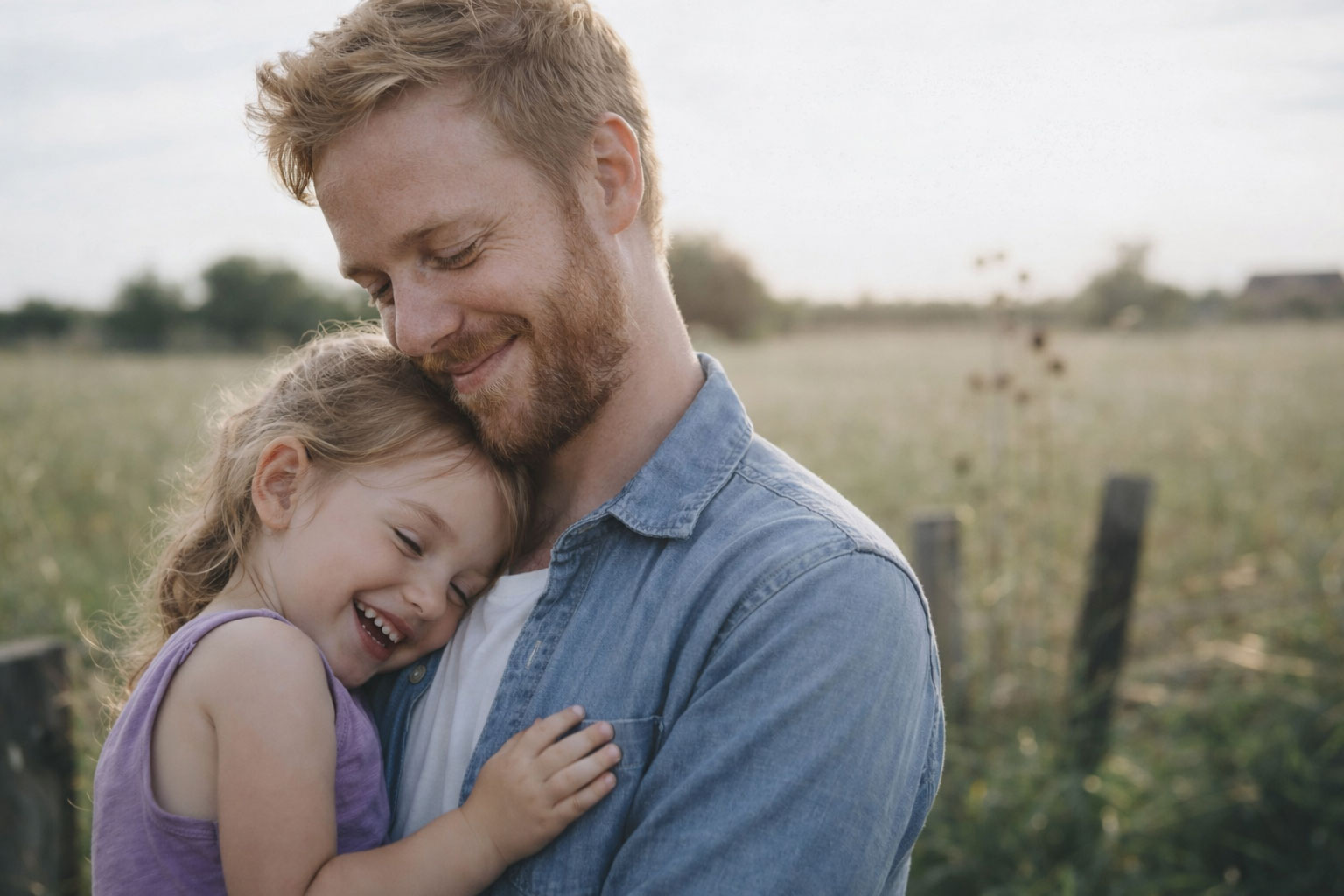
Luka 30 godina, u braku, jedno dijete, aktivno se bavi medijskim obrazovanjem
“Digitalni mediji dio su našeg svijeta, a ja nastojim biti aktivan uzor i poučiti svoju kćer kako koristiti te tehnologije u našem životu.”
Obiteljska situacija
- Luka s partnericom ima kćer (5).
- Radi kao grafički dizajner.
- Obitelj živi na selu.
- Luka i njegova partnerica rade na nepuno radno vrijeme i puno putuju.
Korištenje medija u obitelji
- Lukina kći ima omiljenu seriju koju zajedno gledaju.
- Obitelj redovito snima fotografije i videozapise koje uređuju i zajedno gledaju.
- Luka voli igrati videoigre, a ponekad ih igraju zajedno kao obitelj (igre primjerene dobi).
- Kao dizajner, Luka koristi tehnologiju kako bi bio kreativan, eksperimentirao i učio.
Stav o digitalnim medijima
- Luka ima pozitivan stav prema digitalnim medijima, ali također uviđa složene izazove povezane s društvenim mrežama i tehnologijama poput umjetne inteligencije.
- Odvoji vrijeme da se posveti kćeri i istraži mogućnosti koje tehnologija nudi.
- Lukas pažljivo sluša i promatra što mu kći govori kada zajedno gledaju filmove ili serije
Izazovi
- Lukas se ponekad svađa sa svojom partnericom jer ona misli da je možda prerano da se njihova kći bavi digitalnom tehnologijom.
- Još je relativno mlad otac i nije siguran jesu li njegovi obrazovni izbori ispravni, posebno kada čita alarmantne članke o negativnom utjecaju korištenja medija na djecu.
Kakva bi podrška (događaji, okruženje, metode) bila potrebna Lukasu? Što bi mu bilo važno?
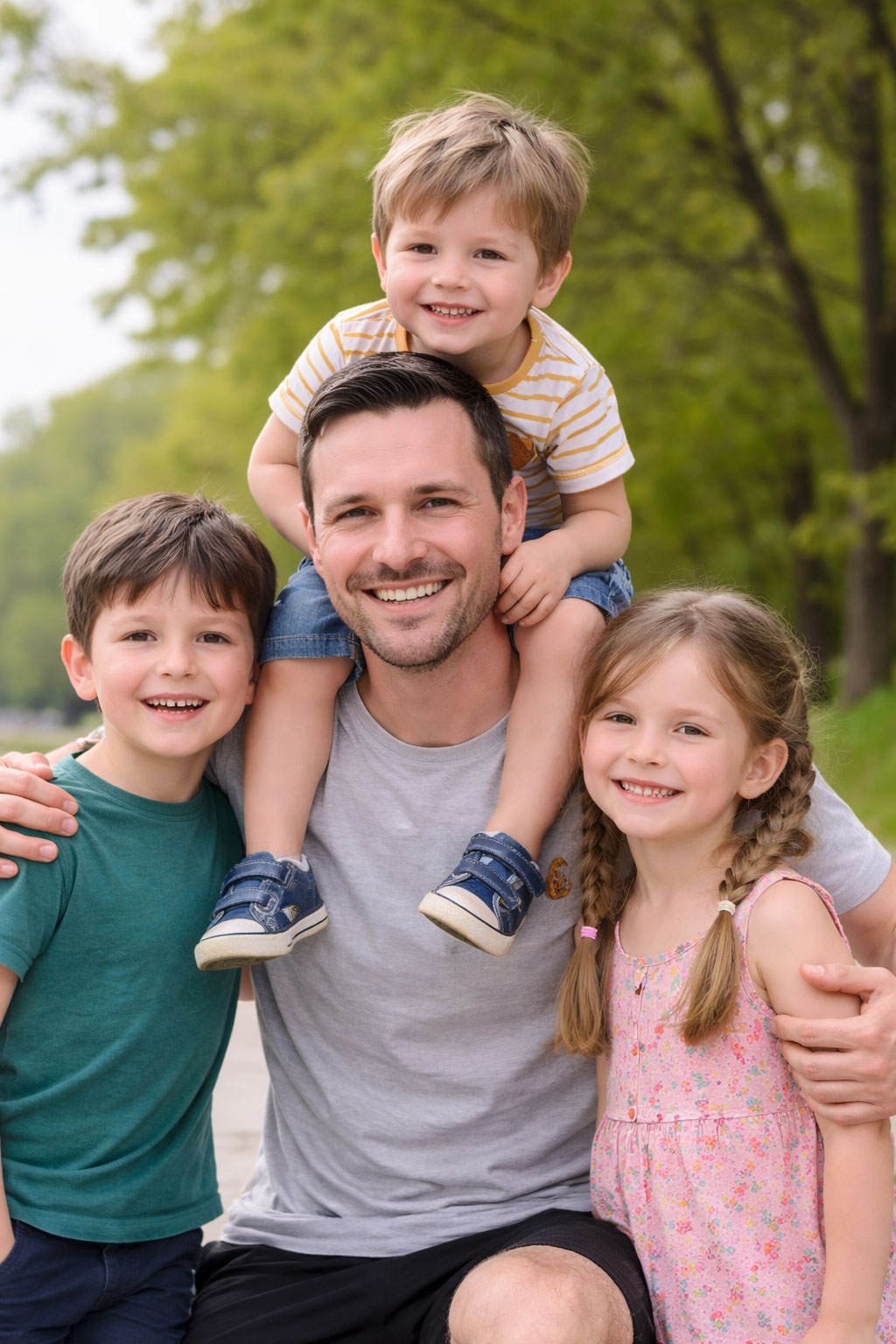
Ruben 37 godina, 3 djece, manje aktivan u medijskom obrazovanju
“Obiteljski život može biti stresan. S digitalnim alatima djeca se mogu malo zabaviti, a nama kao roditeljima to pruža zasluženi odmor.”
Obiteljska situacija
- Ruben ima troje djece - dva sina (3) i (5) i kćer (5) - sa suprugom
- Po zanimanju je električar i radi puno radno vrijeme.
- Obitelj živi na selu
- Rubenova supruga Lidia ima kroničnu bolest
Korištenje medija u obitelji
- Većinu vremena televizor je uključen jer su roditelji na to navikli.
- Djeca koriste tablet za igru, gledanje videa ili slušanje priča
- Roditelji ne vole čitati
- Obitelj uživa u fotografiranju kada provode vrijeme zajedno vikendom
Stav o digitalnim medijima
- Ruben ima praktičan stav prema digitalnim medijima i uglavnom vidi njihove mogućnosti
- Želi da se njegova djeca zabavljaju i igraju
- Odrastajući, Ruben je volio igrati računalne igre i smio je gledati televiziju - ima pozitivne uspomene vezano uz to.
Izazovi
- Ruben nema vremena ni resursa baviti se time kako njegova djeca koriste medije.
- Njegova supruga ne može podnijeti stres zbog bolesti, ali misli da bi mogli učiniti više kako bi djeci ponudili sadržaj primjereniji njihovoj dobi.
- Ruben i njegova supruga koriste digitalne medije uglavnom kao zamjenu za dadilju kako bi lakše upravljali svakodnevnim životom.
Kakva bi vrsta podrške (događaji, okruženje, metode) bila potrebna Rubenu? Što bi mu bilo važno?