Kaj je resnično? Kaj ni?
Razlikovanje med resničnostjo in domišljijo v medijih
 Financirano s strani Evropske unije. Izražena stališča in mnenja so zgolj stališča in mnenja avtorja(-ev) in ni nujno, da odražajo stališča in mnenja Evropske unije ali Evropske izvajalske agencije za izobraževanje in kulturo (EACEA). Zanje ne moreta biti odgovorna niti Evropska unija niti EACEA. |
 Vse vsebine, še posebej teksti, slike in grafikoni so avtorsko zaščiteni. V kolikor izrecno ni določeno drugače, so avtorske pravice last media.eduskills.plus pod licenco Priznanje avtorstva - nekomercialna raba - brez predelav 4.0 mednarodna (CC BY - NC - ND 4.0 ). Uporabijo se lahko le v okviru licenčnih pogojev. |
2026 media.eduskills.plus
Učni izidi
Kompetence
|
|
|
Ciljna skupina 4 let in več
|
|
Potrebni pripomočki
|
Opis aktivnosti (po korakih)
Predpriprava
Zberite otroke in jim razložite, da si boste ogledali slike ali videe ter razmišljali o tem, kaj je resnično in kaj ne.
Implementacija
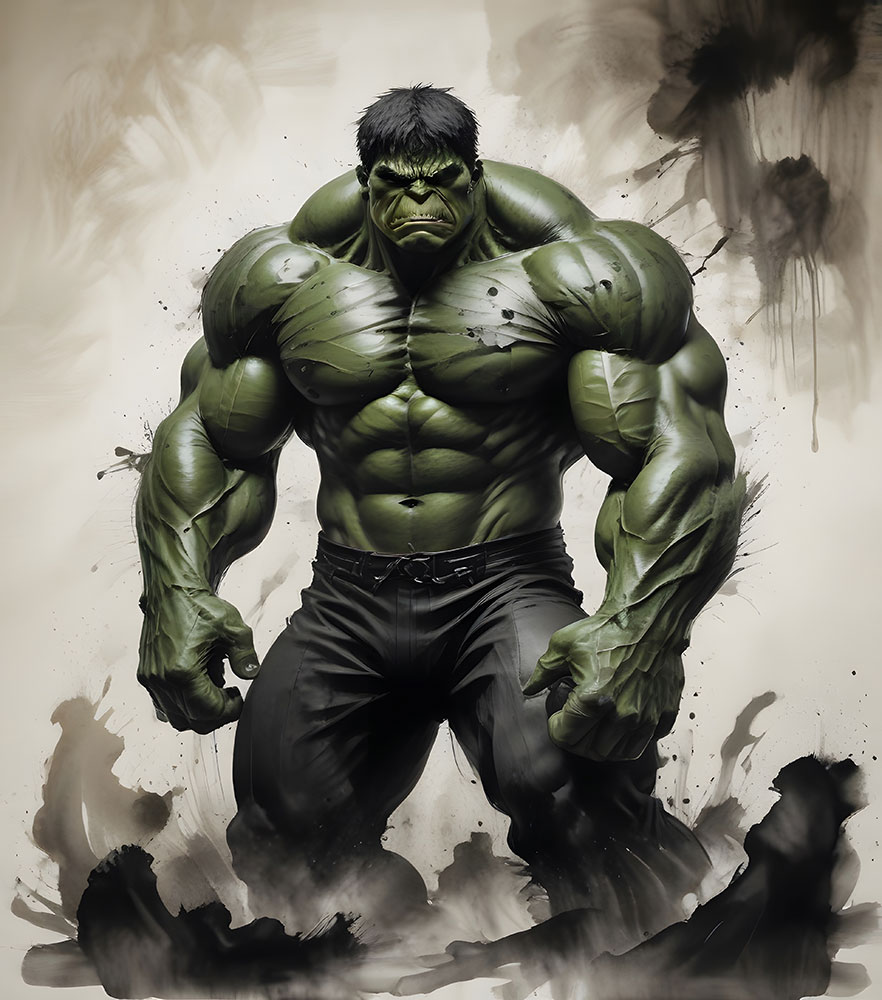
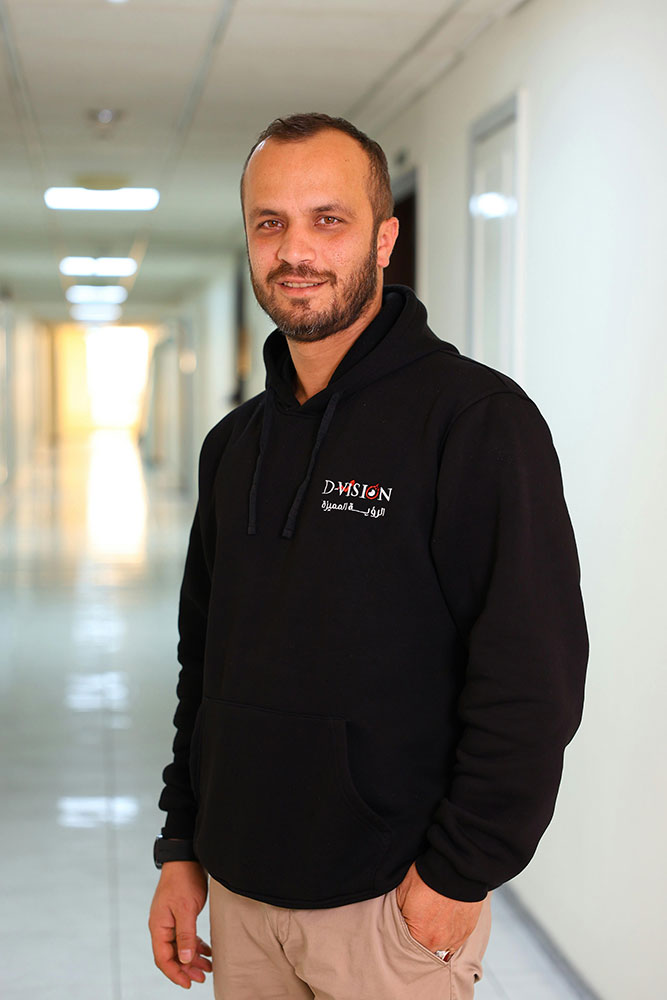
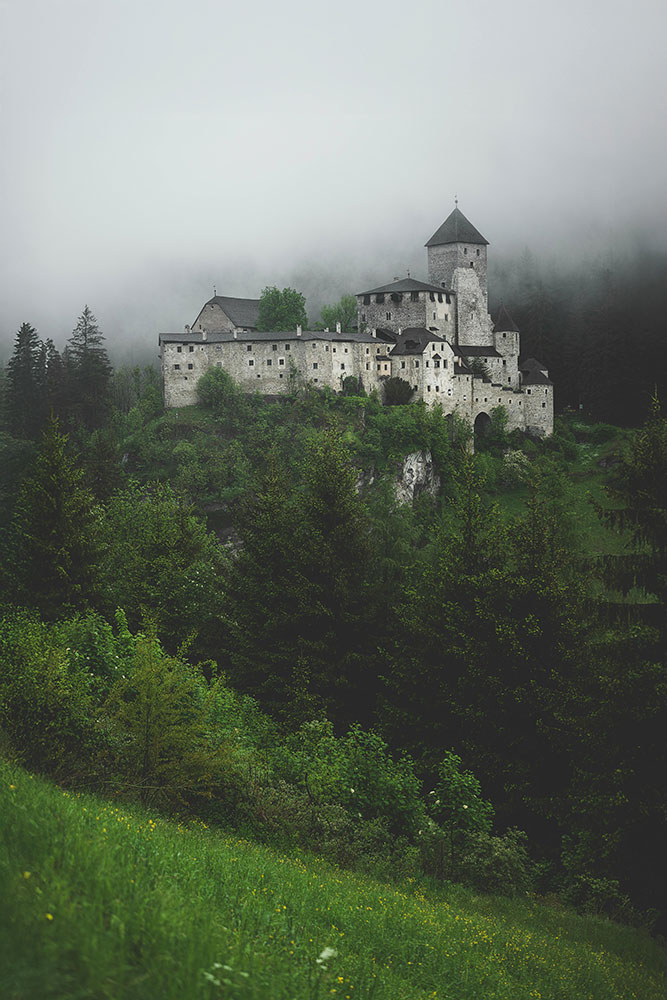
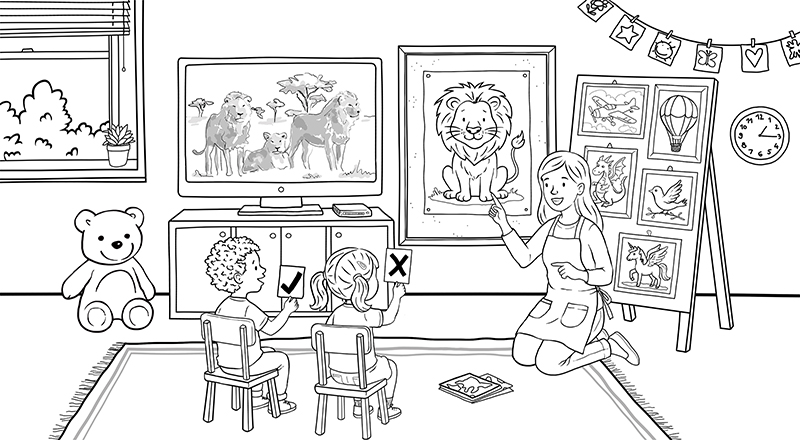
Otrokom najprej pokažite prvi primer (npr. pravo žival) in se z njimi pogovorite o tem, kaj vidijo.
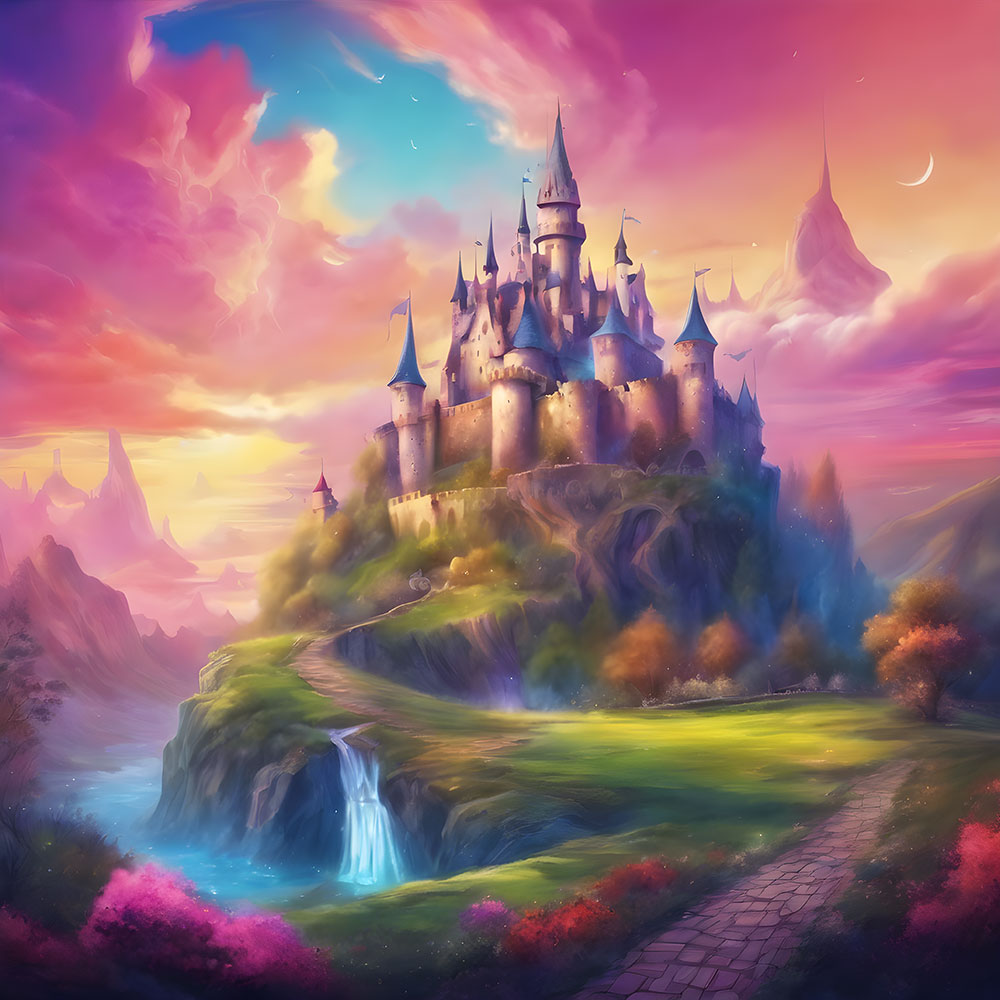
Nato pokažite drugi primer (npr. risano različico iste živali).
Postavljajte vprašanja za spodbujanje razmisleka: "Ali je to resnično? Ali bi se to lahko zgodilo v resničnem življenju? Zakaj da ali zakaj ne?"
Otroci naj dvignejo kartico »Resnično« ali »Ni resnično«, glede na svoj odgovor.
Skupaj se pogovorite o tem, kako lahko prepoznamo, da je nekaj izmišljeno.
Dejavnost zaključite s pojasnilom, da mediji (razen novic) včasih prikazujejo izmišljene stvari, da so zgodbe bolj zabavne ali zanimive.
Različice in dodatne ideje
Uporabite fotografije in risbe, ki so jih ustvarili otroci.
Igra gibanja »Resnično ali ne?« (otroci vstanejo za resnično, sedejo za neresnično).
Pogovor o tem, zakaj ljudje ustvarjajo izmišljene zgodbe (npr. pravljice) in kaj se lahko iz njih naučimo.
Osnovne informacije in didaktična perspektiva
Dejavnost otrokom približa razumevanje, da mediji lahko prikazujejo tako resnične kot izmišljene svetove. Razlikovanje med njima je temeljna spretnost medijske pismenosti, ki podpira razvoj kritičnega mišljenja in pomaga otrokom razumeti, da vsega, kar vidijo ali slišijo, ni treba jemati kot resnično. S primerjanjem, opazovanjem in pogovorom otroci razvijajo sposobnost argumentiranja, izražanja mnenja in razumevanja, kako mediji ustvarjajo zgodbe. Dejavnost krepi analitične in izrazne spretnosti ter postavlja temelje za odgovorno rabo medijev v prihodnosti.