What's Real? What's Not?
Learning to Tell the Difference Between Reality and Imagination in Media
 Finanțat de Uniunea Europeană. Punctele de vedere și opiniile exprimate aparțin, însă, exclusiv autorului (autorilor) și nu reflectă neapărat punctele de vedere și opiniile Uniunii Europene sau ale Agenției Executive Europene pentru Educație și Cultură (EACEA). Nici Uniunea Europeană și nici EACEA nu pot fi considerate răspunzătoare pentru acestea. |
 Toate conținuturile, în special textele, imaginile și grafica, sunt protejate de drepturi de autor. Cu excepția cazului în care se specifică altfel, drepturile de autor sunt deținute de media.eduskills.plus și sunt licențiate în conformitate cu Creative Commons Attribution - Necomercial - Distribuție în aceleași condiții 4.0 Licență internațională. Acestea pot fi utilizate în condițiile licenței. |
2026 media.eduskills.plus
Rezultatele învățării
Competențe
|
|
|
Grupul țintă 4 an și peste4 ani și mai în vârstă
|
|
Materiale necesare
|
Descrierea activității (pas cu pas)
Pregătire:
Gather children and explain that you will look at pictures or videos and think about what is real.
Implementare:
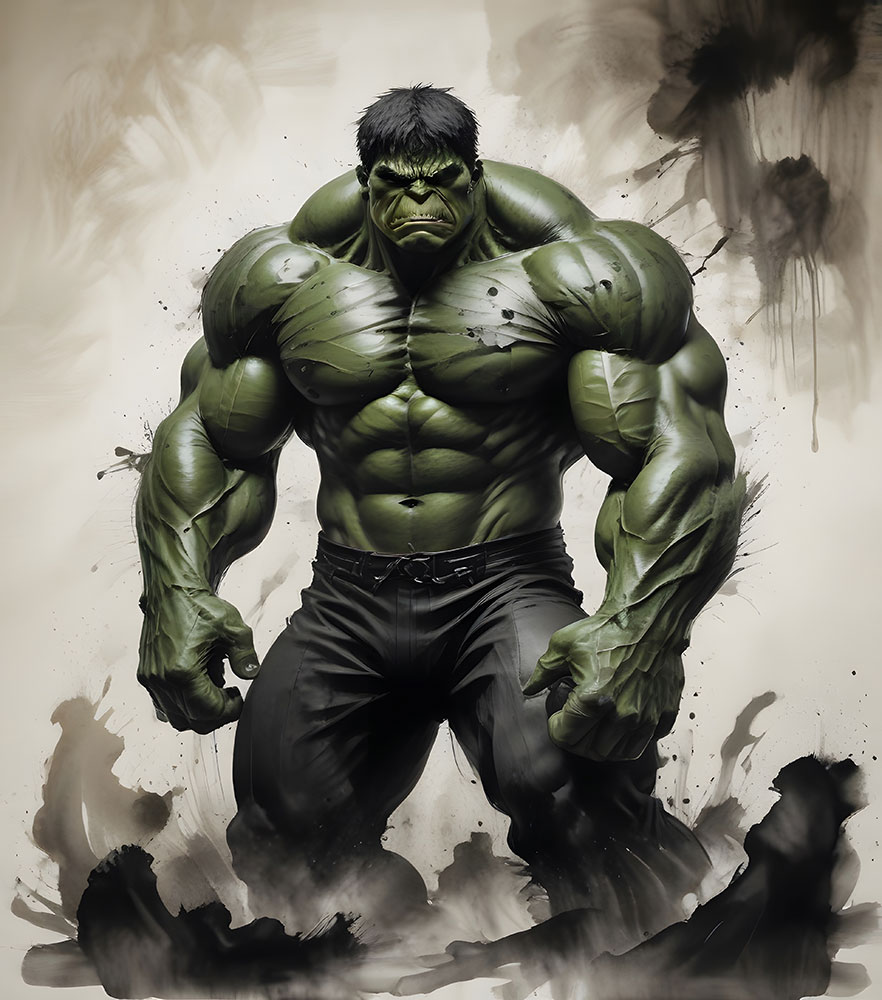
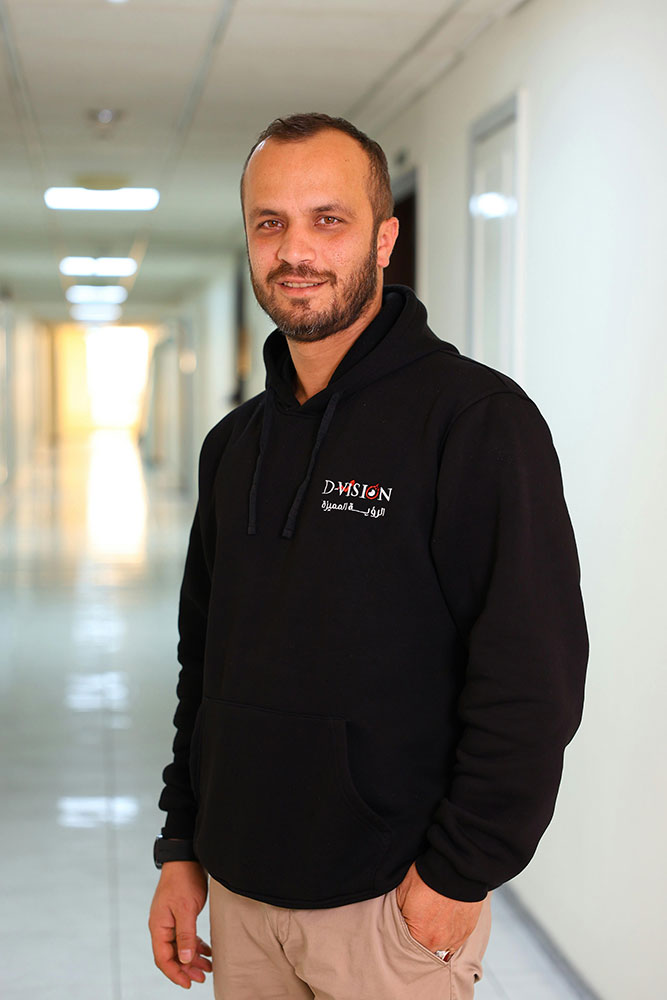
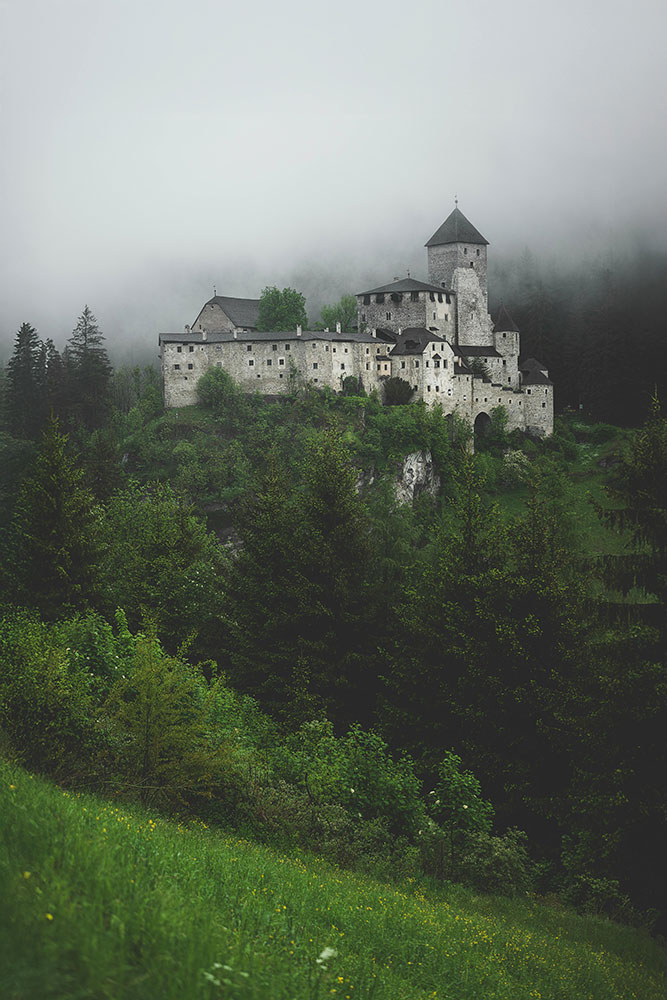
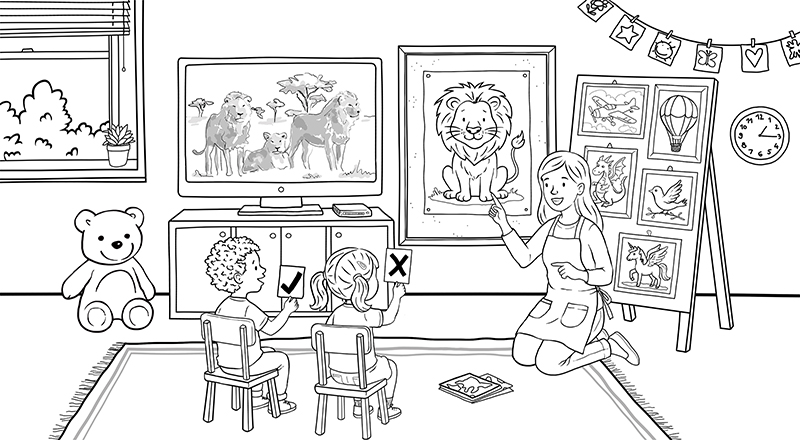
Show the first example (e.g. a real animal) and discuss what they see.
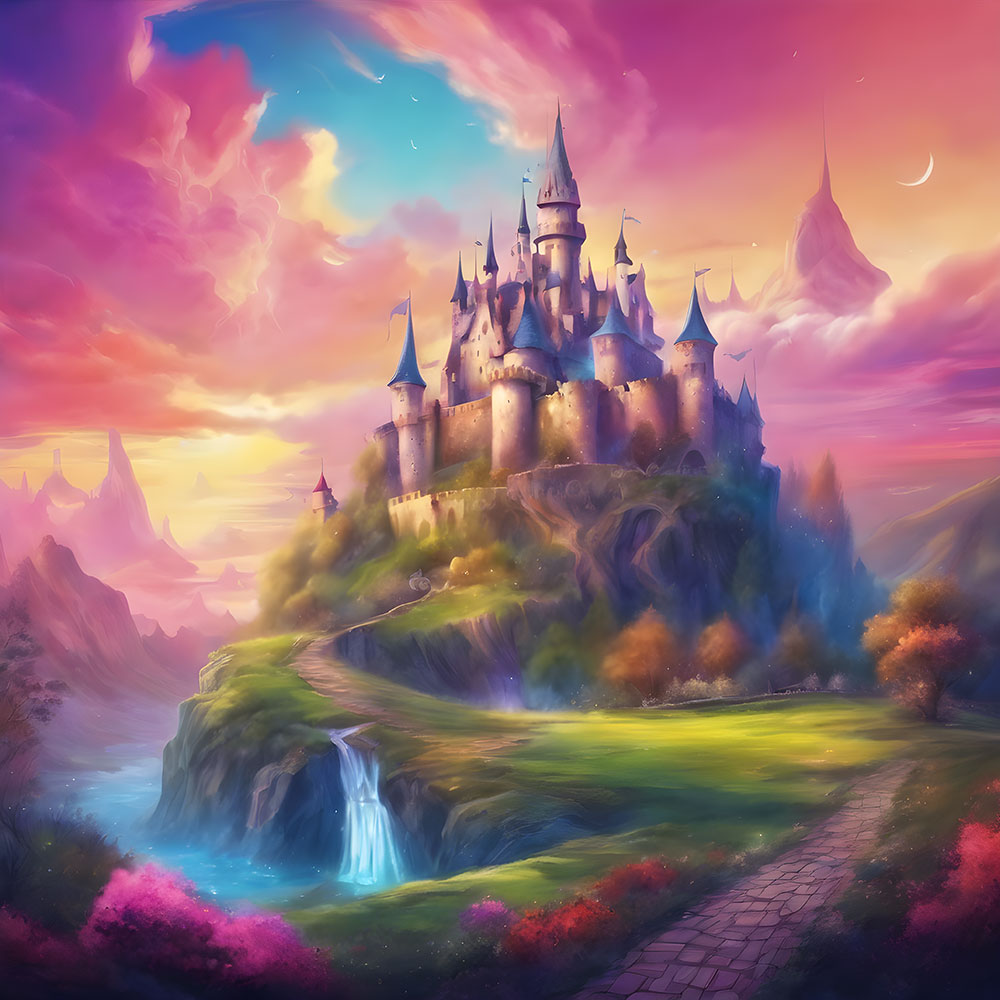
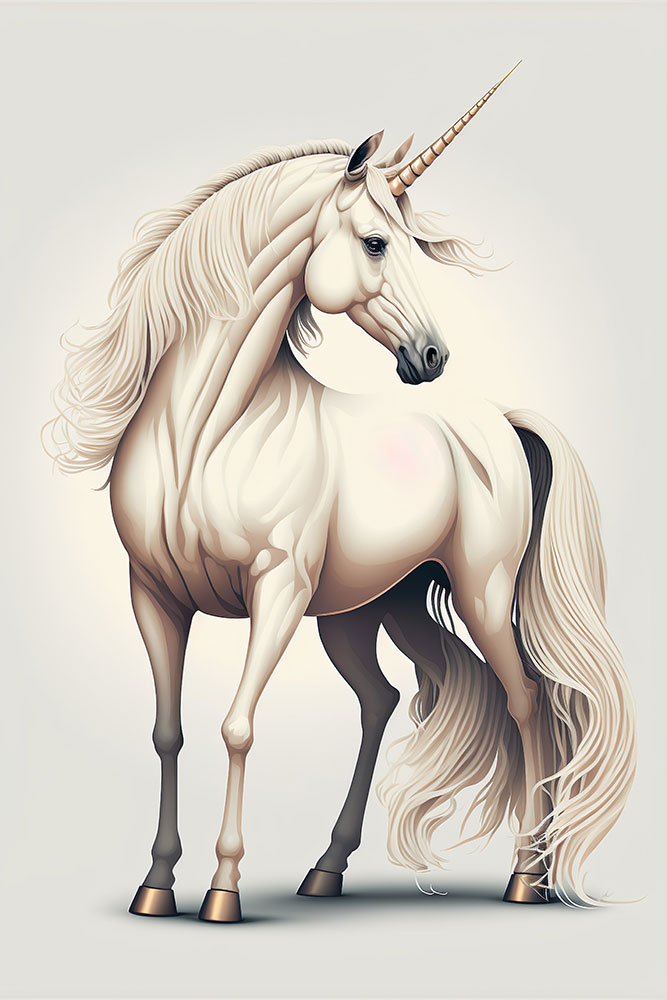
Show the second example (e.g. the cartoon version of the animal).
Ask guiding questions: "Is this real? Could this happen? Why or why not?"
Invite children to hold up "Real" or "Not Real" cards to show their answers.
Discuss together: "How can we tell something is made up?"
Conclude by explaining that media sometimes show things that are imaginary to make stories fun or interesting.
Variații și idei suplimentare
Use photographs and drawings made by the children.
Play "Real or Not Real?" as a movement game (stand up for real, sit down for not real).
Introduce a discussion on why people make imaginary stories (like fairy tales) and how they can still teach us something.
Informații generale și perspectivă didactică
This activity introduces children to the concept that media can represent both real and imaginary worlds. Distinguishing between the two is a fundamental media literacy skill that supports critical thinking and helps children understand that not everything they see or hear is true. Through guided comparison and questioning, children learn to observe details, express reasoning, and engage in dialogue about how media create stories. The activity strengthens both analytical and expressive skills, laying the foundation for responsible media use later in life.
Materiale
Fotografiile pot fi descărcate la acest link: https://media.eduskills.plus/activities/whatsreal.