Što je stvarno? Što nije?
Učenje razlikovanja stvarnosti i mašte u medijima
 Financirano sredstvima Europske unije. Izneseni stavovi i mišljenja su stavovi i mišljenja autora i ne moraju se podudarati sa stavovima i mišljenjima Europske unije ili Europske izvršne agencije za obrazovanje i kulturu (EACEA). Ni Europska unija ni EACEA ne mogu se smatrati odgovornima za njih. |
 Svi sadržaji, a posebno tekstovi, slike i grafikoni, su zaštićeni autorskim pravima. Vlasnik autorskih prava, ukoliko nije drugačije označeno, je media.eduskills.plus, a autorsko pravo je definirano licencom Creative Commons Imenovanje-Nekomercijalno-Dijeli pod istim uvjetima 4.0 Međunarodna. Autorska prava mogu biti definirana uvjetima licence. |
2026 media.eduskills.plus
Ishodi učenja
Kompetencije
|
|
|
Ciljna skupina 4 godina i više
|
|
Potrebni materijali
|
Opis aktivnosti (korak po korak)
Priprema:
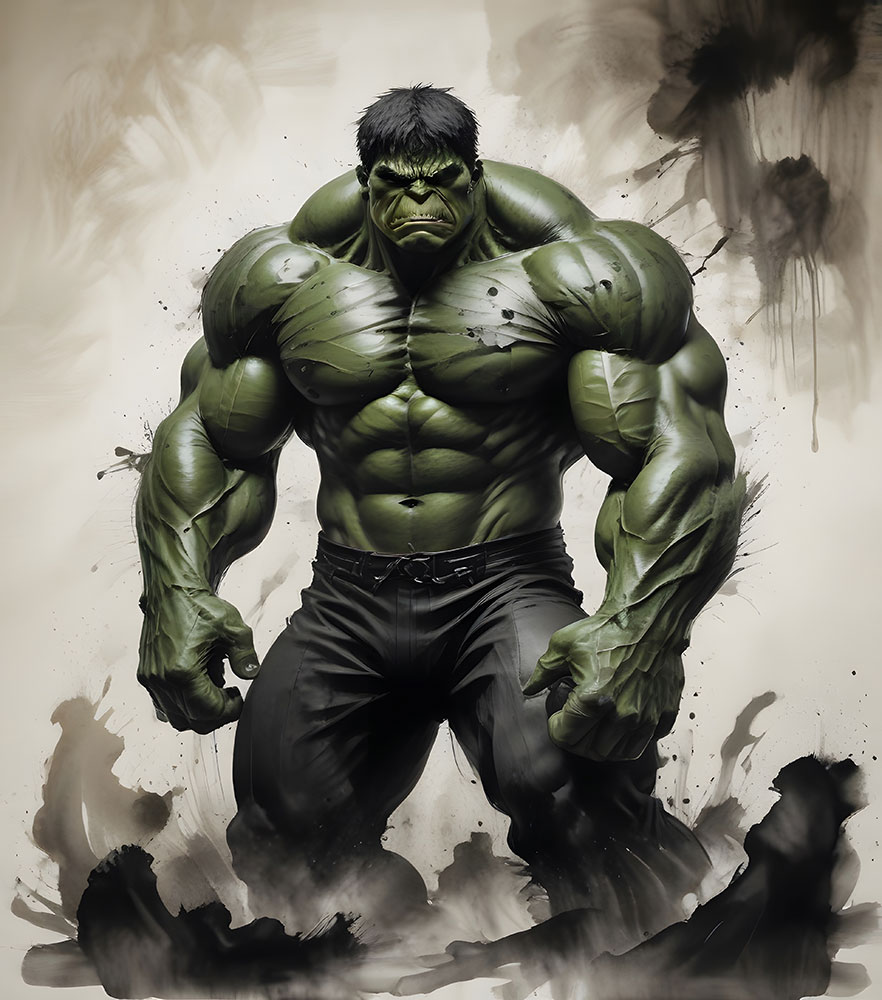
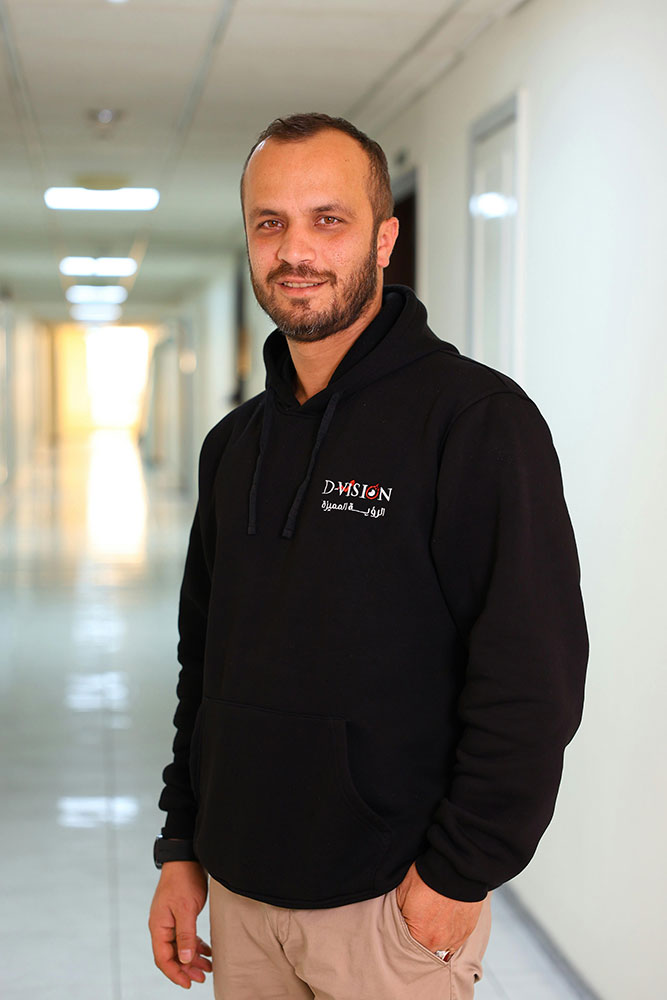
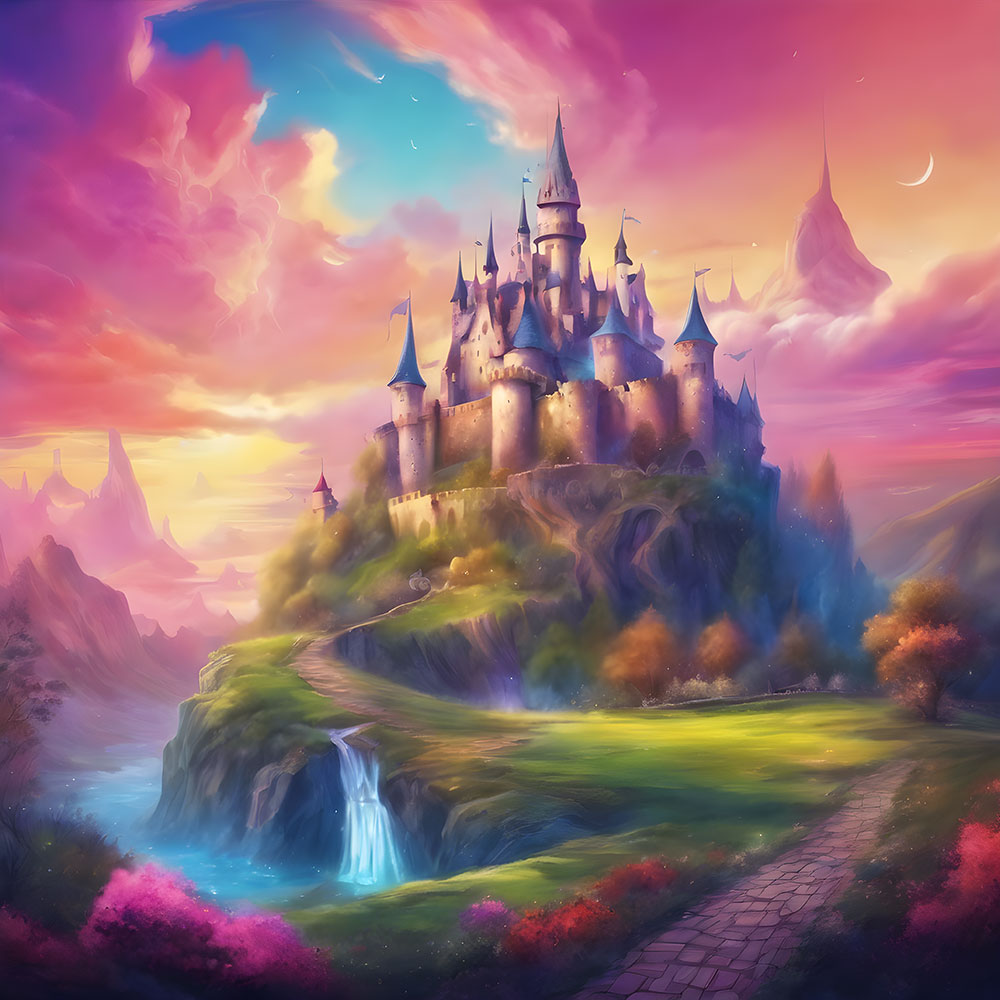
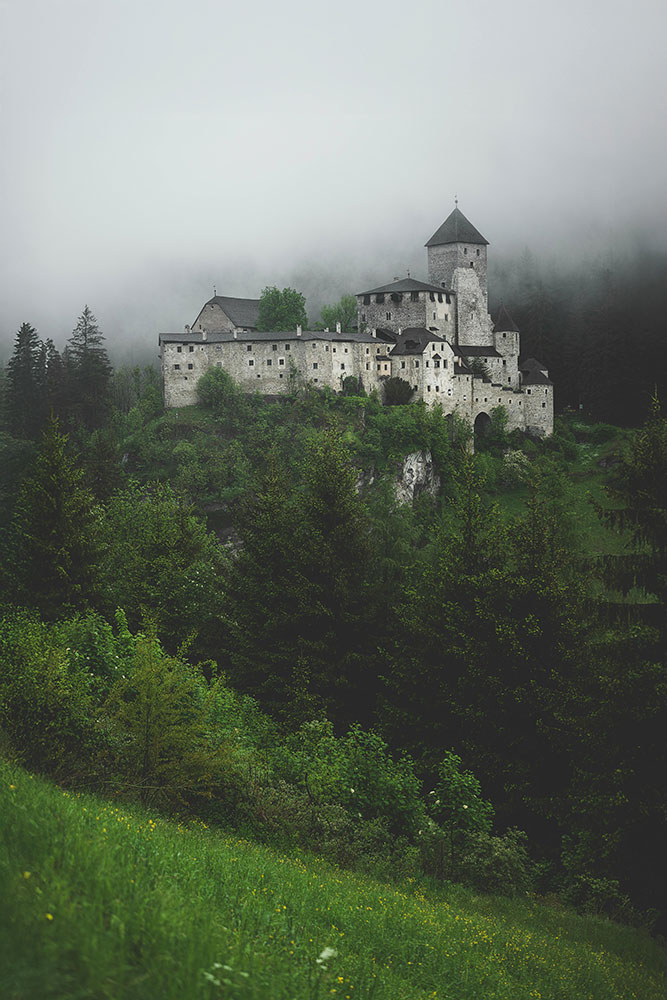
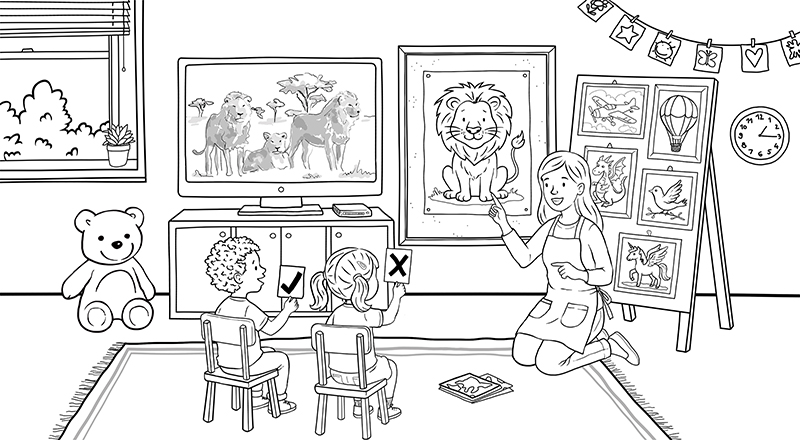
Okupite djecu i objasnite im da ćete promatrati slike ili videozapise te razmišljati o tome što je stvarno.
Primjena:
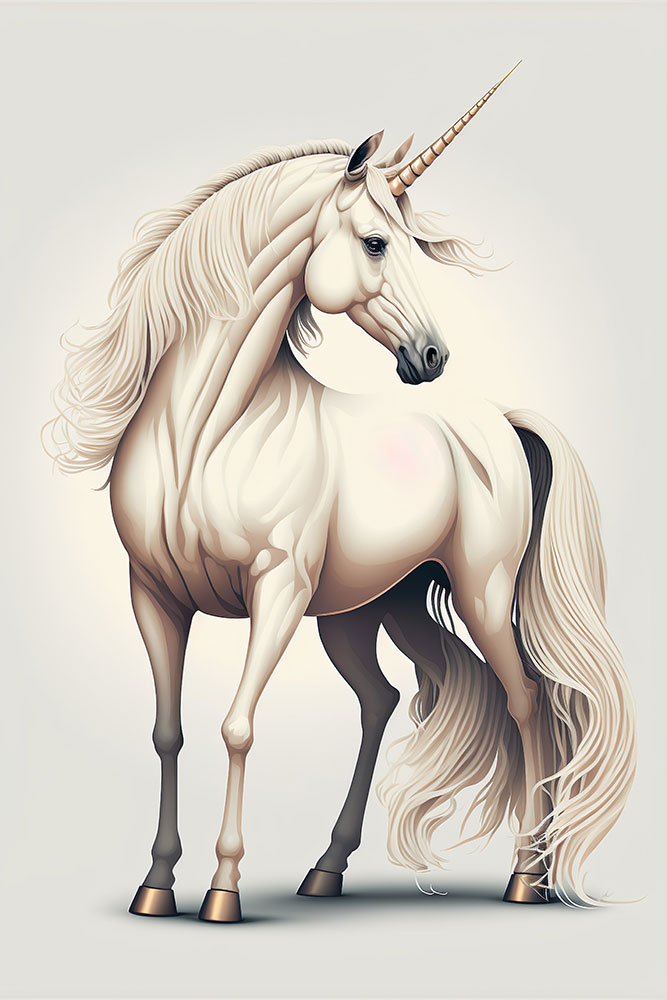
Pokažite prvi primjer (npr. pravu životinju) i razgovarajte o tome što vide.
Prikažite drugi primjer (npr. verziju životinje u stilu crtanog filma).
Postavljajte pitanja koja usmjeravaju: „Je li ovo stvarno? Može li se to dogoditi? Zašto da ili zašto ne?”
Pozovite djecu da podignu kartice s natpisom „Stvarno” ili „Nije stvarno” kako bi pokazala svoje odgovore.
Raspravite zajedno: „Kako možemo prepoznati da je nešto izmišljeno?”
Zaključite objašnjenjem da mediji ponekad prikazuju izmišljene stvari kako bi priče učinili zabavnima ili zanimljivima.
Varijacije i dodatne ideje
Koristite fotografije i crteže koje su izradila djeca.
Odigrajte igru „Stvarno ili nestvarno?” kao pokretnu igru (ustanite za „stvarno”, sjednite za „nestvarno”).
Potaknite raspravu o tome zašto ljudi stvaraju izmišljene priče (poput bajki) i kako nas one ipak mogu nečemu naučiti.
Osnovne informacije i didaktička perspektiva
Ova aktivnost upoznaje djecu s konceptom da mediji mogu prikazivati kako stvarne, tako i imaginarne svjetove. Razlikovanje tih dvaju svjetova temeljna je vještina medijske pismenosti koja potiče kritičko razmišljanje i pomaže djeci shvatiti da nije sve što vide ili čuju istinito. Kroz vođeno uspoređivanje i postavljanje pitanja, djeca uče uočavati detalje, obrazlagati svoja razmišljanja i sudjelovati u razgovoru o tome kako mediji stvaraju priče. Aktivnost jača analitičke i izražajne vještine te postavlja temelje za odgovorno korištenje medija u kasnijoj životnoj dobi.