What's Real? What's Not?
Learning to Tell the Difference Between Reality and Imagination in Media
 Rahastatud Euroopa Liidu poolt. Avaldatud seisukohad ja arvamused on ainult autori(te) omad ega pruugi kajastada Euroopa Liidu või Euroopa Hariduse ja Kultuuri Rakendusameti (EACEA) seisukohti ja arvamusi. Euroopa Liit ega EACEA nende eest ei vastuta. |
 Kogu sisu, eelkõige tekstid, pildid ja graafika, on kaitstud autoriõigusega. Kui ei ole sõnaselgelt teisiti märgitud, kuuluvad autoriõigused media.eduskills.plus ja on litsentseeritud Litsents: "Creative Commons Autorile viitamine – mittekaubanduslik - jagamine samadel tingimustel 4.0 Rahvusvaheline". Nende suhtes võivad kehtida litsentsitingimused. |
2026 media.eduskills.plus
Õpitulemused
tulemused
|
|
|
Sihtgrupp 4 aastat ja rohkem
|
|
Nõutavad materjalid
|
Tegevuse kirjeldus (samm-sammult)
Ettevalmistus:
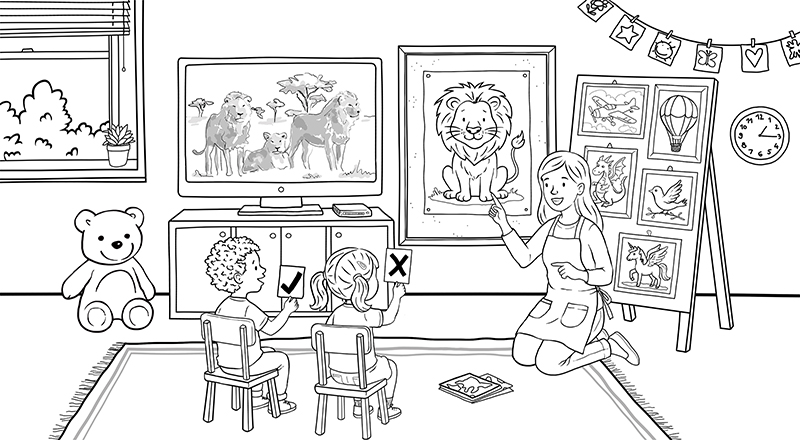
Gather children and explain that you will look at pictures or videos and think about what is real.
Tegevuse läbiviimine:
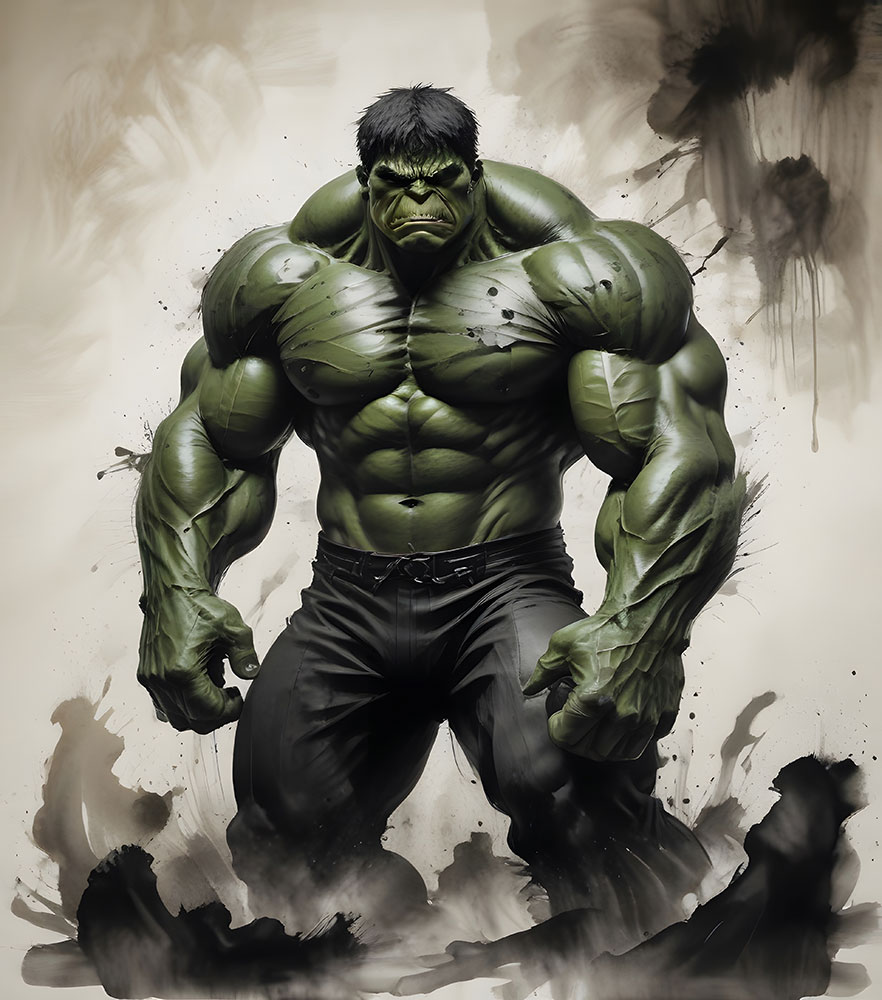
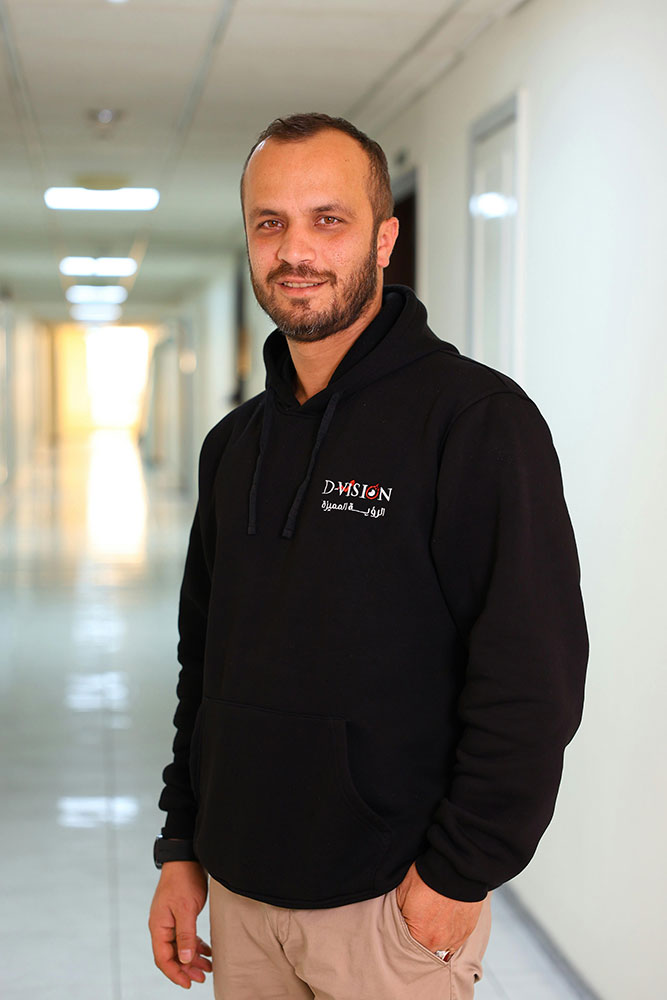
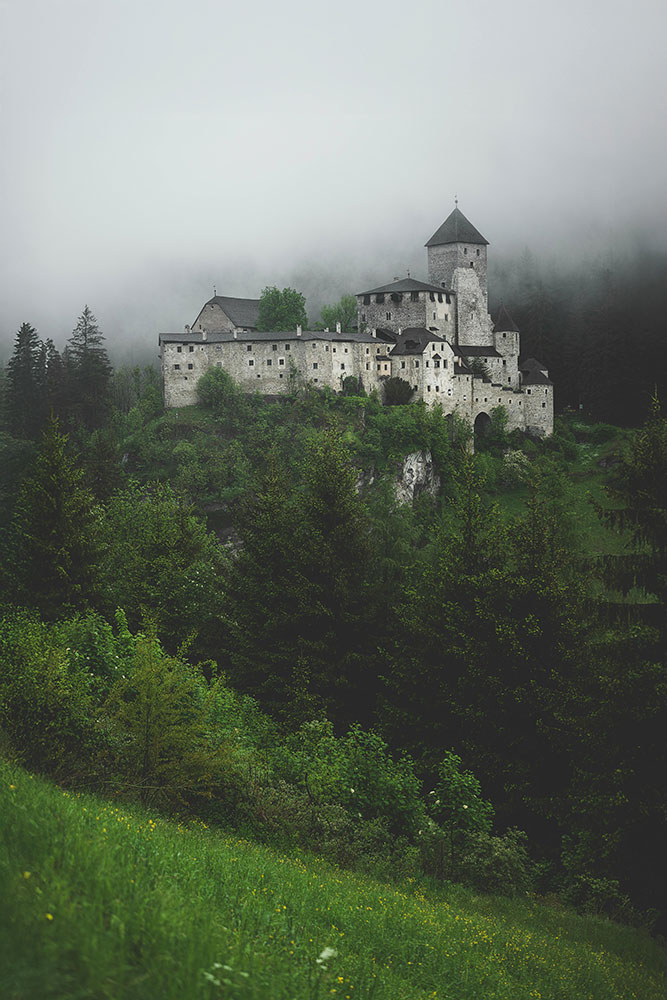
Show the first example (e.g. a real animal) and discuss what they see.
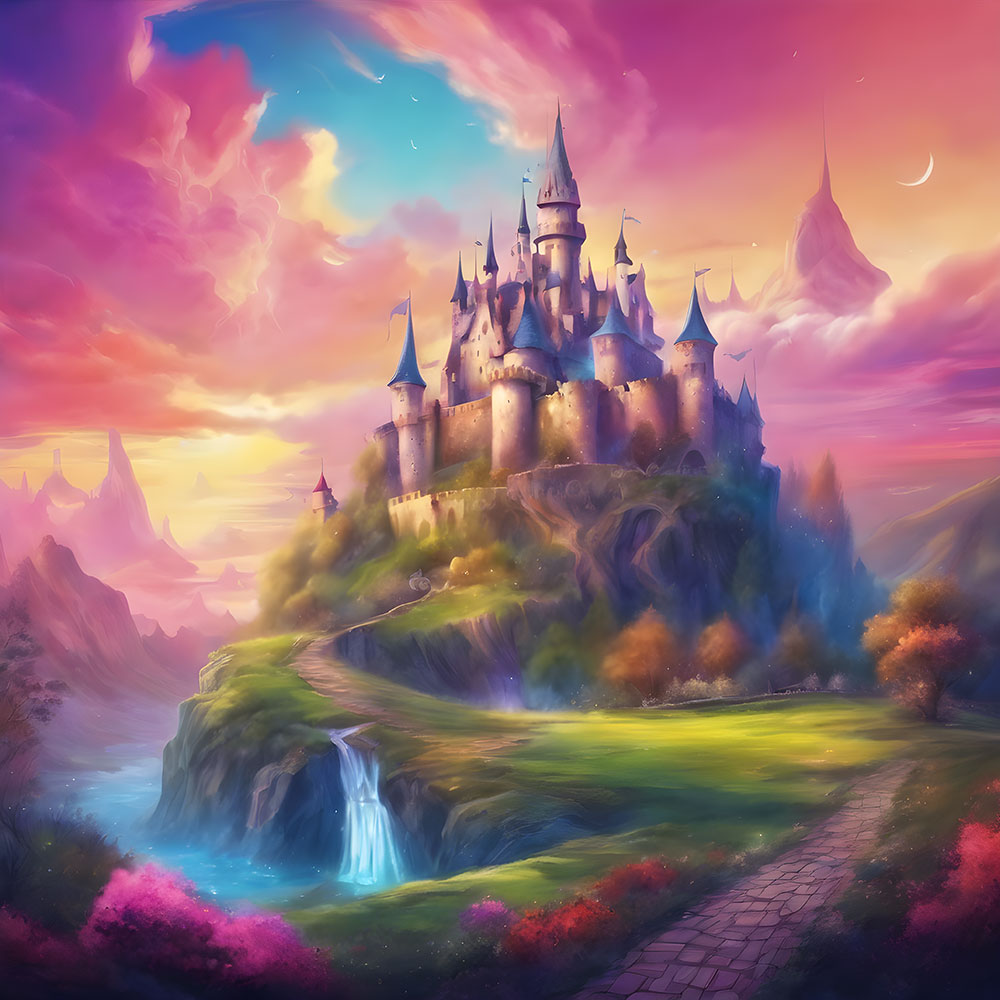
Show the second example (e.g. the cartoon version of the animal).
Ask guiding questions: "Is this real? Could this happen? Why or why not?"
Invite children to hold up "Real" or "Not Real" cards to show their answers.
Discuss together: "How can we tell something is made up?"
Conclude by explaining that media sometimes show things that are imaginary to make stories fun or interesting.
Variatsioonid ja lisaideed
Use photographs and drawings made by the children.
Play "Real or Not Real?" as a movement game (stand up for real, sit down for not real).
Introduce a discussion on why people make imaginary stories (like fairy tales) and how they can still teach us something.
Taustteave ja didaktiline perspektiiv
This activity introduces children to the concept that media can represent both real and imaginary worlds. Distinguishing between the two is a fundamental media literacy skill that supports critical thinking and helps children understand that not everything they see or hear is true. Through guided comparison and questioning, children learn to observe details, express reasoning, and engage in dialogue about how media create stories. The activity strengthens both analytical and expressive skills, laying the foundation for responsible media use later in life.
Materjalid
Pildid on laetatavad