
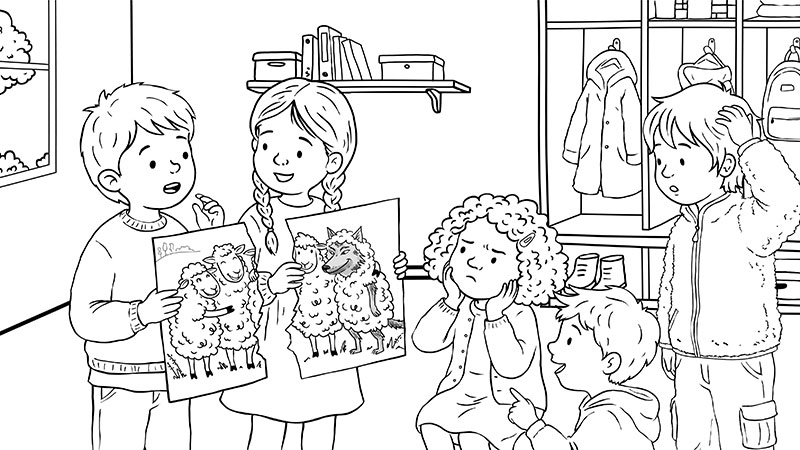
Kaj vidiš?
Ena slika, veliko zgodb
 Financirano s strani Evropske unije. Izražena stališča in mnenja so zgolj stališča in mnenja avtorja(-ev) in ni nujno, da odražajo stališča in mnenja Evropske unije ali Evropske izvajalske agencije za izobraževanje in kulturo (EACEA). Zanje ne moreta biti odgovorna niti Evropska unija niti EACEA. |
 Vse vsebine, še posebej teksti, slike in grafikoni so avtorsko zaščiteni. V kolikor izrecno ni določeno drugače, so avtorske pravice last media.eduskills.plus pod licenco Priznanje avtorstva - nekomercialna raba - brez predelav 4.0 mednarodna (CC BY - NC - ND 4.0 ). Uporabijo se lahko le v okviru licenčnih pogojev. |
2026 media.eduskills.plus
Učni izidi
Kompetence
|
|
|
Ciljna skupina |
|
Potrebni pripomočki
|
Opis aktivnosti (po korakih)
Predpriprava
Izberite eno ali več fotografij, ki prikazujejo vsakdanje situacije, vendar nimajo enega samega očitnega pomena. Še posebej primerne so slike z ljudmi, izraženimi čustvi ali medsebojnimi interakcijami.
Uporabite lahko tudi fotografije iz Knjižnice fotografij. Izberite slike, ki omogočajo različne interpretacije in spodbujajo pogovor.
Implementacija
Otrokom pokažite izbrano sliko.
Najprej jih povabite, da jo pozorno opazujejo in opišejo, kaj vidijo.
- Kaj vidiš na tej sliki?
- Kaj opaziš?
Otroke spodbujajte, da se najprej osredotočijo na vidne podrobnosti, še brez razlage ali interpretacije.
V naslednjem koraku jih povabite, da povedo, kaj menijo, da se na sliki dogaja.
- Kaj se tukaj dogaja?
- Zakaj tako misliš?
Zberite različne odgovore in omogočite več različnih razlag.
Poudarite, da lahko različni otroci na isti sliki opazijo različne stvari.
Lahko pokažete tudi le majhen del slike (na primer izrezan detajl). Otroke vprašajte, kaj mislijo, da vidijo. Nato pokažite celotno sliko in se pogovorite o tem, kaj se je spremenilo ter katere nove informacije so postale vidne.
Refleksija
Skupaj se pogovorite o izkušnji.
- Ali smo vsi videli isto stvar?
- Ali smo imeli različne ideje o tem, kaj se dogaja?
- Zakaj lahko isto sliko razumemo na različne načine?
Otrokom lahko razložite, da slike ne pripovedujejo vedno samo ene zgodbe. Ljudje jih lahko razumejo različno, odvisno od tega, kaj opazijo in kaj si mislijo.
Različice in dodatne ideje
Otroci lahko narišejo svojo različico zgodbe, ki jo vidijo na sliki.
Interpretacije lahko primerjate tudi s starši, tako da družine vprašate, kaj vidijo na isti sliki.
Uporabite več različnih slik in primerjajte, kako se interpretacije spreminjajo od ene slike do druge.
Osnovne informacije in didaktična perspektiva
Ta aktivnost otroke uvaja v razumevanje, da lahko slike interpretiramo na različne načine. Spodbuja zgodnjo medijsko pismenost skozi opazovanje, pogovor in razmislek. Otroci se učijo, da pomen ni vedno enoznačen, temveč je lahko odvisen od perspektive, pozornosti in preteklih izkušenj.
Ob delu z odprtimi podobami in deljenju različnih interpretacij otroci razvijajo jezikovne spretnosti, empatijo ter sposobnost upoštevanja različnih pogledov. Aktivnost jih hkrati uvaja v osnovno razumevanje, kako mediji predstavljajo resničnost in kako nastaja pomen.