
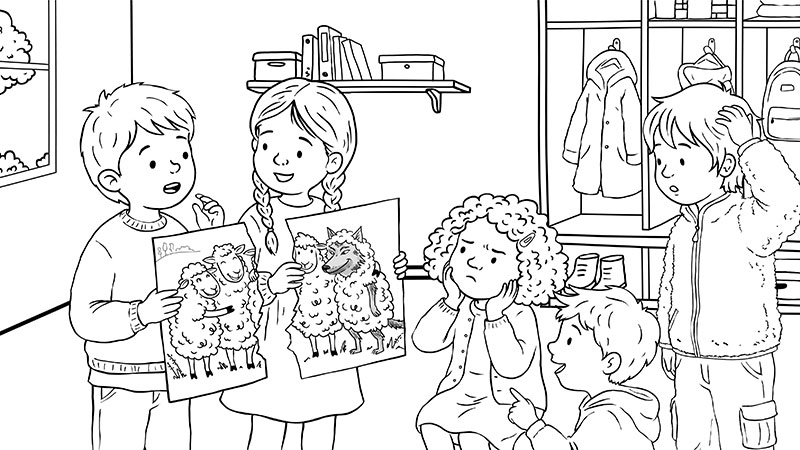
Što vidiš?
Jedna slika, mnoga tumačenja
 Financirano sredstvima Europske unije. Izneseni stavovi i mišljenja su stavovi i mišljenja autora i ne moraju se podudarati sa stavovima i mišljenjima Europske unije ili Europske izvršne agencije za obrazovanje i kulturu (EACEA). Ni Europska unija ni EACEA ne mogu se smatrati odgovornima za njih. |
 Svi sadržaji, a posebno tekstovi, slike i grafikoni, su zaštićeni autorskim pravima. Vlasnik autorskih prava, ukoliko nije drugačije označeno, je media.eduskills.plus, a autorsko pravo je definirano licencom Creative Commons Imenovanje-Nekomercijalno-Dijeli pod istim uvjetima 4.0 Međunarodna. Autorska prava mogu biti definirana uvjetima licence. |
2026 media.eduskills.plus
Ishodi učenja
Kompetencije
|
|
|
Ciljna skupina |
|
Potrebni materijali
|
Opis aktivnosti (korak po korak)
Priprema:
Odaberite jednu ili više fotografija koje prikazuju svakodnevne situacije, ali nemaju jedno očito značenje. Posebno su prikladne slike s ljudima, emocijama ili interakcijama.
Možete koristiti i fotografije iz fototeke. Odaberite slike koje dopuštaju različita tumačenja i potiču na raspravu.
Primjena:
Pokažite djeci jednu sliku.
Najprije im predložite da pažljivo promatraju i opišu ono što vide.
- Što vidiš na ovoj slici?
- Što možeš primijetiti?
Potaknite djecu da se usredotoče na vidljive detalje, a da ih pritom još ne tumače.
U sljedećem koraku pozovite djecu da podijele što misle da se događa na slici.
- Što se ovdje događa?
- Zašto to misliš? Obrazloži.
Prikupite različite odgovore i dopustite višestruka tumačenja.
Istaknite da svatko može vidjeti, uočiti različite stvari na istoj slici.
Možete prikazati i samo mali dio slike (na primjer, izrezani detalj). Pitajte djecu što misle da vide. Zatim otkrijte cijelu sliku. Razgovarajte o tome što se promijenilo i koje su nove informacije postale vidljive.
Refleksija:
Razgovarajte zajedno o tom iskustvu.
- Jesu li svi vidjeli istu stvar?
- Je li bilo različitih mišljenja o tome što se događa?
- Zašto se jedna slika može shvatiti na različite načine?
Možete objasniti da slike ne pričaju uvijek samo jednu priču. Ljudi ih mogu shvatiti na različite načine, ovisno o tome što primijete i o čemu razmišljaju.
Varijacije i dodatne ideje
Djeca mogu nacrtati vlastitu verziju priče koju vide na slici.
Tumačenja možete usporediti s roditeljima tako da pitate obitelji što vide na istoj slici.
Upotrijebite nekoliko slika i usporedite kako se tumačenja mijenjaju od jedne slike do druge.
Osnovne informacije i didaktička perspektiva
Ova aktivnost upoznaje djecu s idejom da se slike mogu tumačiti na različite načine. Potiče ranu medijsku pismenost poticanjem promatranja, rasprave i promišljanja. Djeca uče da značenje nije fiksno, već može ovisiti o perspektivi, usmjerenoj pažnji i prethodnim iskustvima.
Radeći s otvorenim slikama i dijeleći različita tumačenja, djeca razvijaju jezične vještine, empatiju i sposobnost sagledavanja više gledišta. Aktivnost također pruža temeljno razumijevanje načina na koji mediji prikazuju stvarnost i kako se gradi značenje.