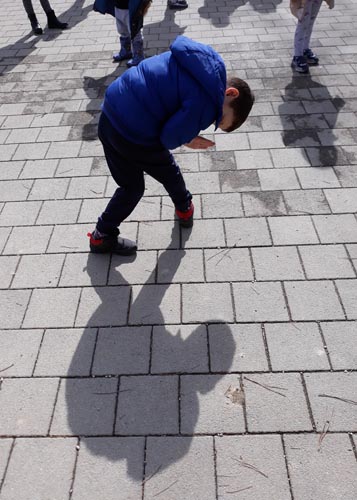

That’s me!
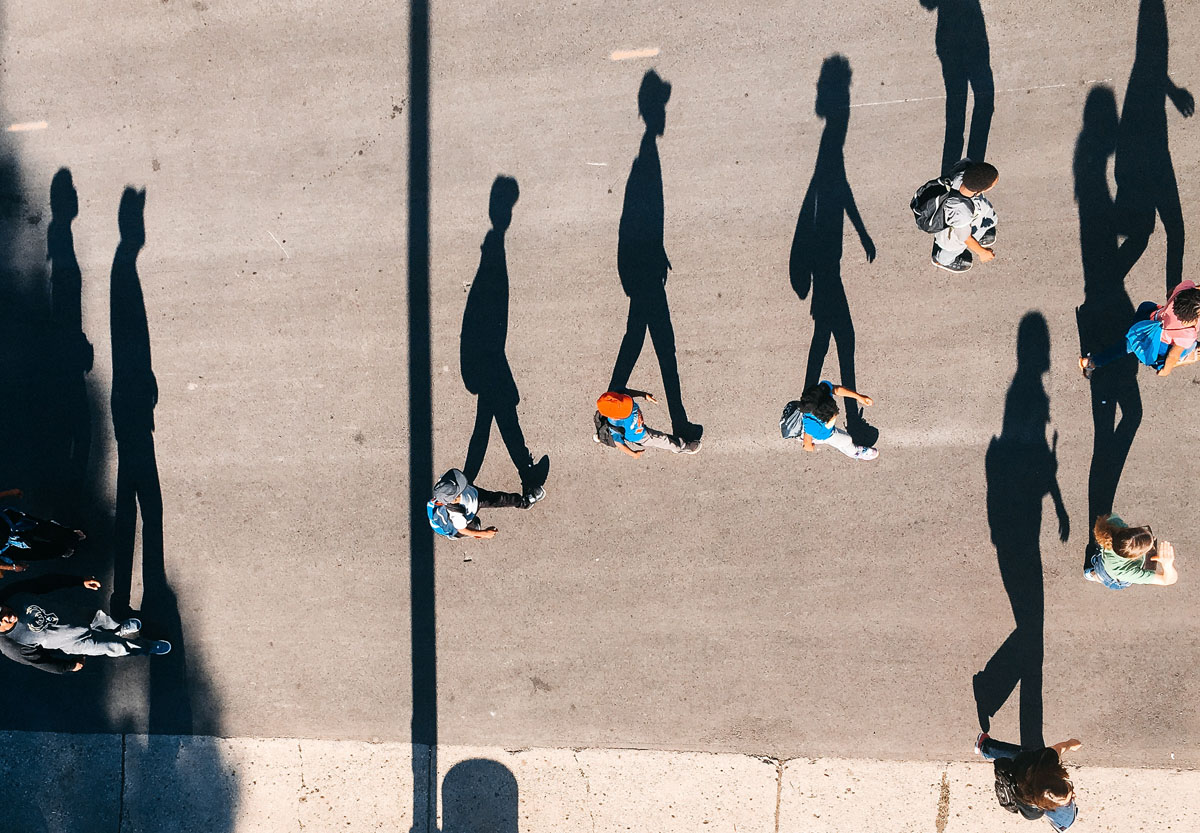
Playing with shadows
 Funded by the European Union. Views and opinions expressed are however those of the author(s) only and do not necessarily reflect those of the European Union or the European Education and Culture Executive Agency (EACEA). Neither the European Union nor EACEA can be held responsible for them. |
 All contents, in particular texts, pictures and graphics, are protected by copyright. Unless expressly stated otherwise, copyright is held by media.eduskills.plus and is licensed under Creative Commons Attribution - Non-commercial - Distribution under the same conditions 4.0 International license. They may be subject to the terms of the license. |
2026 media.eduskills.plus
Learning outcomes
Competencies
|
|
|
Target group 5 years and up
|
|
Required materials
|
Description of the activity (step by step)
Preparation:
Initiate a discussion about shadows. When do they occur? When can we see them and when not? When are they very visible? Can we try to create them? Use a flashlight to demonstrate how shadows occur and how shadows can move. Head out in the sun and observe shadows created by the sun.
Implementation:
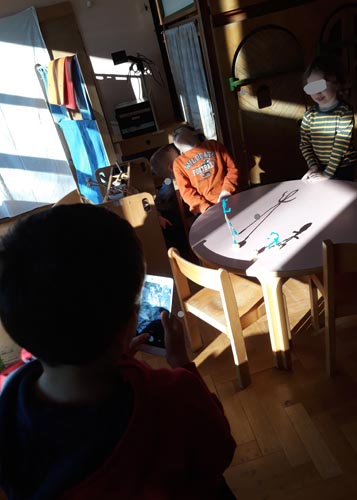
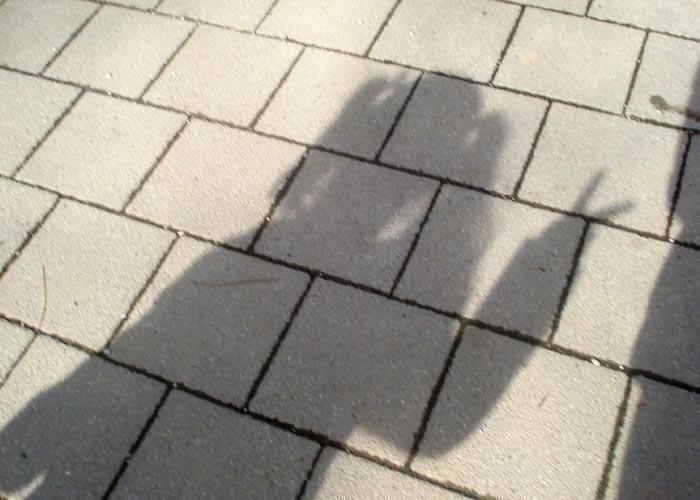
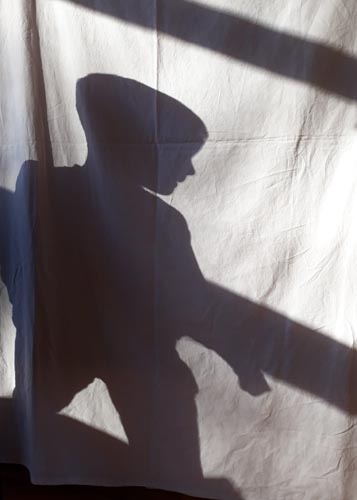
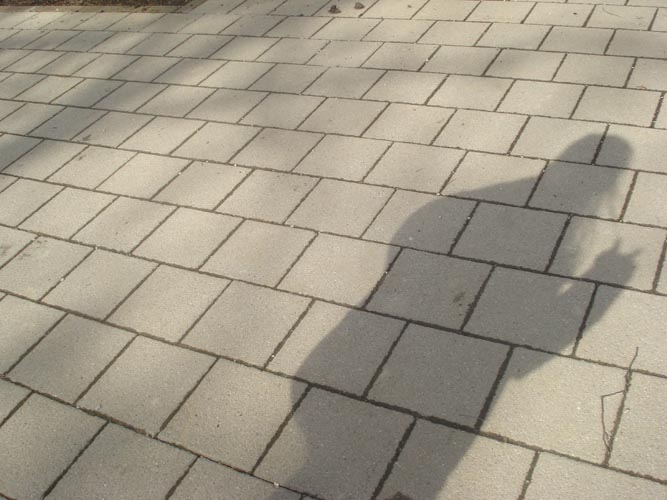
Encourage children to use different light sources (sun, flashlight, lamps, etc.) to create shadows with their bodies and body parts and photograph them. Children can work individually, in pairs, or small groups and try out different shots (photograph the whole shadow or only a part of it, e.g. hands or face) to capture their body shadows.
Reflection:
Each child selects a photograph of their body-shadow. Print them out. Children then draw on their shadow to express how they experience themselves (they can draw a face, glasses, hair, different ornaments, etc.). Children present their photos independently and the educator exhibits them in the exhibition space.
Variations and additional ideas
Play a guessing game and let the children guess which shadow belongs to which child.
Photo prints can be cut, laminated, and used as a prop in the shadow theater.
Use different light sources to make shadow puppets.
Create figures out of clay and wire and photograph their shadows.
Make it a group activity: print out a shadow and glue it in the middle of a big paper. Children can continue the picture by drawing on it with pencils or crayons.
Background information and didactical perspective
Photography offers the opportunity for introspection and the possibility to quickly capture the moment. We can express our thoughts, attitudes, and feelings through photography. Children usually express their experience of self and their relationship with the environment through drawings. By offering them a camera, we encourage them to express themselves in a new way; they can gain a new tool for creativity and self-expression.
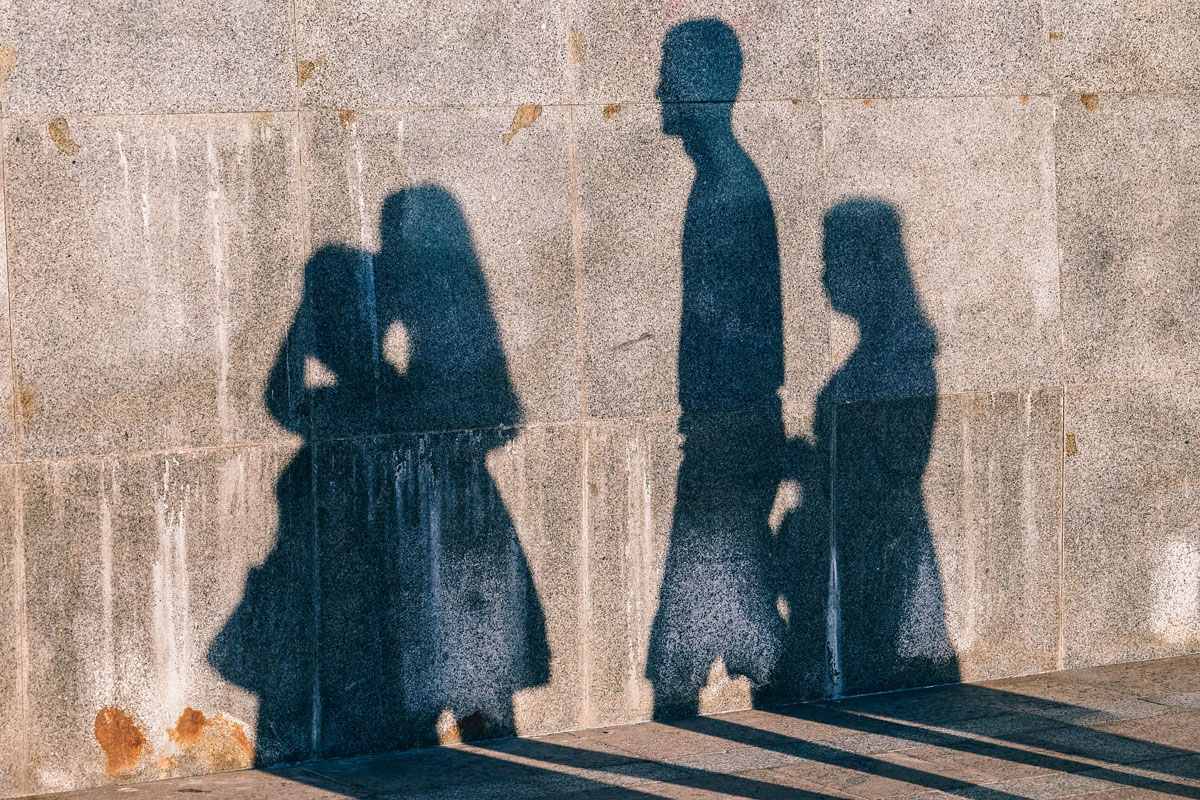


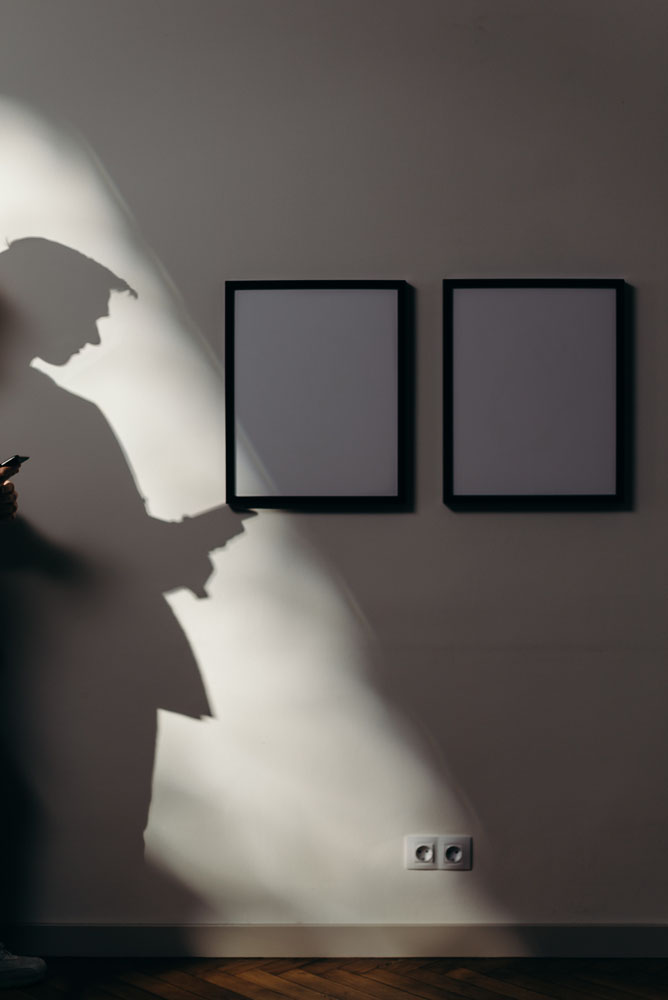
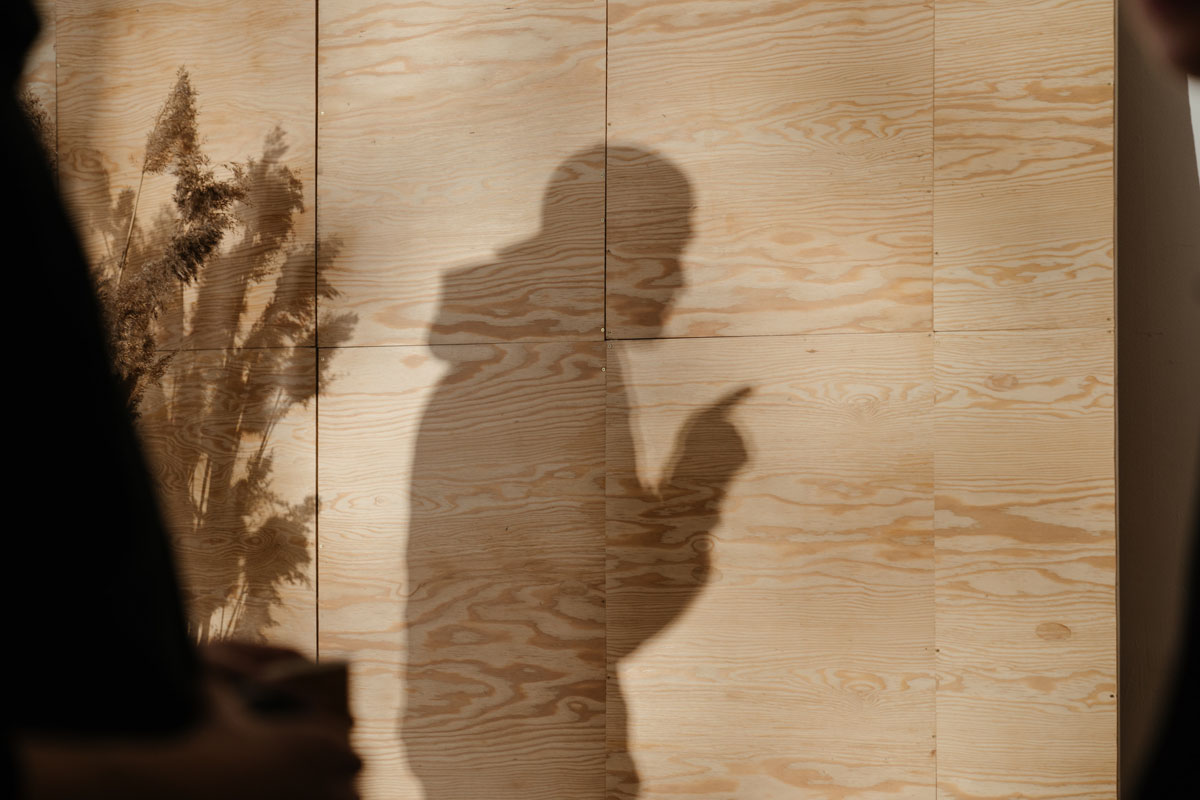
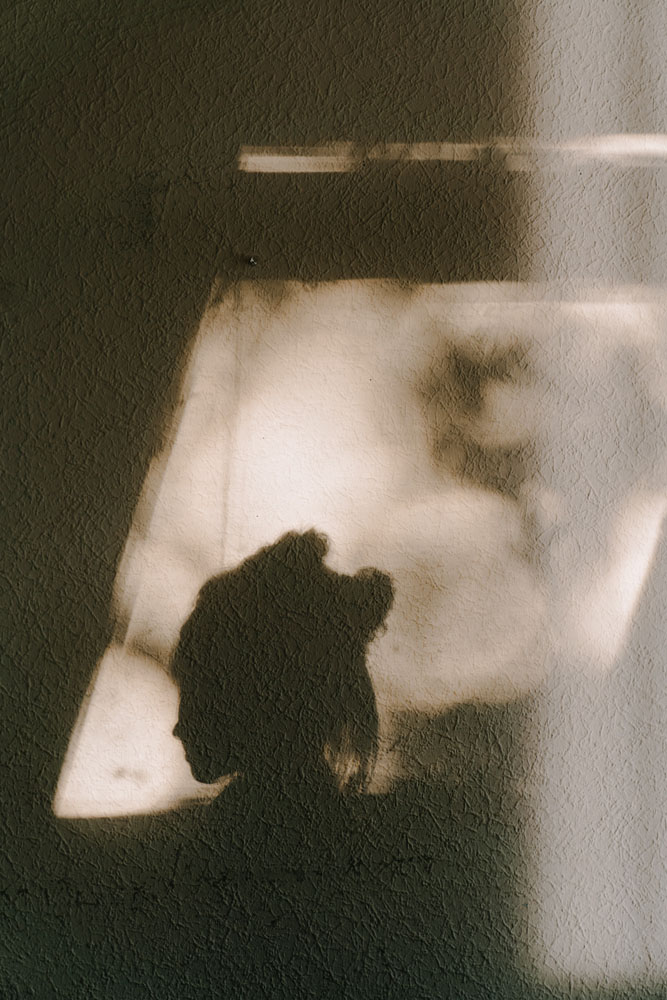
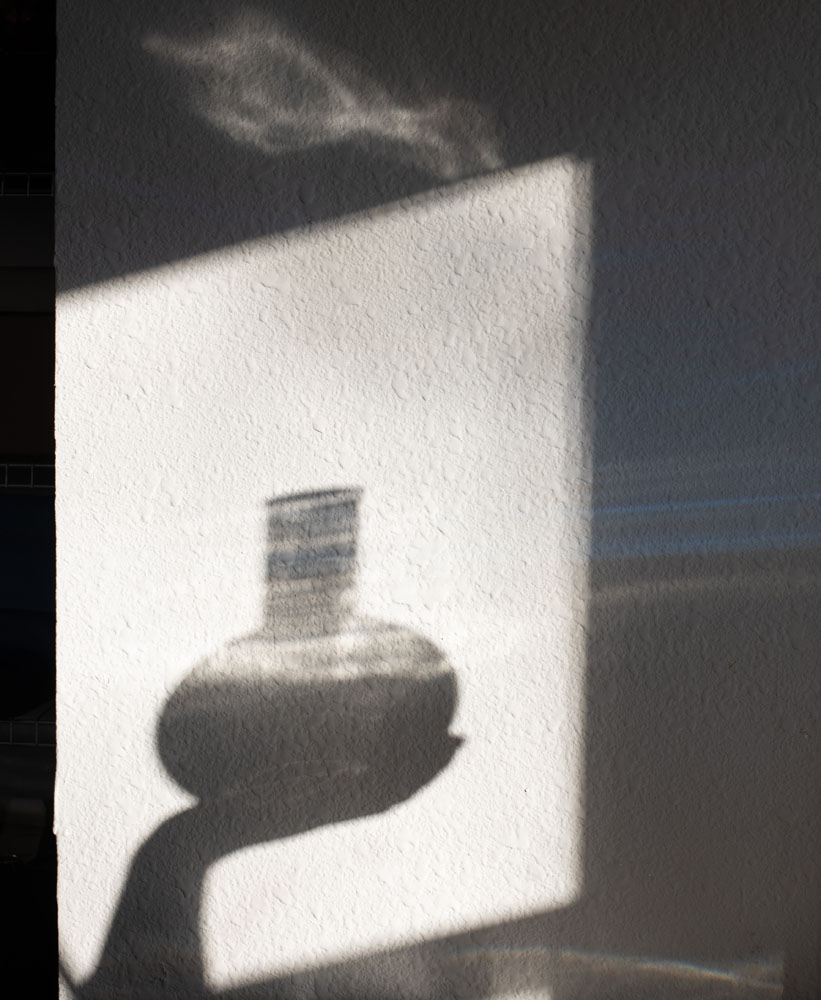
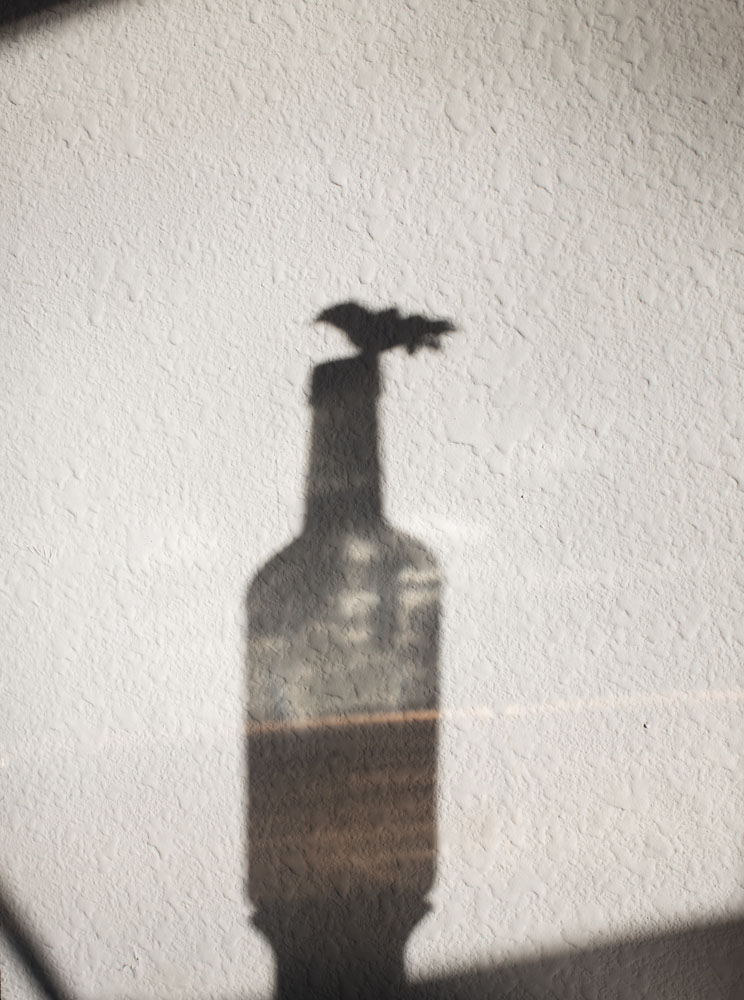
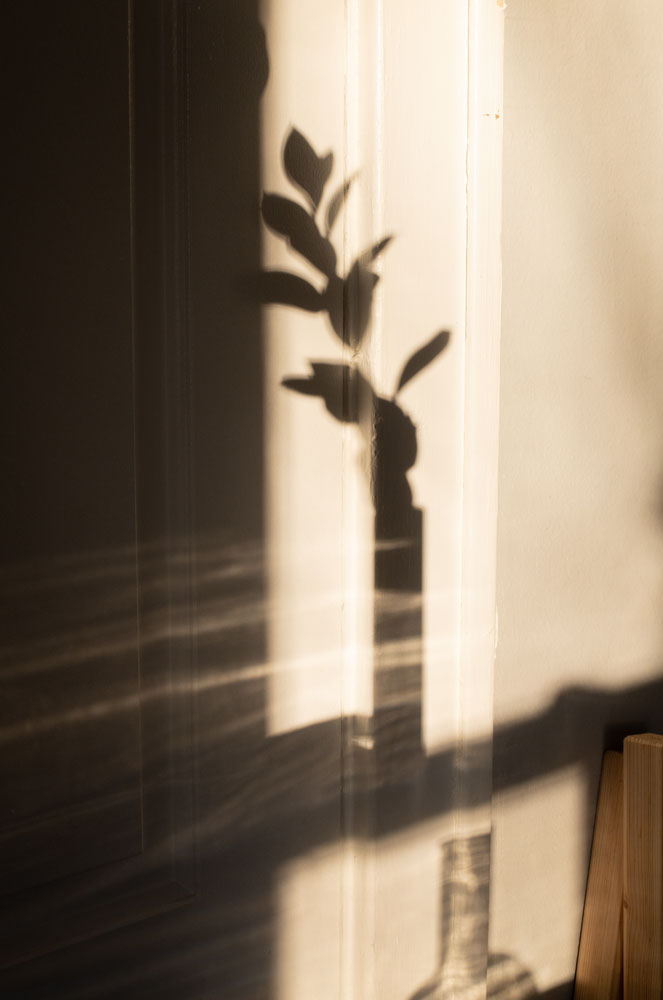

Photos of the activity