Televizija ABC
Nastup na vrtićkoj televiziji
 Financirano sredstvima Europske unije. Izneseni stavovi i mišljenja su stavovi i mišljenja autora i ne moraju se podudarati sa stavovima i mišljenjima Europske unije ili Europske izvršne agencije za obrazovanje i kulturu (EACEA). Ni Europska unija ni EACEA ne mogu se smatrati odgovornima za njih. |
 Svi sadržaji, a posebno tekstovi, slike i grafikoni, su zaštićeni autorskim pravima. Vlasnik autorskih prava, ukoliko nije drugačije označeno, je media.eduskills.plus, a autorsko pravo je definirano licencom Creative Commons Imenovanje-Nekomercijalno-Dijeli pod istim uvjetima 4.0 Međunarodna. Autorska prava mogu biti definirana uvjetima licence. |
2026 media.eduskills.plus
Ishodi učenja
Kompetencije
|
|
|
Ciljna skupina 5 godina i više
|
|
Potrebni materijali
|
Opis aktivnosti (korak po korak)
Priprema:
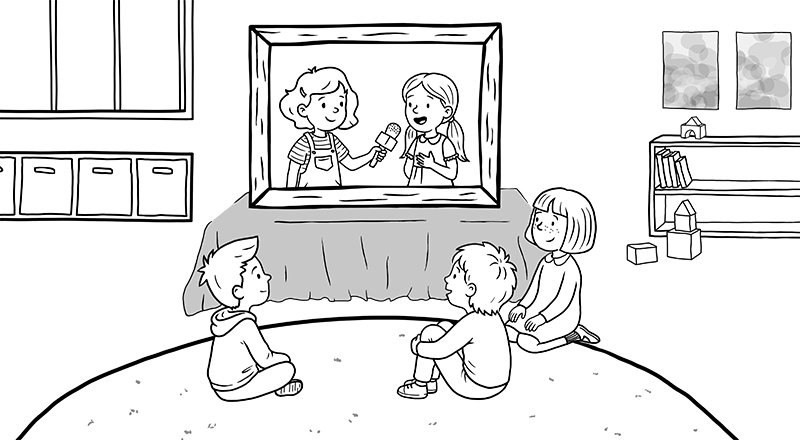
Odgojiteljica pita djecu što vole gledati na televiziji. Djeca daju odgovore, na primjer crtiće, filmove, pjesme, dječje programe. Odgojiteljica pita gledaju li ikada vijesti. Djeca gledaju snimku dječjih vijesti.
Primjena:
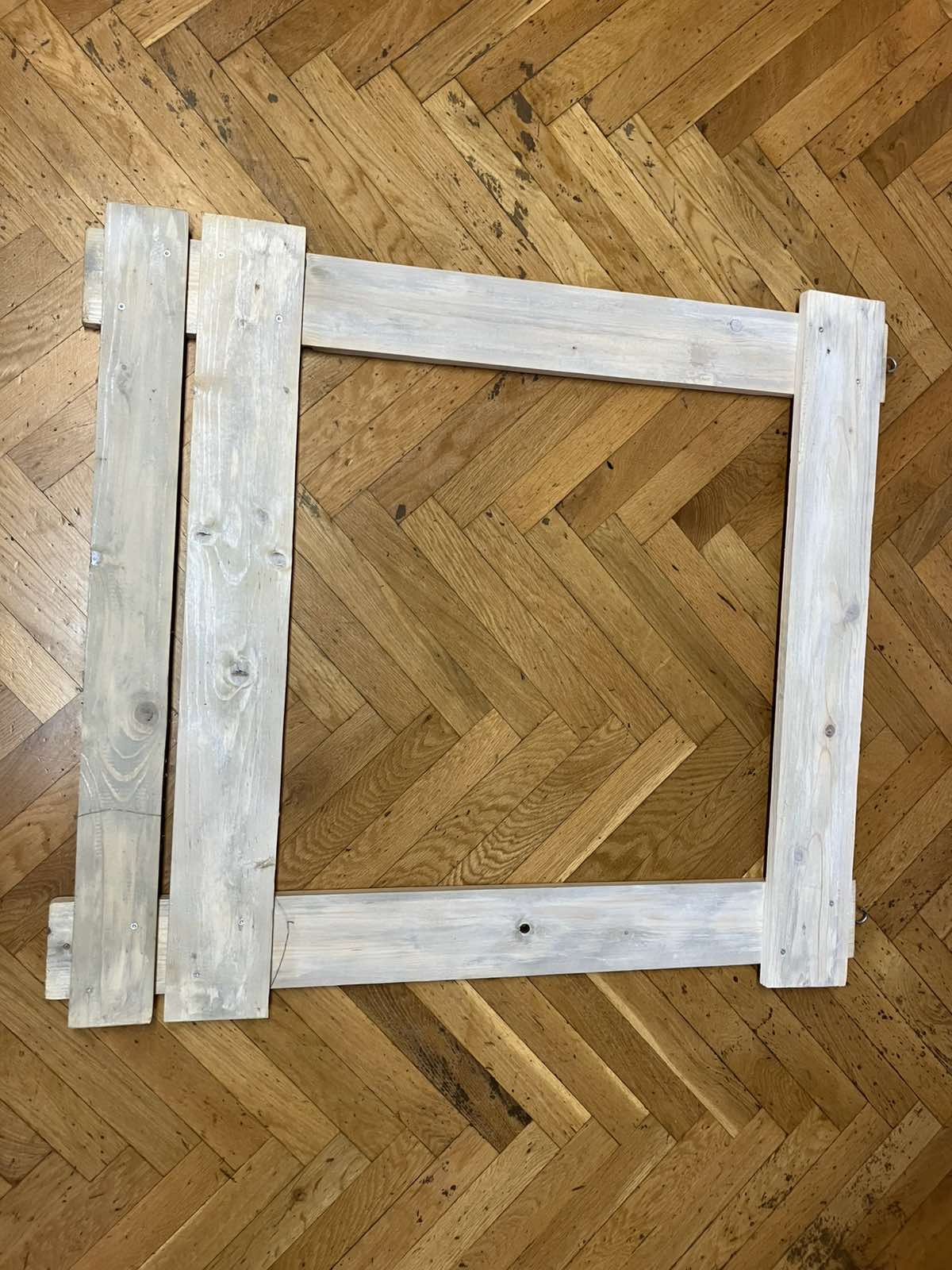
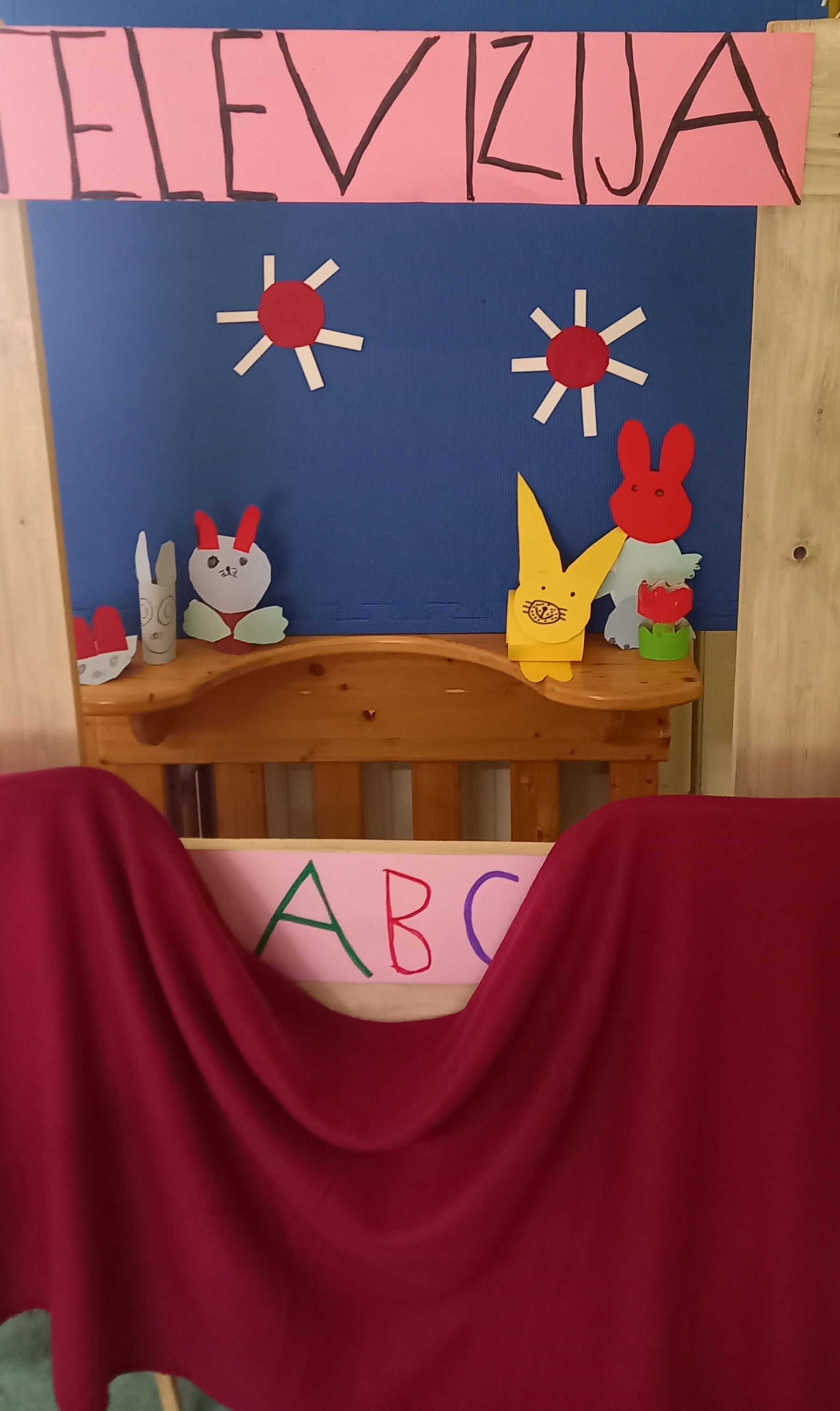
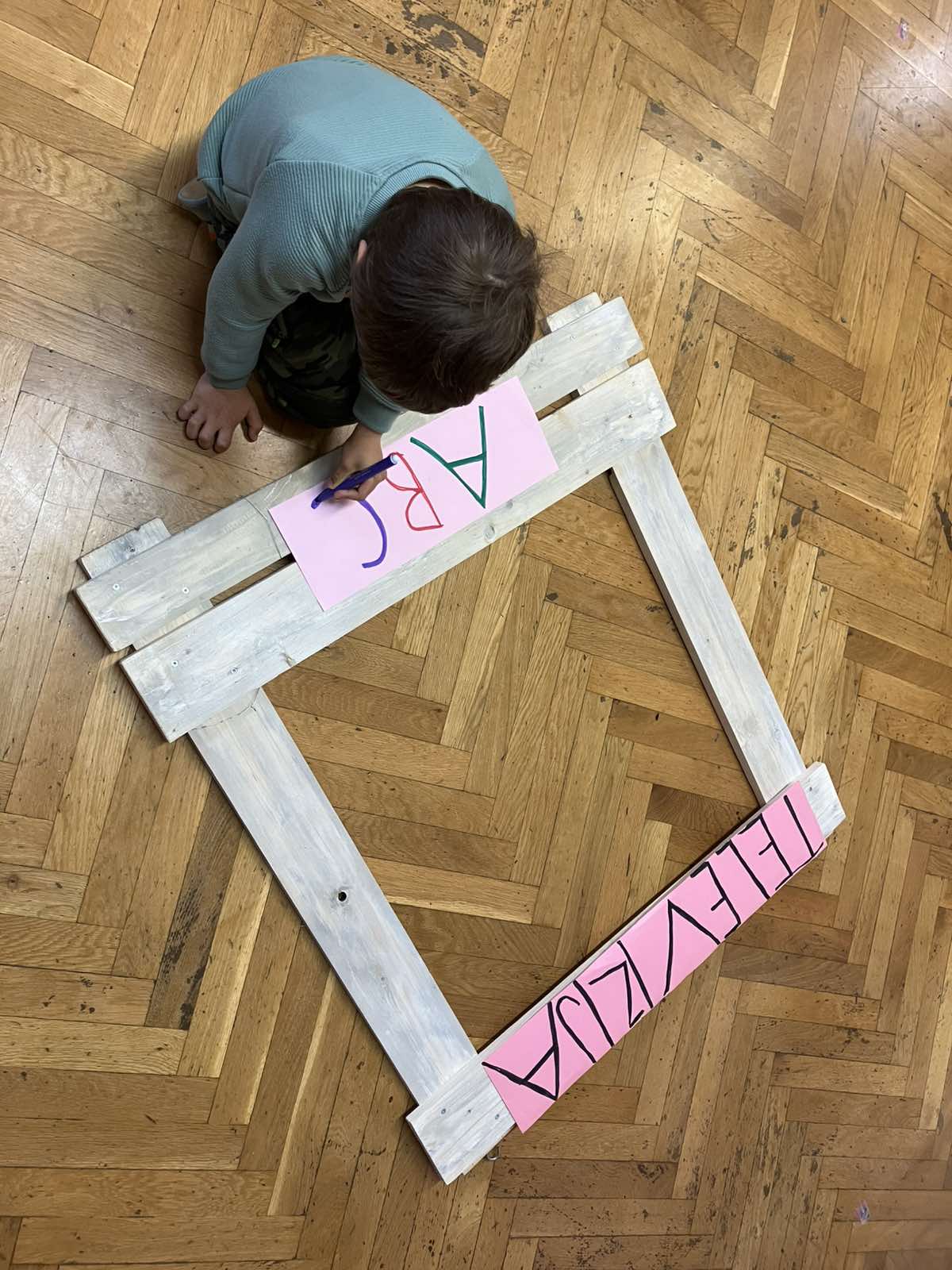
Odgojiteljica pita djecu kako bi mogli napraviti vlastiti televizor: koje bi materijale koristili, kako bi ga izgradili, gdje bi ga postavili i slična pitanja. Djeca predlažu ideje za izradu televizora, a odgojiteljica ih zapisuje. Zajedno istražuju i traže načine za izradu televizora. Uz pomoć domara i od ostatka drva, izrađuju vlastiti televizor.
Odgojiteljica poziva djecu da izmisle naziv za televiziju ili program. Djeca predlažu nazive, a zatim podizanjem ruku biraju onaj s najviše glasova.
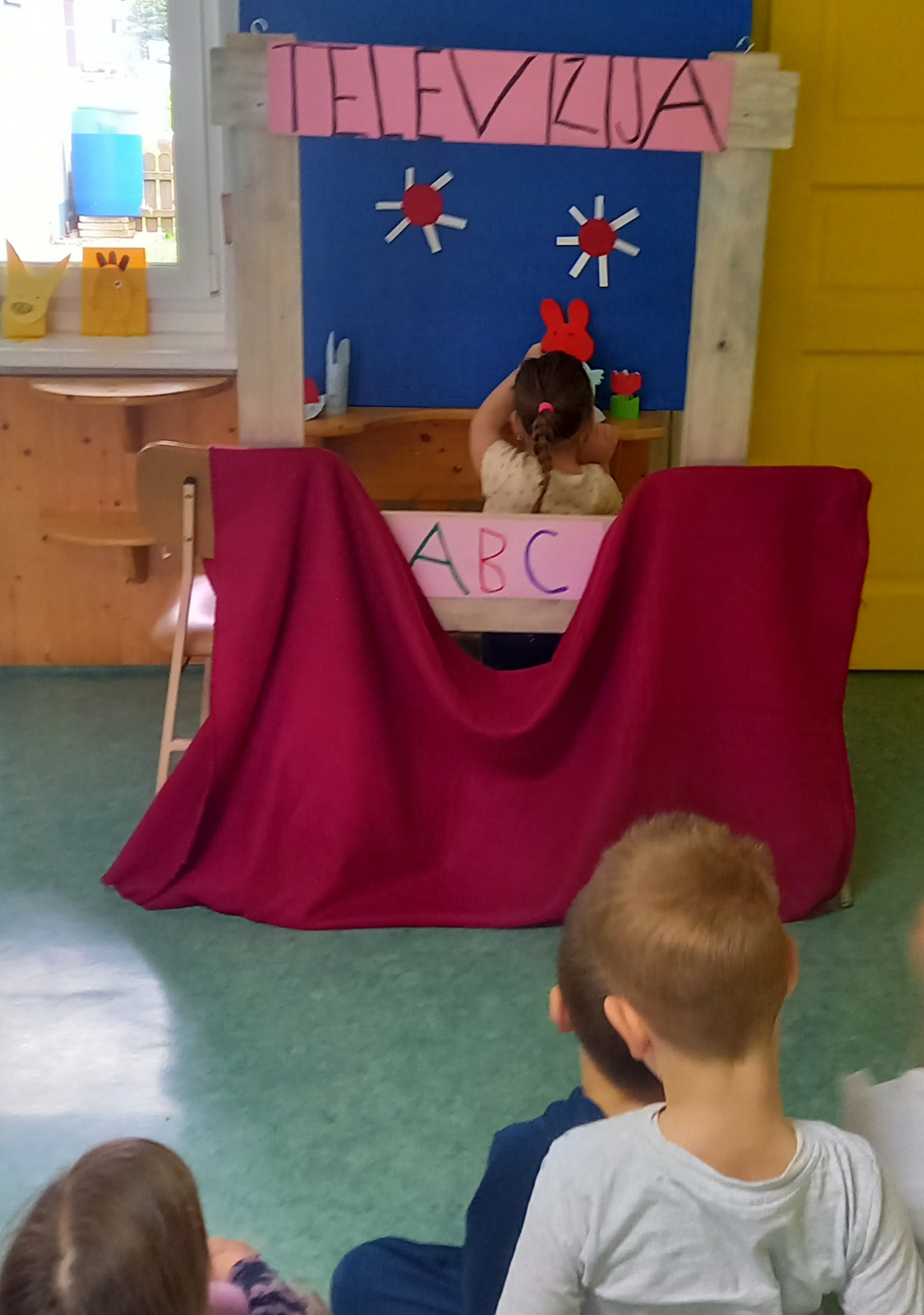
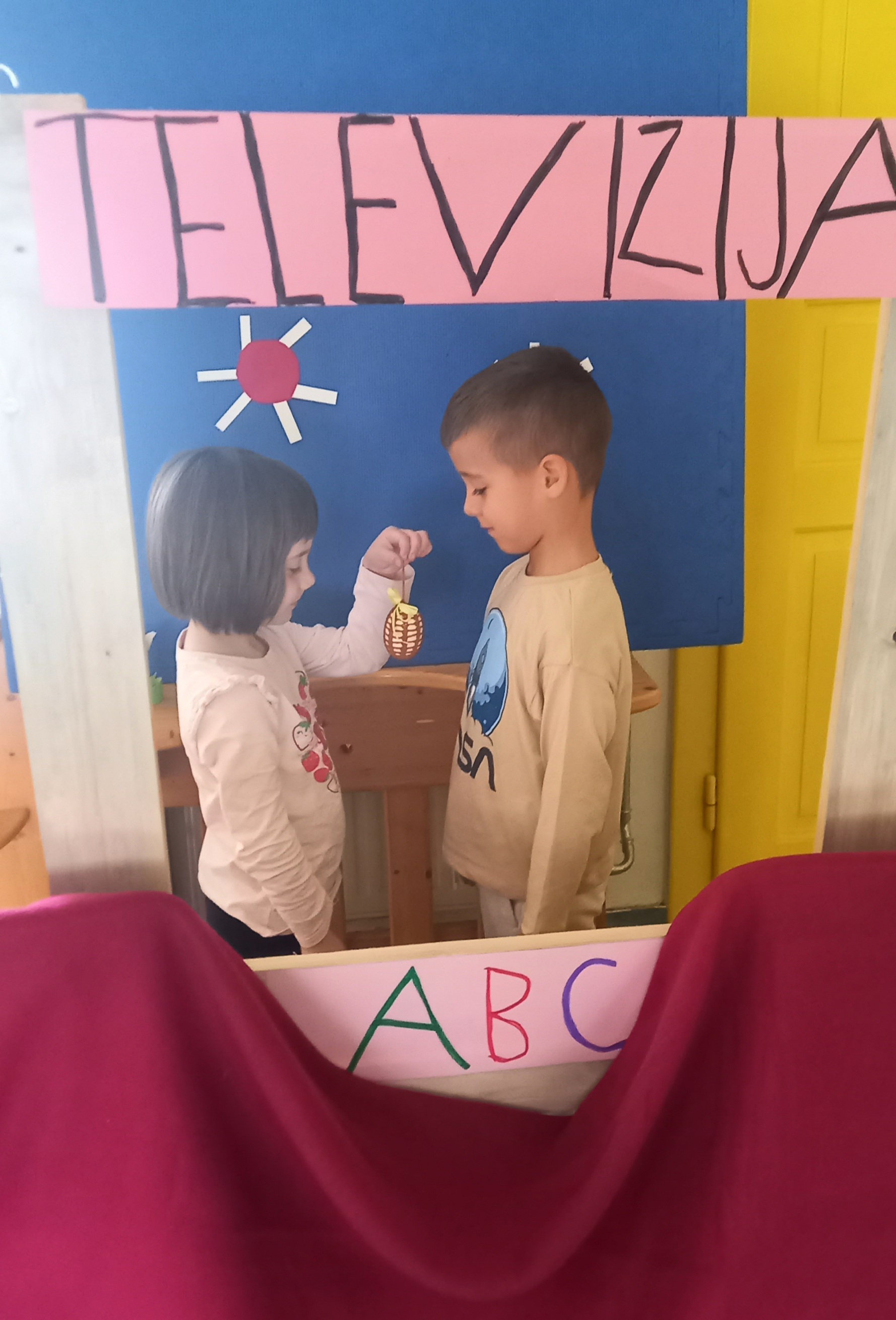
Kada je televizor spreman, djeca isprobavaju uloge novinara, voditelja ili komentatora. Kao temu koriste vizualne materijale izložene na zidu (na primjer vrste plesa). Odgojiteljica snima djecu. Odgojiteljica se također pojavljuje u ulozi voditelja, a djeca ju snimaju.
Refleksija:
Djeca gledaju svoje snimke. Odgojiteljica potiče djecu na razmišljanje pitanjima:
- Kako ste se osjećali dok ste nastupali na televiziji?
- Što je bilo teško?
- Što ti se svidjelo?
- Što bismo mogli sljedeći put snimiti na televiziji?
Varijacije i dodatne ideje
Mogu se koristiti okviri izrađeni od različitih materijala, poput kartona ili drvenih štapića.
Oblik rada može biti fleksibilan. Djeca mogu stvarati različite televizijske programe s različitim temama.
Osnovne informacije i didaktička perspektiva
Ova aktivnost upoznaje djecu s osnovnim medijskim ulogama kroz igru i preuzimanje uloga. Stvaranjem vlastite televizije i nastupom kao voditelji ili novinari, djeca grade samopouzdanje, komunikacijske vještine i svijest o tome kako se stvara televizijski sadržaj. Gledanje i promišljanje o snimkama podržava samoizražavanje i pomaže djeci da postupno prevladaju tremu u podržavajućem okruženju.
Iskustvo iz vrtića
Cijela aktivnost trajala je nekoliko dana, jer je bilo potrebno prikupiti materijal za izradu televizora i samu konstrukciju. Tema plesa odabrana je jer su djeca nakon plesne aktivnosti pokazala veliki interes za fotografije različitih plesova izložene na zidu sobe dnevnog boravka. Neka djeca su već imala puno znanja o plesu i podijelila su ga sa svojim vršnjacima. Svako dijete je bez poteškoća nastupilo na vrtićkom televizoru i pričalo o fotografijama. Većina djece se smijala gledajući vlastite snimke i snimke svojih vršnjaka. Djeca su rekla da su uživala u ulozi voditelja i da su htjeli snimiti još jednu emisiju.
Fotografije aktivnosti