Television ABC
Performing on the Kindergarten Television
 Funded by the European Union. Views and opinions expressed are however those of the author(s) only and do not necessarily reflect those of the European Union or the European Education and Culture Executive Agency (EACEA). Neither the European Union nor EACEA can be held responsible for them. |
 All contents, in particular texts, pictures and graphics, are protected by copyright. Unless expressly stated otherwise, copyright is held by media.eduskills.plus and is licensed under Creative Commons Attribution - Non-commercial - Distribution under the same conditions 4.0 International license. They may be subject to the terms of the license. |
2026 media.eduskills.plus
Learning outcomes
Competencies
|
|
|
Target group 5 years and up
|
|
Required materials
|
Description of the activity (step by step)
Preparation:
The teacher asks the children what they like to watch on television. The children give answers, for example cartoons, films, songs, children's programmes. The teacher asks whether they ever watch the news. The children watch a recording of news programmes for children.
Implementation:
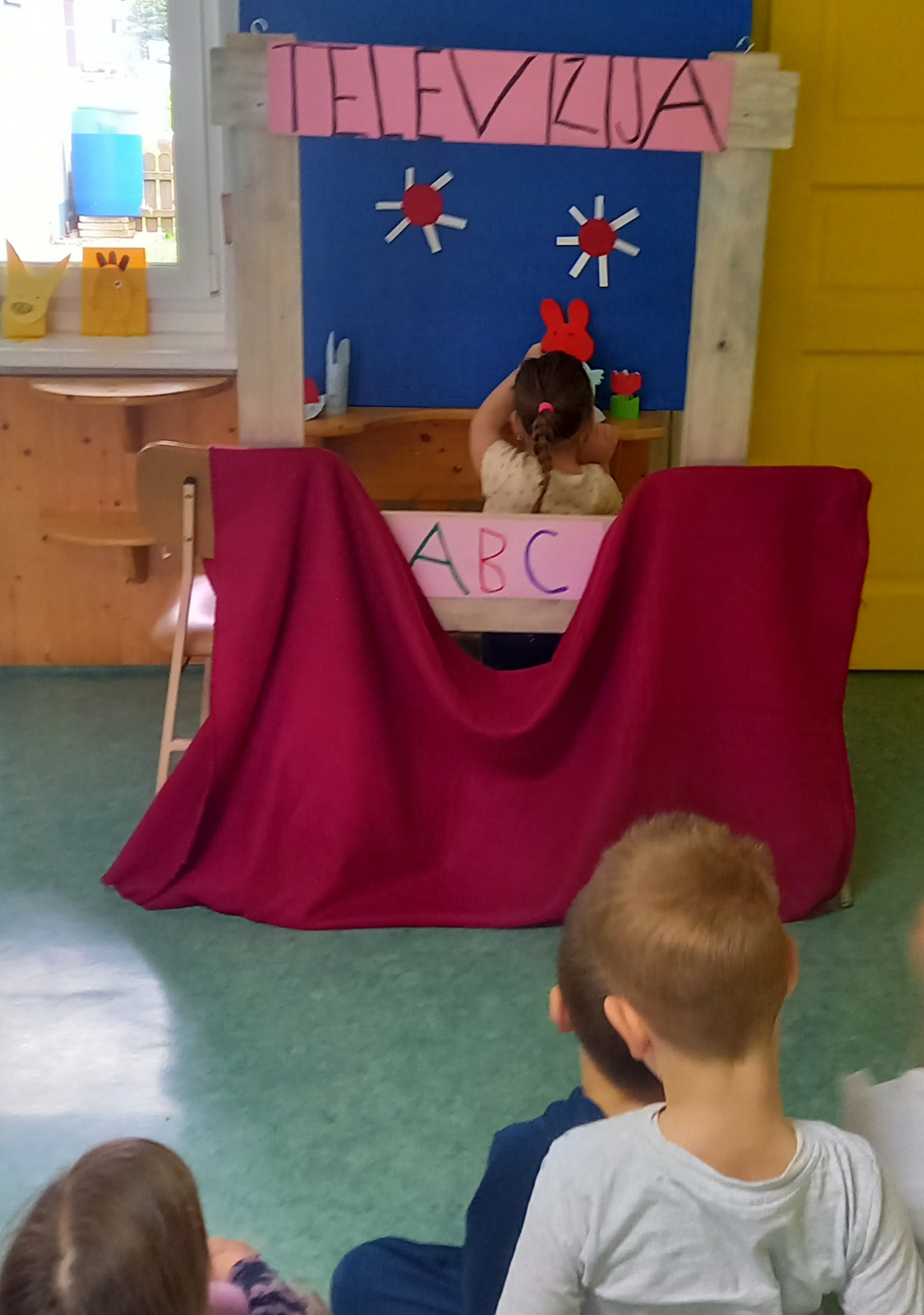
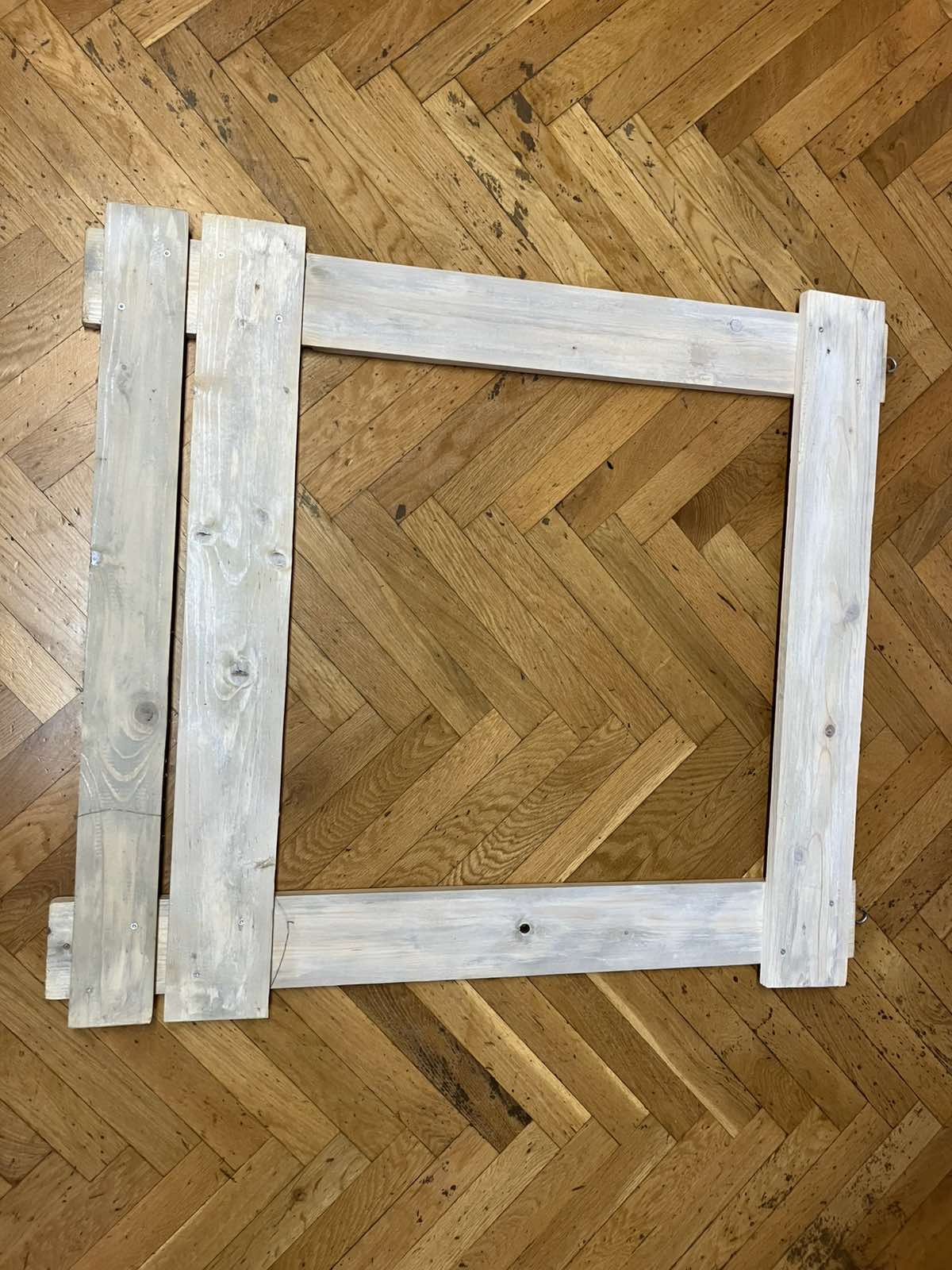
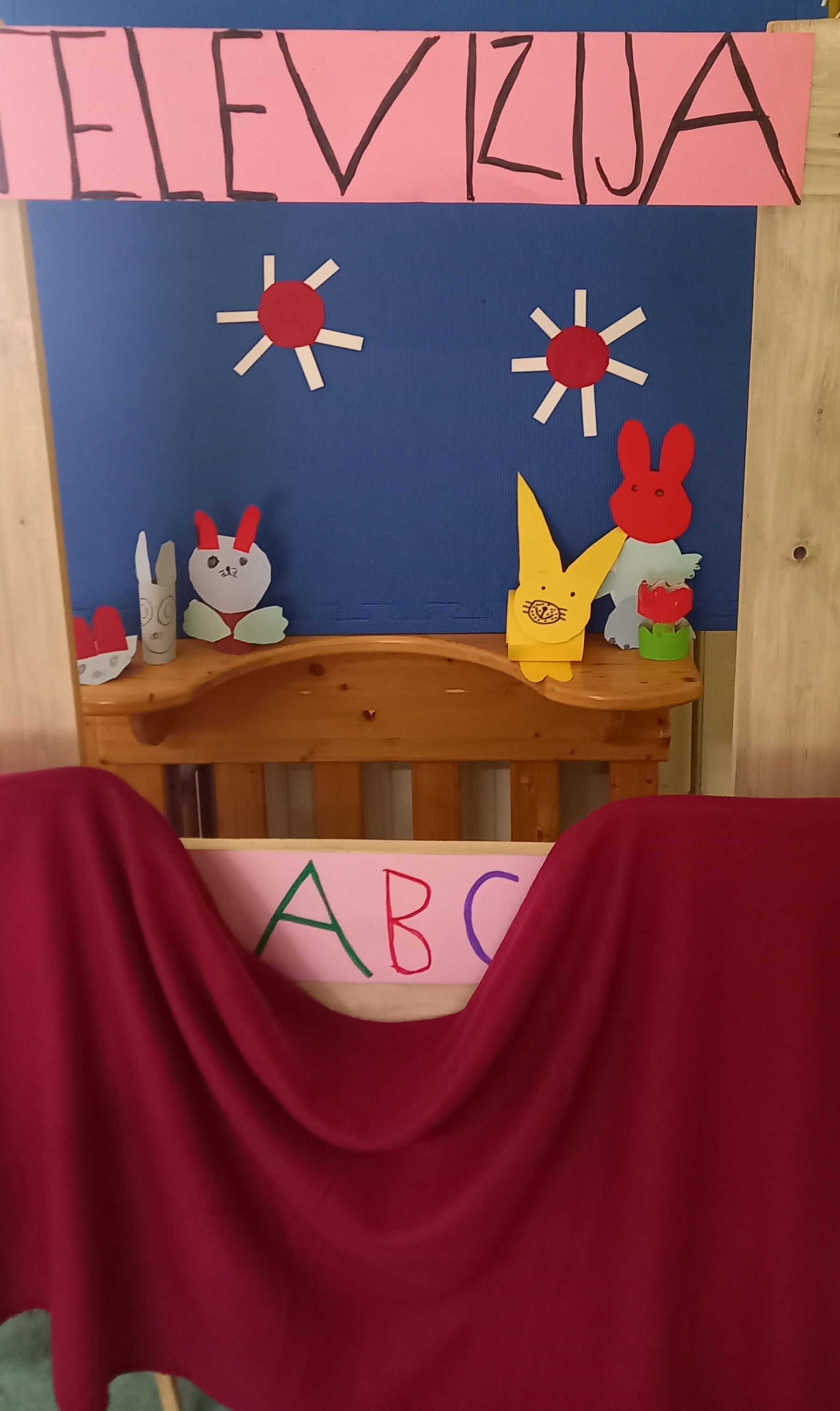
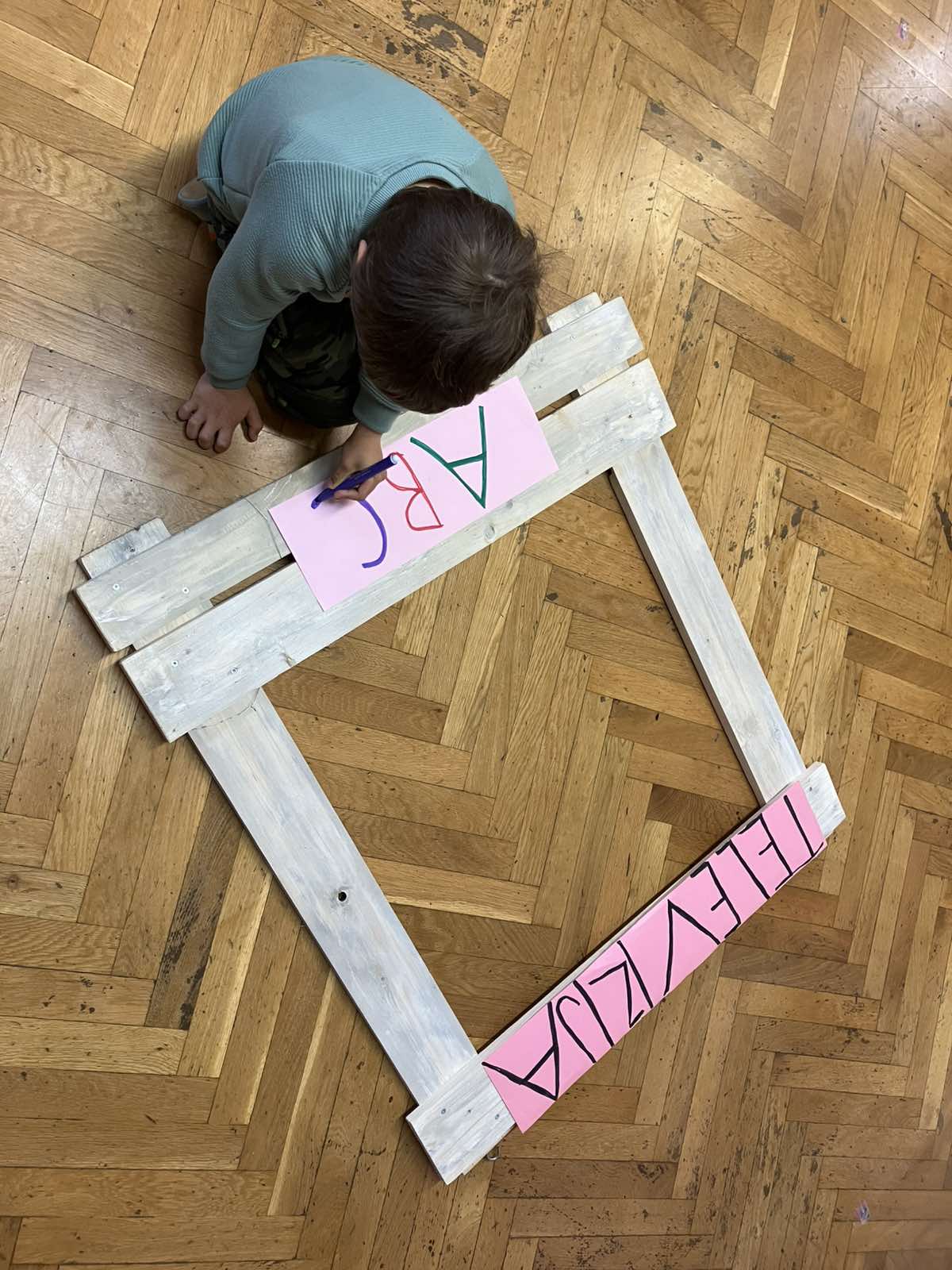
The teacher asks the children how they could make their own television: what materials they would use, how they would build it, where they would place it, and similar questions. The children suggest ideas for making the television, and the teacher writes them down. Together they explore and look for ways to build the television. With the help of the caretaker and leftover wood, they make their own television.
The teacher invites the children to invent a name for the television or programme. The children suggest names and then choose the one with the most votes by raising their hands.
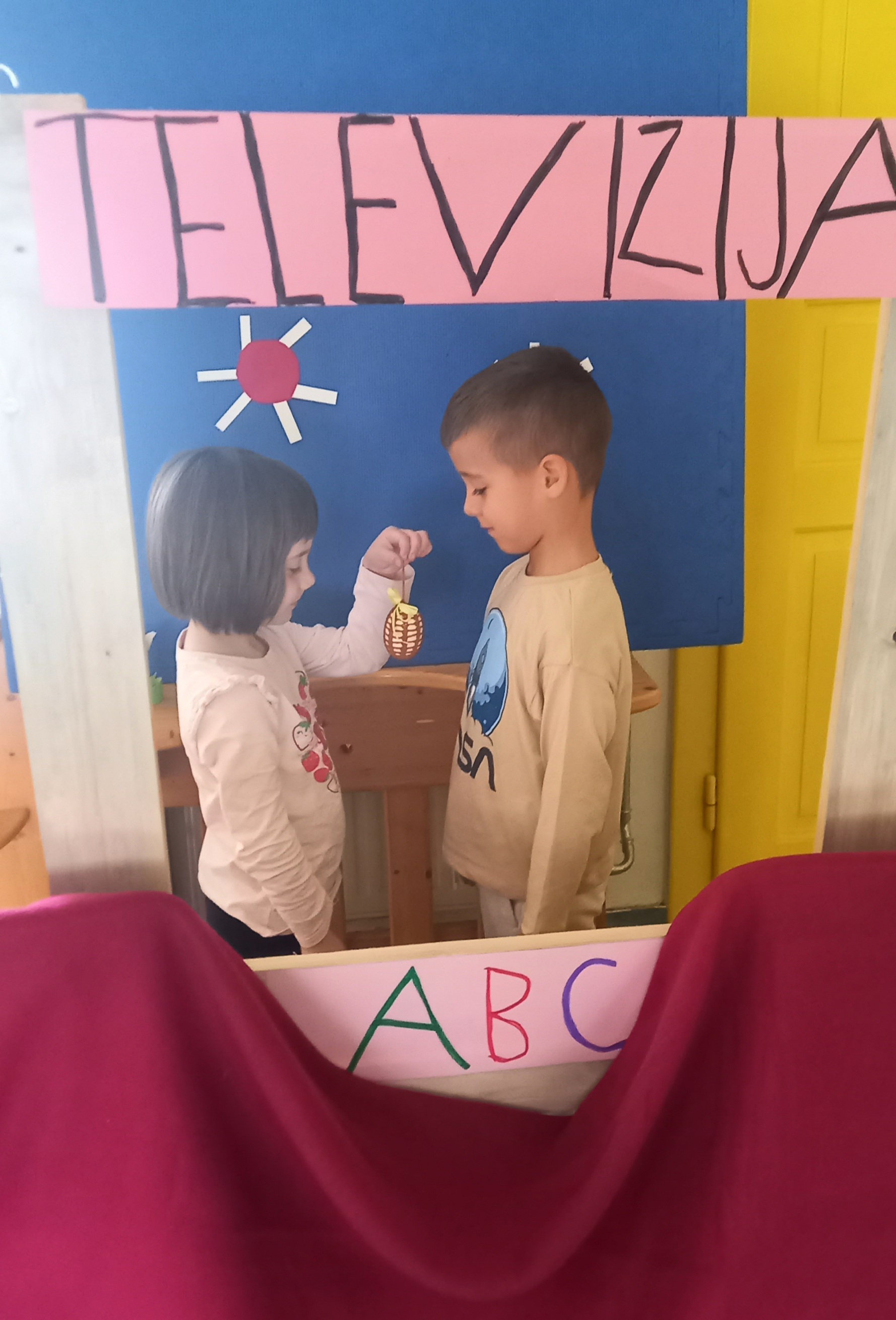
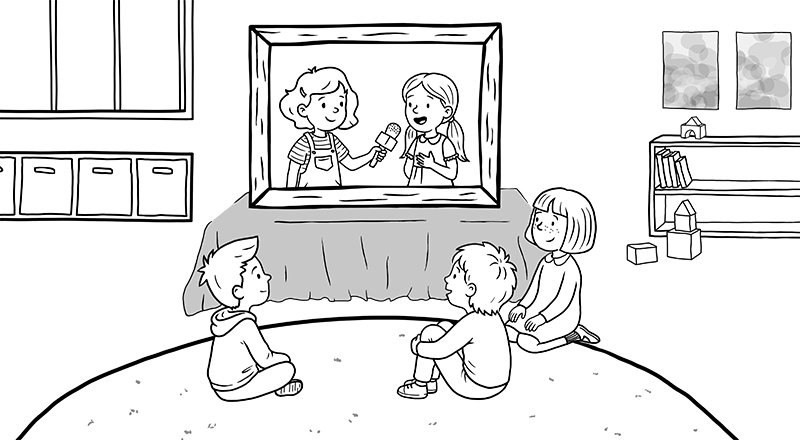
When the television is ready, the children try out the roles of reporter, presenter, or commentator. As a topic, they use visual materials displayed on the wall (for example types of dance). The teacher records the children. The teacher also appears in the role of presenter and is recorded by the children.
Reflection:
The children watch their recordings. The teacher encourages reflection with questions:
- How did you feel while performing on television?
- What was difficult?
- What did you like?
- What could we record on television next time?
Variations and additional ideas
Frames made of different materials can be used, such as cardboard or sticks.
The form of work can be flexible. Children can create different television programmes with different topics.
Background information and didactical perspective
This activity introduces children to basic media roles through play and role-taking. By creating their own television and performing as presenters or reporters, children build confidence, communication skills, and awareness of how television content is created. Watching and reflecting on recordings supports self-expression and helps children gradually overcome stage fright in a supportive environment.
Experience from kindergartens
The entire activity lasted several days, as it was necessary to collect materials for building the television and to construct it. The dance theme was chosen because, after a dance activity, the children showed great interest in photographs of different dances displayed on the classroom wall. Some children already had a lot of knowledge about dance and shared it with their peers. Each child performed on the kindergarten television without difficulty and talked about the photographs. Most children laughed while watching their own recordings and those of their peers. The children said that they enjoyed playing the role of presenters and wanted to record another programme.
Photos of the activity