Sound
Sound Riddles
 Finanțat de Uniunea Europeană. Punctele de vedere și opiniile exprimate aparțin, însă, exclusiv autorului (autorilor) și nu reflectă neapărat punctele de vedere și opiniile Uniunii Europene sau ale Agenției Executive Europene pentru Educație și Cultură (EACEA). Nici Uniunea Europeană și nici EACEA nu pot fi considerate răspunzătoare pentru acestea. |
 Toate conținuturile, în special textele, imaginile și grafica, sunt protejate de drepturi de autor. Cu excepția cazului în care se specifică altfel, drepturile de autor sunt deținute de media.eduskills.plus și sunt licențiate în conformitate cu Creative Commons Attribution - Necomercial - Distribuție în aceleași condiții 4.0 Licență internațională. Acestea pot fi utilizate în condițiile licenței. |
2026 media.eduskills.plus
Rezultatele învățării
Competențe
|
|
|
Grupul țintă 4 an și peste4 ani și mai în vârstă
|
|
Materiale necesare
|
Descrierea activității (pas cu pas)
Pregătire:
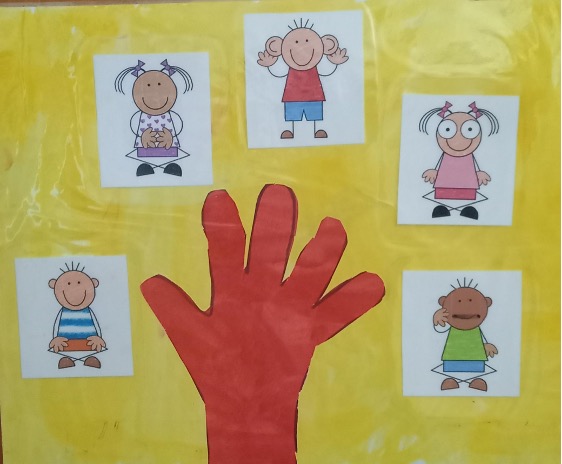
The teacher asks the children how and with what we listen. Together with the children, the teacher revises the five elements of active listening: sitting calmly, hands next to the body, ears listening, eyes watching the speaker, mouths closed.
Implementare:
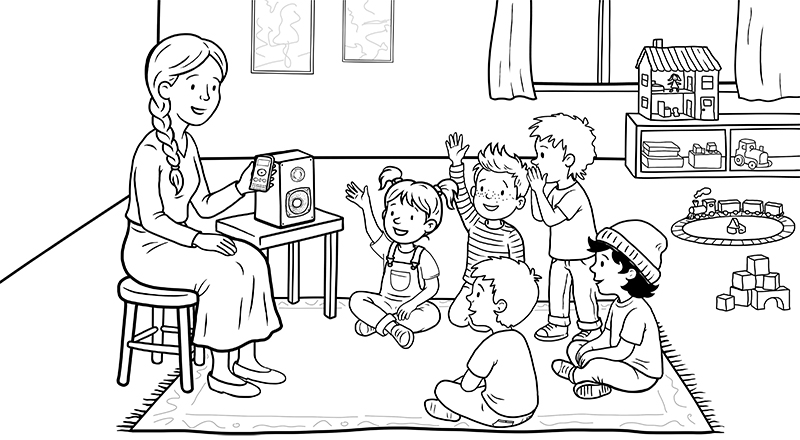
The teacher tells the children that two riddles are prepared for them. They explain that these are not word riddles, but listening riddles. The teacher encourages active listening and plays recordings of different sounds from the kindergarten.
The children listen to the sound and raise their hand if they know the answer. They whisper their answer individually into the teacher's ear. The teacher listens to the answers and then explains which sound was played and where it came from.
The teacher motivates the children to search for, record, and guess sounds themselves. The children are divided into two groups. The first group searches for, experiments with, and records sounds. The second group draws the elements of active listening.
After 15–25 minutes (depending on children's interest and persistence), the groups come together. The first group plays the recorded sounds to the second group, who try to guess them. The second group presents the illustrated elements of active listening. Then the groups switch roles.
Reflecţie:
The teacher encourages the children to suggest where else sounds could be recorded and to whom they could be played.
Variații și idei suplimentare
Children can listen to and identify different numbers of sounds. The sounds can be simple (for example domestic animals, wild animals) or related to different themes: musical instruments, playground, traffic, birds, farm.
Children can create sounds using their own bodies (clapping, snapping fingers, stomping) or with instruments (Orff instruments, sound-makers made from recycled and natural materials).
The activity can be carried out individually or in pairs.
Informații generale și perspectivă didactică
This activity strengthens active listening and auditory awareness through playful exploration of everyday sounds. By guessing, recording, and creating sounds, children practise concentration, sound discrimination, and cooperation. Drawing and discussing the elements of active listening helps make listening skills visible and understandable. The activity supports early media literacy by introducing sound as an expressive and meaningful medium.
Experience from kindergartens
Children were very motivated to search for and identify sounds. The teacher helped them with recording the sounds. Sounds were recorded in the playroom and washroom: children playing in the playroom, running water in the sink, flushing the toilet, cutlery hitting a plate, walking in the hallway, a cupboard door creaking in the playroom, the sound of a drum.
Children showed persistence for a longer time during the sound-searching and recording activity, while they stayed focused for a shorter time during drawing. They also listened to sounds in the outdoor playground environment and searched for new sounds there.
Fotografiile activității