Little prince
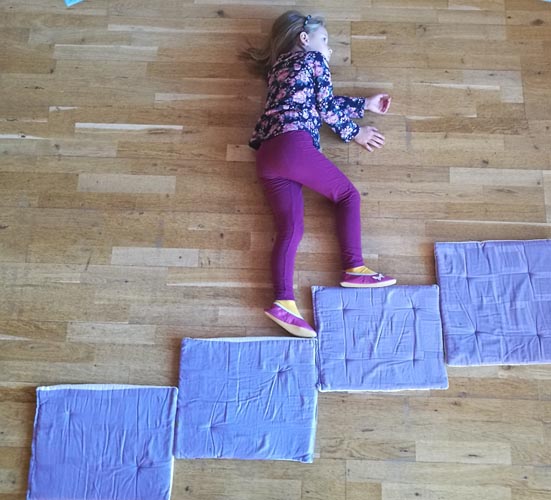
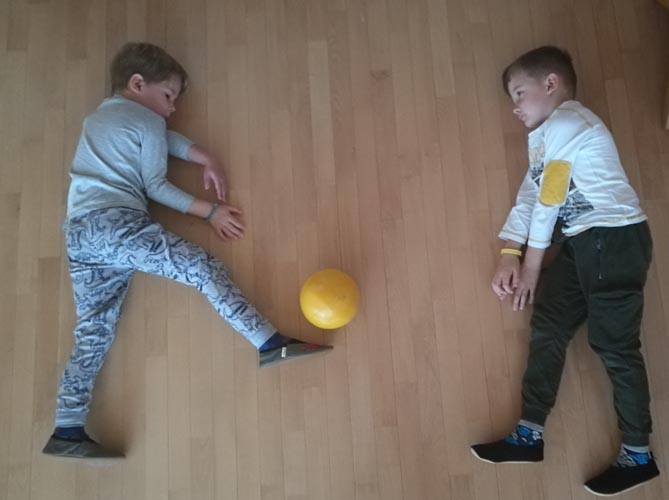
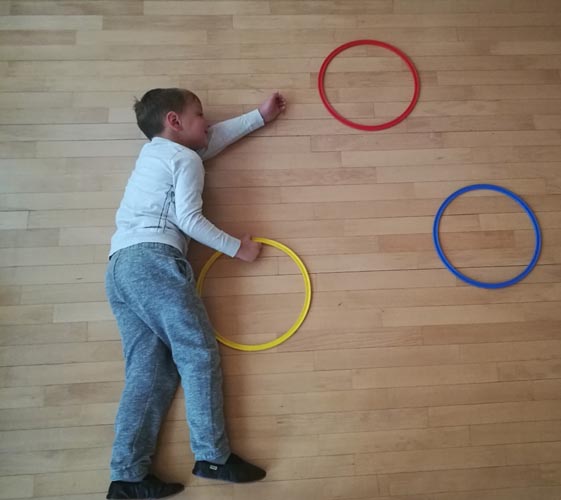
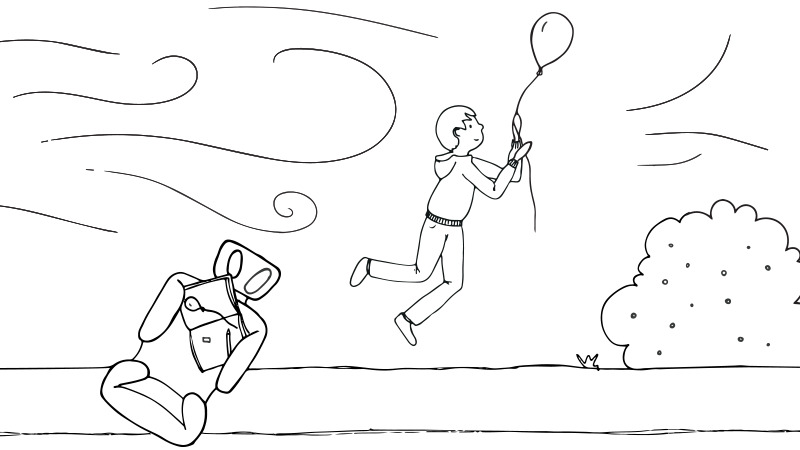
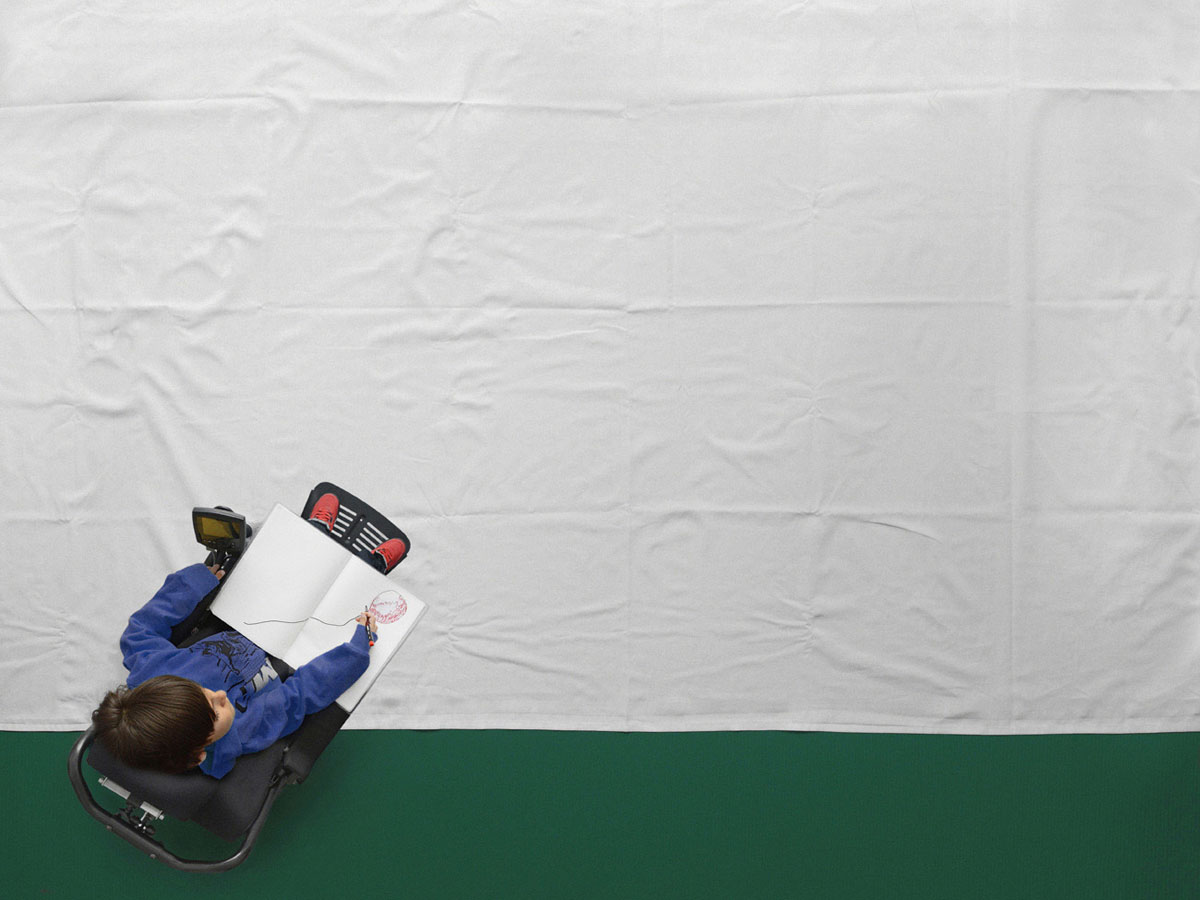
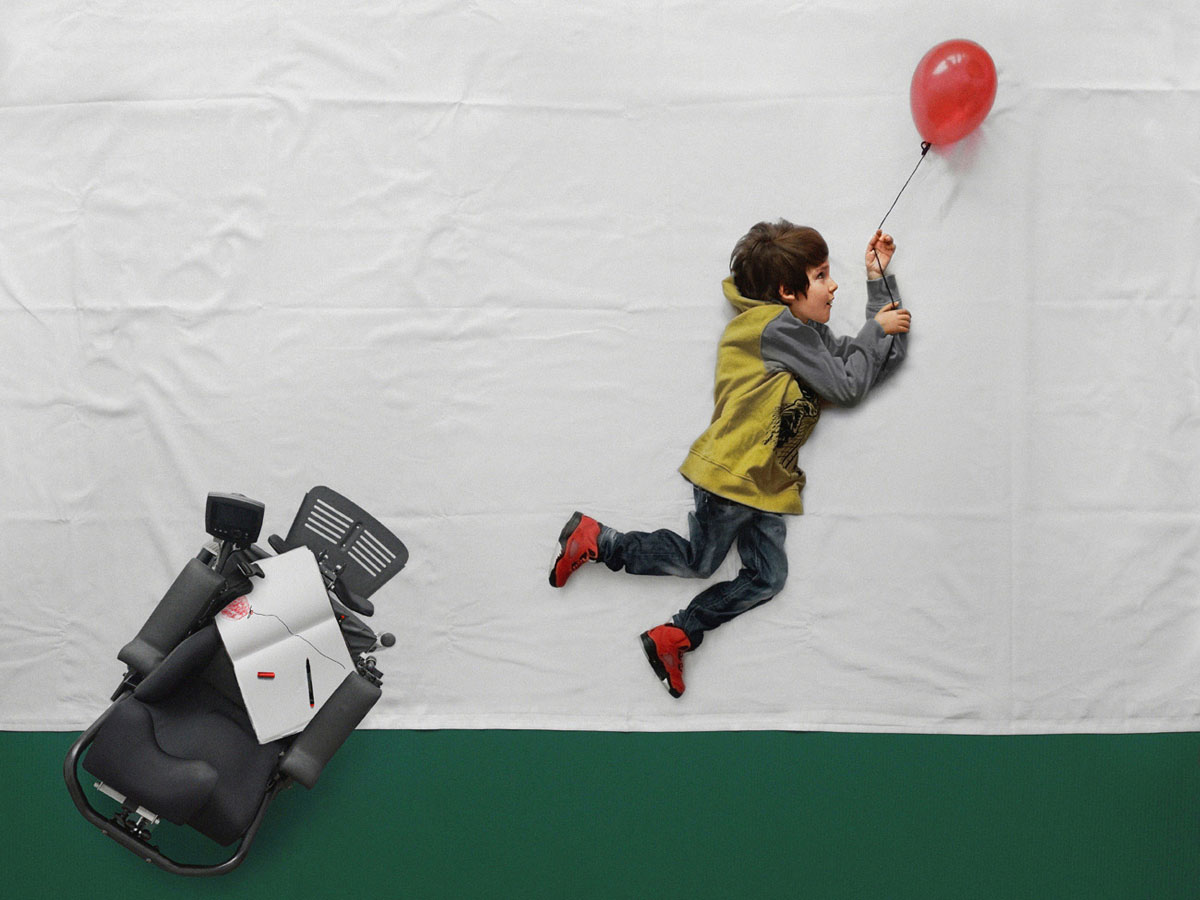
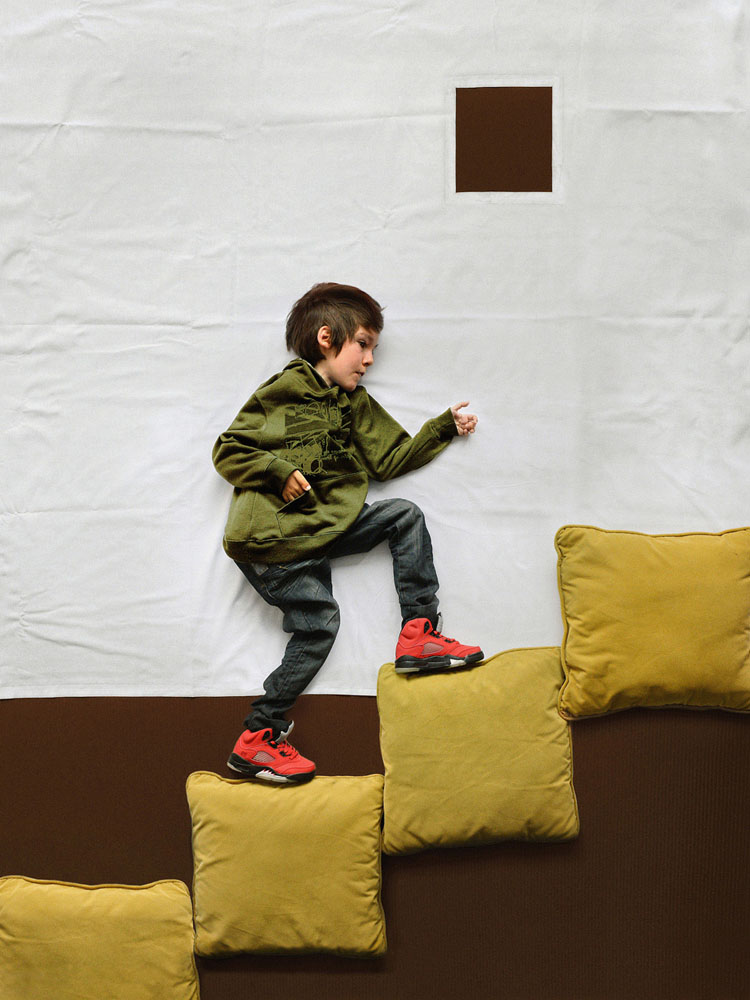
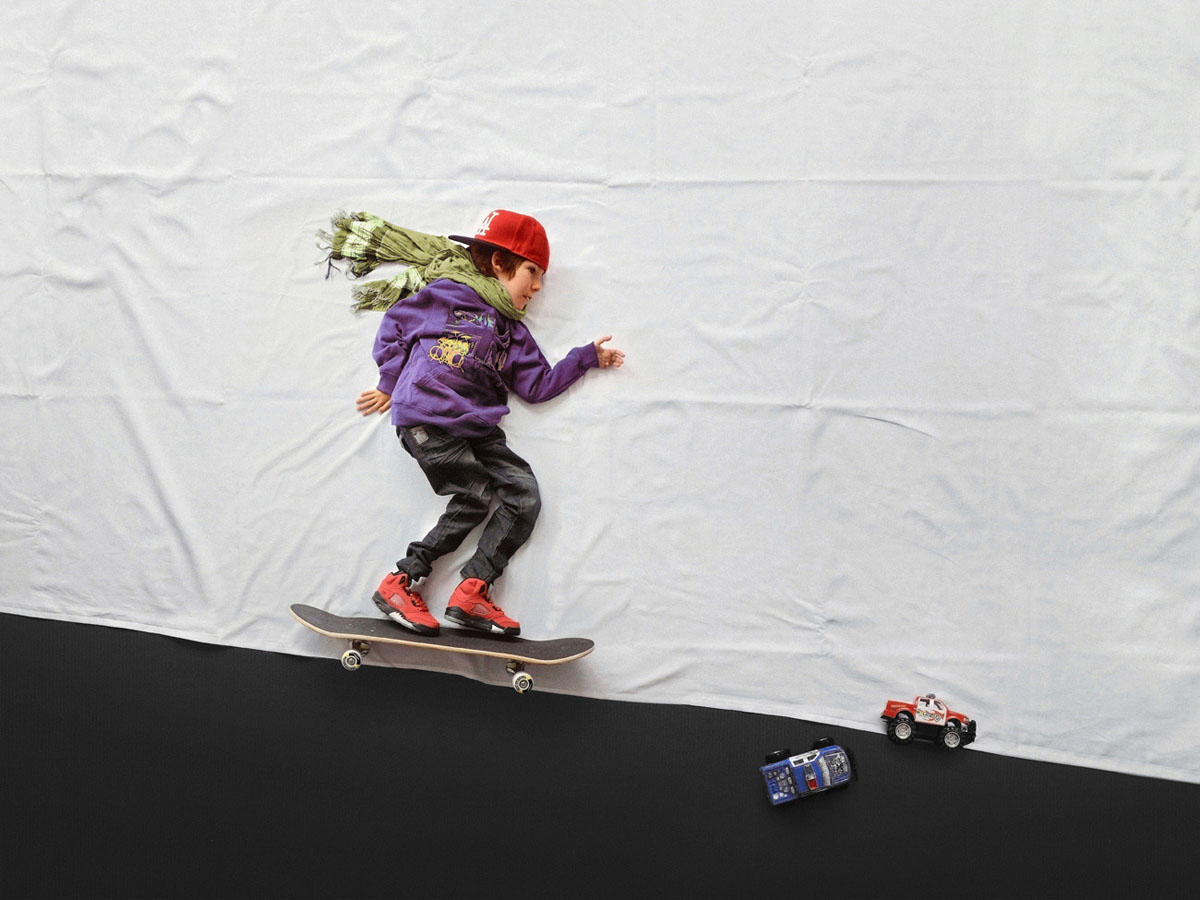
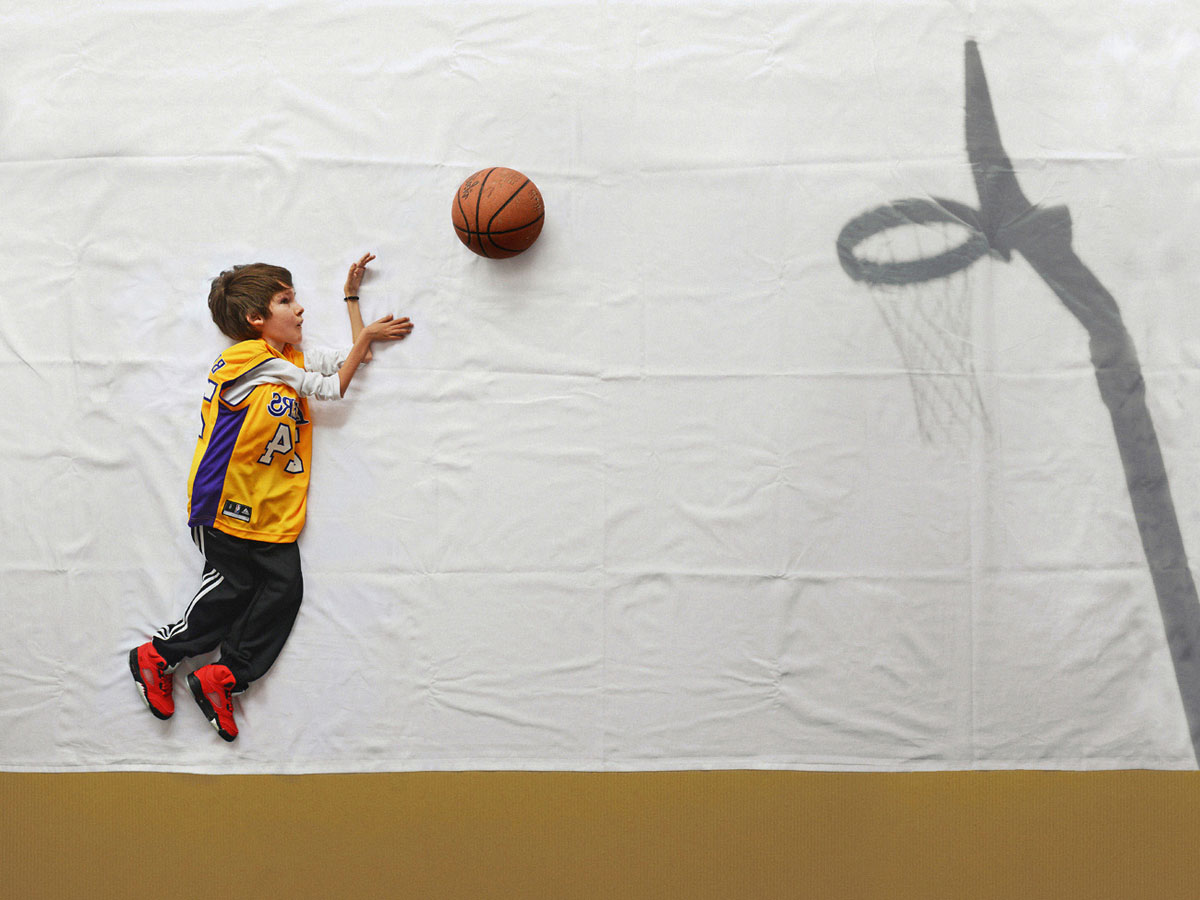
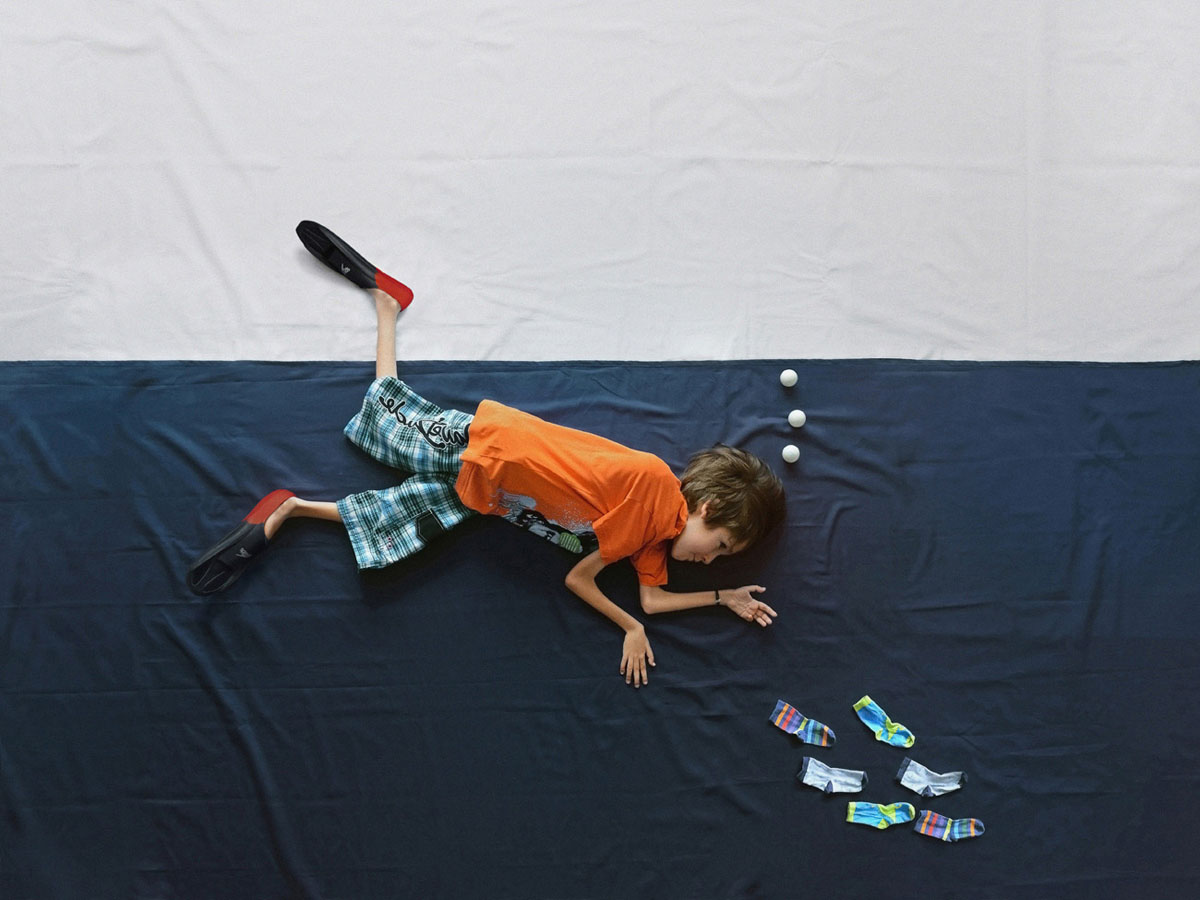
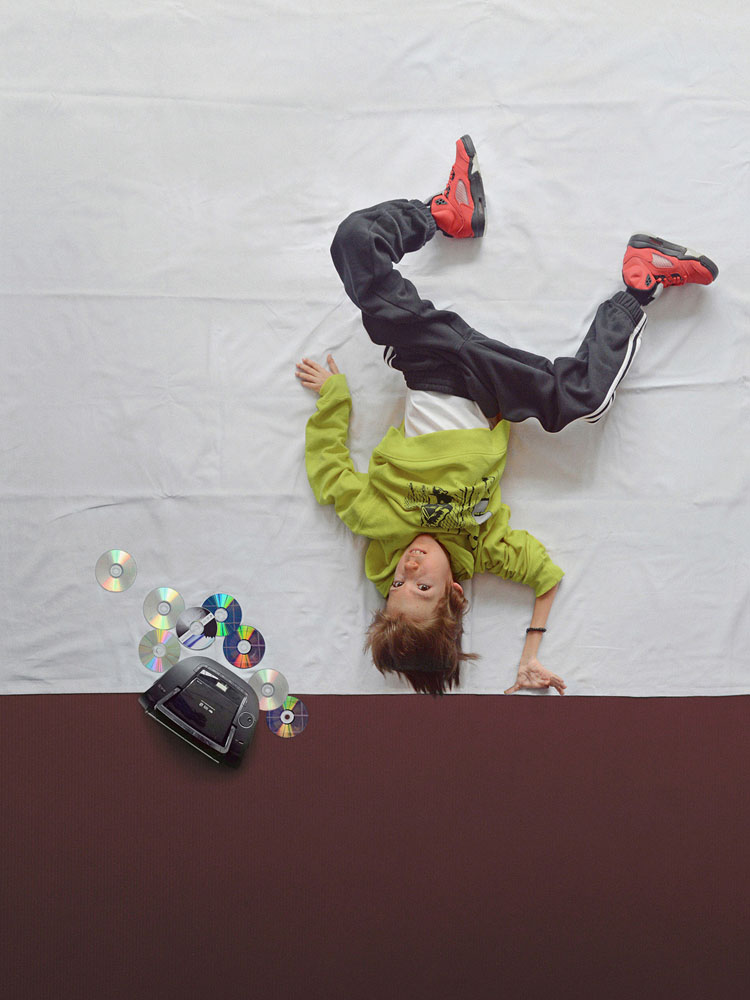
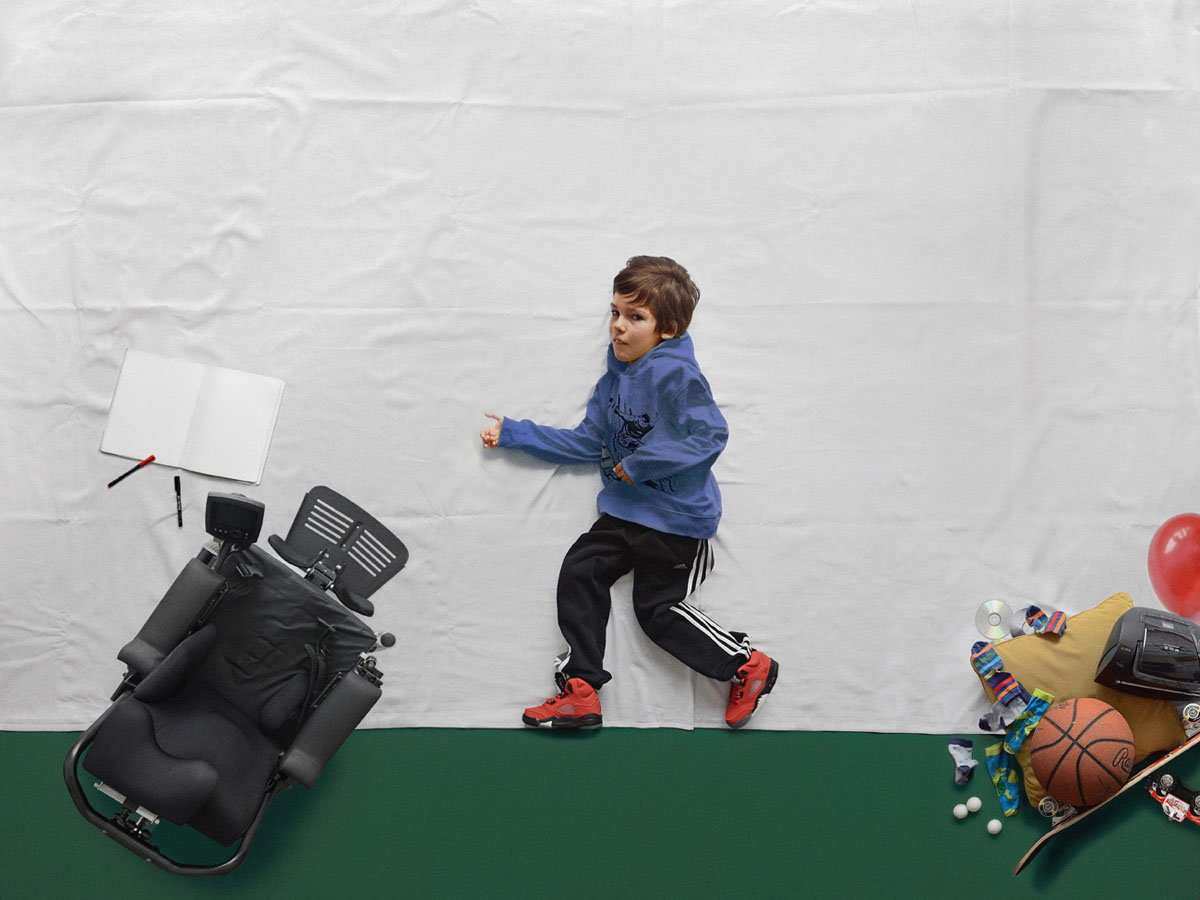
A series of photographs of a child with limited body movement
 Funded by the European Union. Views and opinions expressed are however those of the author(s) only and do not necessarily reflect those of the European Union or the European Education and Culture Executive Agency (EACEA). Neither the European Union nor EACEA can be held responsible for them. |
 All contents, in particular texts, pictures and graphics, are protected by copyright. Unless expressly stated otherwise, copyright is held by media.eduskills.plus and is licensed under Creative Commons Attribution - Non-commercial - Distribution under the same conditions 4.0 International license. They may be subject to the terms of the license. |
2026 media.eduskills.plus
Learning outcomes
Competencies
|
|
|
Target group 4 years and up
|
|
Required materials
|
|
Materials
|
Description of the activity (step by step)
Preparation:
Talk to the children about each other’s differences in appearance and different physical, mental, and behavioral characteristics. Let the children get to know the reasons why these differences occur. Does being different enrich us or should we be ashamed of it? Talk about illnesses, treatment, and rehabilitation. When is recovery from a disease complete and when does a person remain permanently hindered after it? How do we deal with difficult events (losses)? Can creativity, imagination, and a positive approach help us in all this? Encourage children to share their experiences on this topic.
Implementation:
First tell the children about the inception of the photography series, present the series with the help of a projector (or print them out and hand them around).
Reflection:
Ask the children what impressions the series left on them.
Variations and additional ideas
With older children, you could watch the short documentary film Little Prince: http://www.matejpeljhan.com/filmEN.html
Background information and didactical perspective
Seeing people with disabilities may initially cause shock, surprise, fear, or rejection in a child. However, the appropriate treatment of the topic at an early age helps the child develop inclusive values and non-exclusive interpersonal relationships. When developing adaptive functions, the child must treat problems as challenges, during difficult times. The child should also maintain a positive outlook on life. The development of creativity and imagination can play a crucial part in this.
Experience from kindergartens
The children noticed similarities and differences they have with the boy in the photos from the Little Prince series. They were also very intrigued by the photographer’s story, who injured his arm and eye as a child. With interest, they asked questions about what happened to the boy and the photographer that he could not walk or photograph the way they do.
The children recognized that the series Little Prince shows the boy's movement, as they like to do the same things (running, throwing on the basket, riding a skateboard, swimming). They noticed pillows in the playroom and suggested we make the stairs as seen in the photo. They said it wasn’t hard to find objects for the photos and lay them on the floor, but that it was hard to photograph from above and that their photos weren’t as beautiful as the photographer’s. The children participated with interest in the activity and showed great interest and compassion for people with disabilities. Throughout the day, they remembered the photos and asked questions about the photographer’s accident and the well-being of the boy in the wheelchair.
Photos of the activity