Korištenje ekrana / elektroničkih medija
Razgovor na temelju slike
 Financirano sredstvima Europske unije. Izneseni stavovi i mišljenja su stavovi i mišljenja autora i ne moraju se podudarati sa stavovima i mišljenjima Europske unije ili Europske izvršne agencije za obrazovanje i kulturu (EACEA). Ni Europska unija ni EACEA ne mogu se smatrati odgovornima za njih. |
 Svi sadržaji, a posebno tekstovi, slike i grafikoni, su zaštićeni autorskim pravima. Vlasnik autorskih prava, ukoliko nije drugačije označeno, je media.eduskills.plus, a autorsko pravo je definirano licencom Creative Commons Imenovanje-Nekomercijalno-Dijeli pod istim uvjetima 4.0 Međunarodna. Autorska prava mogu biti definirana uvjetima licence. |
2026 media.eduskills.plus
Ishodi učenja
Kompetencije
|
|
|
Ciljna skupina 5 godina i više
|
|
Potrebni materijali
|
|
Materijali
|
Opis aktivnosti (korak po korak)
Priprema:
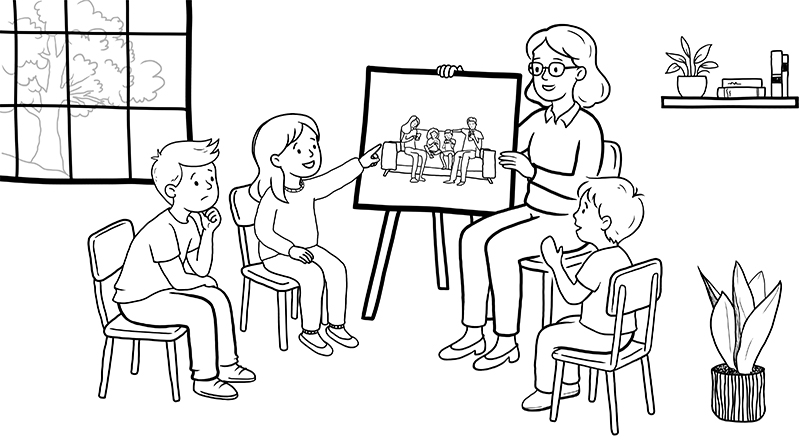
Odgojitelj/ica pokazuje djetetu sliku koja ilustrira korištenje ekrana ili elektroničkih medija.
Primjena:
Odgojitelj/ica postavlja djetetu pitanja, kao što su:
- Što vidiš?
- Što je na slici?
- Što dječak/djevojčica radi?
- Što misliš da dječak gleda na telefonu?
- Kako misliš da se osjećaju dok gledaju?
- Imaš li i ti telefon ili tablet?
- Što biste učinili ako…?
- Mislite li da…?
Dijete odgovara na pitanja, a odgojitelj/ica zapisuje djetetove odgovore.
Refleksija:
odgojitelj/ica objašnjava djetetu pozitivne i negativne aspekte korištenja ekrana.
Varijacije i dodatne ideje
Slike i fotografije mogu se pronaći u knjigama, časopisima, novinama, na internetu ili stvorene uz pomoć umjetne inteligencije (na primjer ChatGPT, Bard, MyAI, Stable Diffusion). Slike mogu biti humoristične, u stilu stripa, s temom životinja ili realistične.
Dječji odgovori mogu se predstaviti roditeljima na roditeljskim sastancima.
Može se organizirati i radionica s roditeljima uz korištenje sličnih slika.
Osnovne informacije i didaktička perspektiva
Ova aktivnost koristi vizualno promatranje i vođeni razgovor kako bi podržala ranu svijest o medijima. Raspravljajući izravno o slici, a ne o vlastitom ponašanju, djeca mogu slobodnije razmišljati i izražavati svoje misli, iskustva i emocije povezane s korištenjem ekrana. Otvorena pitanja potiču kritičko razmišljanje, razvoj jezika i emocionalno izražavanje, izbjegavajući pritom osuđivanje ili upute temeljene na pravilima. Aktivnost potiče uravnoteženo, dobi primjereno razumijevanje korištenja medija i jača djetetovu sposobnost da govori o svakodnevnim medijskim iskustvima.
Iskustvo iz vrtića
Djeca su rekla:
- Ljudi na slikama samo gledaju u ekrane, a mi to ne smijemo raditi. To nije zdravo za oči i možete oslijepiti. Barem mačka ne gleda u ekran. Dopisuje se s prijateljima, fotografira se i igra igrice. Ništa od toga nije u redu. Kad mi je mama rekla da je štetno, ugasila sam ga i otišla se igrati sa sestrom Anom. Kod kuće mama i tata najviše gledaju u svoje telefone. Tada sve moram sama. Čak moram i Ani pjevati uspavanku. Zato sam pospana kad dođem u vrtić.
- Na slikama svi gledaju u telefone. Ne gledamo u telefone, igramo se. Ponekad gledam crtiće, ponekad mi je zabranjeno. Mogu gledati samo dva crtića dnevno. Malo vremena pred ekranom je u redu, ali previše nije.
- Svi u obitelji gledaju u telefon i igraju igrice. Mogu koristiti telefon samo kad mama nije kod kuće. Tada gledam videe na YouTubeu. Mama to ne dopušta.
- Ljudi gledaju u telefone. Osjećaju se sretno jer su kod kuće. Imam telefon i računalo, ali ne rade, pokvareni su.
- Mala sestra fotografira. Tata radi na računalu. Djevojčica crta na tabletu. Mama gleda u svoj telefon. Starija sestra igra igrice na televiziji. Mačka ovdje spava. Nije dobro što gledaju. Nije dobro gledati u telefon cijeli dan, jer te oči bole i moraš nositi naočale. Kod kuće mama i tata gledaju u svoje telefone. Ja gledam crtiće na telefonu.
Radni list
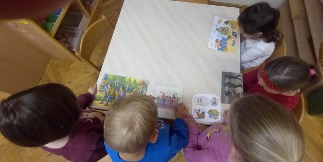
Fotografije aktivnosti