Nutzung von Bildschirmen / Elektronische Medien
Diskussion auf Basis eines Bildes
 Von der Europäischen Union finanziert. Die geäußerten Ansichten und Meinungen entsprechen jedoch ausschließlich denen des Autors bzw. der Autoren und spiegeln nicht zwingend die der Europäischen Union oder der Europäischen Exekutivagentur für Bildung und Kultur (EACEA) wider. Weder die Europäische Union noch die EACEA können dafür verantwortlich gemacht werden. |
 Alle Inhalte, insbesondere Texte, Bilder und Grafiken sind urheberrechtlich geschützt. Soweit es nicht ausdrücklich anders gekennzeichnet ist, liegen die Urheberrechte bei media.eduskills.plus und stehen unter der Creative Commons Namensnennung -Nicht kommerziell -Keine Bearbeitungen 4.0 International (CC BY-NC-ND 4.0) Lizenz. Sie dürfen im Rahmen der Lizenzbedingungen verwendet werden. |
2026 media.eduskills.plus
Lernergebnisse
Kompetenzen
|
|
|
Zielgruppe 5 Jahre und älter
|
|
Benötigte Materialien
|
|
Materialien
|
Anleitung zur Aktivität (Schritt für Schritt)
Vorbereitung:
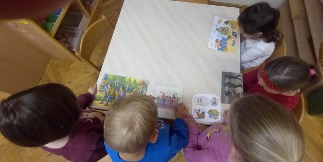
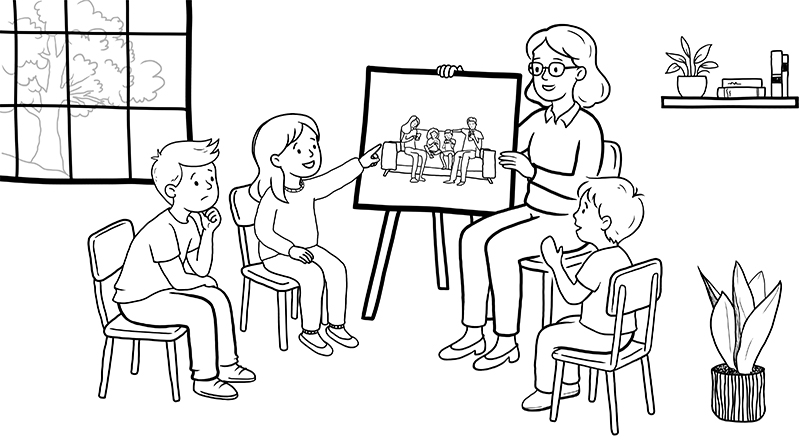
Die Kita-Fachkraft zeigt dem Kind ein Bild, das die Nutzung von Bildschirmen oder elektronischen Medien veranschaulicht.
Durchführung:
Die Kita-Fachkraft stellt dem Kind Fragen, zum Beispiel:
- Was siehst du?
- Was ist auf dem Bild zu sehen?
- Was macht der Junge / das Mädchen?
- Was glaubst du, schaut der Junge / das Mädchen auf dem Handy an?
- Wie glaubst du, fühlt er / sie sich beim Anschauen?
- Hast du auch ein Handy oder ein Tablet?
- Was würdest du tun, wenn …?
- Glaubst du, dass …?
Das Kind beantwortet die Fragen, und die Kita-Fachkraft schreibt die Antworten des Kindes auf.
Überlegung:
Die Kita Fachkraft erklärt dem Kind die positiven und negativen Aspekte der Bildschirmnutzung.
Abwandlungen und zusätzliche Ideen
Bilder und Fotografien können in Büchern, Zeitschriften, Zeitungen, im Internet gefunden oder mithilfe künstlicher Intelligenz erstellt werden (zum Beispiel ChatGPT, Bard, MyAI, Stable Diffusion). Die Bilder können humorvoll, comicartig, tierbezogen oder realistisch sein.
Die Antworten der Kinder können den Eltern bei Elternabenden präsentiert werden.
Auch ein Workshop mit Eltern unter Verwendung ähnlicher Bilder kann organisiert werden.
Hintergrundinformationen und didaktische Perspektiven
Diese Aktivität nutzt visuelle Beobachtung und angeleitete Gespräche, um frühe Medienreflexion zu fördern. Indem Kinder ein Bild besprechen und nicht direkt ihr eigenes Verhalten, können sie freier reflektieren und ihre Gedanken, Erfahrungen und Gefühle zur Bildschirmnutzung ausdrücken. Die offenen Fragen fördern kritisches Denken, Sprachentwicklung und emotionalen Ausdruck, ohne zu bewerten oder Regeln vorzugeben. Die Aktivität unterstützt ein ausgewogenes, altersgerechtes Verständnis von Mediennutzung und stärkt die Fähigkeit der Kinder, über alltägliche Medienerfahrungen zu sprechen.
Erfahrungen aus Kindergärten
Kinder sagten:
- Die Menschen auf den Bildern schauen nur auf Bildschirme, und das dürfen wir nicht. Das ist nicht gesund für die Augen, und man kann blind werden. Wenigstens schaut die Katze nicht auf einen Bildschirm. Sie schreiben Freunden, machen Fotos und spielen Spiele. Nichts davon ist richtig. Als meine Mama mir gesagt hat, dass das schädlich ist, habe ich es ausgeschaltet und bin mit meiner Schwester Ana spielen gegangen. Zu Hause schauen Mama und Papa am meisten auf ihre Handys. Dann muss ich alles alleine machen. Ich muss sogar Ana ein Schlaflied vorsingen. Deshalb bin ich müde, wenn ich in den Kindergarten komme.
- Auf den Bildern schauen alle auf Handys. Wir schauen nicht auf Handys, wir spielen. Manchmal schaue ich Zeichentrickfilme, manchmal ist das verboten. Ich darf nur zwei Zeichentrickfilme pro Tag schauen. Ein bisschen Bildschirmzeit ist okay, aber zu viel nicht.
- Alle in der Familie schauen auf das Handy und spielen Spiele. Ich darf das Handy nur benutzen, wenn Mama nicht zu Hause ist. Dann schaue ich Videos auf YouTube. Mama erlaubt das nicht.
- Die Leute schauen auf Handys. Sie fühlen sich glücklich, weil sie zu Hause sind. Ich habe ein Handy und einen Computer, aber sie funktionieren nicht, sie sind kaputt.
- Die kleine Schwester macht Fotos. Papa arbeitet am Computer. Das Mädchen malt auf einem Tablet. Mama schaut auf ihr Handy. Die große Schwester spielt Spiele auf dem Fernseher. Die Katze schläft hier. Es ist nicht gut, dass sie schauen. Es ist nicht gut, den ganzen Tag auf ein Handy zu schauen, weil die Augen weh tun und man eine Brille tragen muss. Zu Hause schauen Mama und Papa auf ihre Handys. Ich schaue Zeichentrickfilme auf dem Handy.
Arbeitsblatt 1
Fotos der Aktivität