Scenografija za priču
Minecraft
 Financirano sredstvima Europske unije. Izneseni stavovi i mišljenja su stavovi i mišljenja autora i ne moraju se podudarati sa stavovima i mišljenjima Europske unije ili Europske izvršne agencije za obrazovanje i kulturu (EACEA). Ni Europska unija ni EACEA ne mogu se smatrati odgovornima za njih. |
 Svi sadržaji, a posebno tekstovi, slike i grafikoni, su zaštićeni autorskim pravima. Vlasnik autorskih prava, ukoliko nije drugačije označeno, je media.eduskills.plus, a autorsko pravo je definirano licencom Creative Commons Imenovanje-Nekomercijalno-Dijeli pod istim uvjetima 4.0 Međunarodna. Autorska prava mogu biti definirana uvjetima licence. |
2026 media.eduskills.plus
Ishodi učenja
Kompetencije
|
|
|
Ciljna skupina 5 godina i više
|
|
Potrebni materijali
|
Opis aktivnosti (korak po korak)
Priprema:
Pripremite prostor s planiranim poticajima za izradu scenografije i rekvizite za snimanje.
Primjena:
Okupite djecu i razgovarajte s njima o videoigri Minecraft. Potaknite ih da podijele svoja zapažanja (na primjer, da su likovi i predmeti kockastog oblika).
Postavite poticajna pitanja:
- Koji se likovi pojavljuju u Minecraftu?
- Kako oni izgledaju?
- Što oni rade?
- Kamo se sele i kako?
- Nalaze li se likovi u otvorenom ili zatvorenom prostoru?
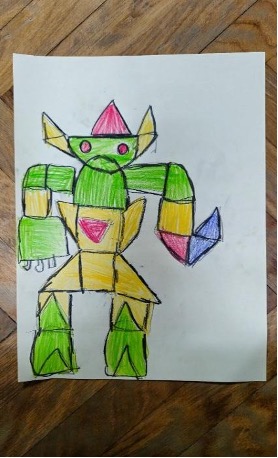
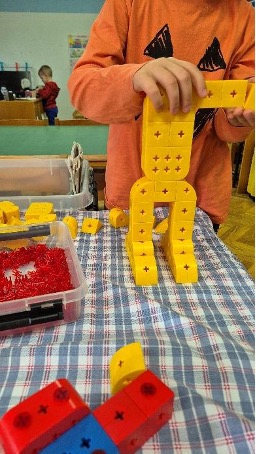
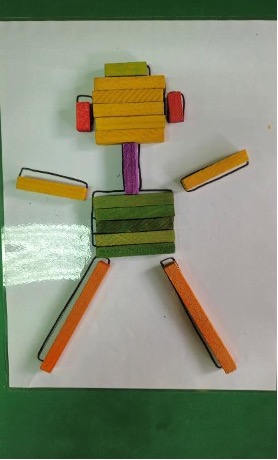
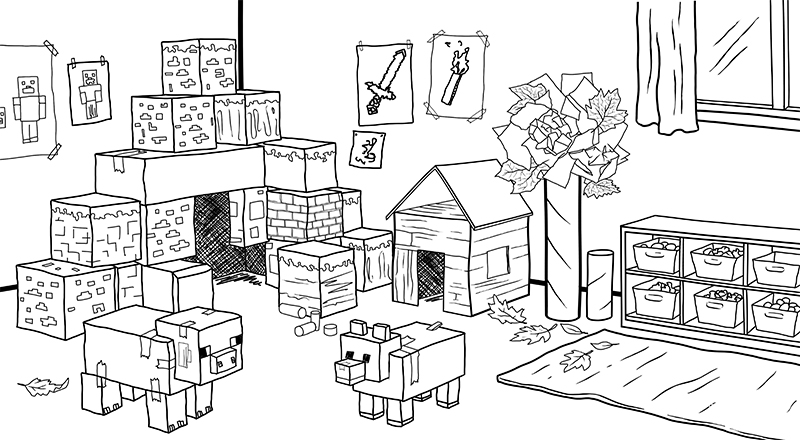
Zapišite dječje ideje. Pozovite ih da izrade ili nacrtaju likove iz Minecrafta te uprizore jednu scenu iz igre.
Postavite dodatna pitanja:
- Što vam je potrebno za stvaranje, kreiranje likova?
- Gdje treba postaviti likove?
- Kako ćete to pokazati?
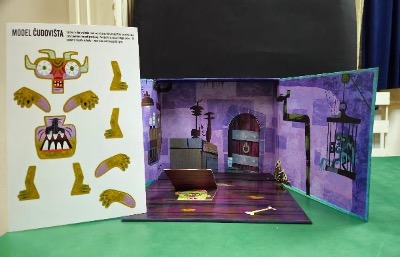
Predložite im da počnu izrađivati potrebne rekvizite i scenografiju. Objasnite što su rekviziti i scenografija, pokažite primjere te jasno opišite što je scenografija i čemu služi.
Varijacije i dodatne ideje
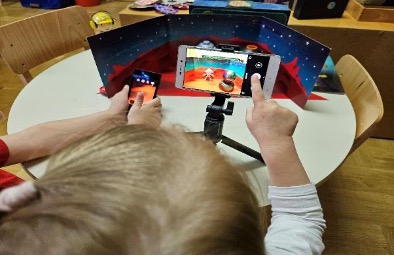
Izradite i snimite animirani film koristeći tehniku stop-animacije.
Osnovne informacije i didaktička perspektiva
Scenografija za priču odnosi se na vizualnu pozadinu, prostor i ugođaj u kojima se priča odvija. Obuhvaća elemente kao što su pozadina, likovi, rekviziti, namještaj i drugi predmeti. Scenografija se izrađuje od različitih materijala i prilagođava svakoj pojedinoj sceni kako bi poduprla priču i stvorila željeni vizualni učinak.
Scenografija pomaže u stvaranju atmosfere te olakšava razumijevanje toga gdje se likovi nalaze i što rade u svakoj pojedinoj sceni. Važno je da su svi elementi pomični i jednostavni za rukovanje.
Ova aktivnost pomaže djeci razumjeti kako vizualni elementi scenografije pridonose ugođaju i značenju scene. Radionica scenografije ima veliku integrativnu i kreativnu vrijednost jer povezuje vizualno izražavanje, dramsku igru, socijalno učenje i prostornu osviještenost te potiče djecu da verbaliziraju svoja iskustva i opažanja.
Iskustvo iz vrtića
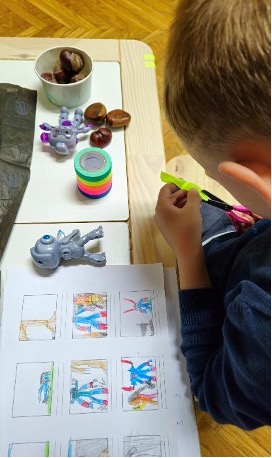
F. G. uzima svoju knjigu snimanja i predlaže L. P.-u: „Snimimo moj film o robotima.”
F. G. stavlja PVC figure robota na stol. L. P. primjećuje da im nedostaju rekviziti i kaže: „Trebat će nam nešto crno za nebo jer je noć.”
Donose različite materijale i PVC figure te se dogovaraju kako rasporediti rekvizite u sceni.
L. P. komentira: „Ovako izgleda kazališna pozornica, ali nije uvijek ista. Mijenjaju se različite stvari, poput stolova, šivaćih strojeva, svjetiljki i drugih predmeta.”
E. P. dodaje: „U kazalištu je pozadina ponekad crna, kao da je noć, ali u jednoj je predstavi bila ružičasta. A u Aladinu nije uvijek noć; ponekad je dan.”
Dječaci nastavljaju oblikovati scenu.
Fotografije aktivnosti