Szenografie für eine Geschichte
Minecraft
 Von der Europäischen Union finanziert. Die geäußerten Ansichten und Meinungen entsprechen jedoch ausschließlich denen des Autors bzw. der Autoren und spiegeln nicht zwingend die der Europäischen Union oder der Europäischen Exekutivagentur für Bildung und Kultur (EACEA) wider. Weder die Europäische Union noch die EACEA können dafür verantwortlich gemacht werden. |
 Alle Inhalte, insbesondere Texte, Bilder und Grafiken sind urheberrechtlich geschützt. Soweit es nicht ausdrücklich anders gekennzeichnet ist, liegen die Urheberrechte bei media.eduskills.plus und stehen unter der Creative Commons Namensnennung -Nicht kommerziell -Keine Bearbeitungen 4.0 International (CC BY-NC-ND 4.0) Lizenz. Sie dürfen im Rahmen der Lizenzbedingungen verwendet werden. |
2026 media.eduskills.plus
Lernergebnisse
Kompetenzen
|
|
|
Zielgruppe 5 Jahre und älter
|
|
Benötigte Materialien
|
Anleitung zur Aktivität (Schritt für Schritt)
Vorbereitung:
Der Raum wird mit den geplanten Materialien für die Gestaltung von Szenografie und Requisiten für die Filmaufnahmen vorbereitet.
Durchführung:
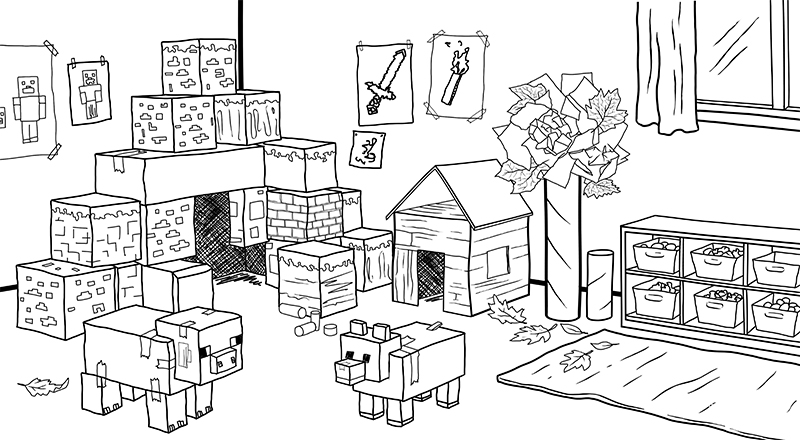
Die Kinder versammeln sich, und es wird mit ihnen über das Videospiel Minecraft gesprochen. Sie werden ermutigt, ihre Beobachtungen zu teilen (zum Beispiel, dass die Figuren und Gegenstände blockförmig sind).
Leitfragen:
- Welche Figuren kommen bei Minecraft vor?
- Wie sehen sie aus?
- Was machen sie?
- Wo bewegen sie sich und wie?
- Befinden sich die Figuren in einem offenen oder geschlossenen Raum?
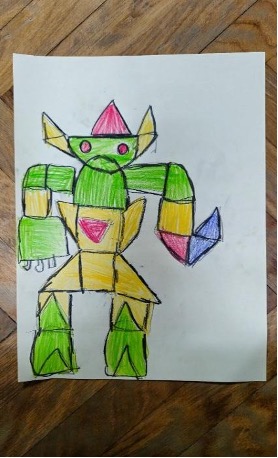
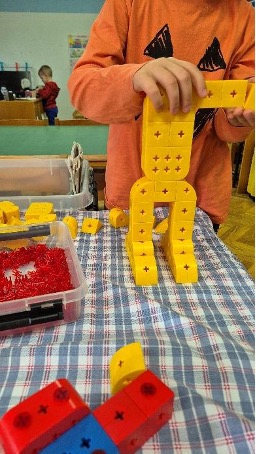
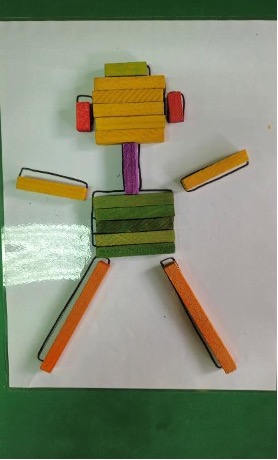
Die Ideen der Kinder werden notiert. Anschließend werden sie eingeladen, Minecraft-Figuren zu gestalten oder zu zeichnen und eine Szene aus dem Spiel darzustellen.
Weitere Fragen:
- Was brauchst du, um die Figuren zu gestalten?
- Wo sollen die Figuren platziert werden?
- Wie wirst du das darstellen?
Es wird vorgeschlagen, mit der Herstellung der benötigten Requisiten und der Szenografie zu beginnen. Dabei wird erklärt, was Requisiten und Szenografie sind, es werden Beispiele gezeigt und deutlich beschrieben, was Szenografie ist und wofür sie verwendet wird.
Abwandlungen und zusätzliche Ideen
Einen Animationsfilm mit Hilfe der Stop-Motion-Technik gestalten und aufnehmen.
Hintergrundinformationen und didaktische Perspektiven
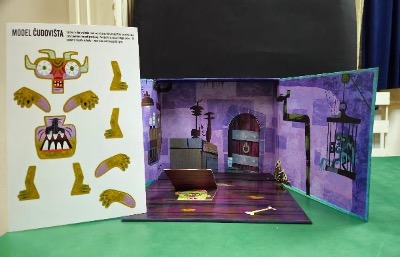
Szenografie für eine Geschichte bezeichnet den visuellen Hintergrund, den Raum und die Atmosphäre, in der eine Geschichte stattfindet. Sie umfasst Elemente wie Hintergrund, Figuren, Requisiten, Möbel und andere Gegenstände. Szenografie wird aus unterschiedlichen Materialien gestaltet und für jede Szene angepasst, um die Geschichte zu unterstützen und den gewünschten visuellen Effekt zu erzeugen.
Szenografie trägt dazu bei, eine Atmosphäre zu schaffen und das Verständnis dafür zu fördern, wo sich die Figuren befinden und was sie in jeder Szene tun. Wichtig ist, dass alle Elemente beweglich und leicht zu manipulieren sind.
Diese Aktivität hilft Kindern zu verstehen, wie visuelle Elemente der Szenografie zur Stimmung und Bedeutung einer Szene beitragen. Der Szenografie-Workshop hat einen hohen integrativen und kreativen Wert, da er visuellen Ausdruck, Rollenspiel, soziales Lernen und räumliches Denken miteinander verbindet und Kinder dabei unterstützt, ihre Erfahrungen und Wahrnehmungen zu verbalisieren.
Erfahrungen aus Kindergärten
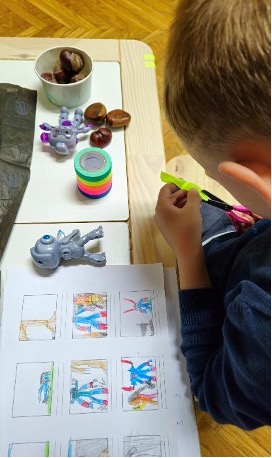
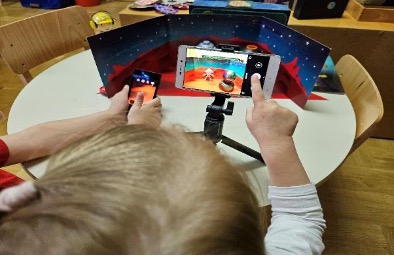
F. G. nimmt sein Storyboard und schlägt L. P. vor: "Lass uns einen Film über Roboter drehen."
F. G. stellt PVC-Roboterfiguren auf den Tisch. L. P. bemerkt, dass Requisiten fehlen, und sagt: "Wir brauchen etwas Schwarzes für den Himmel, weil es Nacht ist."
Sie holen verschiedene Materialien und PVC-Figuren und einigen sich darauf, wie sie die Requisiten in der Szene anordnen.
L. P. kommentiert: "So sieht eine Bühne im Theater aus, aber sie ist nicht immer gleich. Verschiedene Dinge ändern sich, wie Tische, Nähmaschinen, Lampen und andere Gegenstände."
E. P. ergänzt: "Im Theater ist der Hintergrund manchmal schwarz wie in der Nacht, aber in einem Stück war er pink. Und in Aladdin ist es nicht immer Nacht, manchmal ist es Tag."
Die Jungen setzen den Aufbau der Szene fort.
Fotos der Aktivität