Od čega se sastoji slika?
Istraživanje piksela
 Financirano sredstvima Europske unije. Izneseni stavovi i mišljenja su stavovi i mišljenja autora i ne moraju se podudarati sa stavovima i mišljenjima Europske unije ili Europske izvršne agencije za obrazovanje i kulturu (EACEA). Ni Europska unija ni EACEA ne mogu se smatrati odgovornima za njih. |
 Svi sadržaji, a posebno tekstovi, slike i grafikoni, su zaštićeni autorskim pravima. Vlasnik autorskih prava, ukoliko nije drugačije označeno, je media.eduskills.plus, a autorsko pravo je definirano licencom Creative Commons Imenovanje-Nekomercijalno-Dijeli pod istim uvjetima 4.0 Međunarodna. Autorska prava mogu biti definirana uvjetima licence. |
2026 media.eduskills.plus
Ishodi učenja
Kompetencije
|
|
|
Ciljna skupina 4 godina i više |
|
Potrebni materijali
|
|
Materijali
|
Opis aktivnosti (korak po korak)
Priprema:
Djeca se svakodnevno susreću sa slikama – u knjigama, na ekranima i u svojoj okolini. Na prvi pogled te slike djeluju cjelovito i realistično. Ova aktivnost potiče djecu da bolje promotre slike i otkriju da se one sastoje od mnogo sitnih dijelova.
Istraživanjem pikseliziranih slika i stvaranjem vlastitih slika temeljenih na mreži, djeca razvijaju rano razumijevanje da su medijske slike konstruirane. Ona promatraju, eksperimentiraju i otkrivaju kako se mali elementi spajaju u cjelinu.
Primjena:
Aktivnost započinje promatranjem slika.
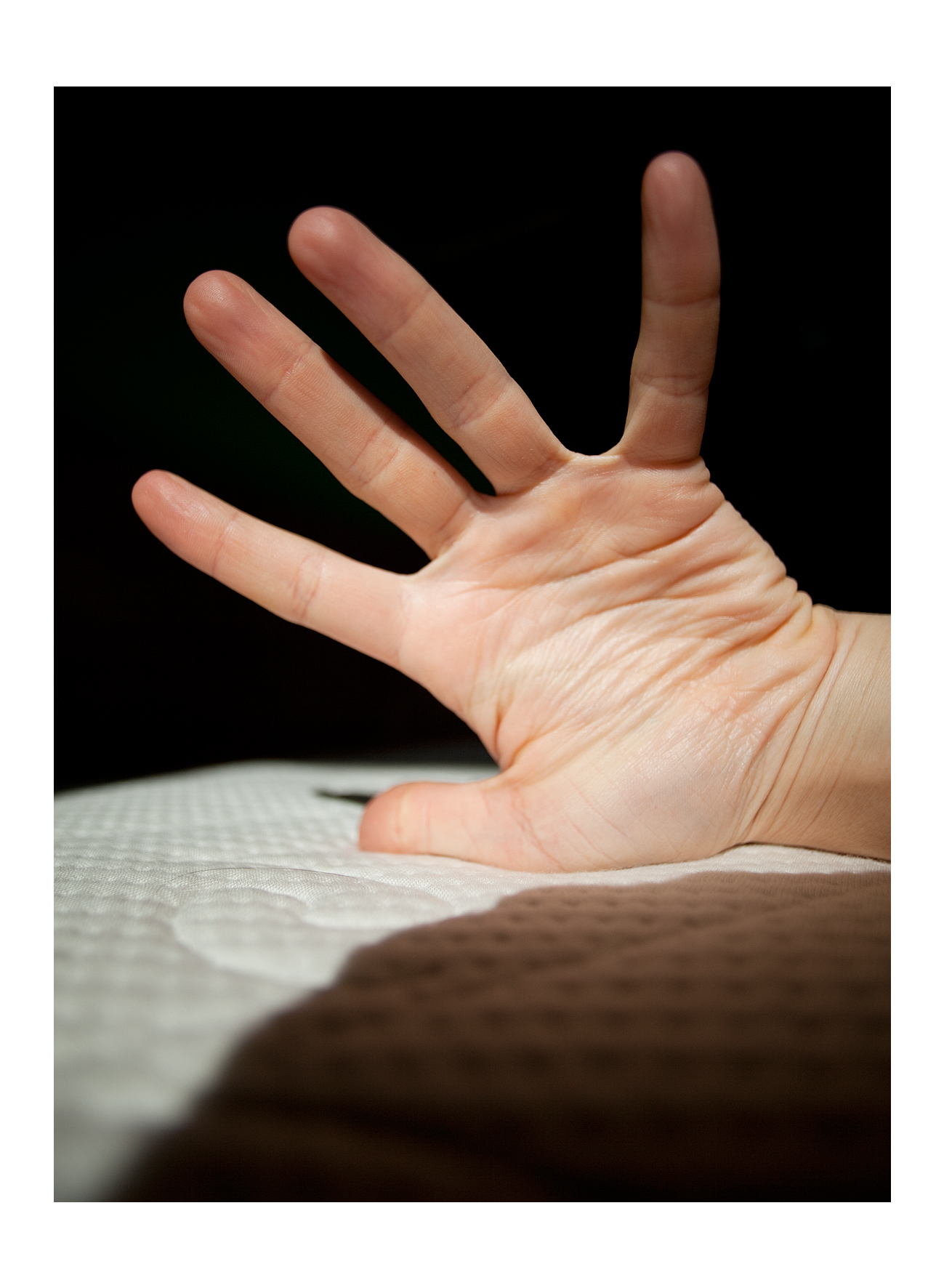
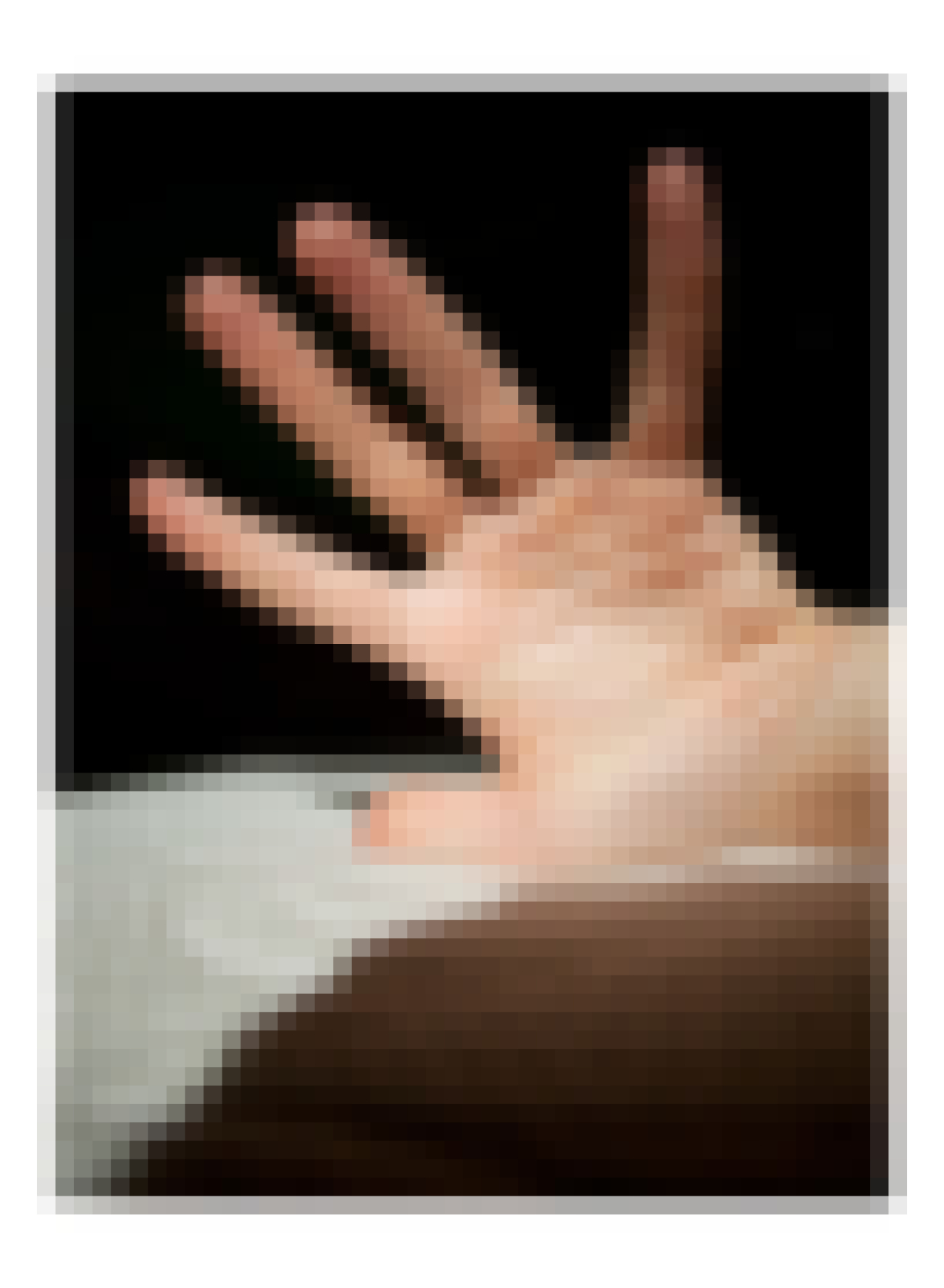
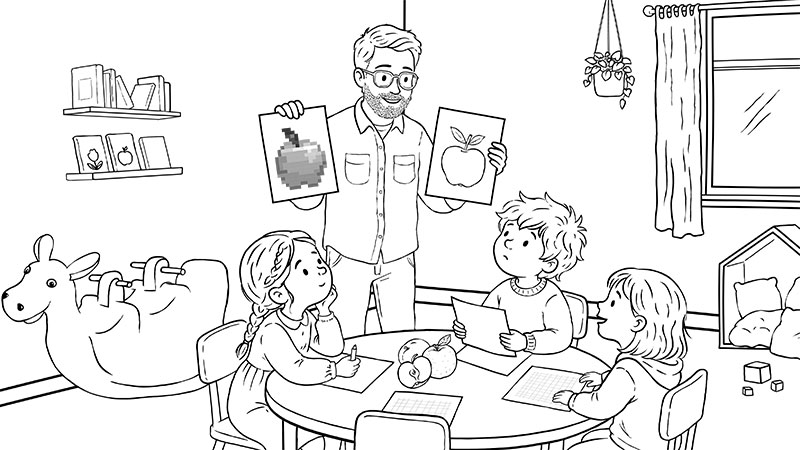
Pokažite djeci sliku u izvornom obliku, a zatim pikseliziranu verziju iste slike. Recite im da opišu što vide. Što se promijenilo? Mogu li i dalje prepoznati sliku?
Potaknite djecu da pažljivo pogledaju pikseliziranu verziju. Pomozite im da uoče kako se slika sastoji od mnogo malih kvadratića.
U sljedećem koraku djeca stvaraju vlastitu „sliku od piksela”.
Pripremite jednostavnu mrežu na papiru. Djeca mogu sama osmisliti sliku bojanjem pojedinačnih kvadratića ili pratiti pripremljenu mrežu sa simbolima kako bi otkrila skrivenu sliku. Alternativno, možete ponuditi unaprijed izrezane obojene kvadratiće i pozvati djecu da slože slike njihovim postavljanjem i raspoređivanjem na mrežu.
Tijekom rada, djeca počinju shvaćati da svaki mali kvadrat pridonosi cjelokupnoj slici.
Kad slike budu gotove, pozovite djecu da ih promatraju s različitih udaljenosti. Izbliza vide pojedinačne kvadrate. S veće udaljenosti slika postaje jasnija.
Refleksija:
Razgovarajte zajedno o tom iskustvu.
- Što su djeca primijetila kada su pažljivo pogledala slike?
- Što se promijenilo kad su se više udaljili?
- Kako je izgledala njihova vlastita slika izbliza i izdaleka?
Aktivnost možete povezati i sa svakodnevnim iskustvima s medijima. Objasnite da se mnoge slike na zaslonima stvaraju na sličan način – od mnoštva sitnih dijelova koje inače ne vidimo.
Ova aktivnost pomaže djeci da shvate kako su slike konstruirane te potiče pažljivo promatranje i znatiželju o tome kako mediji funkcioniraju.
Varijacije i dodatne ideje
Aktivnost možete pretvoriti u igru pogađanja. Pokažite snažno pikseliziranu sliku i pitajte djecu što misle da bi to moglo biti. Zatim postupno otkrivajte više dijelova slike prikazivanjem jasnijih verzija ili „umanjivanjem” prikaza. U svakom koraku djeca mogu preciznije pogađati i uočavati nove detalje.
Osnovne informacije i didaktička perspektiva
Digitalne slike sastoje se od mnogo malih jedinica, koje se obično nazivaju pikselima. One obično nisu vidljive golim okom, no postaju uočljive kada se slika poveća ili joj se smanji kvaliteta. Pomoć djeci da prepoznaju kako su slike sastavljene potiče ranu medijsku pismenost i vizualnu osviještenost.
U ovoj aktivnosti djeca istražuju slike promatrajući ih, opisujući i stvarajući vlastite slike temeljene na mreži. Spoj pažljivog promatranja, rada s jednostavnim strukturama i mijenjanja perspektive (blizu i daleko) omogućuje im da dožive kako pojedinačni elementi tvore cjelinu.
Prazna mreža (6×6)
Prazna mreža (8×8)
Piksel-uzorak: Srce
Ispuni 1 = boja, 0 = ostavi prazno
| 0 | 1 | 0 | 0 | 0 | 0 | 1 | 0 |
| 1 | 1 | 1 | 0 | 0 | 1 | 1 | 1 |
| 1 | 1 | 1 | 1 | 1 | 1 | 1 | 1 |
| 0 | 1 | 1 | 1 | 1 | 1 | 1 | 0 |
| 0 | 0 | 1 | 1 | 1 | 1 | 0 | 0 |
| 0 | 0 | 0 | 1 | 1 | 0 | 0 | 0 |
| 0 | 0 | 0 | 0 | 0 | 0 | 0 | 0 |
| 0 | 0 | 0 | 0 | 0 | 0 | 0 | 0 |
Piksel-uzorak: Smajlić
Ispuni 1 = boja, 0 = ostavi prazno
| 0 | 1 | 1 | 1 | 1 | 1 | 1 | 0 |
| 1 | 0 | 0 | 0 | 0 | 0 | 0 | 1 |
| 1 | 0 | 1 | 0 | 0 | 1 | 0 | 1 |
| 1 | 0 | 0 | 0 | 0 | 0 | 0 | 1 |
| 1 | 0 | 1 | 0 | 0 | 1 | 0 | 1 |
| 1 | 0 | 0 | 1 | 1 | 0 | 0 | 1 |
| 0 | 1 | 0 | 0 | 0 | 0 | 1 | 0 |
| 0 | 0 | 1 | 1 | 1 | 1 | 0 | 0 |
Fotografije aktivnosti