Picture Book About Media
Media Literacy for the Youngest
 Rahastatud Euroopa Liidu poolt. Avaldatud seisukohad ja arvamused on ainult autori(te) omad ega pruugi kajastada Euroopa Liidu või Euroopa Hariduse ja Kultuuri Rakendusameti (EACEA) seisukohti ja arvamusi. Euroopa Liit ega EACEA nende eest ei vastuta. |
 Kogu sisu, eelkõige tekstid, pildid ja graafika, on kaitstud autoriõigusega. Kui ei ole sõnaselgelt teisiti märgitud, kuuluvad autoriõigused media.eduskills.plus ja on litsentseeritud Litsents: "Creative Commons Autorile viitamine – mittekaubanduslik - jagamine samadel tingimustel 4.0 Rahvusvaheline". Nende suhtes võivad kehtida litsentsitingimused. |
2026 media.eduskills.plus
Õpitulemused
tulemused
|
|
|
Sihtgrupp 5 aastat ja rohkem
|
|
Nõutavad materjalid
|
Tegevuse kirjeldus (samm-sammult)
Ettevalmistus:
Prepare a picture book about media and the materials for art activities.
Tegevuse läbiviimine:
Begin the activity by talking with the children and asking questions such as:
- What are media?
- Which media do you know?
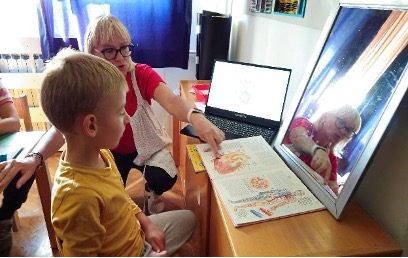
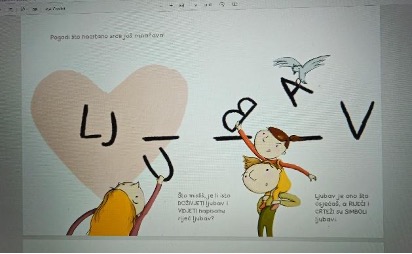
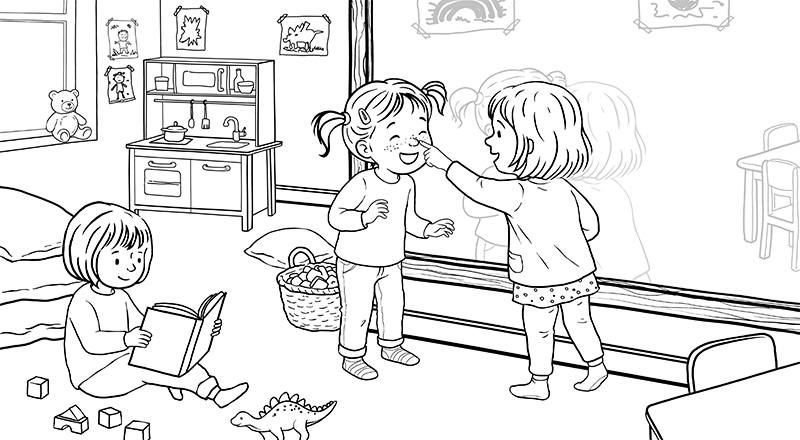
Present the picture book to the children. Use its interactive elements to encourage discussion about media and to highlight the difference between the media world and the real world. Ask sensory-based questions, for example:
- Touch your nose. How does it feel? Can you feel it?
Use a mirror during the activity so children can see their reflection and observe what they are doing.
Offer mobile phones so children can take portraits of each other. Then encourage them to touch the nose on the screen and their own nose, compare the two, and talk about the differences between the media image and the real body.
Continue the discussion by introducing symbols:
- What are symbols?
- Do you know any symbols?
- What do they represent?
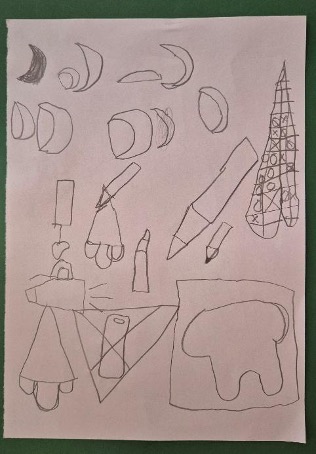
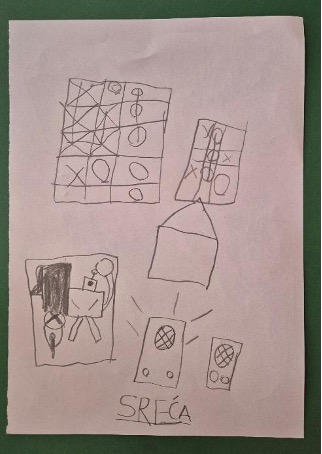
Offer art materials so children can create symbols, cut them out, and glue them onto a poster. Display the poster in the room and continue adding to it over time.
Taustteave ja didaktiline perspektiiv
This activity supports the development of children's ability to think critically about media content they encounter daily, such as animated films, advertisements, and video games, and to compare these with real-life situations. Through play, discussion, and comparison, using concrete examples and visual tasks, children become aware of the difference between the real and the imaginary world.
The activity also includes an emotional component, as children often associate media content with feelings of fun, safety, and excitement. This creates space to talk about what they like and why, while also developing awareness that not everything they see in media should be understood as real.
lasteaedade kogemused
L. P. looks at his reflection in the mirror while touching his nose and the reflected nose at the same time and comments: "My nose is soft and warm. The one in the mirror is cold and hard."
He touches his mouth: "My mouth in the mirror is cold, but the one I touch with my fingers is warm. The real me is the one I can touch. I can't touch the one in the mirror."
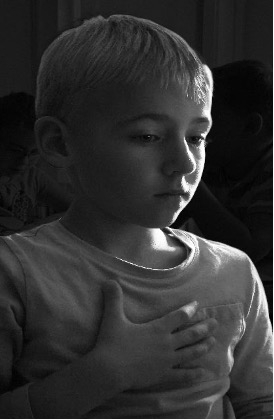
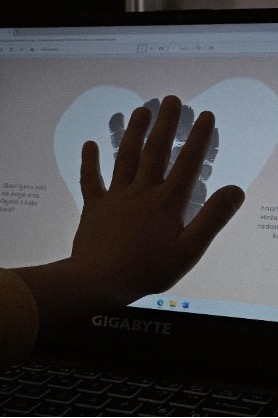
F. G. touches a heart symbol on the computer screen and places his hand on his chest at the same time. He concludes: "My heart is beating fast. I can feel it with my hand. The heart on the computer doesn't make a sound."
While browsing the digital picture book, E. P. says that the heart symbol means love. F. G. remembers a crossed-out mobile phone symbol he saw at the cinema and explains: "The phone is crossed out because you're not allowed to use it in the cinema. You can have it with you, but you mustn't use it while watching the film."
When asked if they know other symbols, L. P. says: "A smiley means everything is OK."
B. T. adds that a raised hand means STOP.
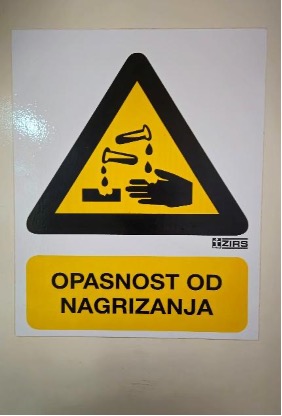
The children conclude that symbols are useful because it is easier to recognise a sign than to read text, especially for children who cannot yet read. They also notice signs in the kindergarten that confirm this (for example, a sign warning about chemicals with written text underneath).
Tegevuste pildid