Bilderbuch über Medien
Medienkompetenz für die Jüngsten
 Von der Europäischen Union finanziert. Die geäußerten Ansichten und Meinungen entsprechen jedoch ausschließlich denen des Autors bzw. der Autoren und spiegeln nicht zwingend die der Europäischen Union oder der Europäischen Exekutivagentur für Bildung und Kultur (EACEA) wider. Weder die Europäische Union noch die EACEA können dafür verantwortlich gemacht werden. |
 Alle Inhalte, insbesondere Texte, Bilder und Grafiken sind urheberrechtlich geschützt. Soweit es nicht ausdrücklich anders gekennzeichnet ist, liegen die Urheberrechte bei media.eduskills.plus und stehen unter der Creative Commons Namensnennung -Nicht kommerziell -Keine Bearbeitungen 4.0 International (CC BY-NC-ND 4.0) Lizenz. Sie dürfen im Rahmen der Lizenzbedingungen verwendet werden. |
2026 media.eduskills.plus
Lernergebnisse
Kompetenzen
|
|
|
Zielgruppe 5 Jahre und älter
|
|
Benötigte Materialien
|
Anleitung zur Aktivität (Schritt für Schritt)
Vorbereitung:
Ein Bilderbuch über Medien sowie Materialien für kreative Aktivitäten werden vorbereitet.
Durchführung:
Die Aktivität beginnt mit einem Gespräch mit den Kindern und Fragen wie:
- Was sind Medien?
- Welche Medien kennst du?
Das Bilderbuch wird den Kindern vorgestellt. Mithilfe seiner interaktiven Elemente wird eine Diskussion über Medien angeregt und der Unterschied zwischen der Medienwelt und der realen Welt verdeutlicht. Es werden sinnesorientierte Fragen gestellt, zum Beispiel:
- Berühre deine Nase. Wie fühlt sie sich an? Kannst du sie fühlen?
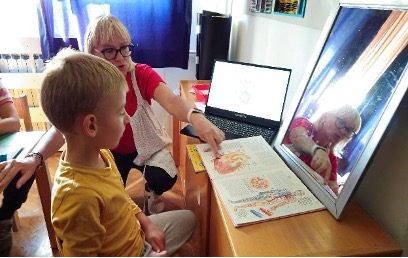
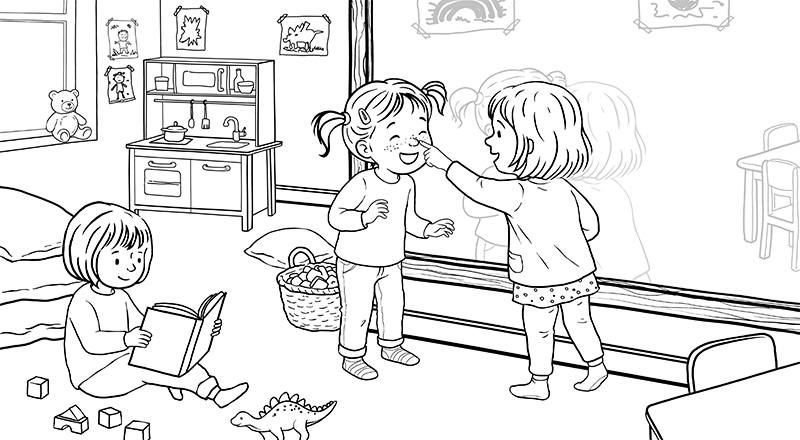
Während der Aktivität wird ein Spiegel verwendet, damit die Kinder ihr Spiegelbild sehen und beobachten können, was sie tun.
Den Kindern werden Mobiltelefone angeboten, damit sie gegenseitig Porträts aufnehmen können. Anschließend werden sie dazu angeregt, die Nase auf dem Bildschirm und ihre eigene Nase zu berühren, beides zu vergleichen und über die Unterschiede zwischen dem Medienbild und dem realen Körper zu sprechen.
Die Diskussion wird durch die Einführung von Symbolen fortgesetzt:
- Was sind Symbole?
- Kennst du irgendwelche Symbole?
- Was stellen sie dar?
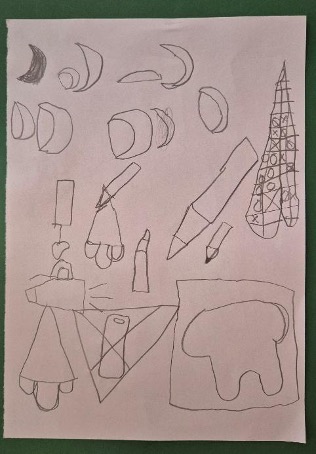
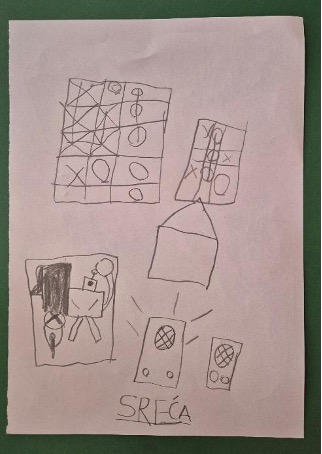
Kunstmaterialien werden angeboten, damit die Kinder Symbole gestalten, ausschneiden und auf ein Plakat kleben können. Das Plakat wird im Raum aufgehängt und im Laufe der Zeit weiter ergänzt.
Hintergrundinformationen und didaktische Perspektiven
Diese Aktivität unterstützt die Entwicklung der Fähigkeit von Kindern, Medieninhalte, denen sie täglich begegnen, wie Animationsfilme, Werbung und Videospiele, kritisch zu reflektieren und mit realen Situationen zu vergleichen. Durch Spiel, Gespräch und Vergleich anhand konkreter Beispiele und visueller Aufgaben werden Kinder für den Unterschied zwischen der realen und der imaginären Welt sensibilisiert.
Die Aktivität beinhaltet auch eine emotionale Komponente, da Kinder Medieninhalte häufig mit Gefühlen wie Spaß, Sicherheit und Spannung verbinden. Dadurch entsteht Raum, darüber zu sprechen, was sie mögen und warum, und gleichzeitig ein Bewusstsein dafür zu entwickeln, dass nicht alles, was sie in Medien sehen, als real verstanden werden sollte.
Erfahrungen aus Kindergärten
L. P. schaut in den Spiegel, während er gleichzeitig seine Nase und die gespiegelte Nase berührt, und kommentiert: "Meine Nase ist weich und warm. Die im Spiegel ist kalt und hart."
Er berührt seinen Mund: "Mein Mund im Spiegel ist kalt, aber der, den ich mit meinen Fingern berühre, ist warm. Das echte Ich ist das, das ich berühren kann. Den im Spiegel kann ich nicht berühren."
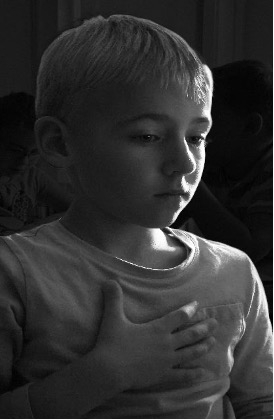
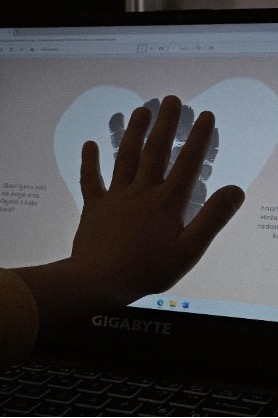
F. G. berührt ein Herzsymbol auf dem Computerbildschirm und legt gleichzeitig seine Hand auf seine Brust. Er schließt: "Mein Herz schlägt schnell. Ich kann es mit meiner Hand fühlen. Das Herz auf dem Computer macht kein Geräusch."
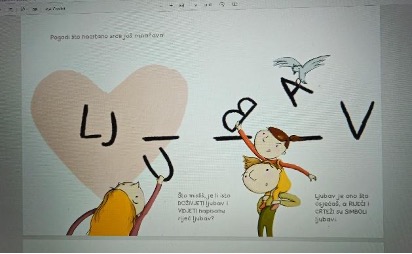
Beim Durchblättern des digitalen Bilderbuchs sagt E. P., dass das Herzsymbol Liebe bedeutet. F. G. erinnert sich an ein durchgestrichenes Handy-Symbol, das er im Kino gesehen hat, und erklärt: "Das Handy ist durchgestrichen, weil man es im Kino nicht benutzen darf. Man darf es dabei haben, aber man darf es nicht benutzen, während man den Film schaut."
Auf die Frage, ob sie andere Symbole kennen, sagt L. P.: "Ein Smiley bedeutet, dass alles in Ordnung ist."
B. T. ergänzt, dass eine erhobene Hand STOP bedeutet.
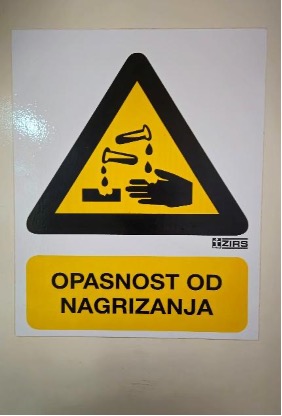
Die Kinder kommen zu dem Schluss, dass Symbole nützlich sind, weil es einfacher ist, ein Zeichen zu erkennen, als Text zu lesen, besonders für Kinder, die noch nicht lesen können. Sie bemerken außerdem Schilder im Kindergarten, die dies bestätigen (zum Beispiel ein Warnschild für Chemikalien mit einem schriftlichen Hinweis darunter).
Fotos der Aktivität