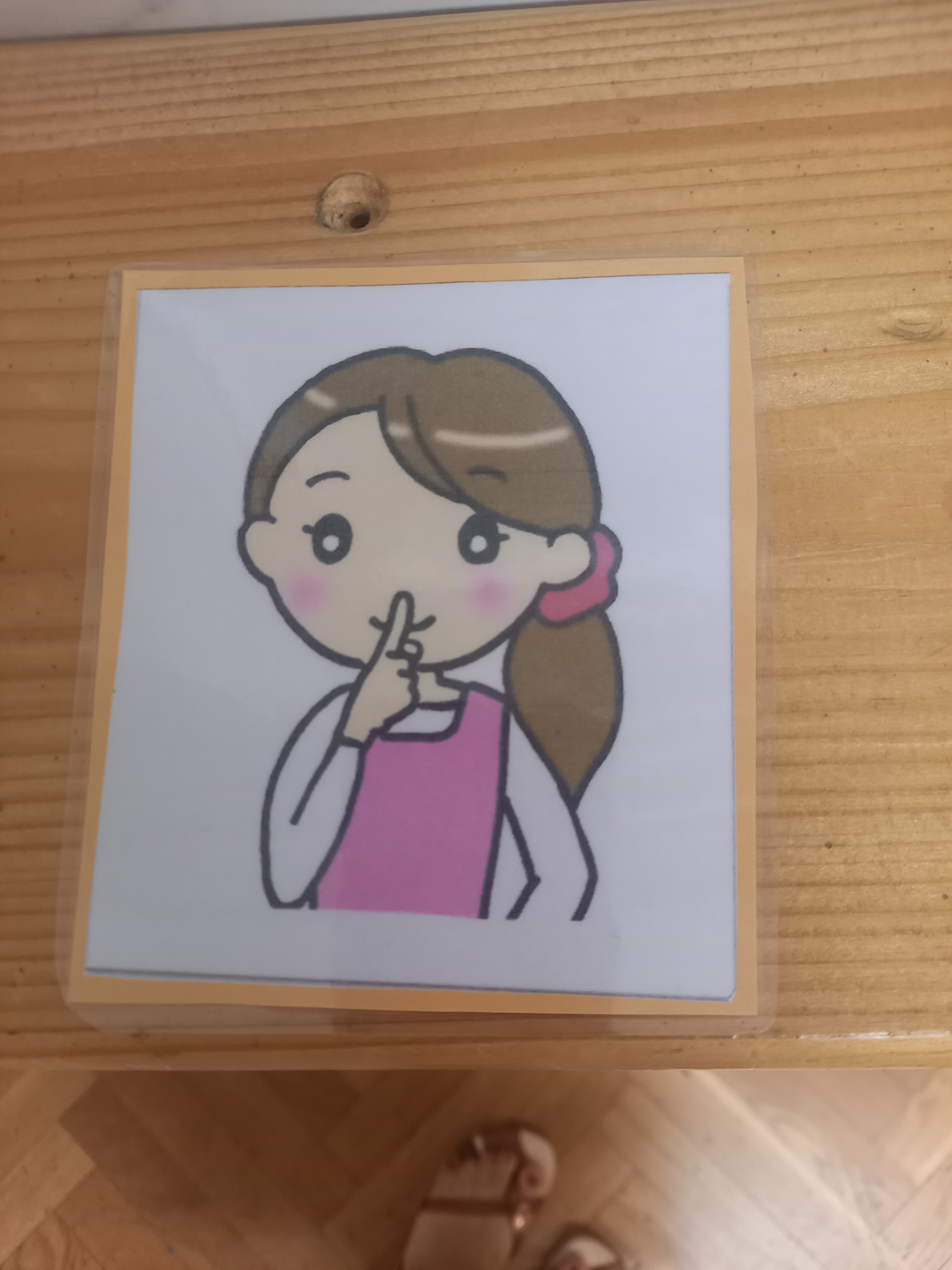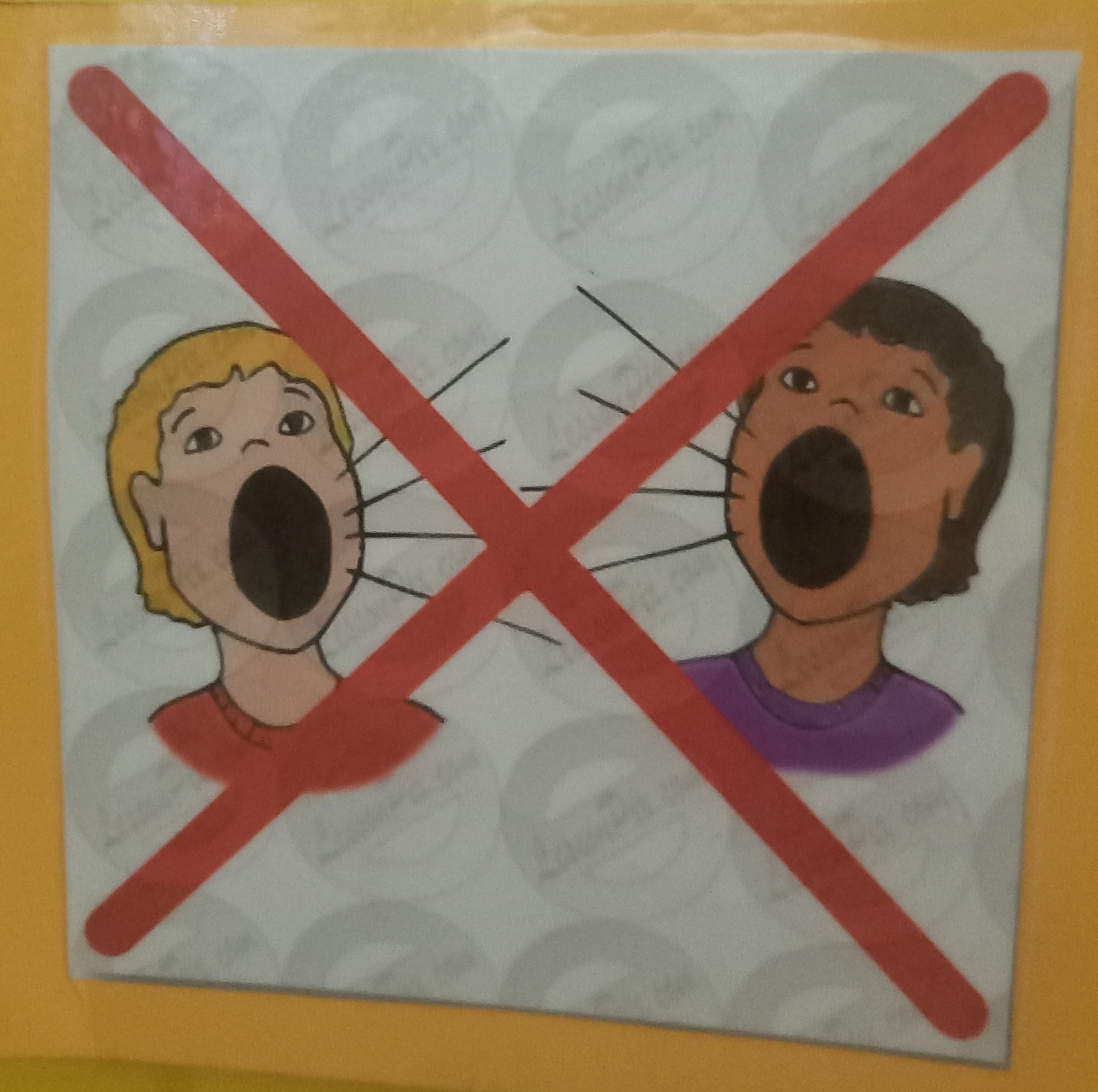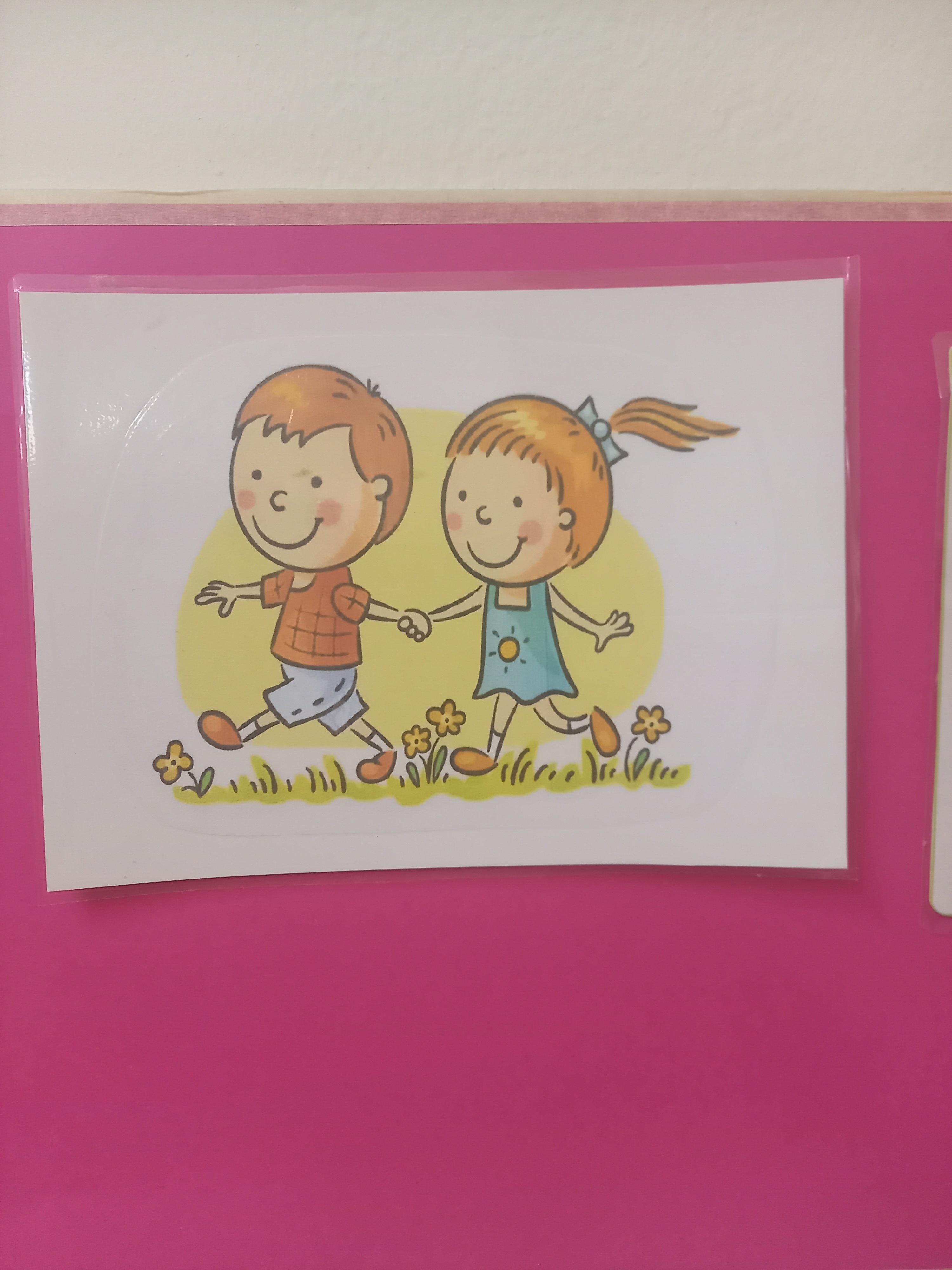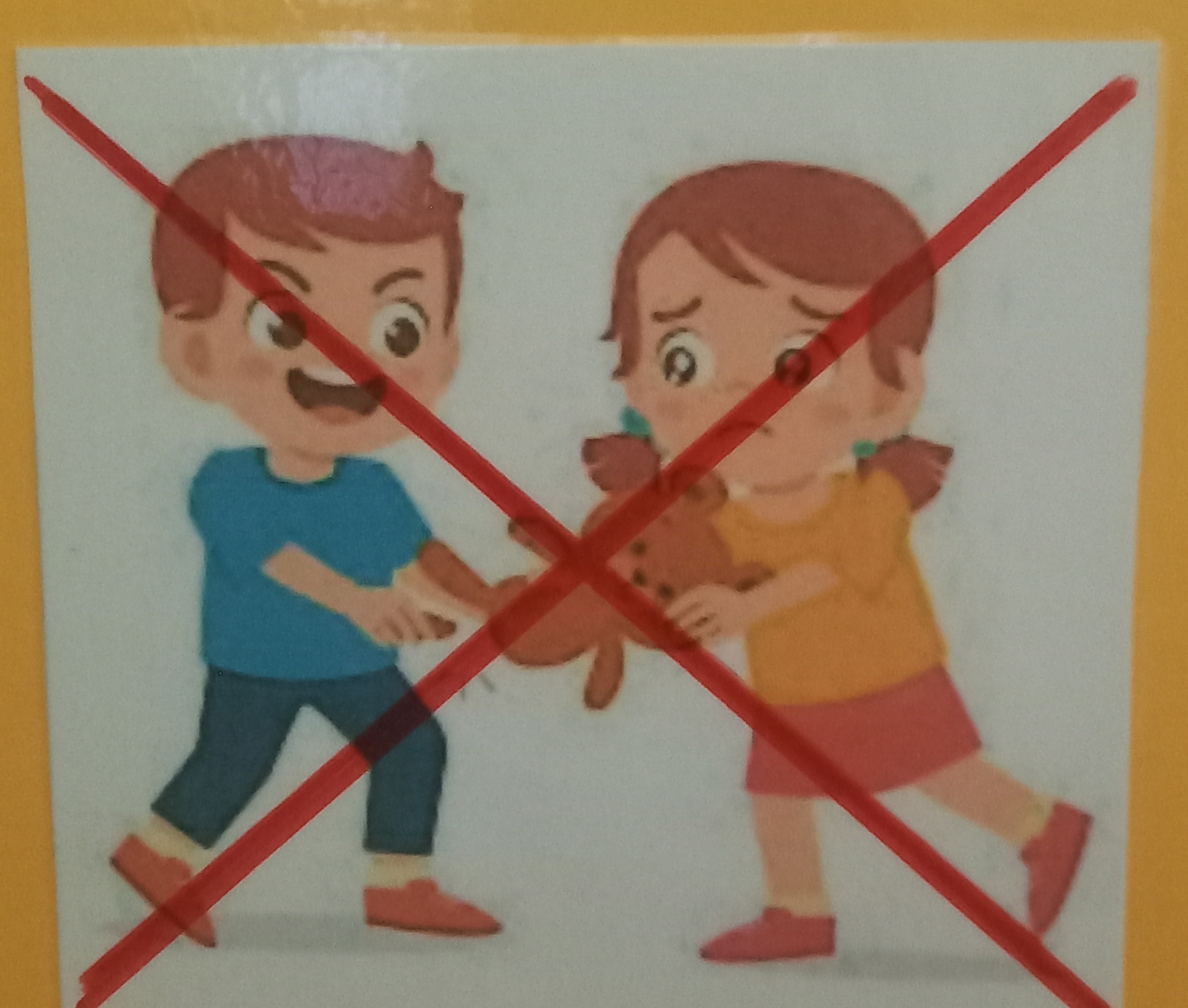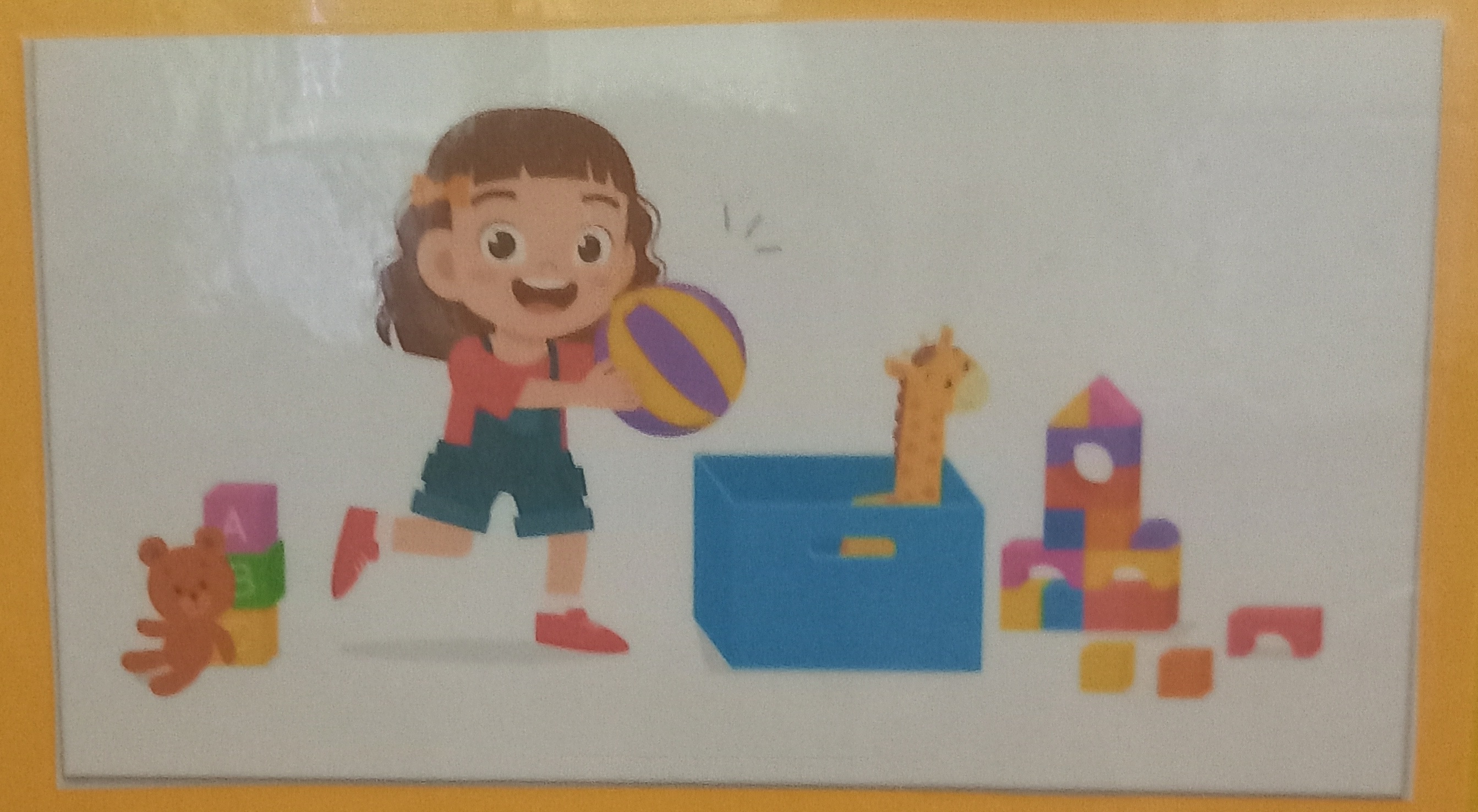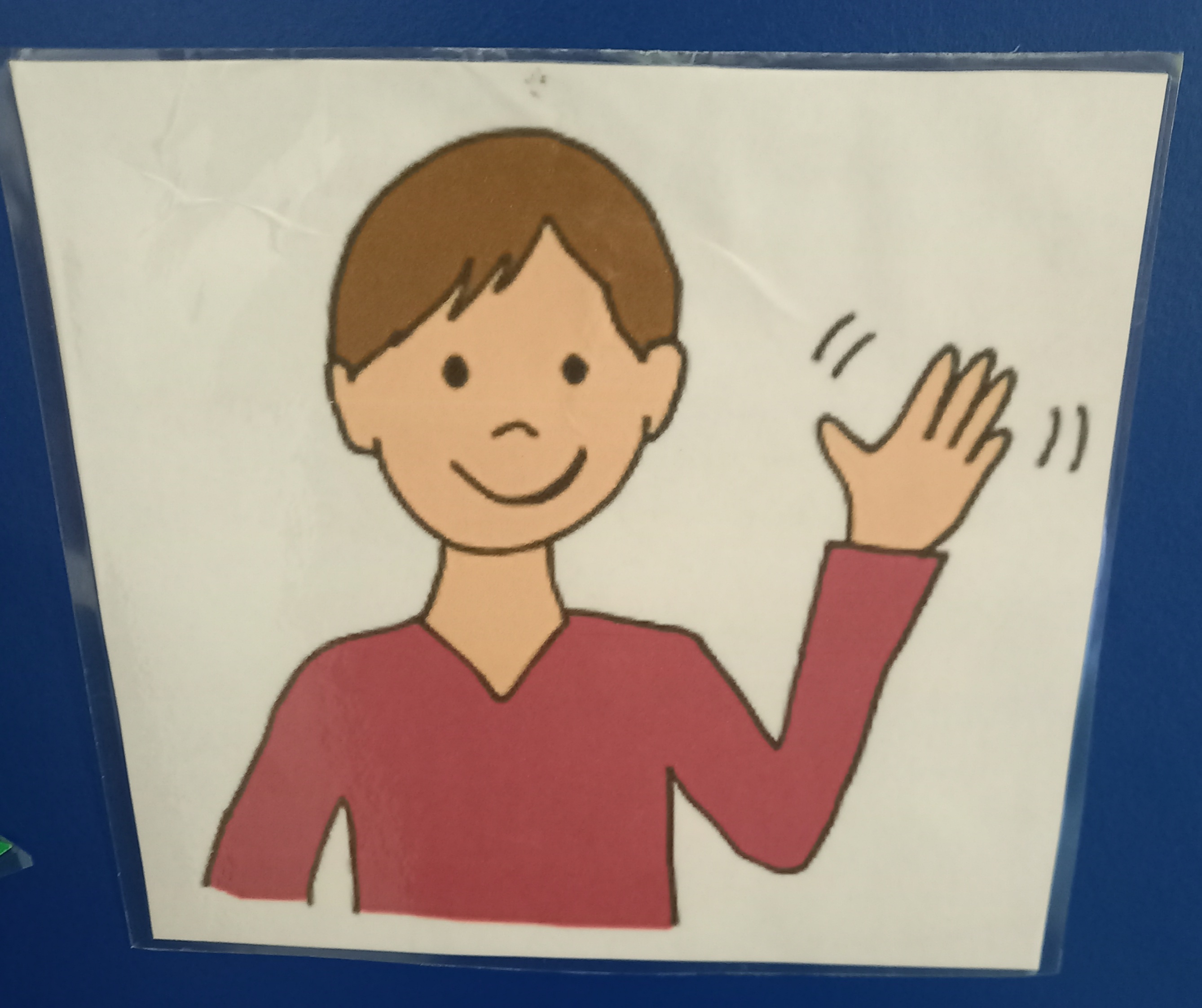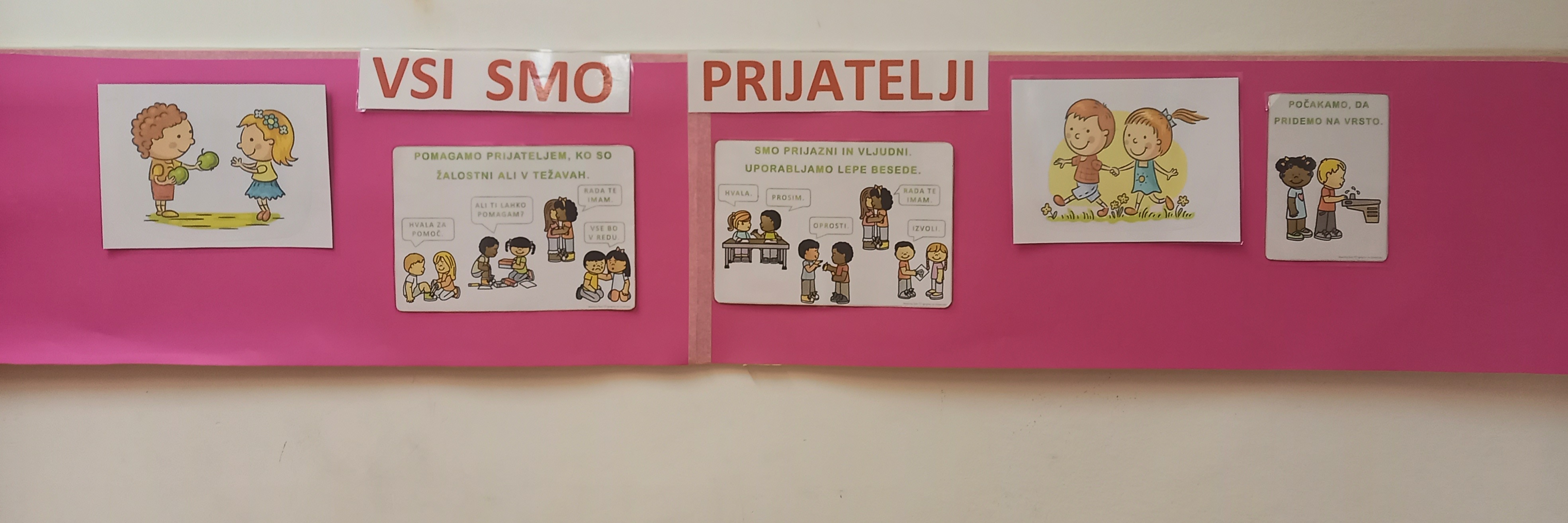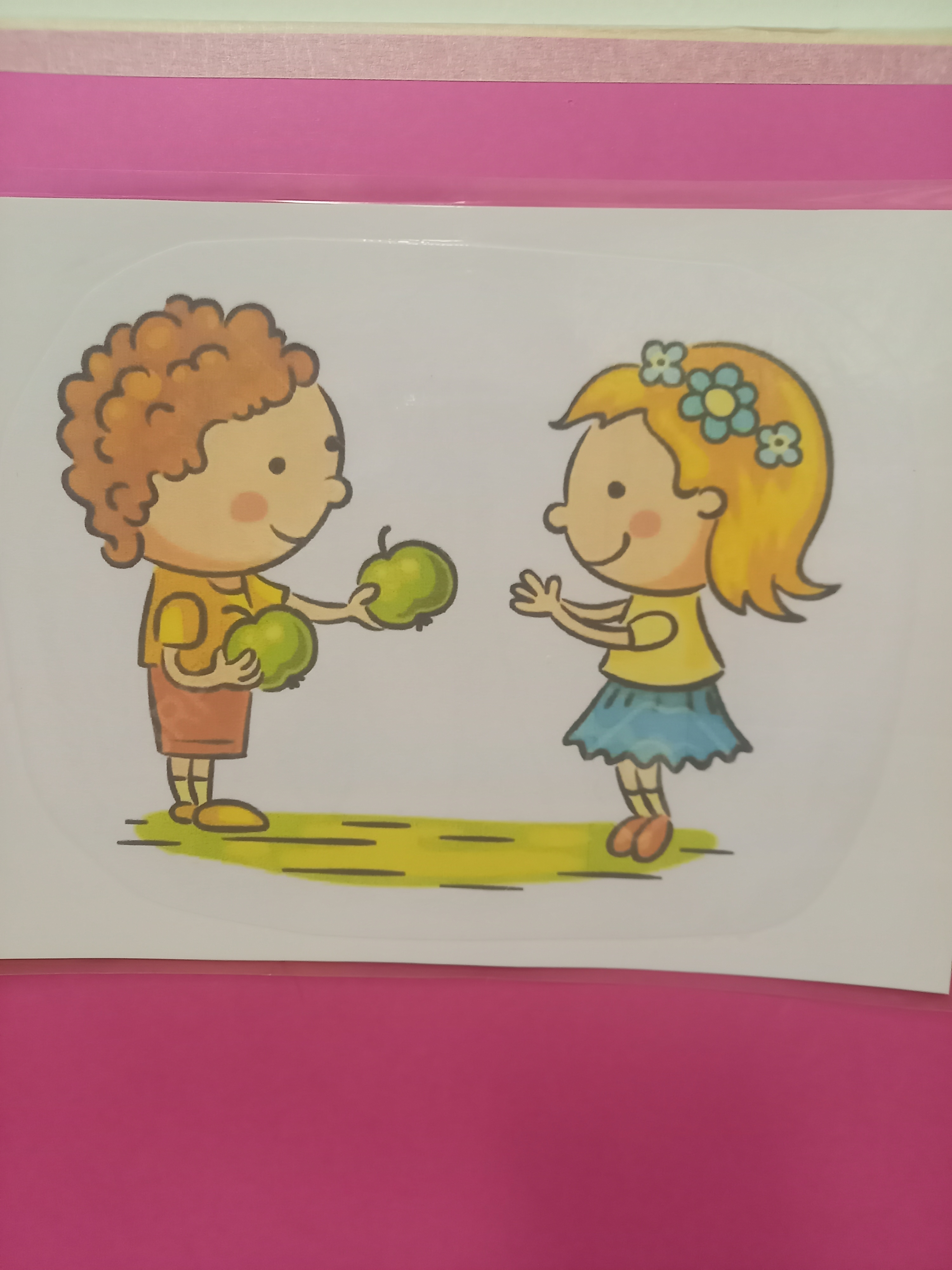
Piktogrami
Pravila igre z vrstniki
 Financirano s strani Evropske unije. Izražena stališča in mnenja so zgolj stališča in mnenja avtorja(-ev) in ni nujno, da odražajo stališča in mnenja Evropske unije ali Evropske izvajalske agencije za izobraževanje in kulturo (EACEA). Zanje ne moreta biti odgovorna niti Evropska unija niti EACEA. |
 Vse vsebine, še posebej teksti, slike in grafikoni so avtorsko zaščiteni. V kolikor izrecno ni določeno drugače, so avtorske pravice last media.eduskills.plus pod licenco Priznanje avtorstva - nekomercialna raba - brez predelav 4.0 mednarodna (CC BY - NC - ND 4.0 ). Uporabijo se lahko le v okviru licenčnih pogojev. |
2026 media.eduskills.plus
Učni izidi
Kompetence
|
|
|
Ciljna skupina 4 let in več
|
|
Potrebni pripomočki
|
Opis aktivnosti (po korakih)
Predpriprava
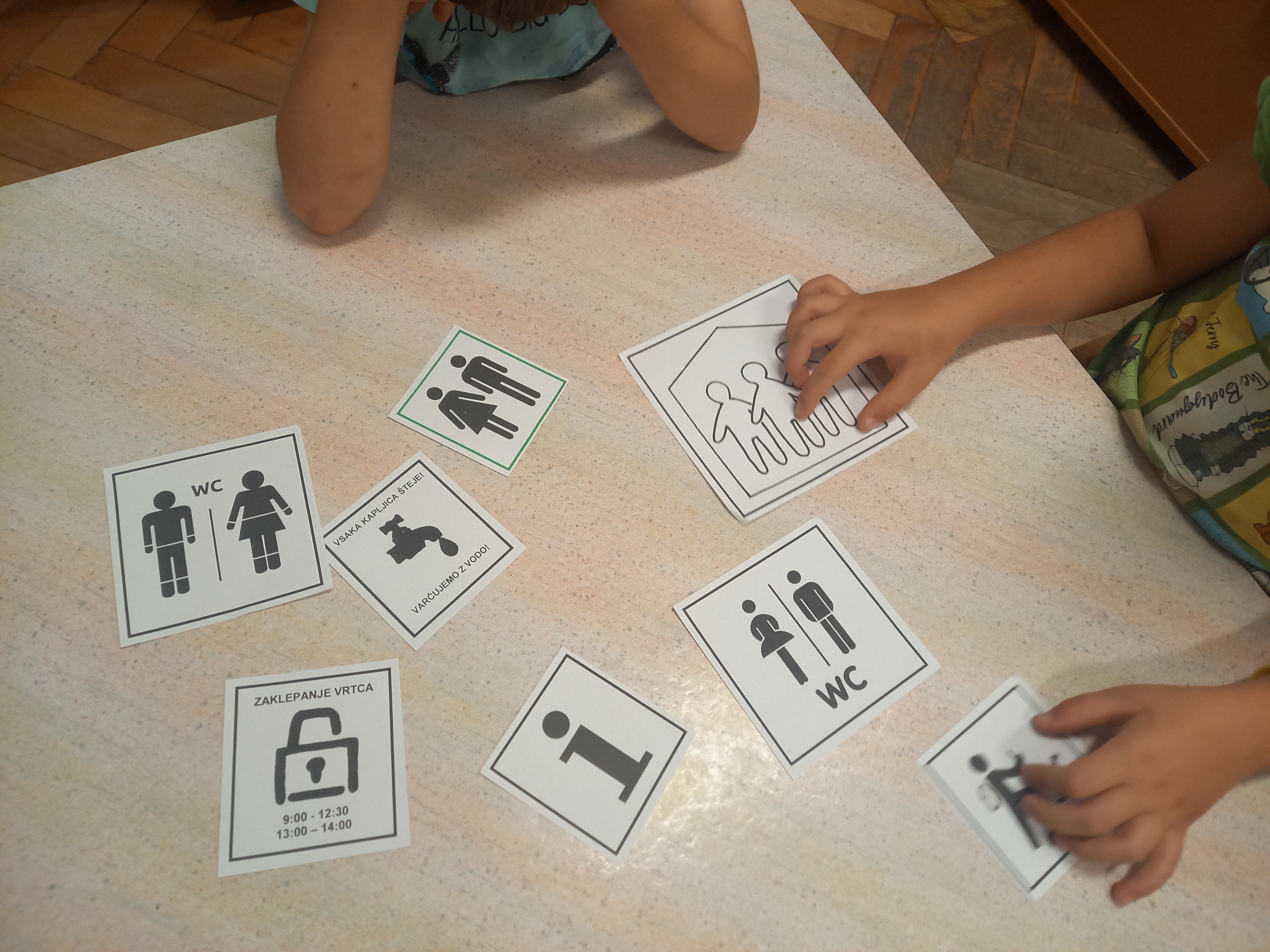
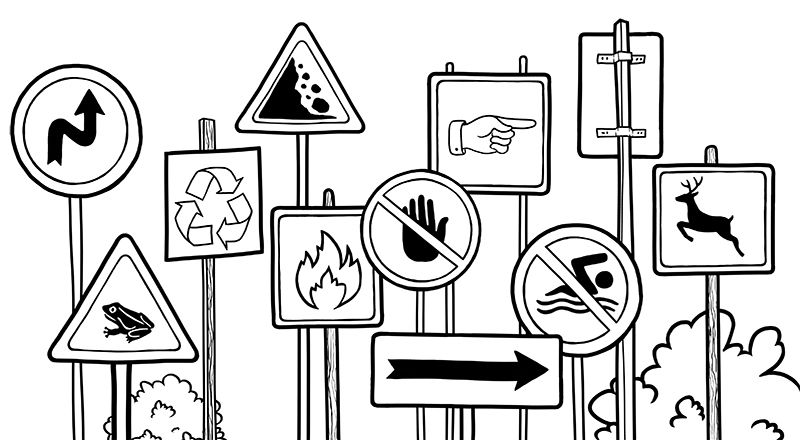
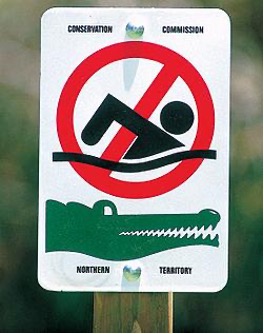
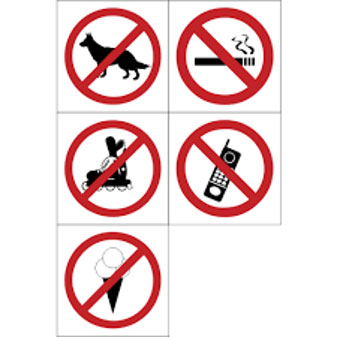
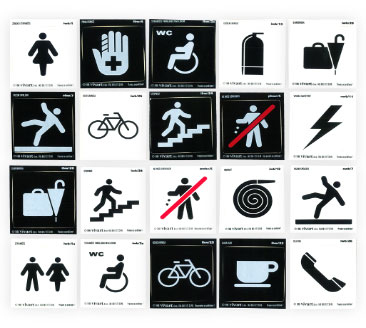
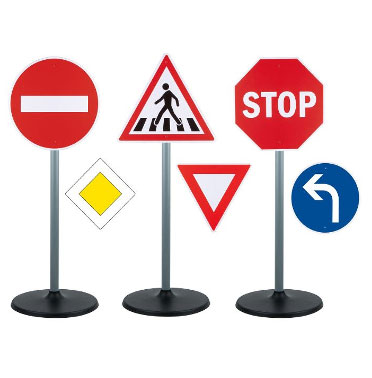
Otrokom pokažite različne znake – piktograme. Vprašajte jih ali so že videli podobne znake in kje so jih videli. Otroci opišejo svoje izkušnje z videnimi piktogrami. Ogledajo si piktograme in ugotavljajo njihove pomene. Pojasnite jim pomen posameznega znaka.
Implementacija
Otroke vprašajte, kako bi lahko s pomočjo piktogramov spodbudili novince, tujejezične otroke, otroke s posebnimi potrebami, da bi lažje razumeli dogovore in pravila medsebojne igre ter prijateljskega obnašanja.
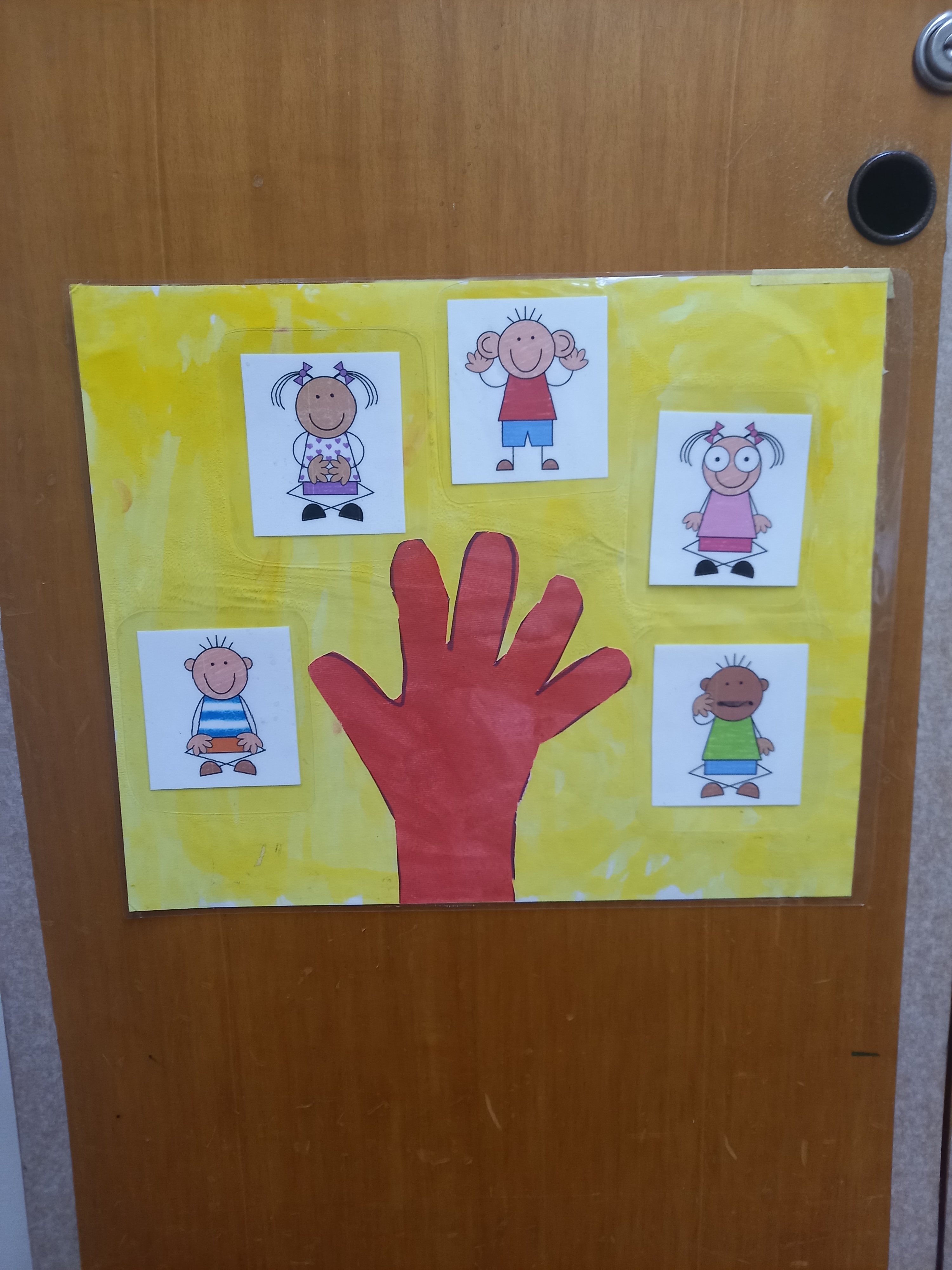
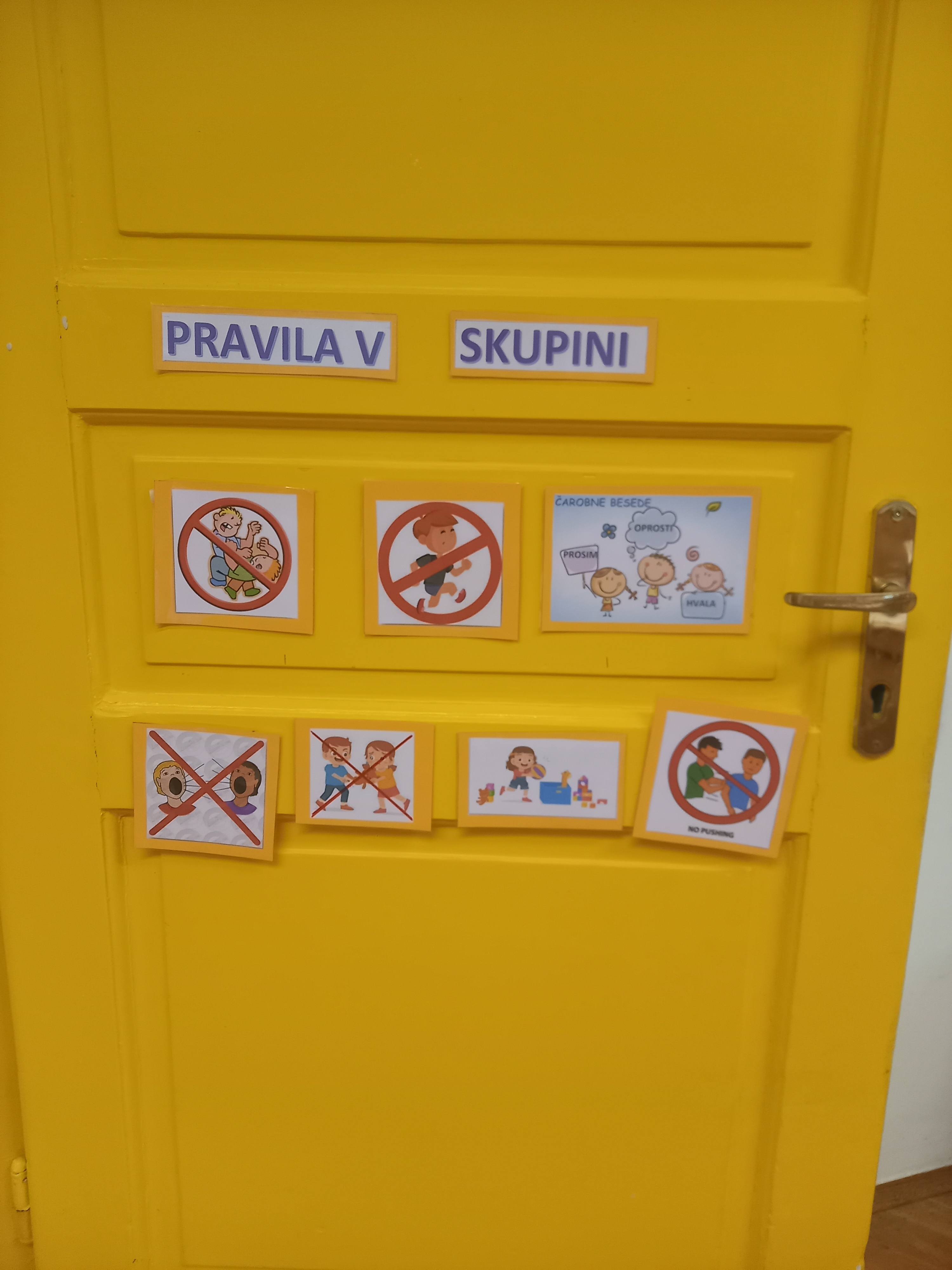
Otroci predlagajo, kam bi znake zalepili, da bodo dobro vidni vsem otrokom: na steno igralnice, na vrata. Otroci izberejo primerne znake in jih nalepijo recimo na vrata in steno v igralnici.
Refleksija
Vprašajte, ali menijo, da bodo vsi otroci takoj razumeli pomen razobešenih znakov. Skupaj razmislite, kaj bodo naredili, če kdo piktogramov ne bo upošteval.
Različice in dodatne ideje
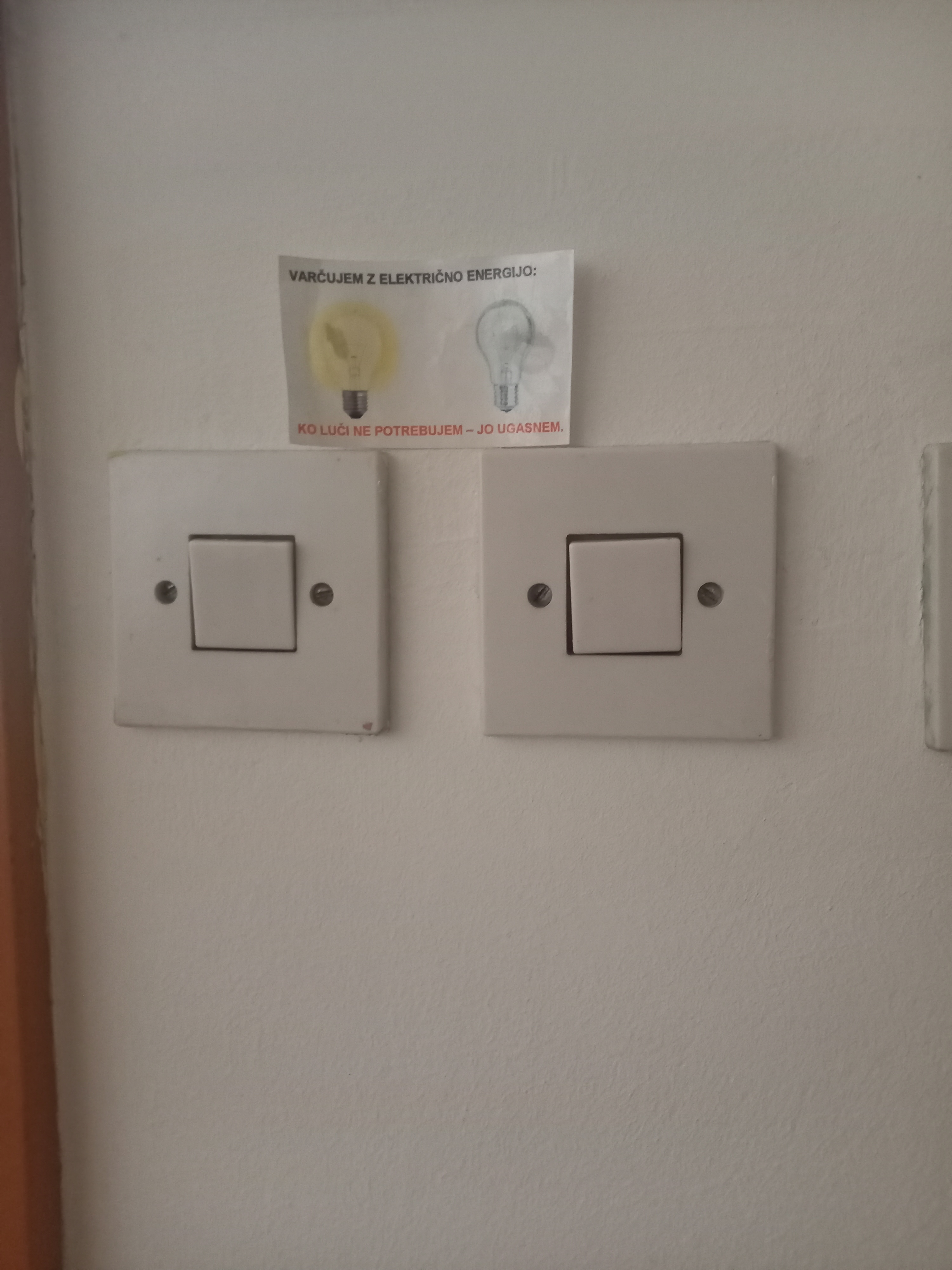
Otroci lahko z znaki opozarjajo vrstnike in odrasle npr. na varčevanje z elektriko, vodo, ločevanje odpadkov, neuporabo mobilnih telefonov in podobno.
Doma lahko skupaj s starši naredijo slikovni prikaz pravil, dogovorov in prepovedi doma.
Iz piktogramov lahko sestavijo zgodbo, pravljico in besede oziroma besedne zveze nadomestijo s sliko.
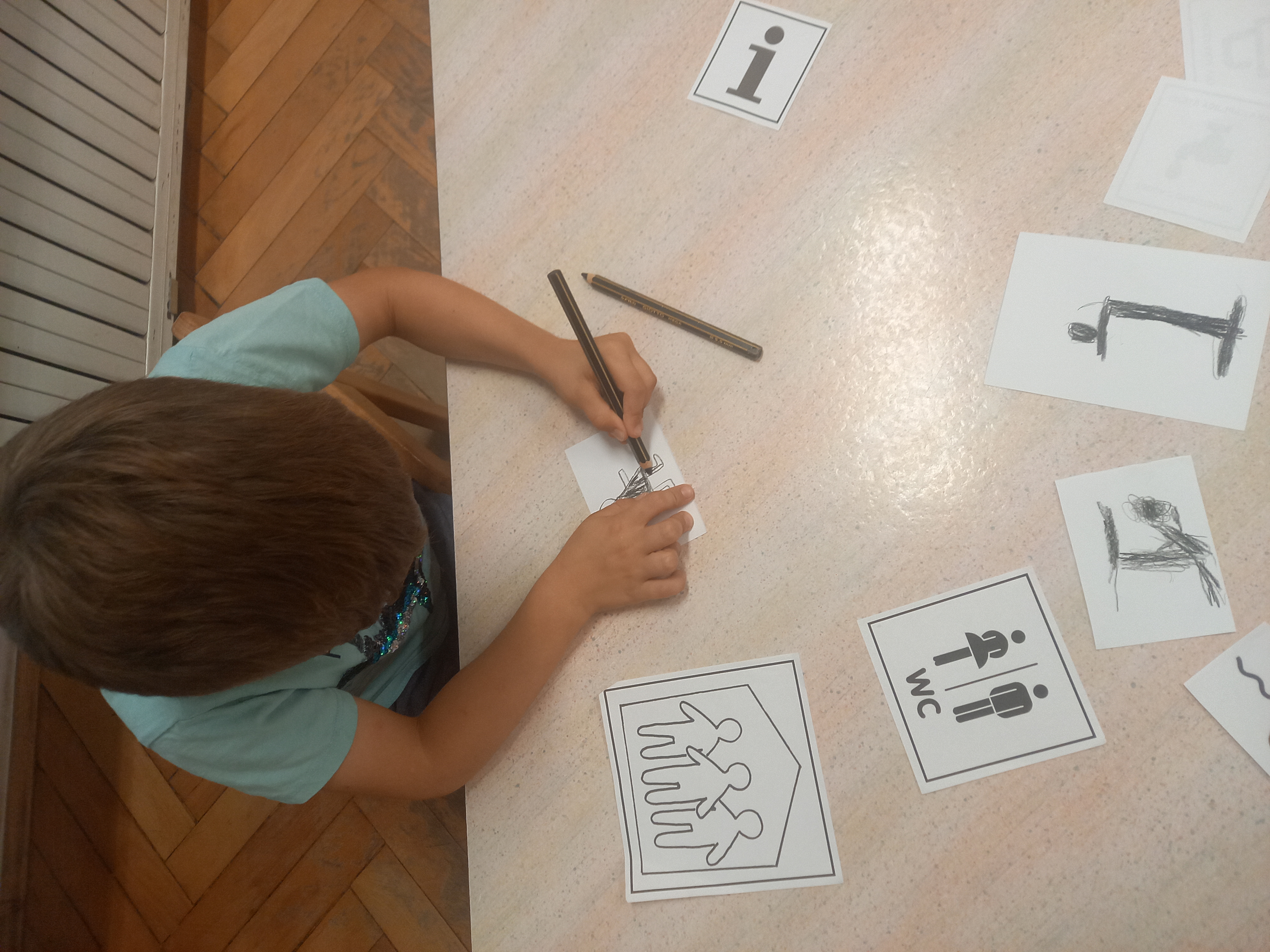
Otroci lahko sami narišejo svoje piktograme oziroma znake za igro v vrtcu.
Osnovne informacije in didaktična perspektiva
Dejavnost otrokom približa piktograme kot vizualno sredstvo za sporočanje pravil in dogovorov. Z opazovanjem, pogovorom in nameščanjem znakov v igralnici otroci spoznavajo, da lahko slike prenašajo pomen in olajšajo razumevanje, zlasti otrokom z različnimi jezikovnimi ozadji ali posebnimi potrebami. Dejavnost spodbuja razmišljanje o skupnih pravilih, odgovornosti in spoštljivem vedenju ter krepi vizualno pismenost in vključujočo komunikacijo.
Izkušnje iz vrtcev
Otroci so si z zanimanjem ogledovali različne piktograme in ugotavljali njihov pomen. Težave so imeli pri pojasnjevanju njihovega pomena, saj jih veliko prihaja iz tujejezičnega okolja. Povedali so, da so jim bolj všeč slike »ki imajo barve, saj črne niso tako lepe«. Posamezniki so svojo nalogo zelo resno vzeli in so večkrat dnevno posameznim otrokom pokazali razobešene slike.
Delovni list 1
Delovni list 2
Delovni list 3
Delovni list 4
Delovni list 5

Fotografije aktivnosti