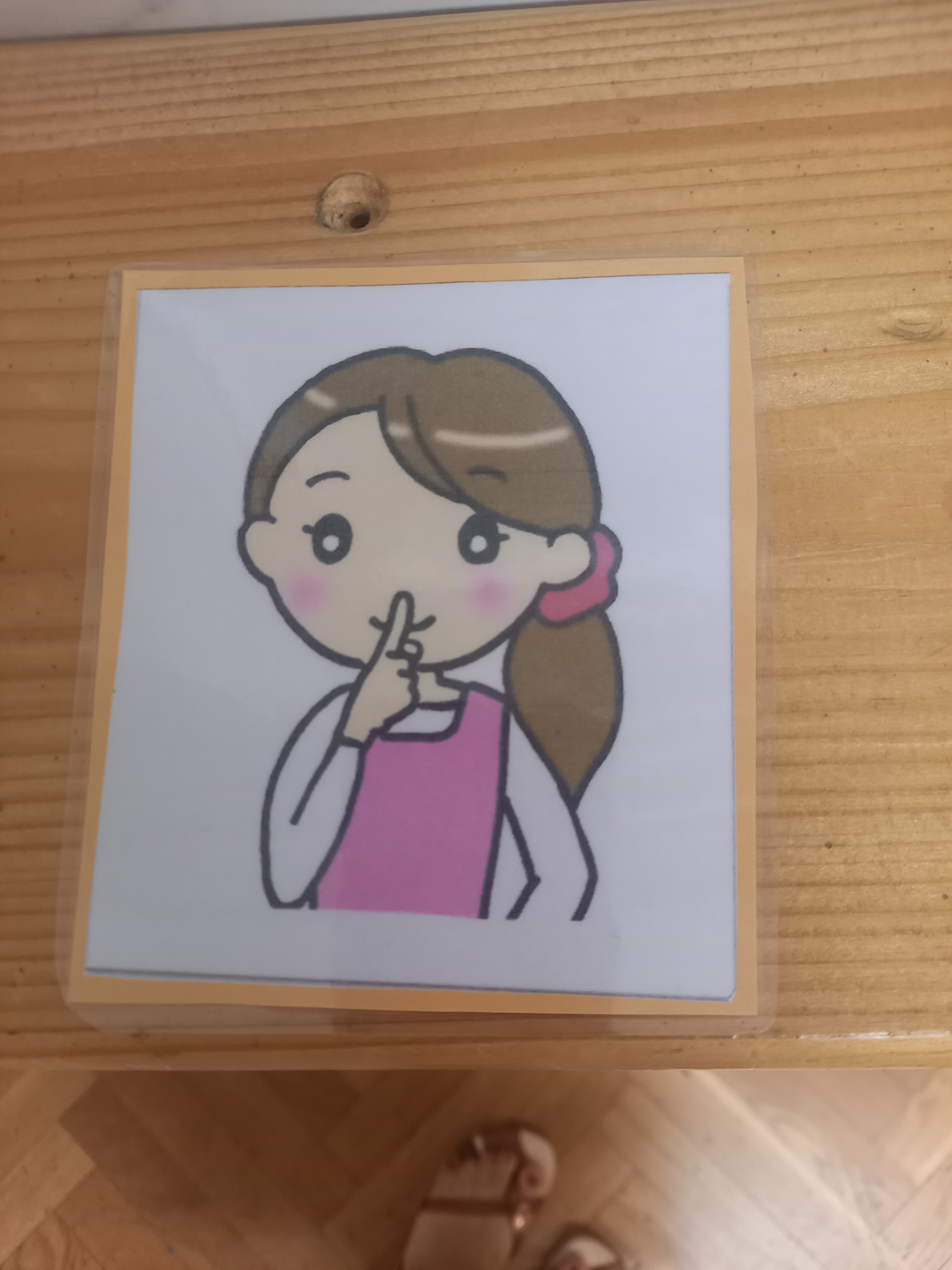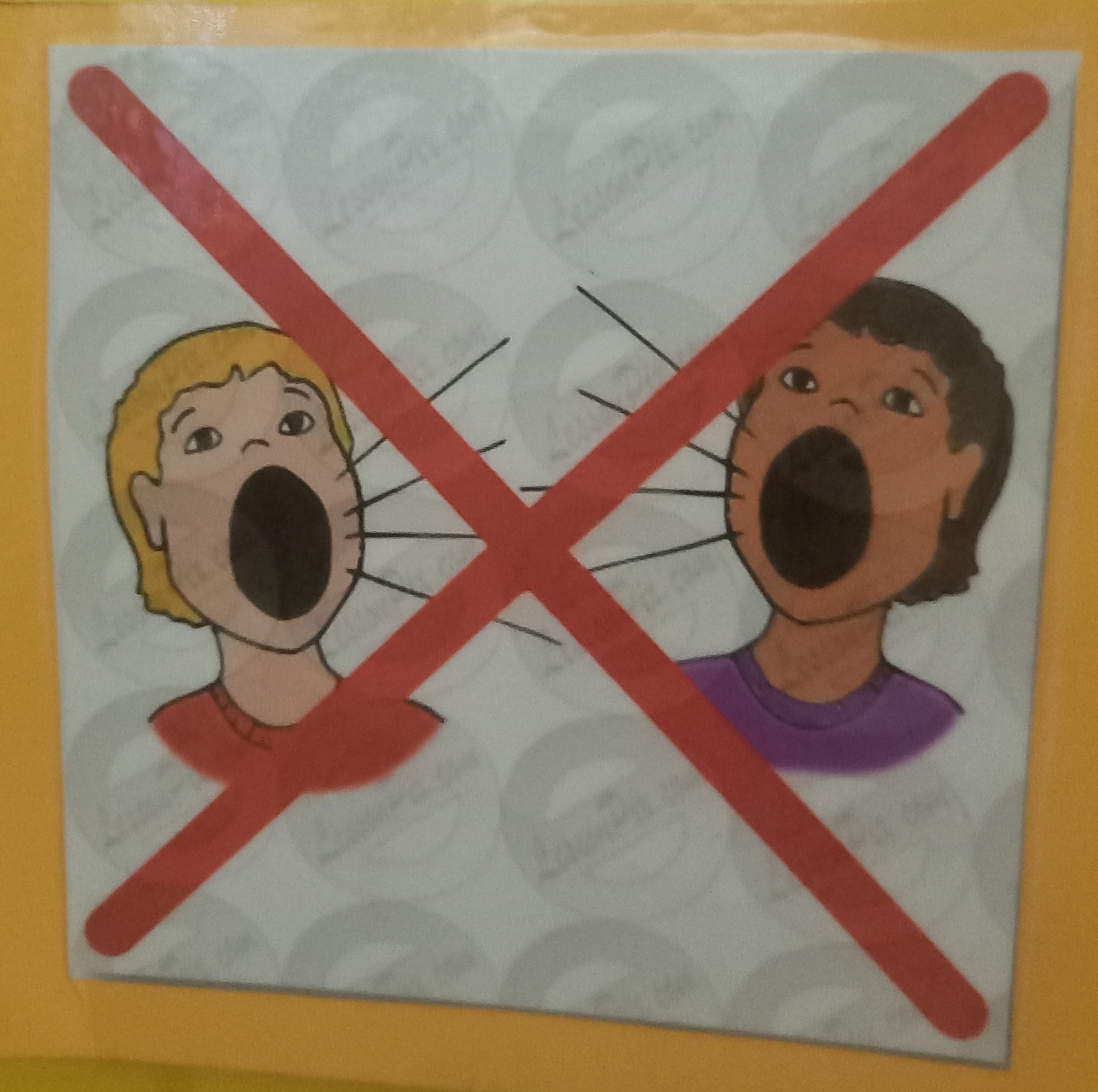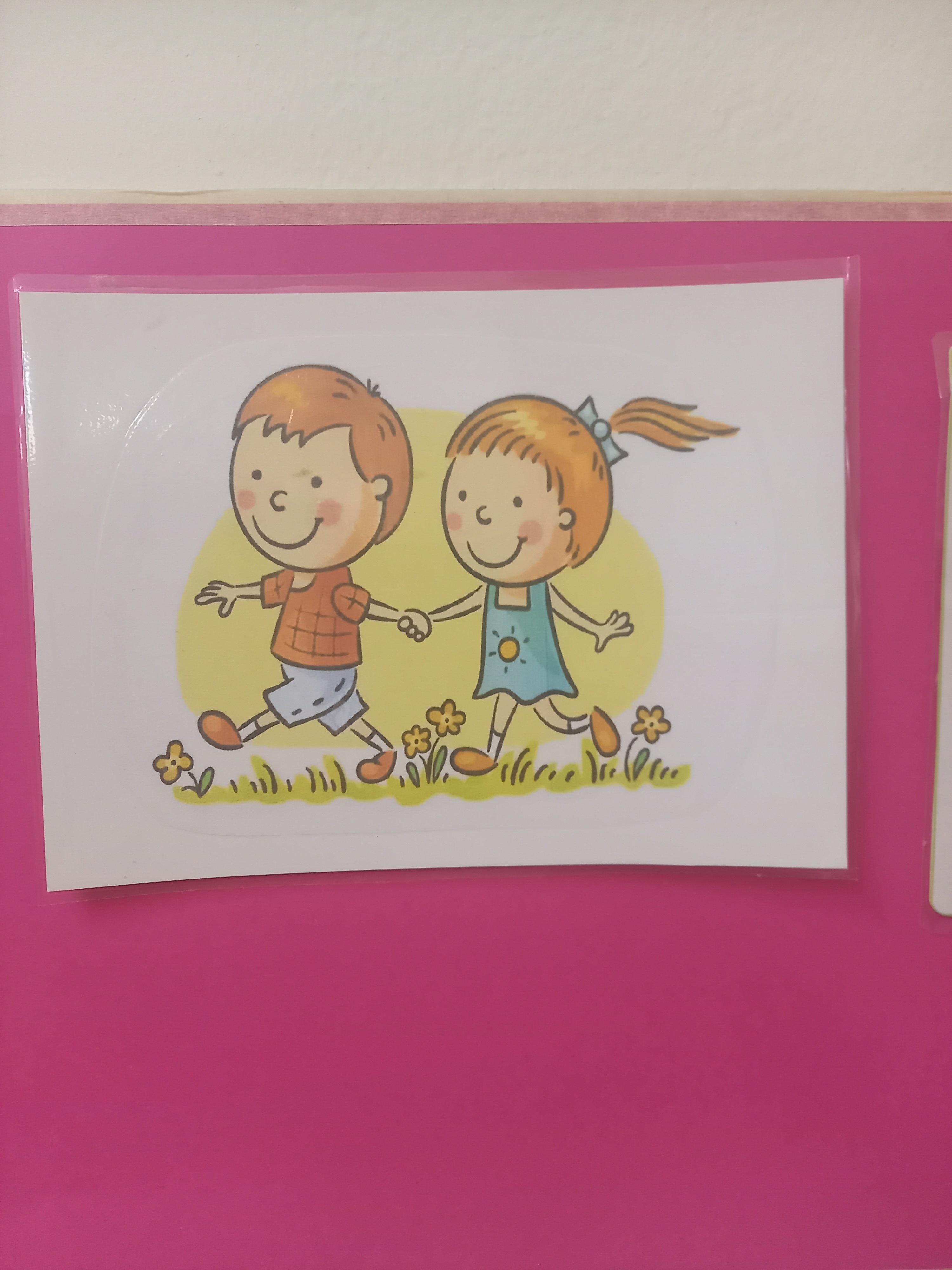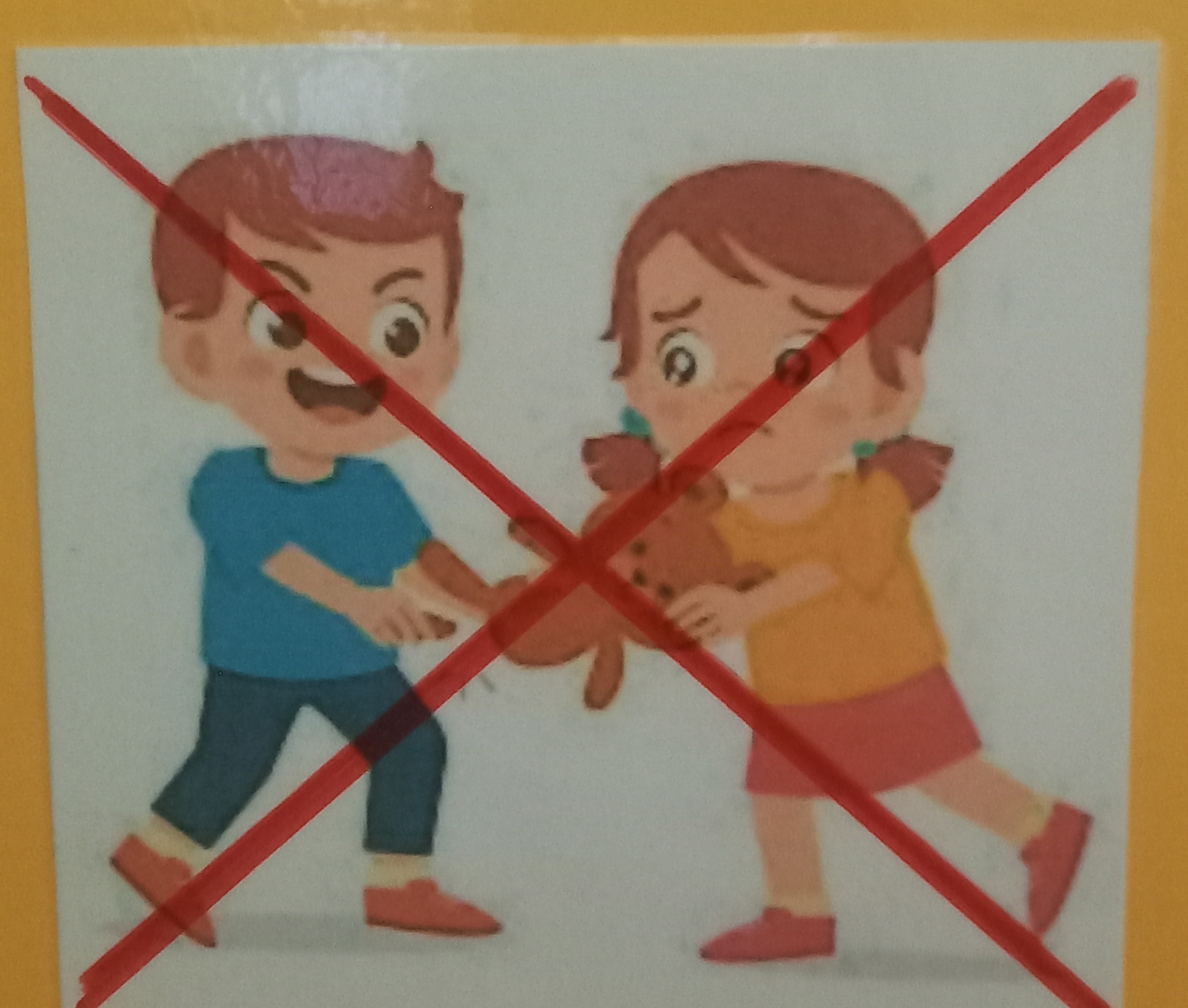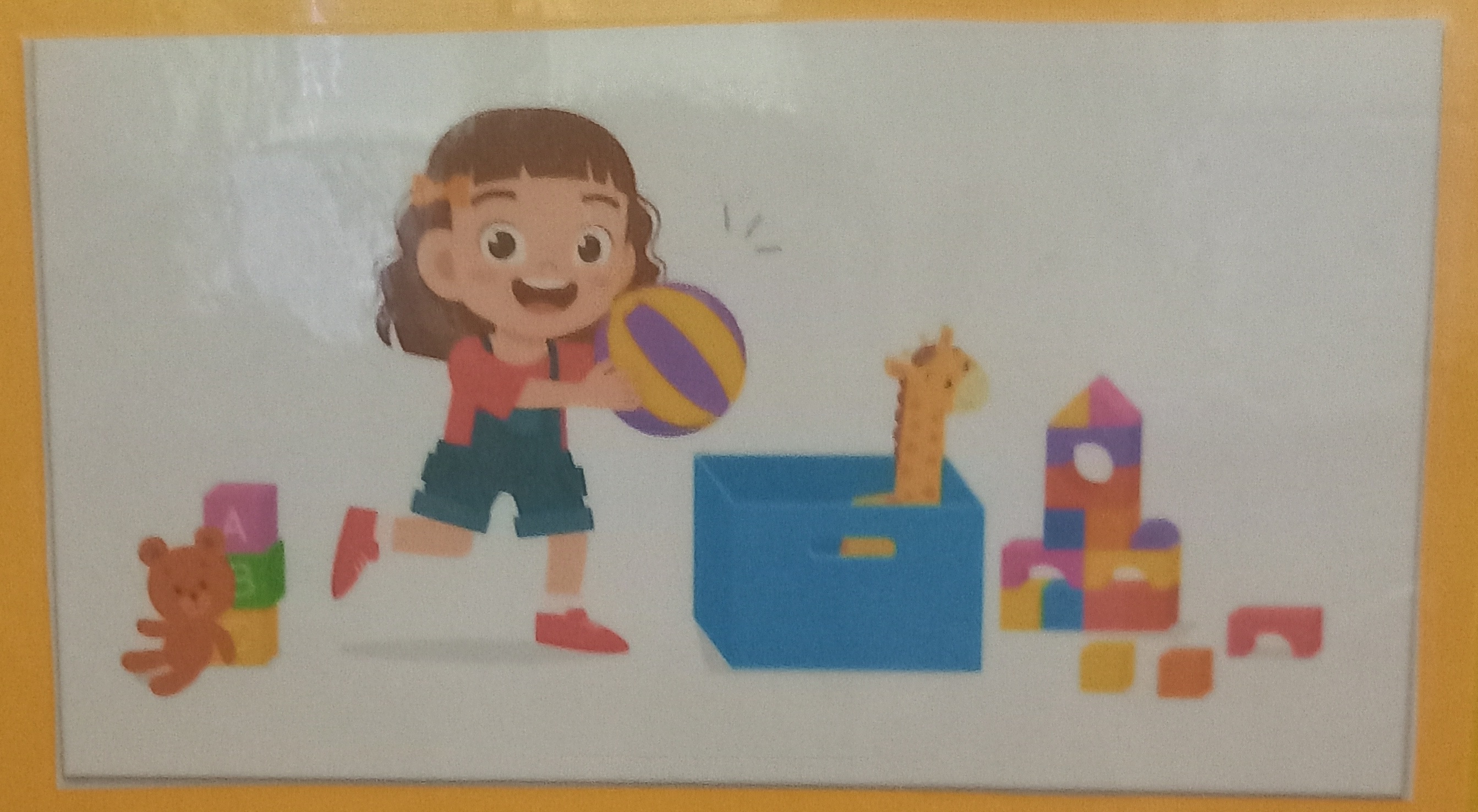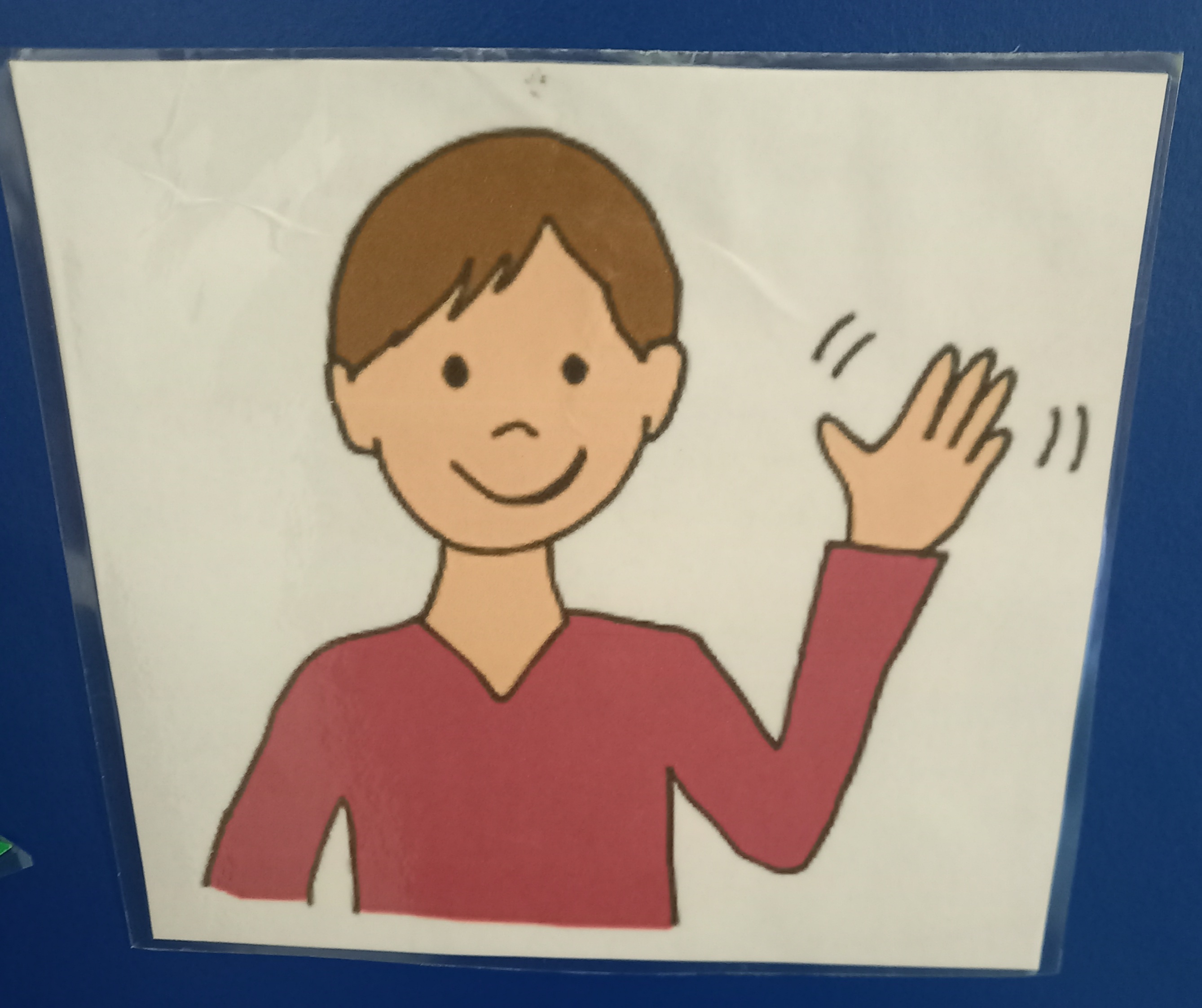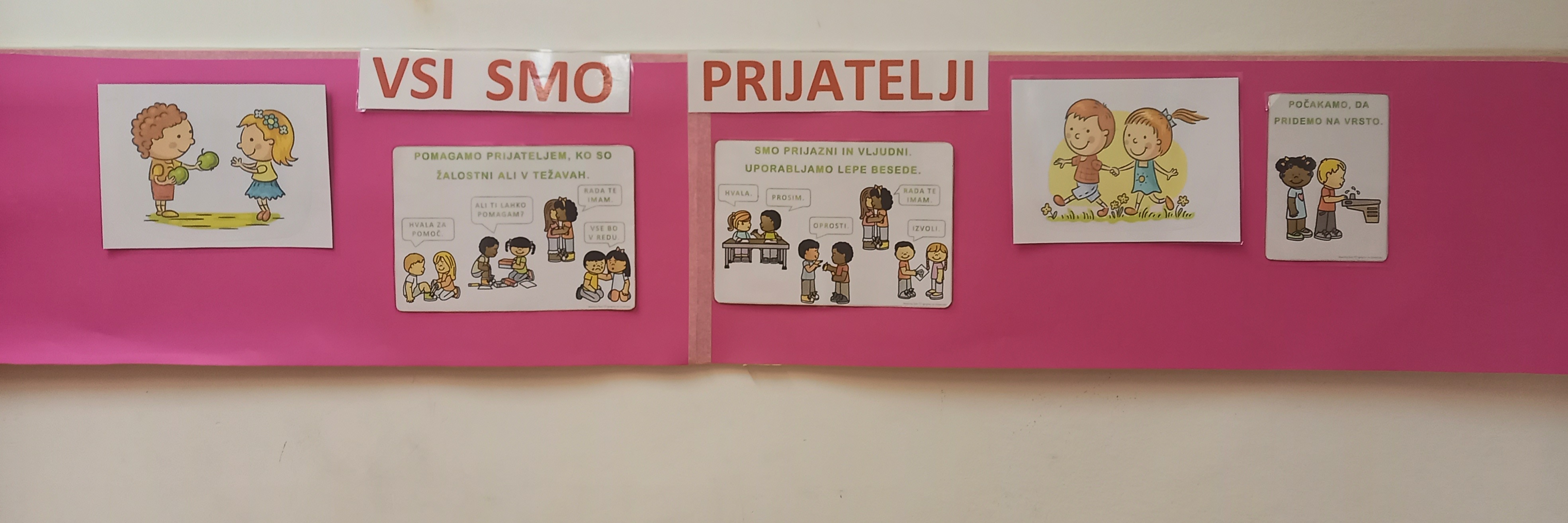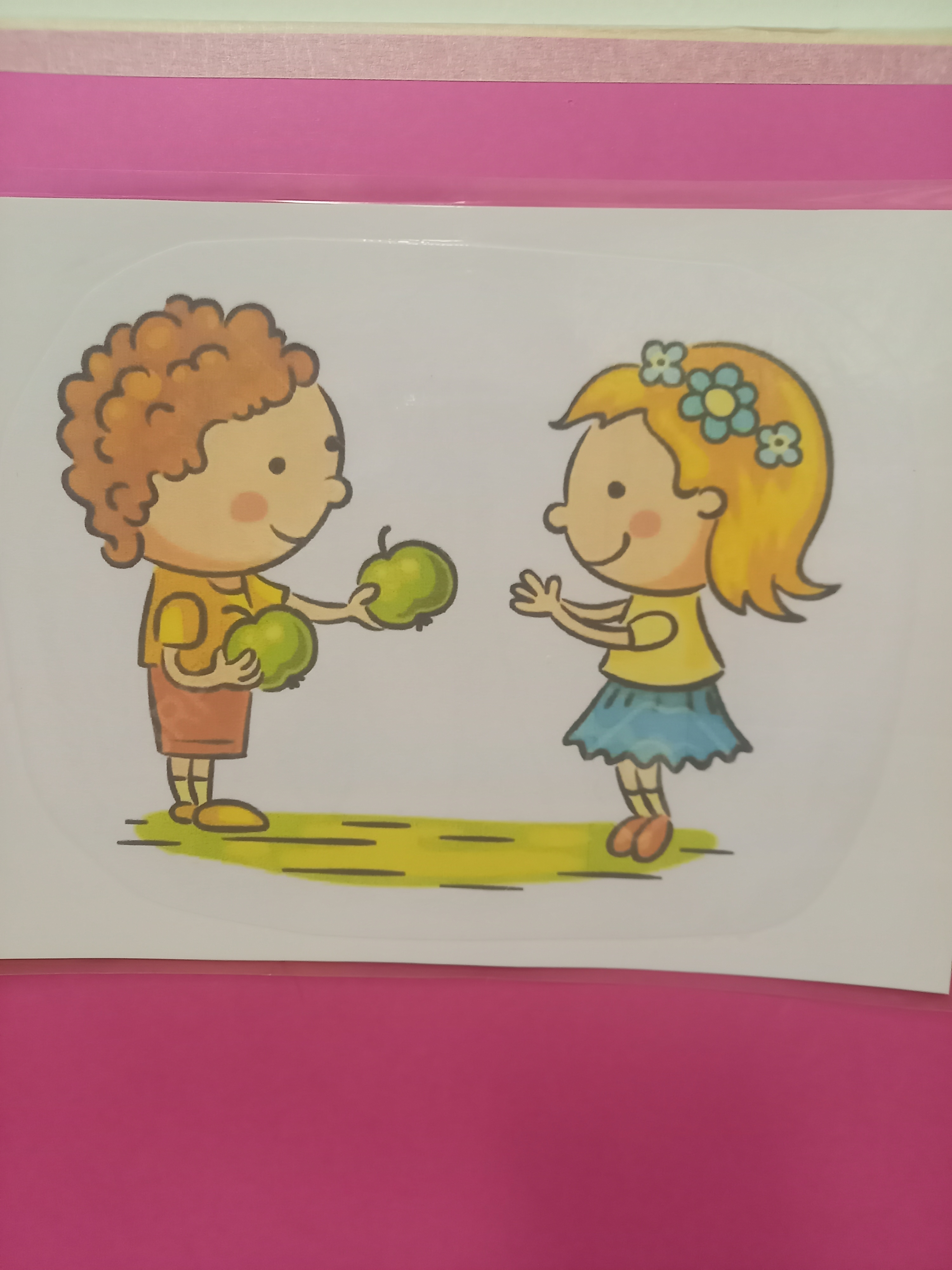
Piktogrami
Pravila igre s vršnjacima
 Financirano sredstvima Europske unije. Izneseni stavovi i mišljenja su stavovi i mišljenja autora i ne moraju se podudarati sa stavovima i mišljenjima Europske unije ili Europske izvršne agencije za obrazovanje i kulturu (EACEA). Ni Europska unija ni EACEA ne mogu se smatrati odgovornima za njih. |
 Svi sadržaji, a posebno tekstovi, slike i grafikoni, su zaštićeni autorskim pravima. Vlasnik autorskih prava, ukoliko nije drugačije označeno, je media.eduskills.plus, a autorsko pravo je definirano licencom Creative Commons Imenovanje-Nekomercijalno-Dijeli pod istim uvjetima 4.0 Međunarodna. Autorska prava mogu biti definirana uvjetima licence. |
2026 media.eduskills.plus
Ishodi učenja
Kompetencije
|
|
|
Ciljna skupina 4 godina i više
|
|
Potrebni materijali
|
Opis aktivnosti (korak po korak)
Priprema:
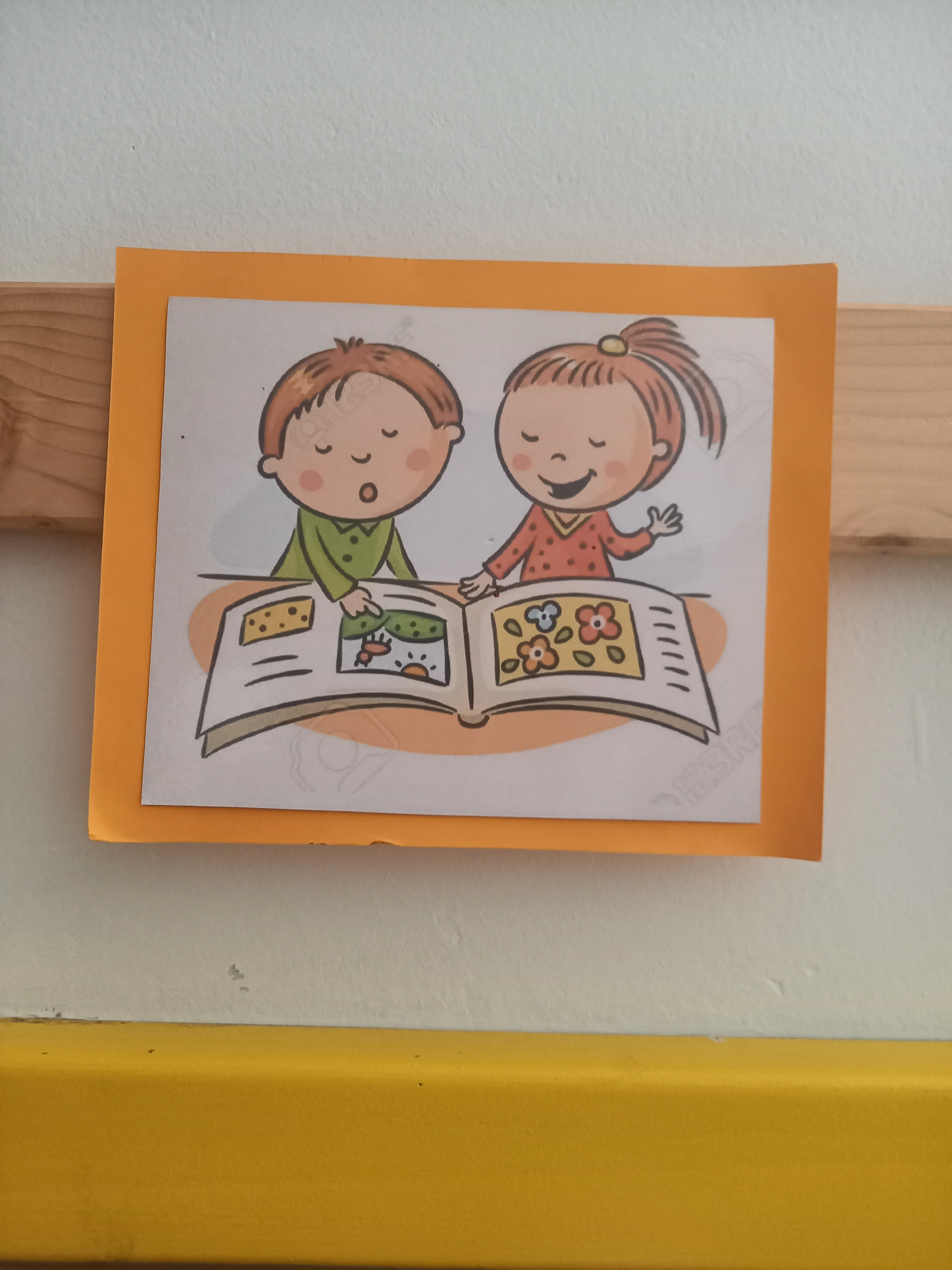
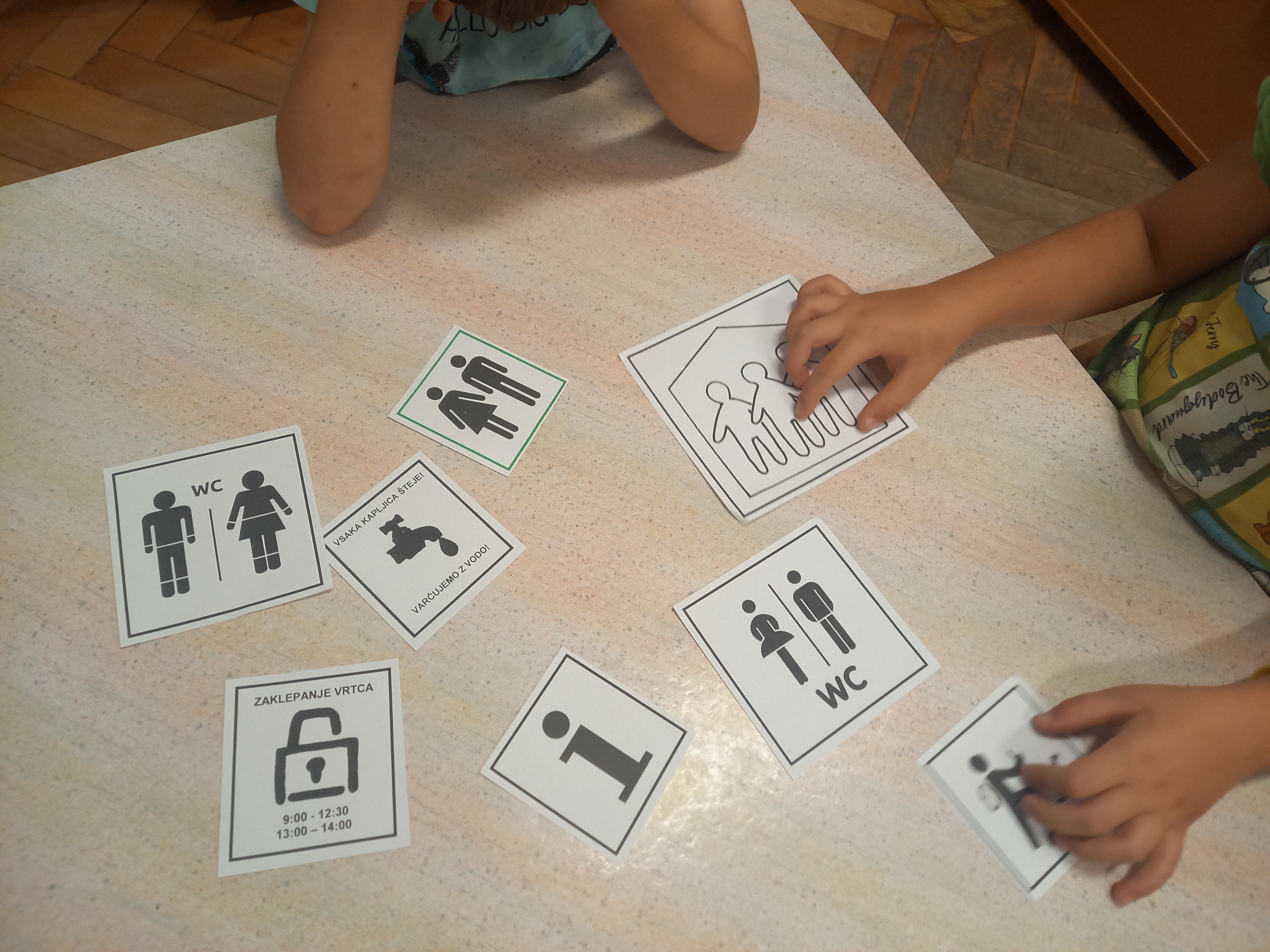
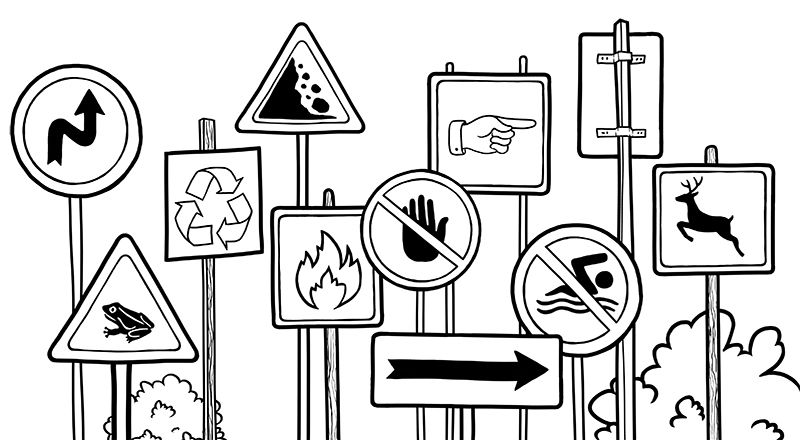
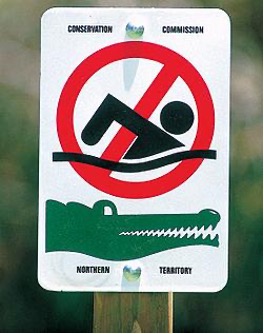
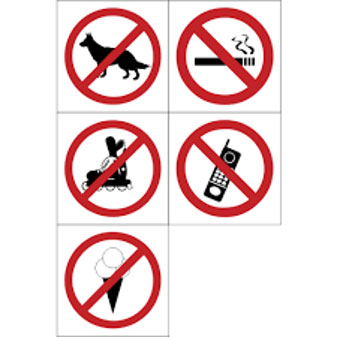
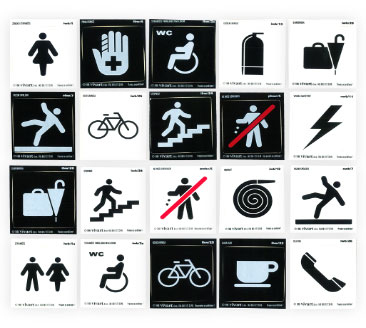
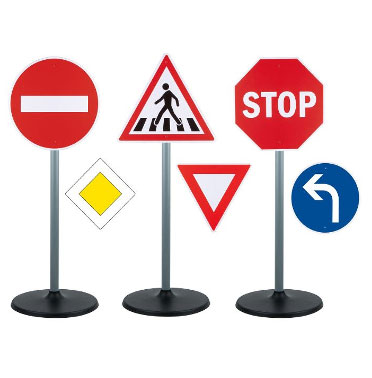
Odgojitelj/ica djeci pokazuje različite znakove i piktograme. Djecu se pita jesu li već vidjeli slične znakove i gdje su ih vidjeli. Opisuju svoja iskustva s piktogramima. Zajedno promatraju piktograme i pokušavaju razumjeti njihova značenja. Odgojitelj/ica objašnjava značenje svakog znaka.
Primjena:
Odgojitelj/ica pita djecu kako bi piktogrami mogli pomoći novopridošlima, djeci koja govore druge jezike i djeci s posebnim potrebama da bolje razumiju dogovore, pravila igre i prijateljsko ponašanje.
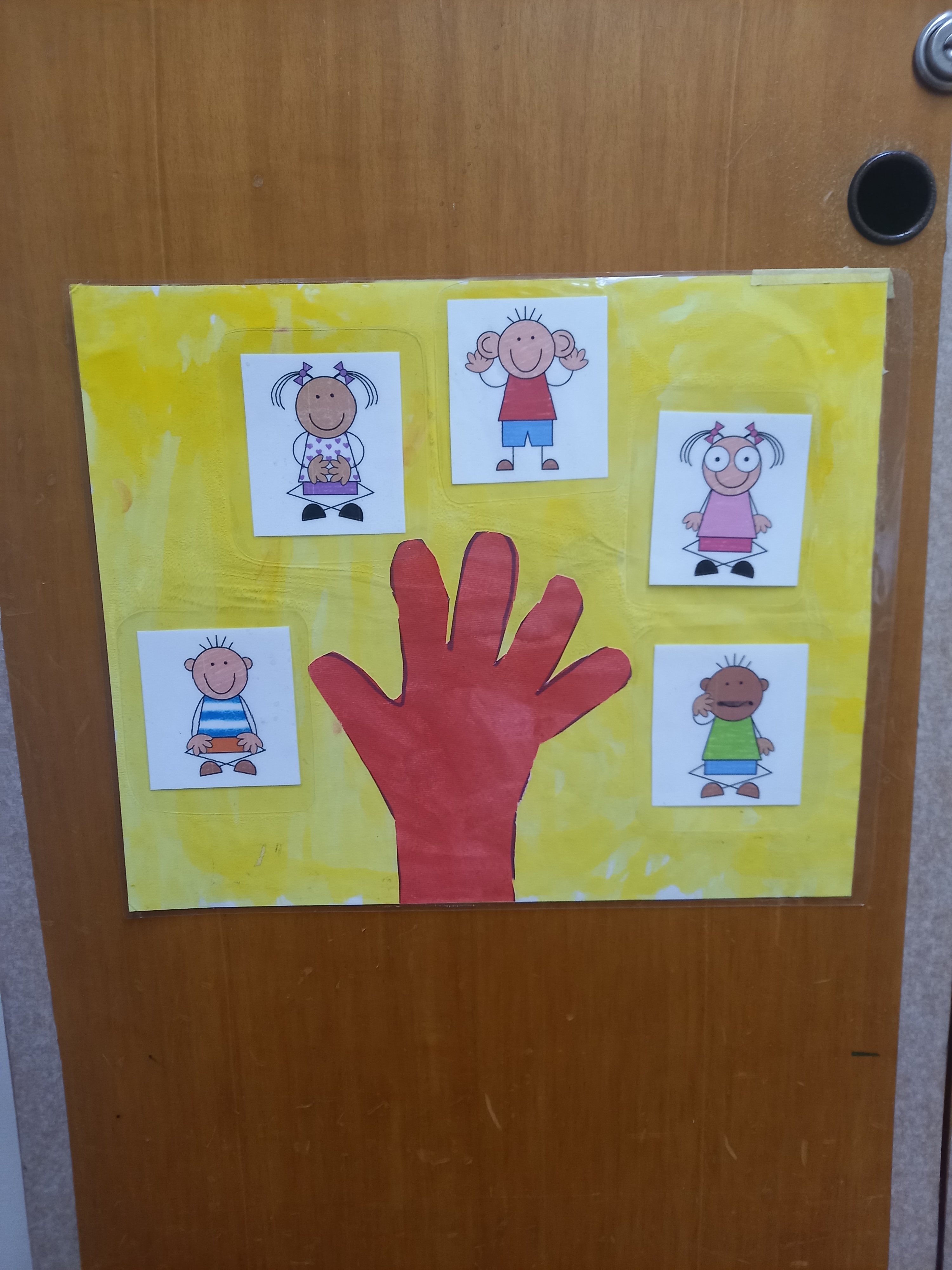
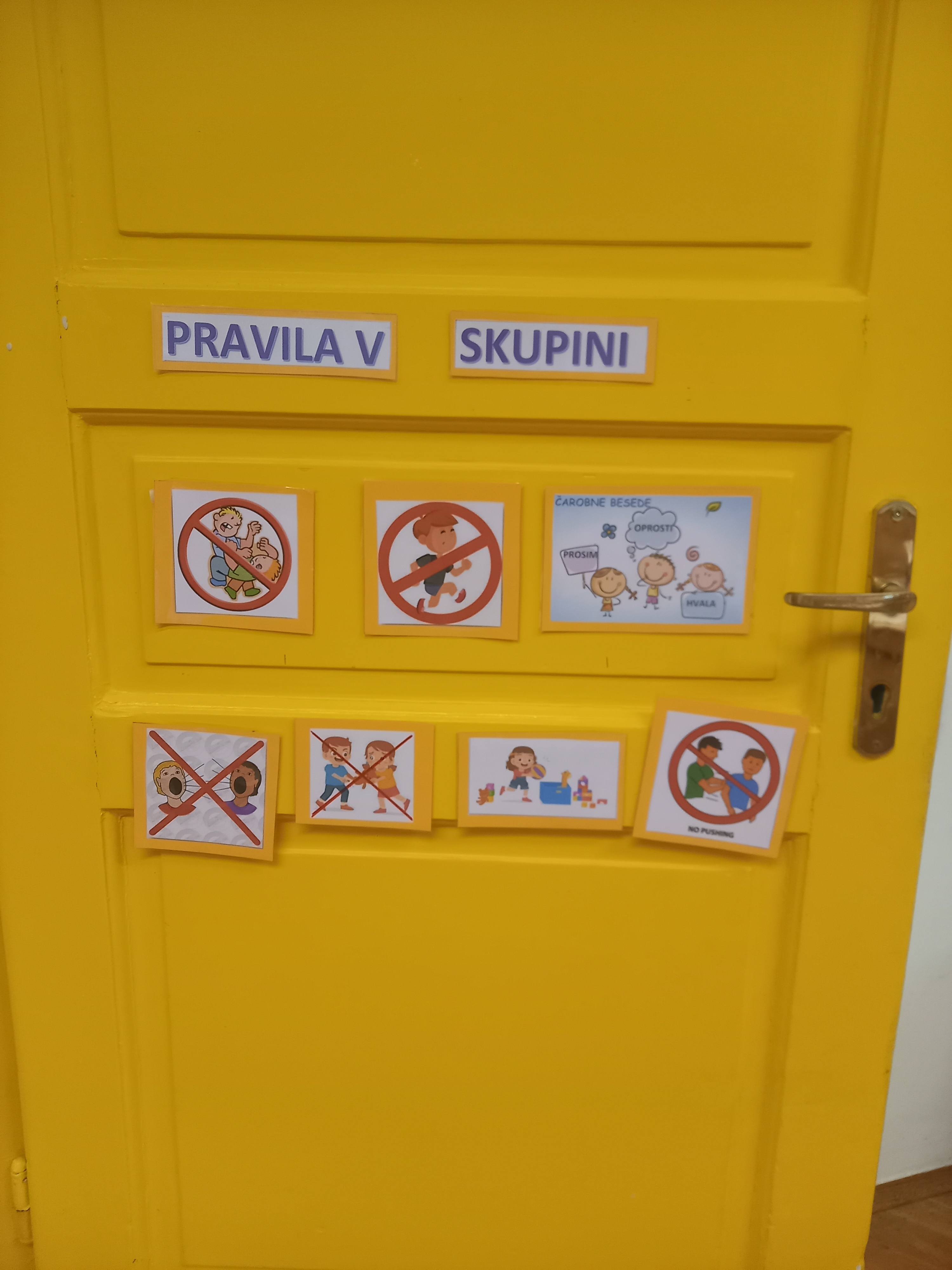
Djeca predlažu gdje bi se znakovi trebali postaviti tako da budu jasno vidljivi svima, na primjer na zidu učionice ili na vratima. Odabiru prikladne znakove i pričvršćuju ih na zidove i vrata sobe dnevnog boravka.
Refleksija:
Odgojitelj/ica pita hoće li sva djeca odmah razumjeti značenje prikazanih znakova. Djeca raspravljaju o tome što bi mogla učiniti ako netko ne slijedi piktograme.
Varijacije i dodatne ideje
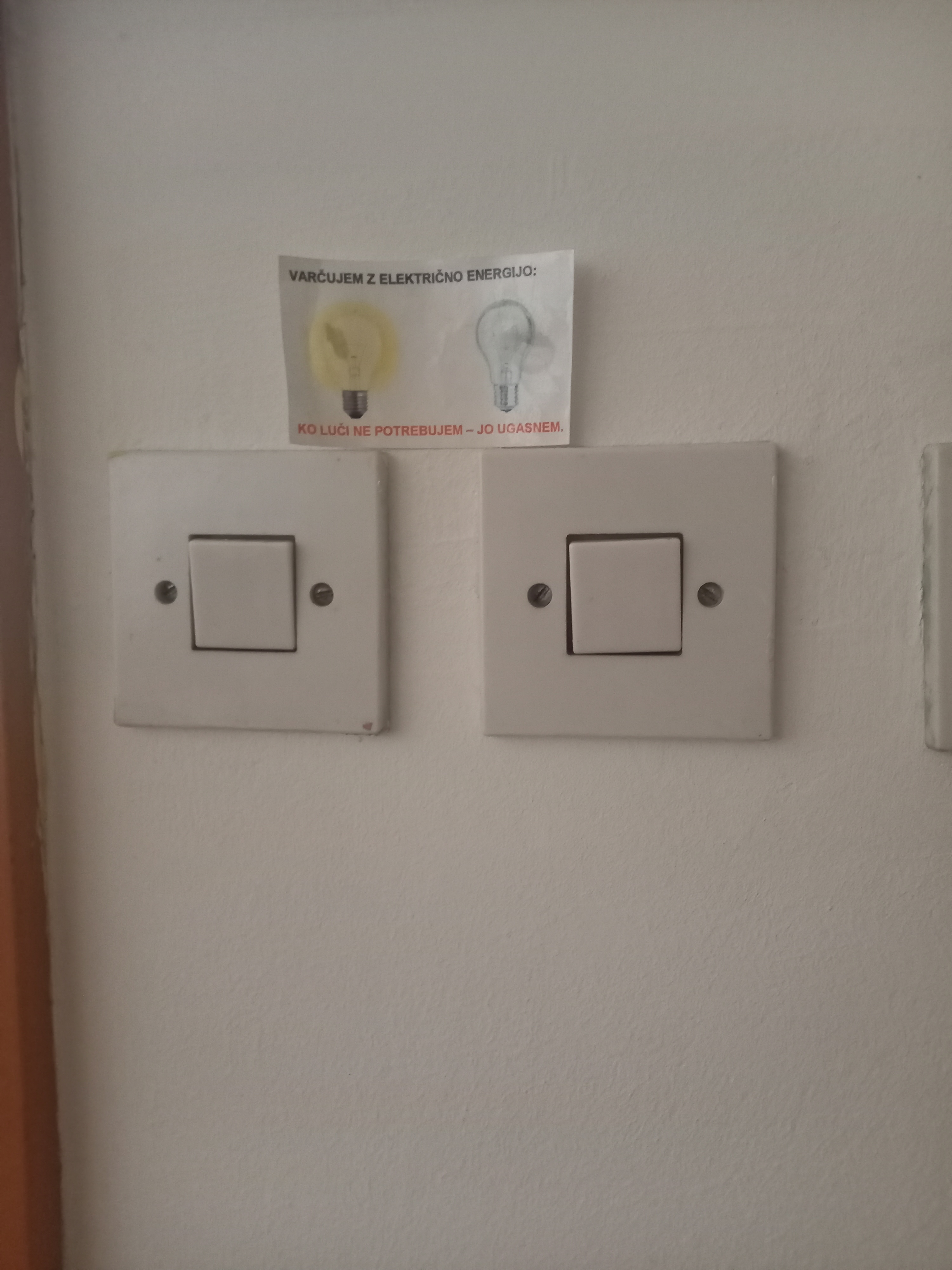
Djeca mogu koristiti znakove kako bi podsjetila vršnjake i odrasle na štednju električne energije i vode, odvajanje otpada, nekorištenje mobitela i slične teme.
Kod kuće djeca mogu zajedno s roditeljima stvarati vizualna pravila, dogovore ili zabrane.
Piktogrami se mogu koristiti za stvaranje priče ili bajke, zamjenjujući riječi ili fraze slikama.
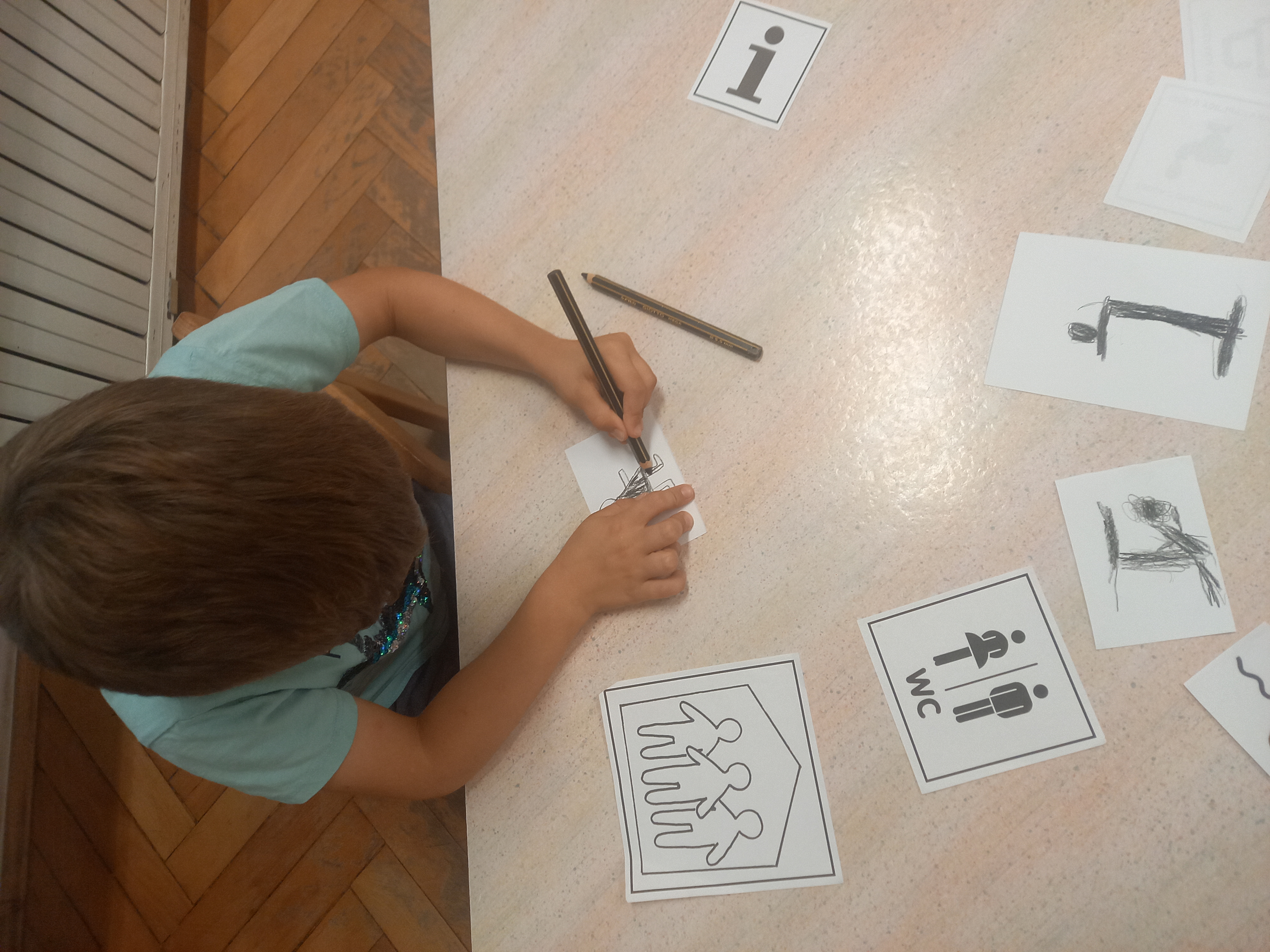
Djeca mogu crtati vlastite piktograme ili znakove za igru u vrtiću.
Osnovne informacije i didaktička perspektiva
Ova aktivnost uvodi piktograme kao vizualni alat za prenošenje pravila i dogovora. Promatranjem, raspravljanjem i postavljanjem znakova u igraonici, djeca uče da slike mogu prenijeti značenje i podržati razumijevanje, posebno za djecu s različitim jezičnim podrijetlom ili potrebama. Aktivnost potiče razmišljanje o zajedničkim pravilima, odgovornosti i poštovanom ponašanju, a istovremeno jača vizualnu pismenost i inkluzivnu komunikaciju.
Iskustvo iz vrtića
Djeca su pokazala veliki interes za promatranje različitih piktograma i otkrivanje njihovih značenja. Imali su poteškoća s objašnjavanjem značenja, budući da mnogi od njih potječu iz područja kojima nije materinji jezik. Djeca su rekla da više vole slike "u bojama" i da crne piktograme smatraju manje privlačnima. Neka su djeca zadatak shvatila vrlo ozbiljno i podsjećala su svoje vršnjake nekoliko puta dnevno pokazujući na prikazane znakove.
Radni list
Radni list
Radni list
Radni list
Radni list

Fotografije aktivnosti