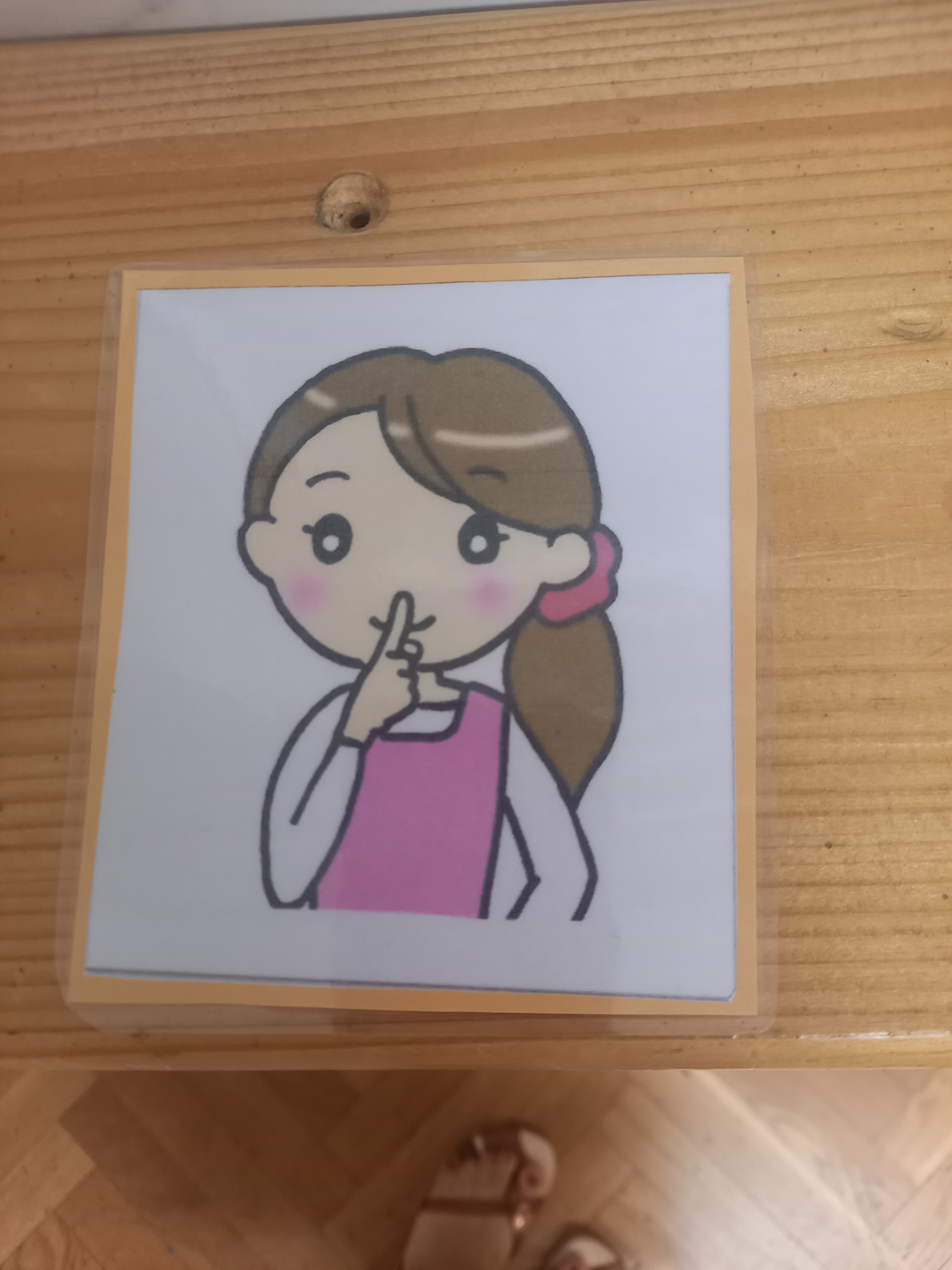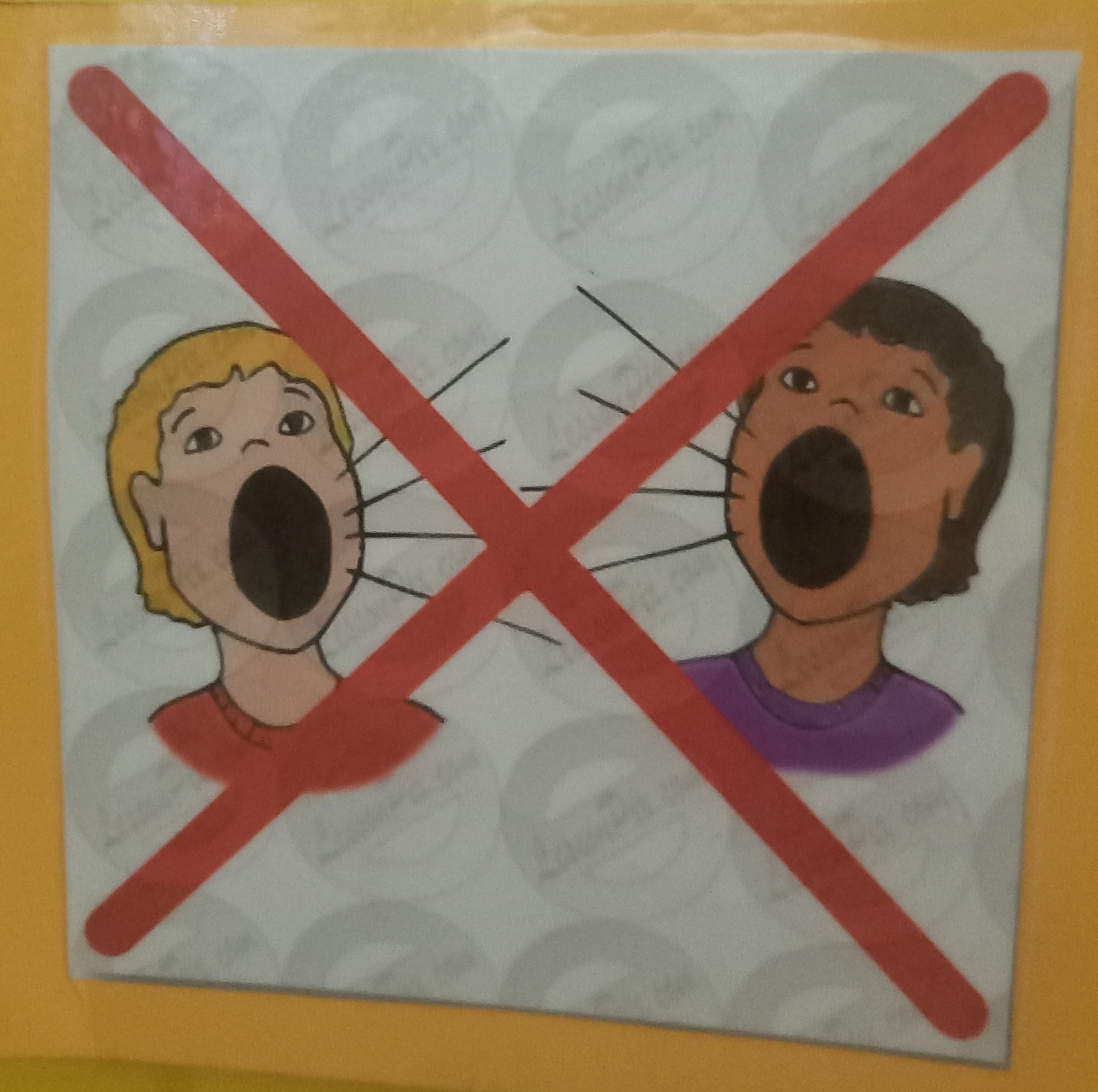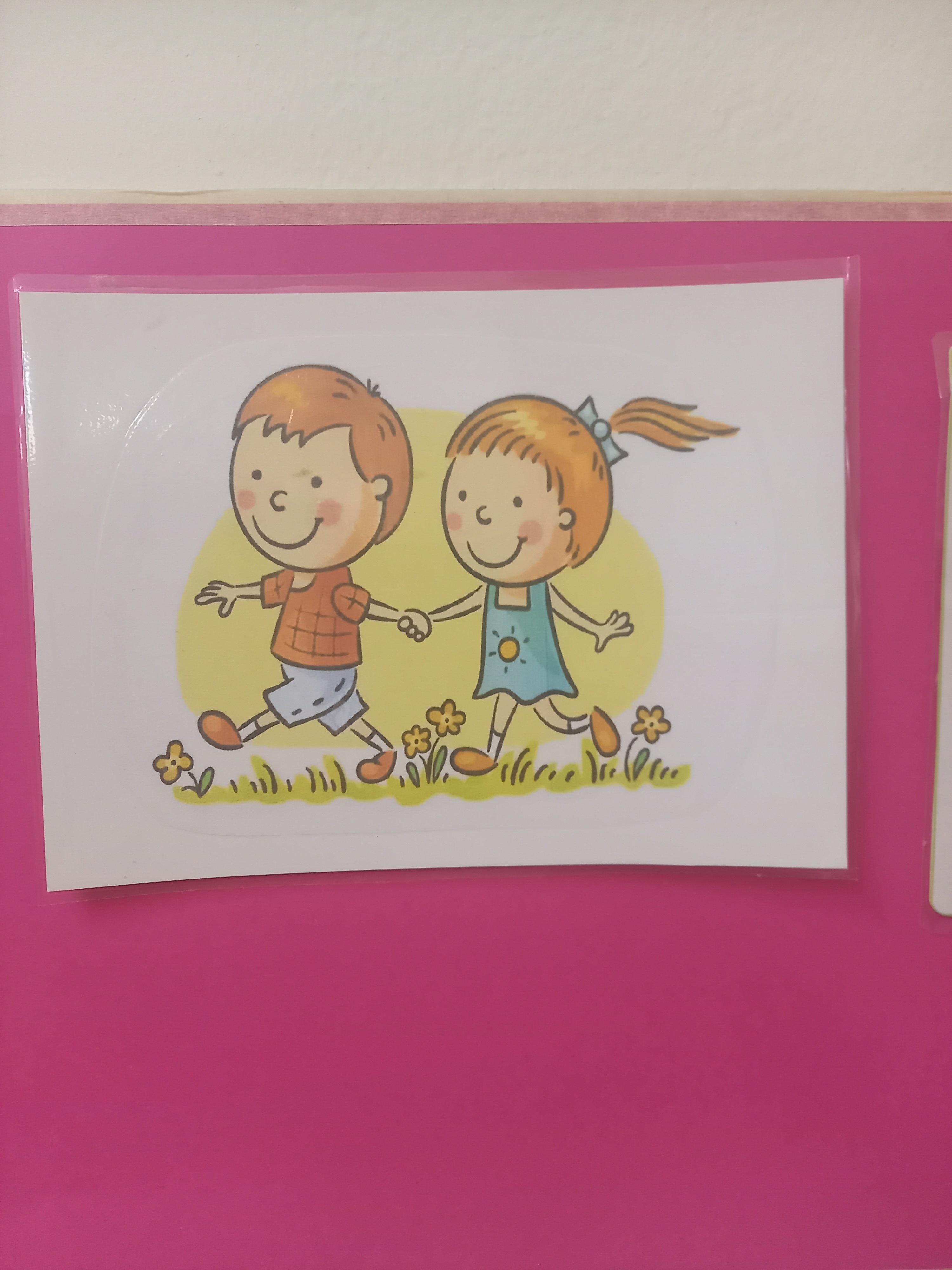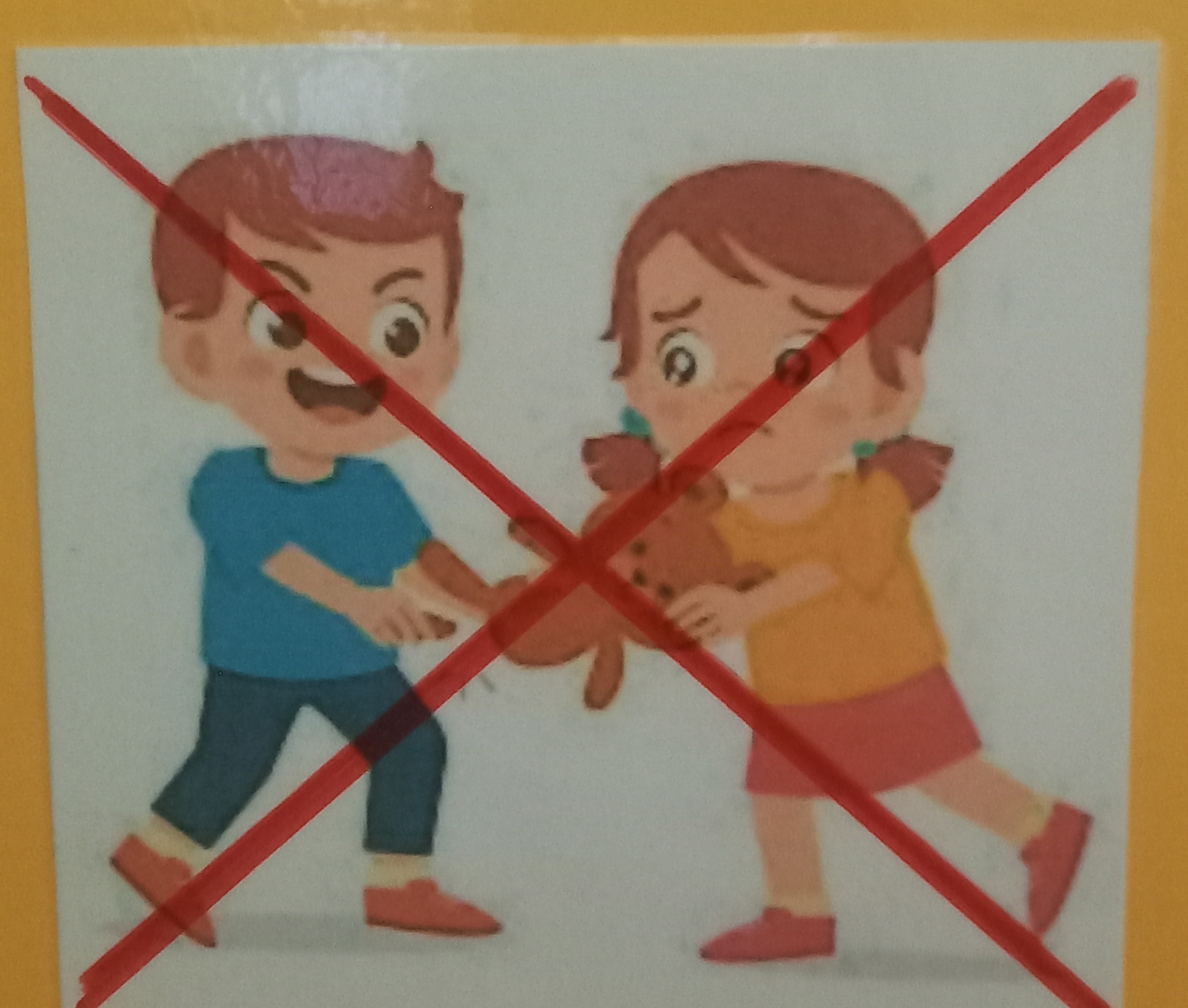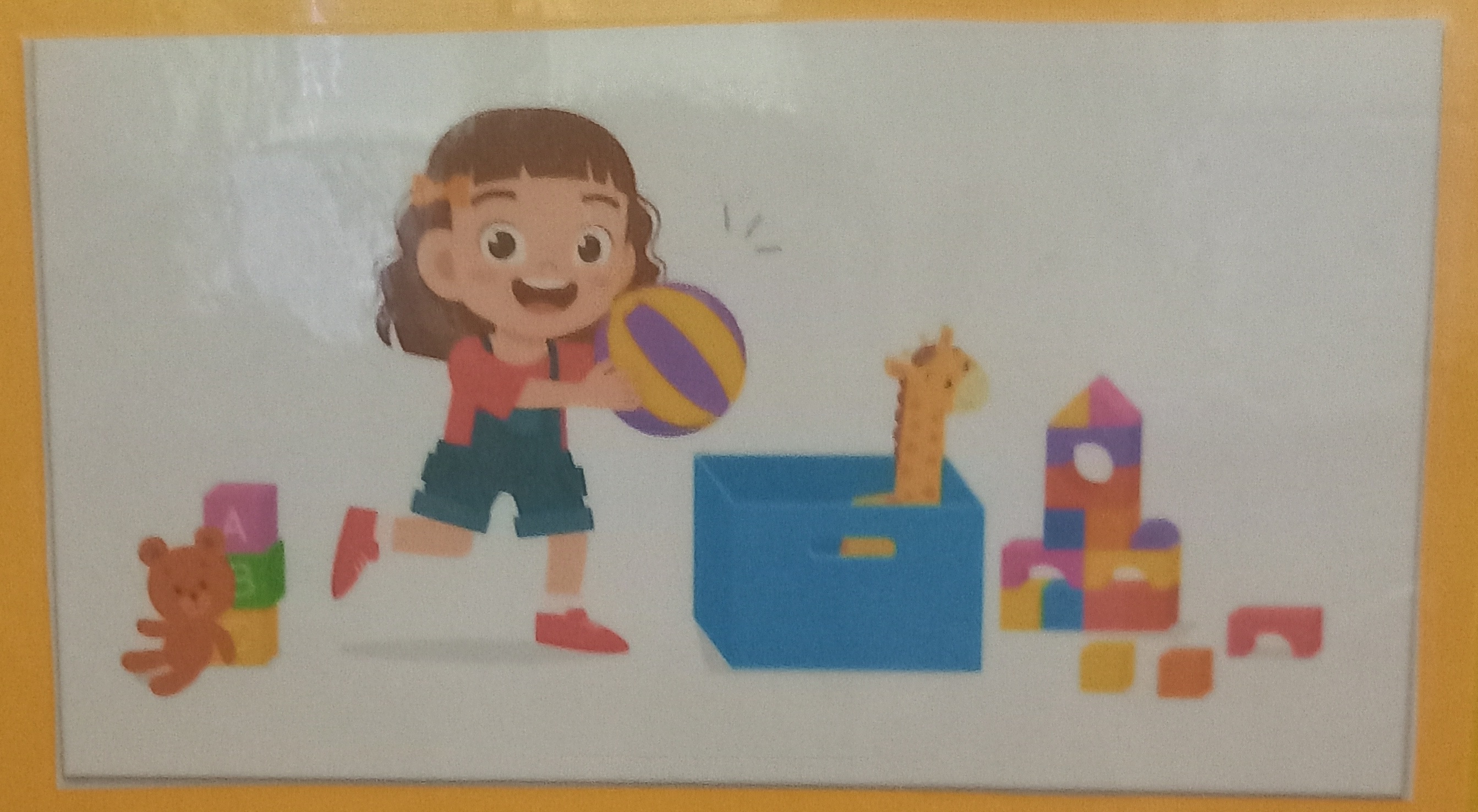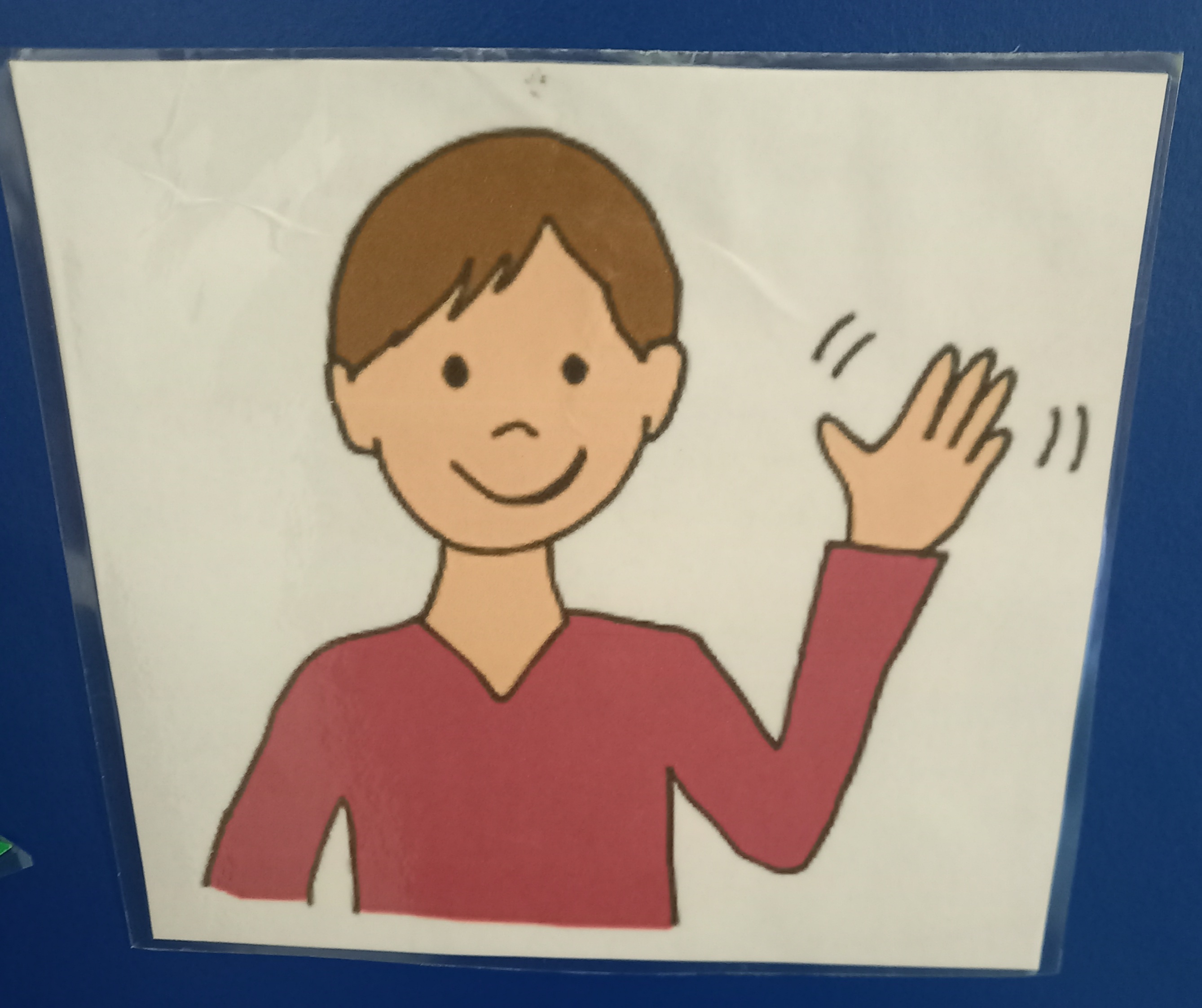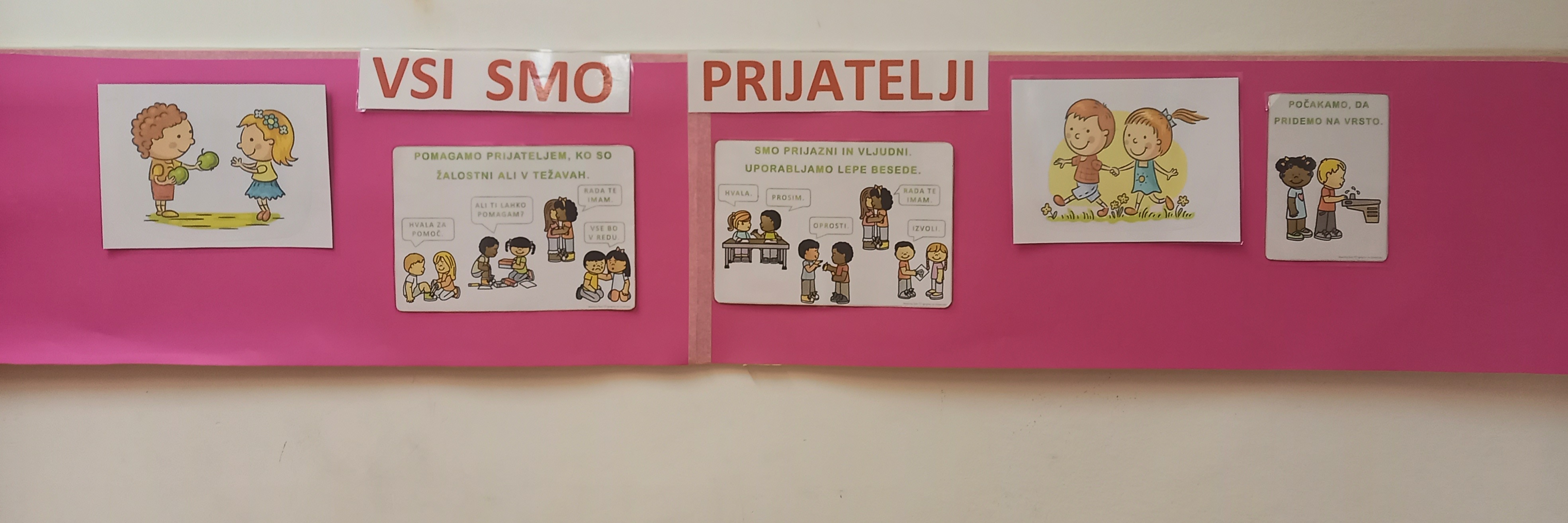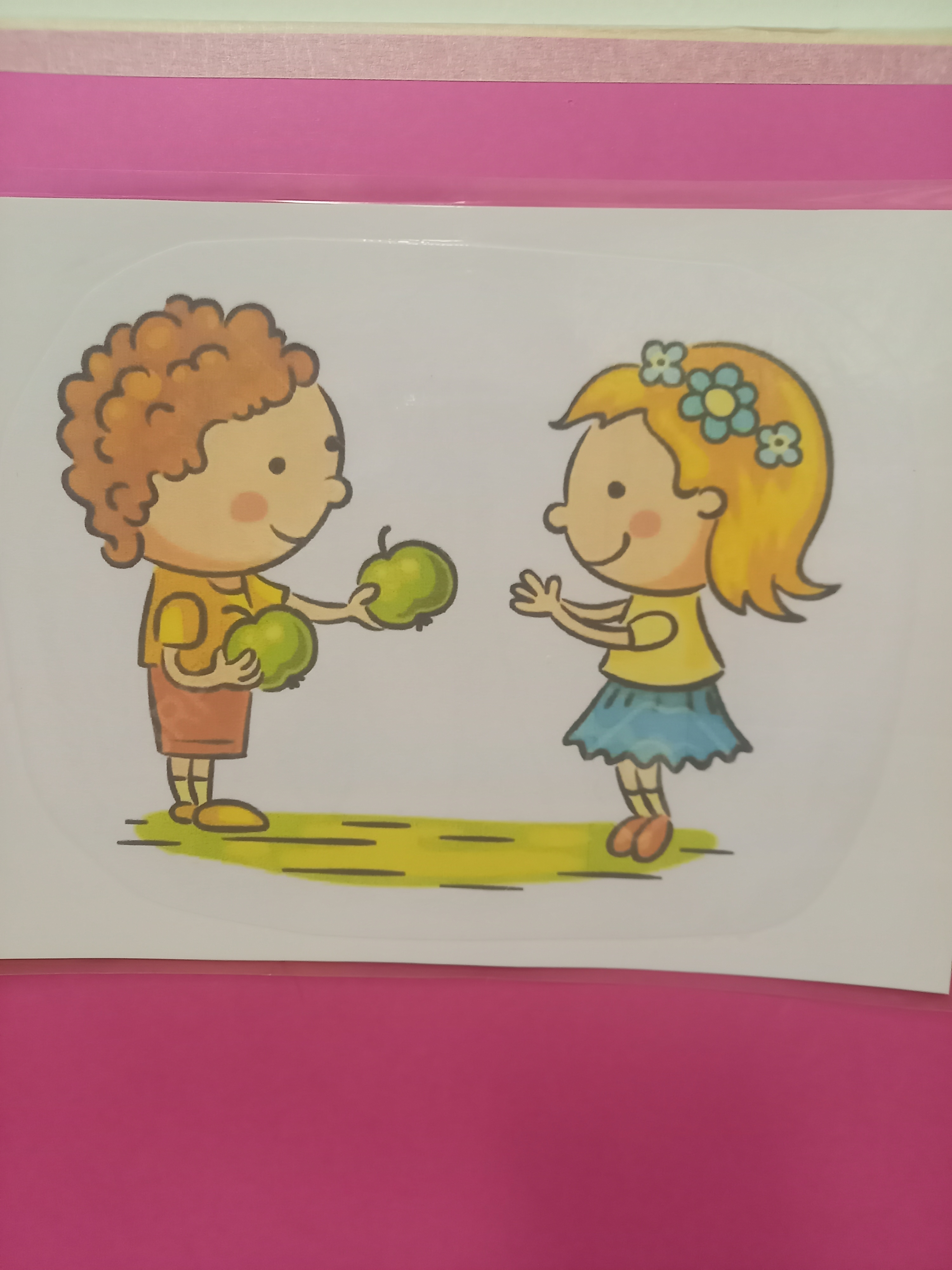
Pictograms
Rules of Play with Peers
 Funded by the European Union. Views and opinions expressed are however those of the author(s) only and do not necessarily reflect those of the European Union or the European Education and Culture Executive Agency (EACEA). Neither the European Union nor EACEA can be held responsible for them. |
 All contents, in particular texts, pictures and graphics, are protected by copyright. Unless expressly stated otherwise, copyright is held by media.eduskills.plus and is licensed under Creative Commons Attribution - Non-commercial - Distribution under the same conditions 4.0 International license. They may be subject to the terms of the license. |
2026 media.eduskills.plus
Learning outcomes
Competencies
|
|
|
Target group 4 years and up
|
|
Required materials
|
Description of the activity (step by step)
Preparation:
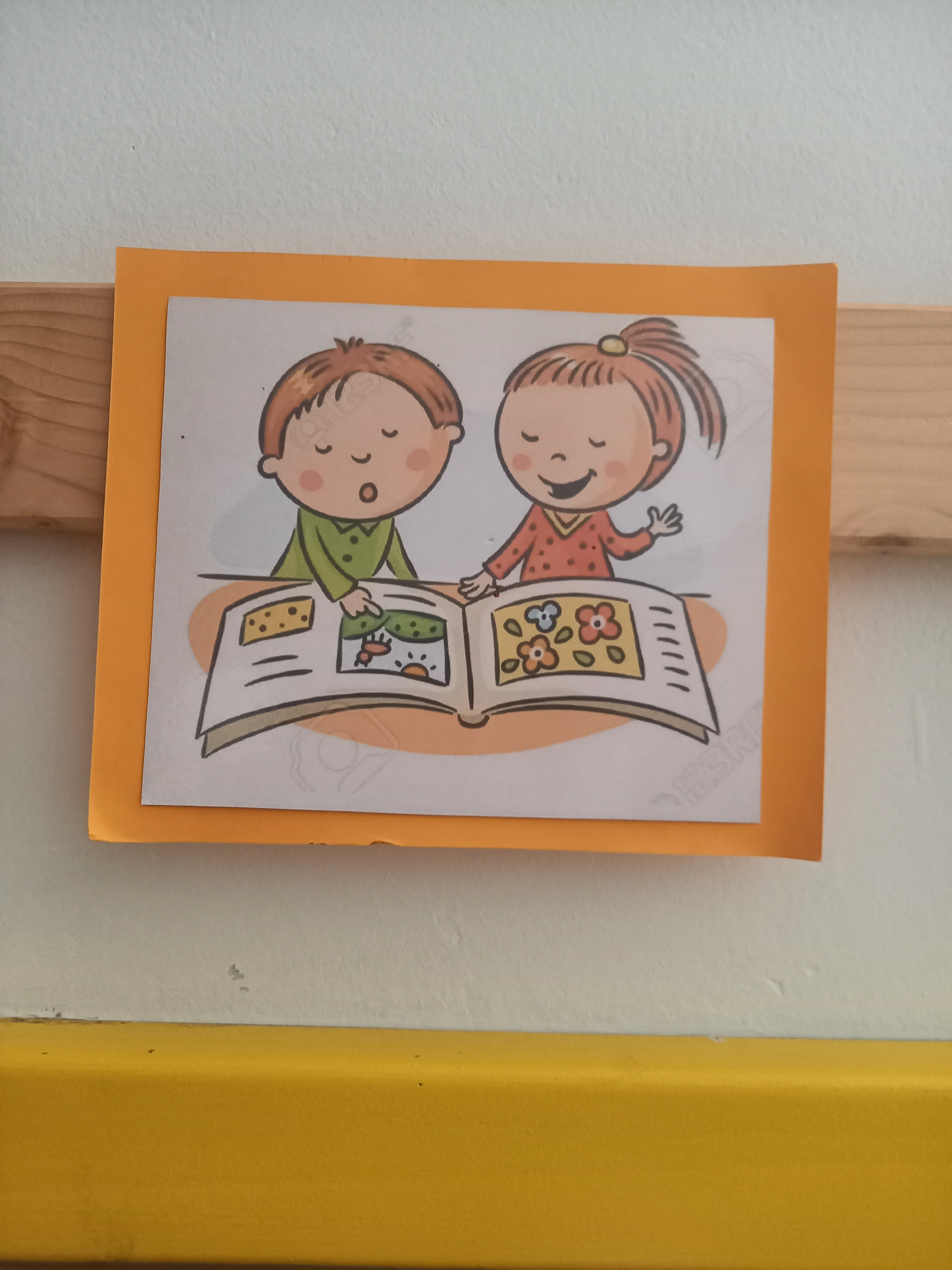
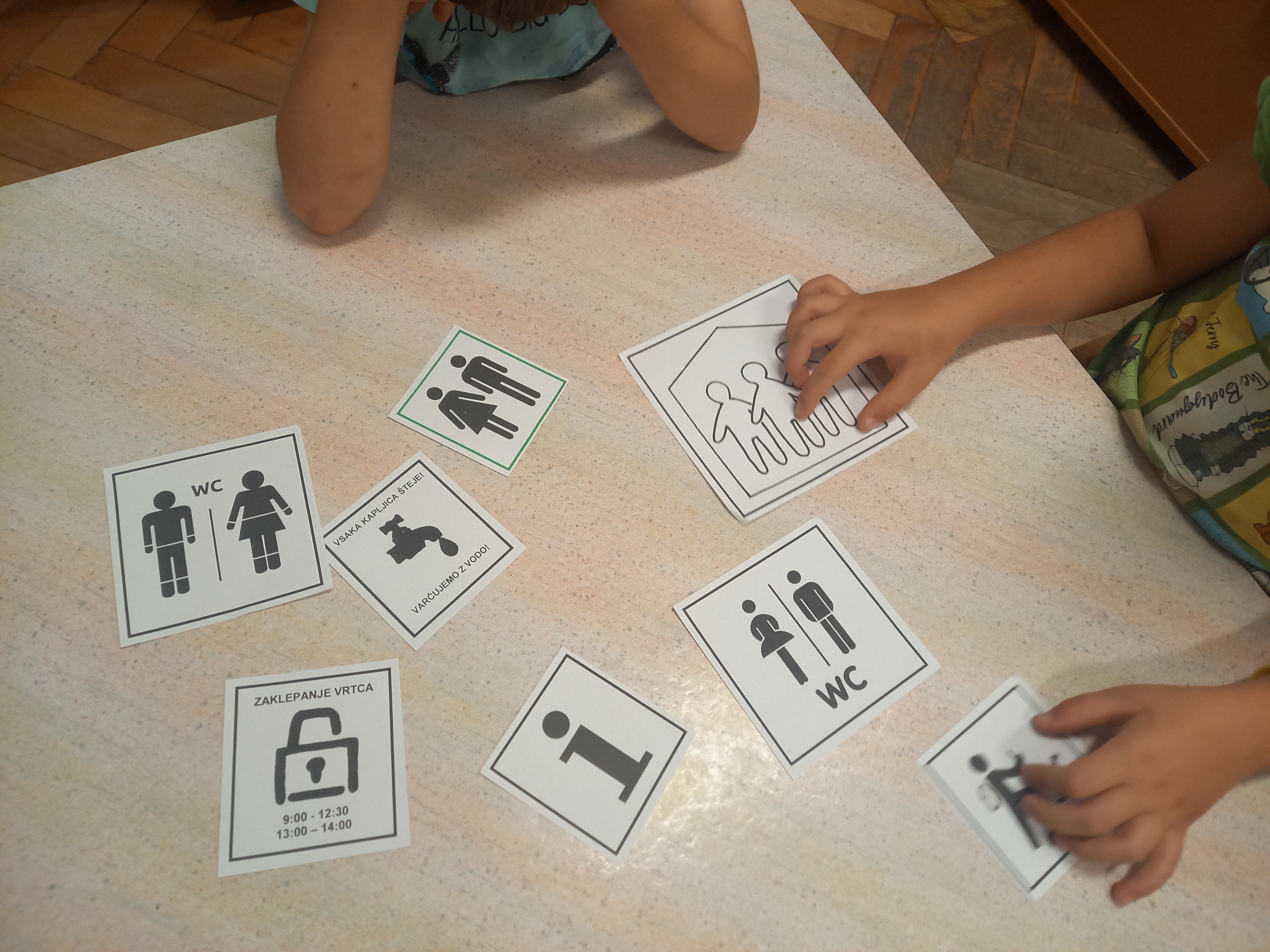
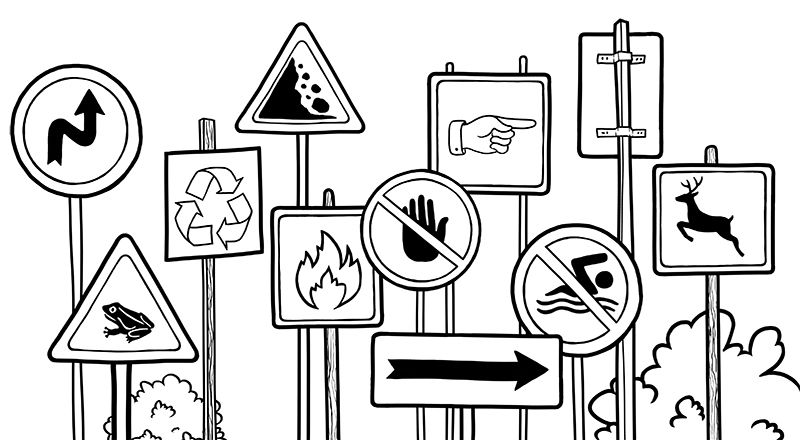
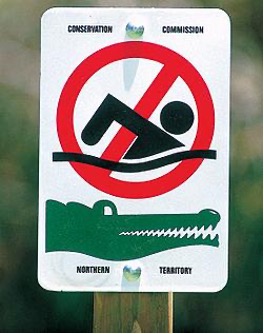
The teacher shows the children different signs and pictograms. The children are asked whether they have seen similar signs before and where they have seen them. They describe their experiences with the pictograms. Together, they observe the pictograms and try to understand their meanings. The teacher explains the meaning of each sign.
Implementation:
The teacher asks the children how pictograms could help newcomers, children who speak other languages, and children with special needs to better understand agreements, rules of play, and friendly behaviour.
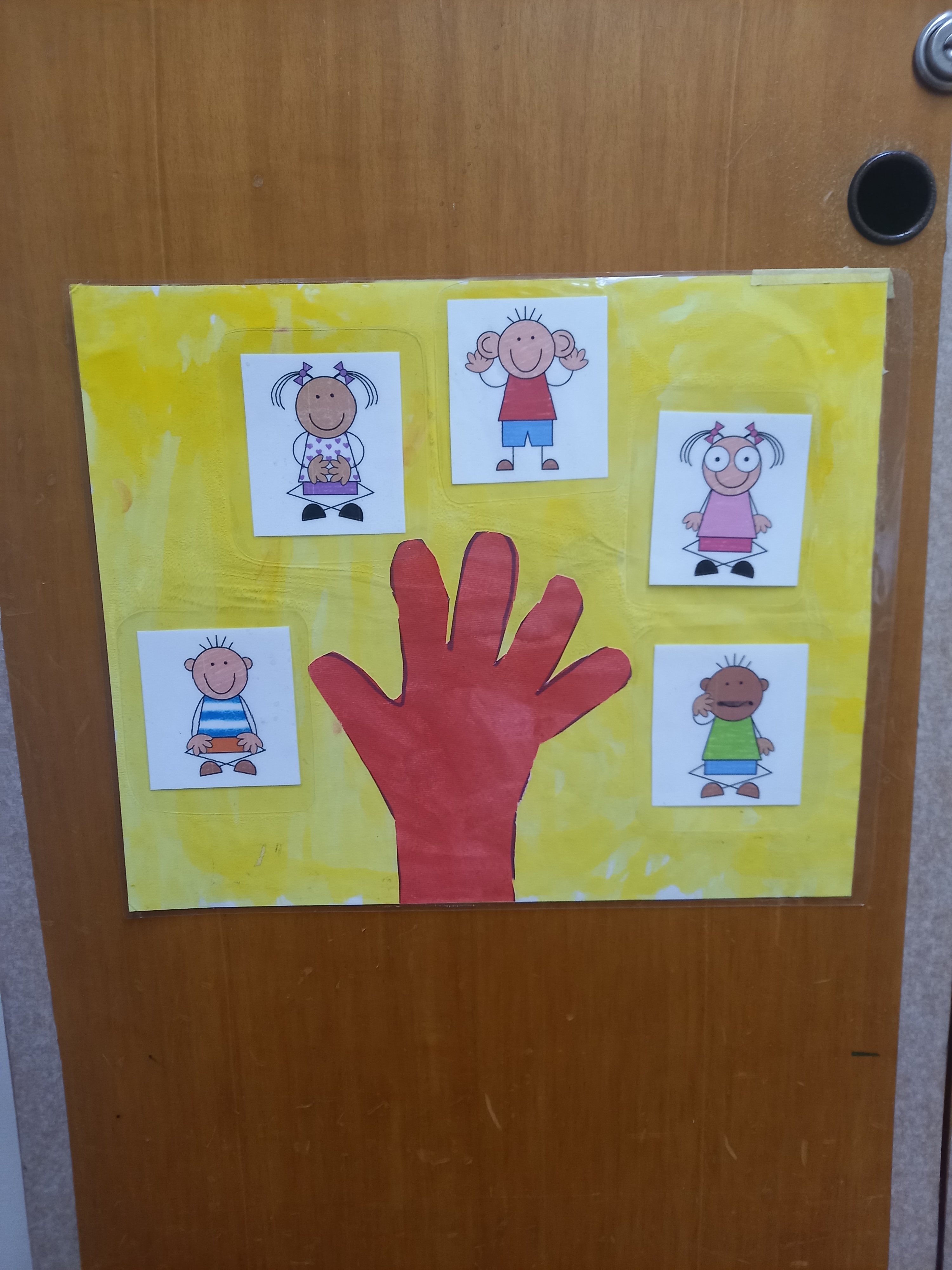
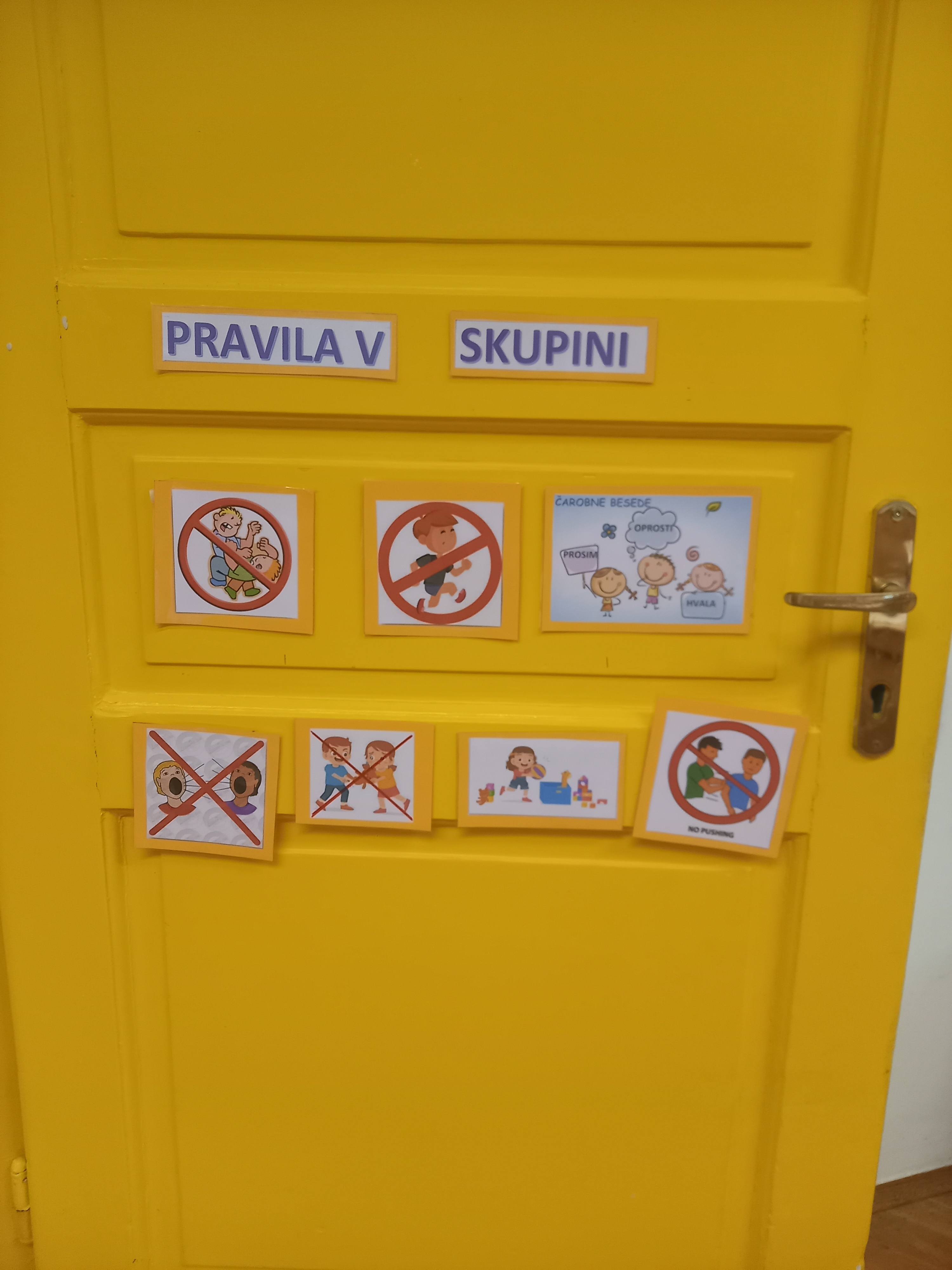
Children suggest where the signs should be placed so that they are clearly visible to everyone, for example on the classroom wall or on the door. They choose suitable signs and attach them to the walls and doors in the playroom.
Reflection:
The teacher asks whether all children will immediately understand the meaning of the displayed signs. The children discuss what they could do if someone does not follow the pictograms.
Variations and additional ideas
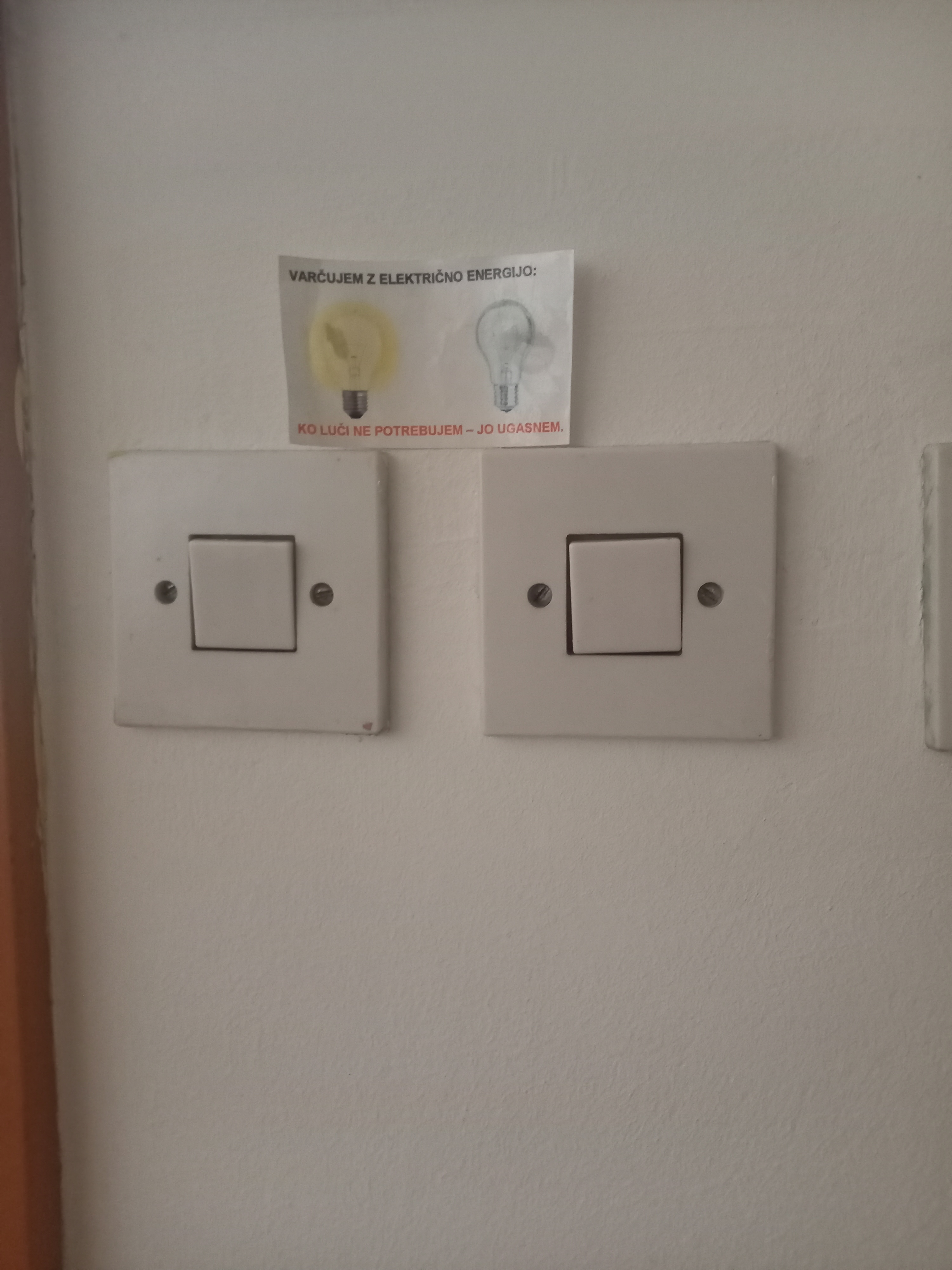
Children can use signs to remind peers and adults about saving electricity and water, waste separation, not using mobile phones, and similar topics.
At home, children can create visual rules, agreements, or prohibitions together with their parents.
Pictograms can be used to create a story or fairy tale, replacing words or phrases with images.
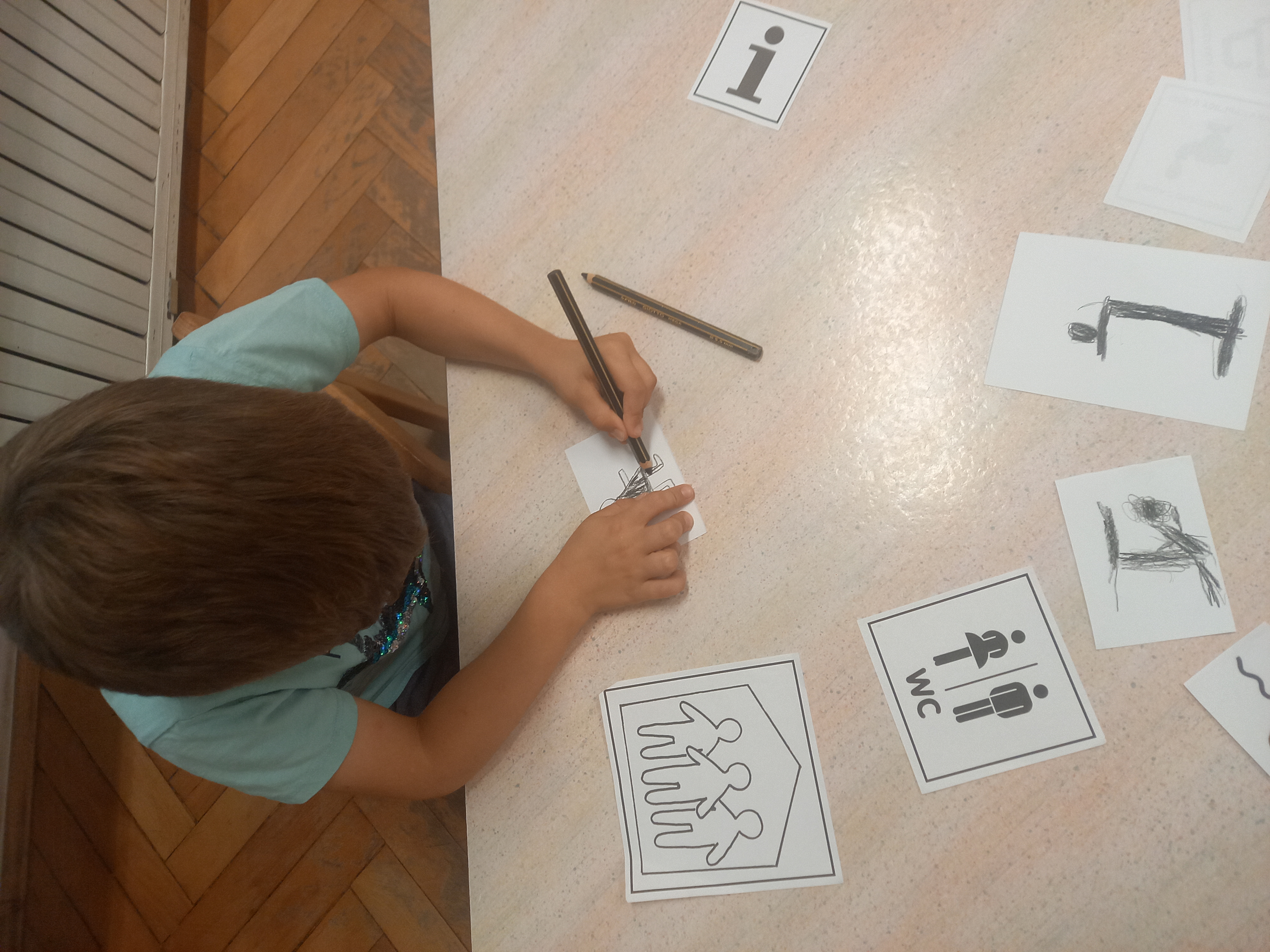
Children can draw their own pictograms or signs for play in the kindergarten.
Background information and didactical perspective
This activity introduces pictograms as a visual tool for communicating rules and agreements. By observing, discussing, and placing signs in the playroom, children learn that images can convey meaning and support understanding, especially for children with different language backgrounds or needs. The activity encourages reflection on shared rules, responsibility, and respectful behaviour, while strengthening visual literacy and inclusive communication.
Experience from kindergartens
Children showed great interest in observing different pictograms and discovering their meanings. They had some difficulty explaining the meanings, as many of them come from non-native language backgrounds. Children said they preferred pictures "with colours" and found black pictograms less appealing. Some children took the task very seriously and reminded their peers several times a day by pointing to the displayed signs.
Worksheet 1
Worksheet 2
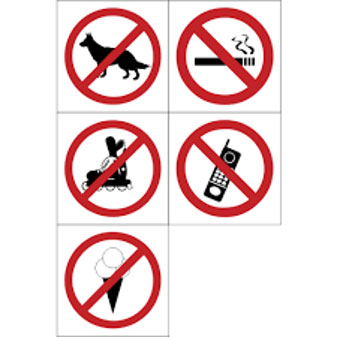
Worksheet 3
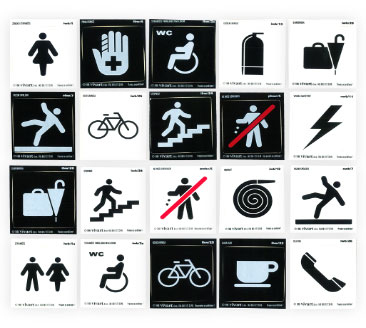
Worksheet 4
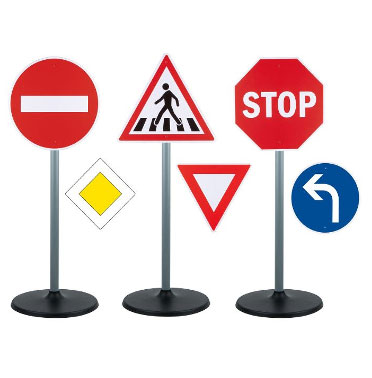
Worksheet 5

Photos of the activity