Optičke igračke
Izrada fenakistiskopa (vrtećih diskova)
 Financirano sredstvima Europske unije. Izneseni stavovi i mišljenja su stavovi i mišljenja autora i ne moraju se podudarati sa stavovima i mišljenjima Europske unije ili Europske izvršne agencije za obrazovanje i kulturu (EACEA). Ni Europska unija ni EACEA ne mogu se smatrati odgovornima za njih. |
 Svi sadržaji, a posebno tekstovi, slike i grafikoni, su zaštićeni autorskim pravima. Vlasnik autorskih prava, ukoliko nije drugačije označeno, je media.eduskills.plus, a autorsko pravo je definirano licencom Creative Commons Imenovanje-Nekomercijalno-Dijeli pod istim uvjetima 4.0 Međunarodna. Autorska prava mogu biti definirana uvjetima licence. |
2026 media.eduskills.plus
Ishodi učenja
Kompetencije
|
|
|
Ciljna skupina 2 godina i više
|
|
Potrebni materijali
|
Opis aktivnosti (korak po korak)
Priprema:
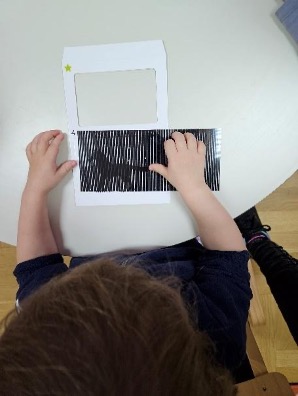
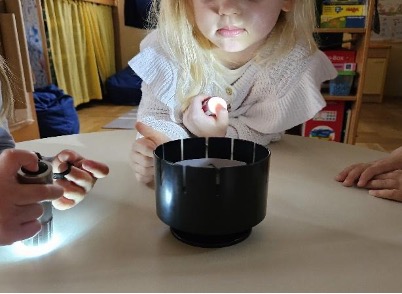
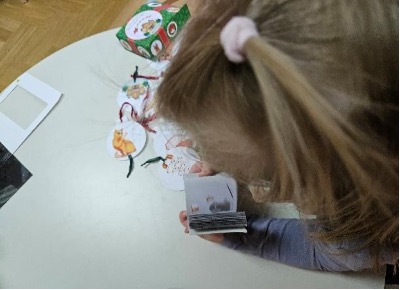
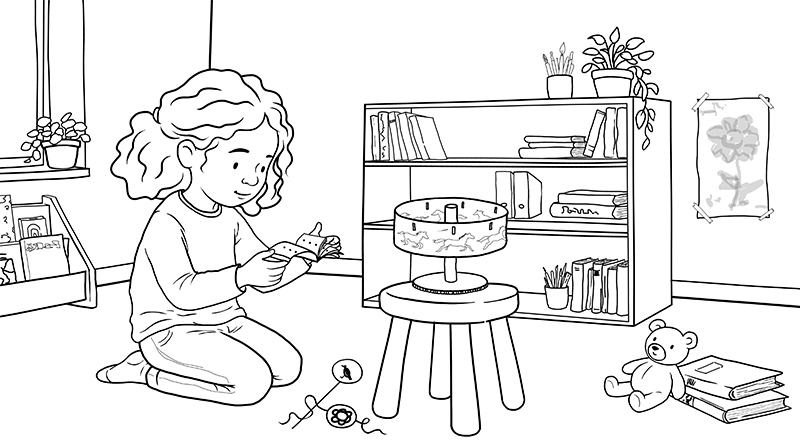
Ponudite djeci izbor optičkih igračaka: zoetrope, taumatrope, flipbookove i fenakistoskope.
Potaknite djecu da istražuju, rukuju optičkim igračkama i slobodno se njima igraju.
Primjena:
Na početku aktivnosti dajte djeci vremena da samostalno istraže svaku optičku igračku. Zatim pokažite kako svaka optička igračka funkcionira i objasnite njezine osnovne značajke.
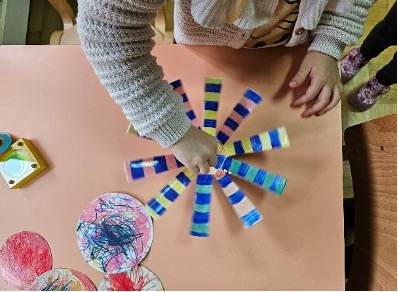
Pripremite unaprijed izrezane kružne kartonske diskove (promjera 10–15 cm) s malom rupom u sredini, flomastere, štapiće s vatom i ljepljivu traku. Pozovite djecu da flomasterima ukrase kartonske diskove.
Zatim uputite dijete da umetne štapić s vatom u otvor i pričvrsti ga ljepljivom trakom. Pomozite ako je potrebno.
Pozovite djecu da zavrte, pokrenu gotovu optičku igračku i usmjerite ga da promatra vizualne promjene nastale kretanjem i rukovanjem.
Varijacije i dodatne ideje
Kao dodatni umjetnički poticaj ponudite papir za kolaž, fluorescentne akrilne boje (koje svijetle u mraku), unaprijed izrezane kartonske oblike, male šarene pompone, ljepilo i slične materijale. Također možete organizirati radionicu izrade optičkih igračaka za djecu i roditelje.
Osnovne informacije i didaktička perspektiva
Ova aktivnost potiče istraživačko i iskustveno učenje kroz igru optičkim igračkama koje stvaraju vizualne efekte i iluzije kretanja. Rukujući igračkama, djeca uočavaju uzročno-posljedične veze i razvijaju sposobnost vizualnog razlikovanja boja, oblika, pokreta i vizualnih efekata. Aktivnost također potiče divergentno mišljenje i kreativnost putem praktičnog eksperimentiranja.
Iskustvo iz vrtića
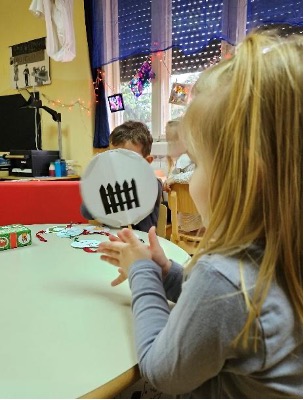
M. J.: „Zavrtio sam štapić s kružnicom koja je na jednoj strani imala pile, a na drugoj jaje. Kad sam ga brzo zavrtio, pile je izašlo iz jajeta.”
L. P.: "Ali pilići zapravo ne izlaze iz jaja. Samo tako izgleda jer ga brzo vrtimo. Zavrtio sam ono s ogradom i pticom. Kad sam ga brzo zavrtio, ptica je sletjela na ogradu, ali to je trik."
K. P.: „Jako mi se svidjela ona igračka u koju smo stavili papir sa žirafama. Kad sam je zavrtio, žirafe su hodale i trčale. Gledao sam kroz male rupice i to vidio. Bile su nacrtane na papiru i ne mogu hodati ako se igračka ne zavrti.”
F. G.: „Zavrtio sam vrtuljak s malim ljudima i točkicama. Kad sam ga zavrtio jako brzo, vidio sam samo krugove. Kao portal.”
L. P.: „Kao da te vodi u svijet s dinosaurima ili čak mamutima.”
Fotografije aktivnosti