Our tree and the four seasons
Documenting Changes in Nature
 Funded by the European Union. Views and opinions expressed are however those of the author(s) only and do not necessarily reflect those of the European Union or the European Education and Culture Executive Agency (EACEA). Neither the European Union nor EACEA can be held responsible for them. |
 All contents, in particular texts, pictures and graphics, are protected by copyright. Unless expressly stated otherwise, copyright is held by media.eduskills.plus and is licensed under Creative Commons Attribution - Non-commercial - Distribution under the same conditions 4.0 International license. They may be subject to the terms of the license. |
2026 media.eduskills.plus
Learning outcomes
Competencies
|
|
|
Target group 4 years and up
|
|
Required materials
|
|
Materials
|
Description of the activity (step by step)
Preparation:
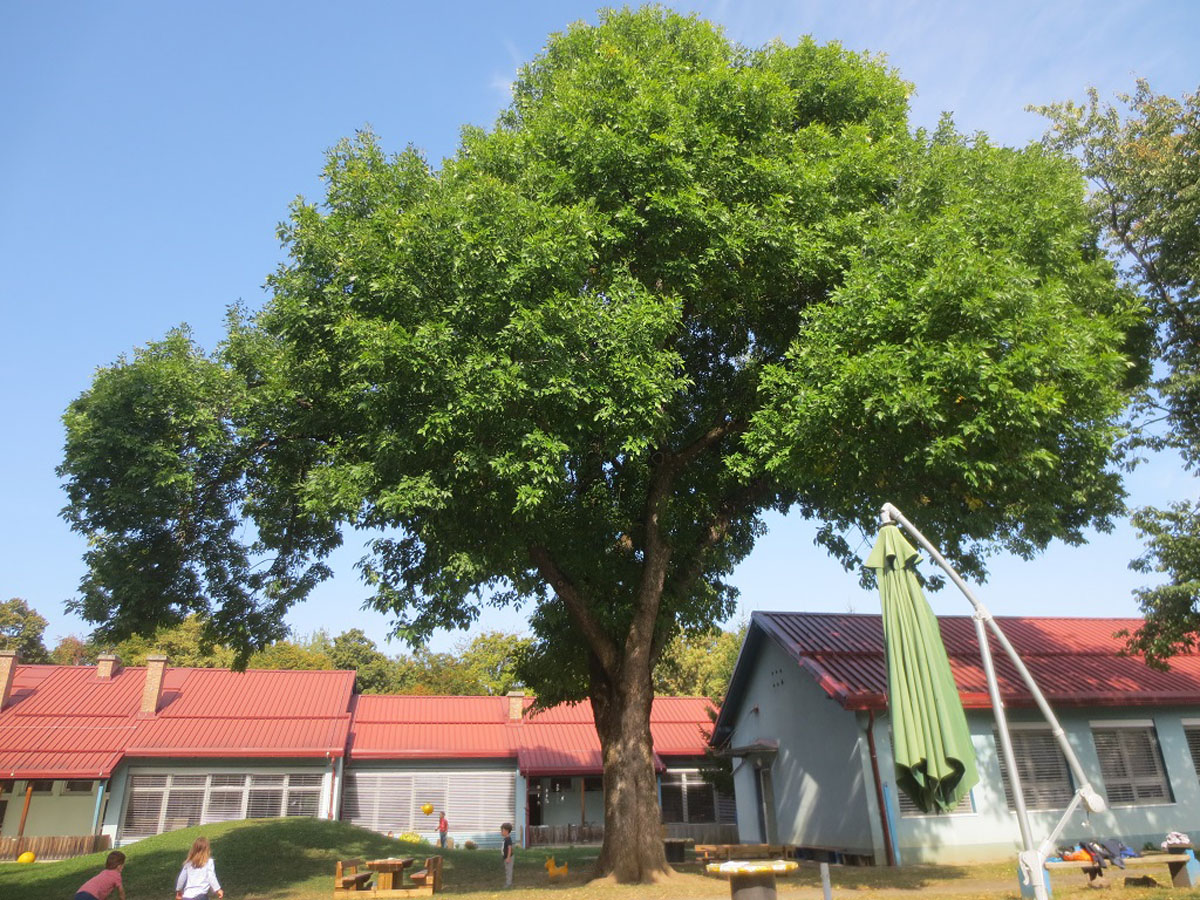
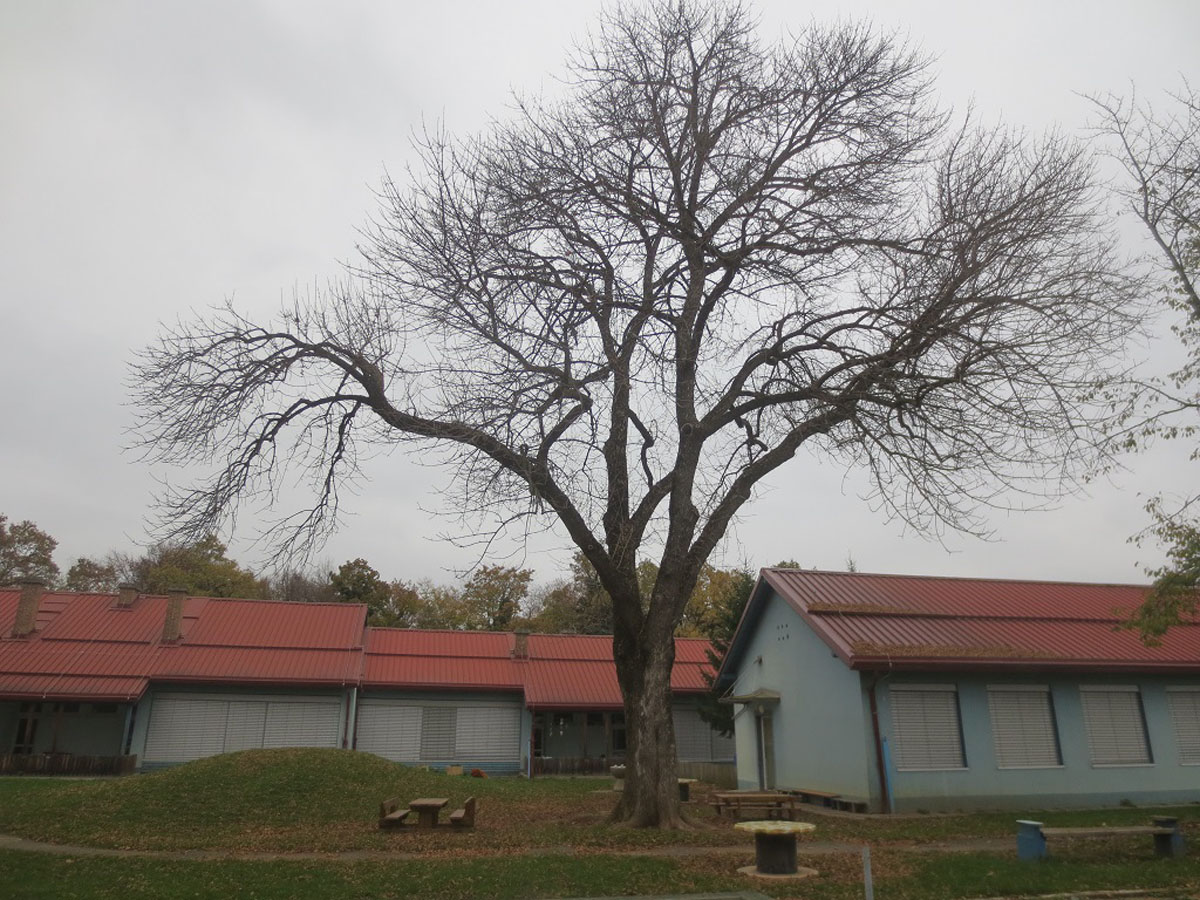
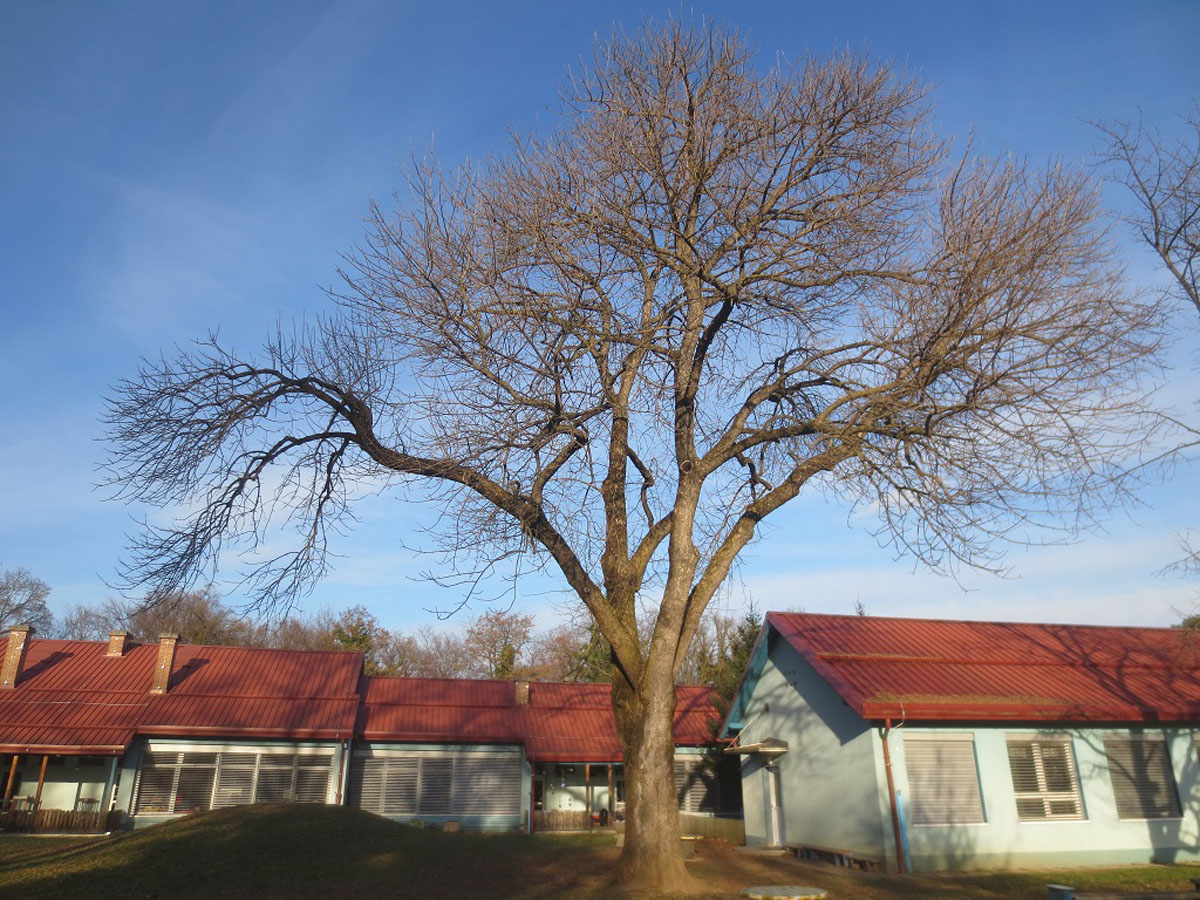
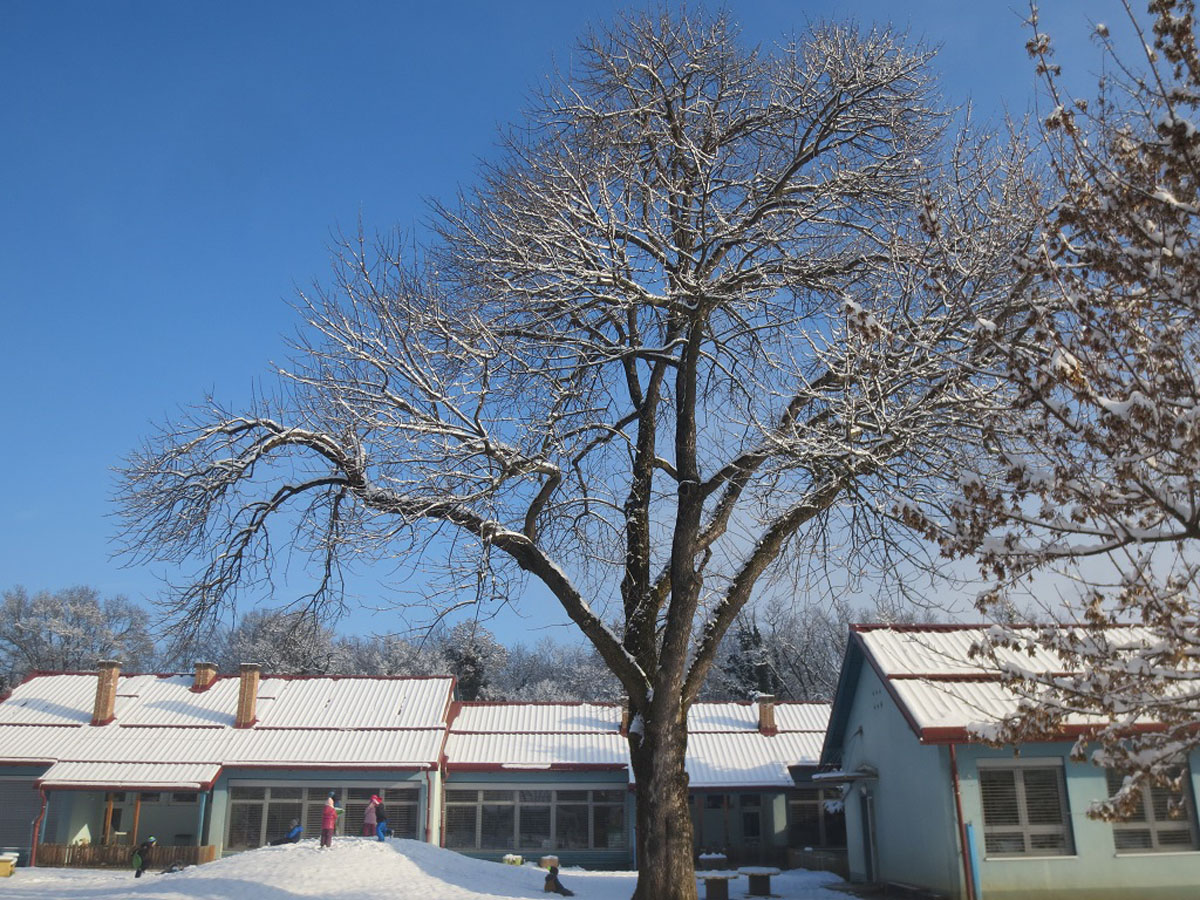
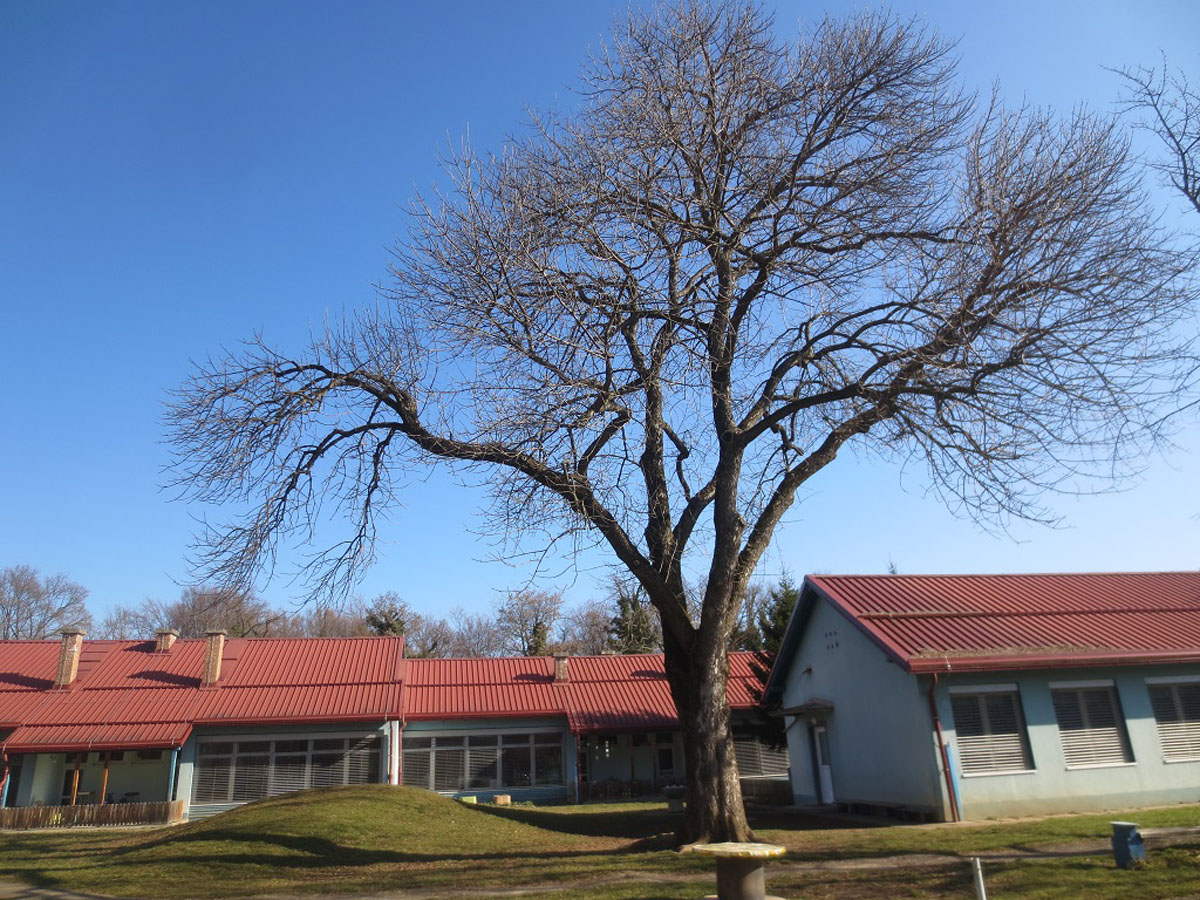
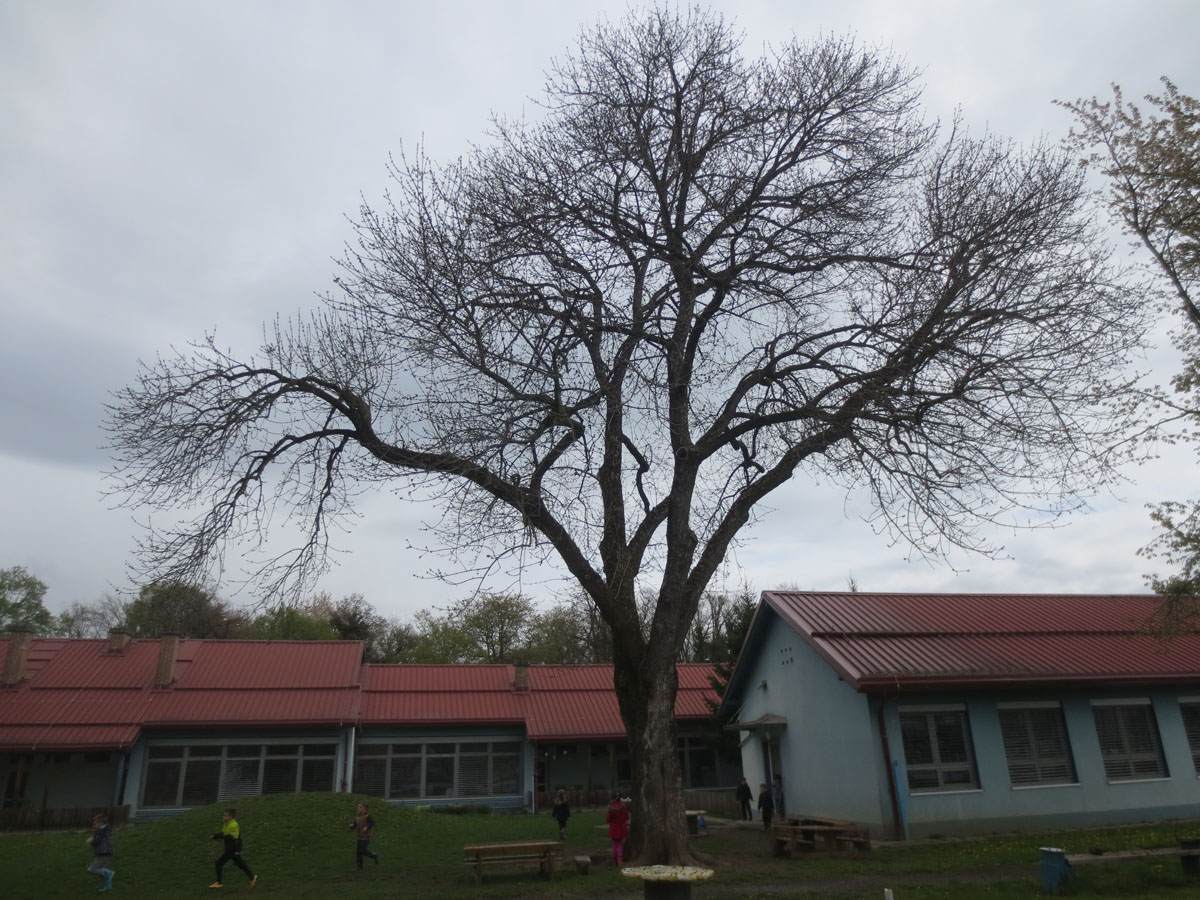
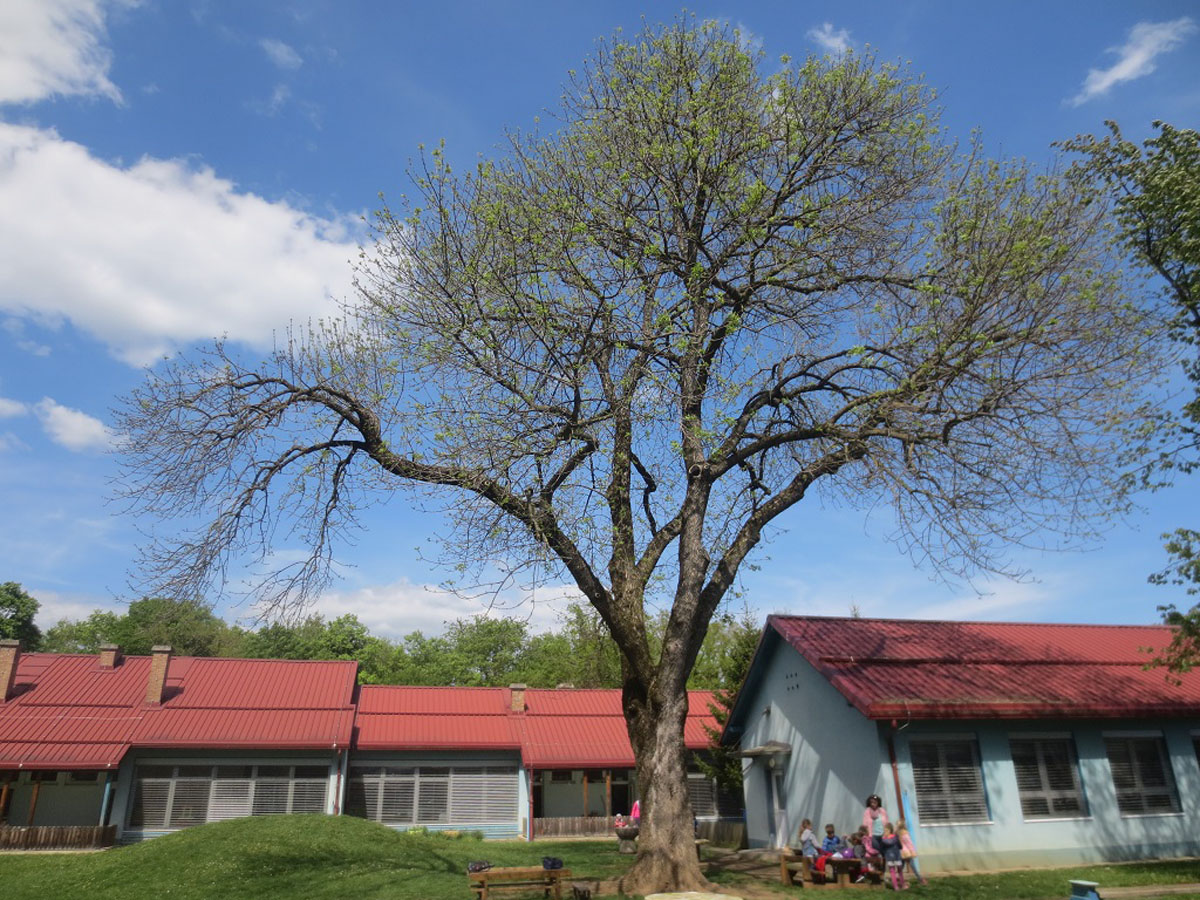
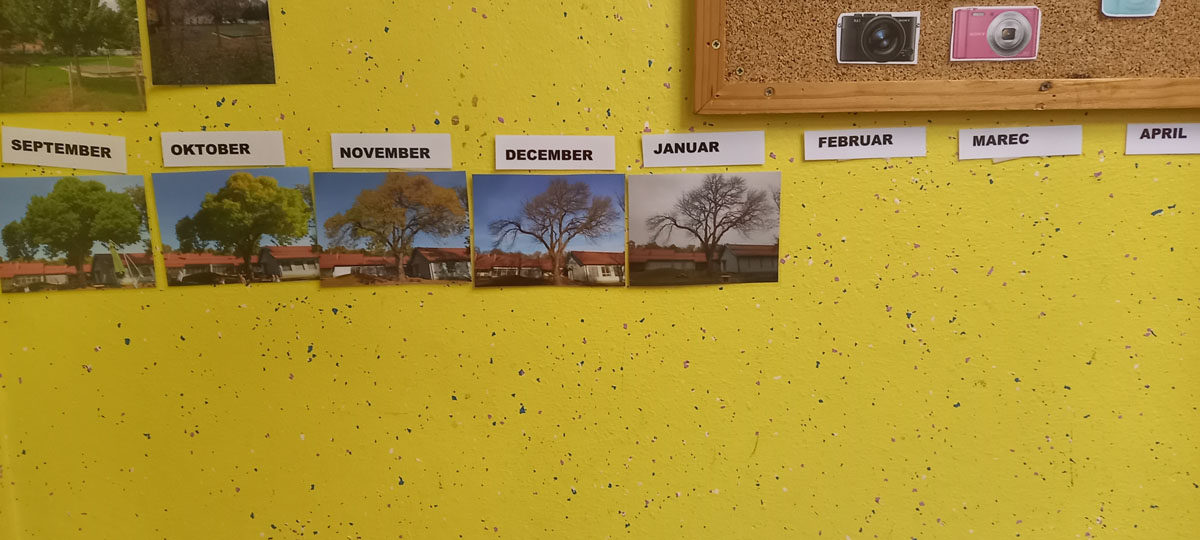
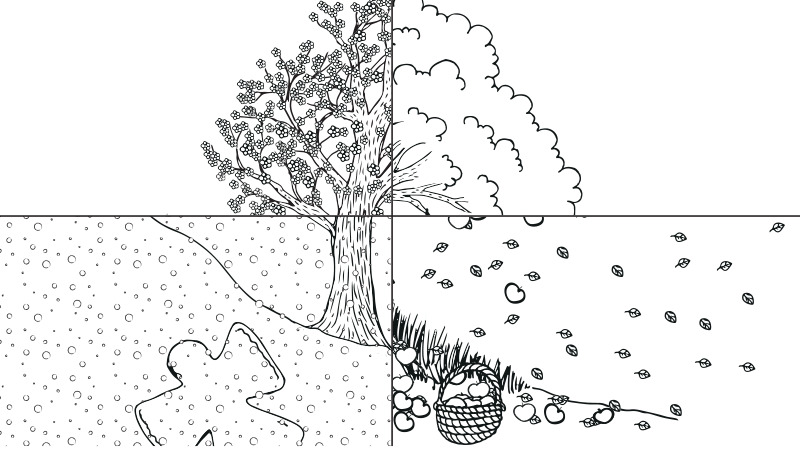
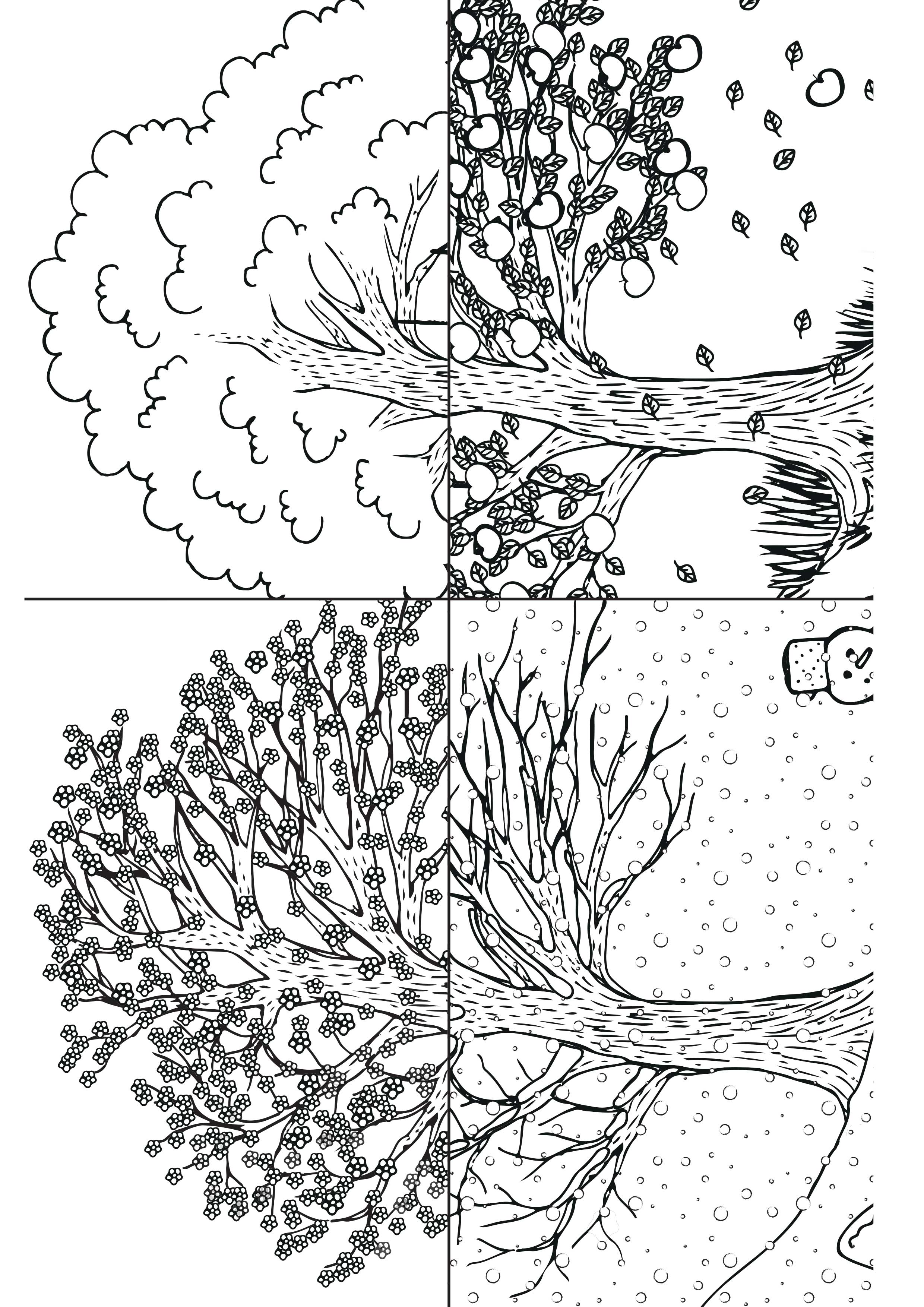
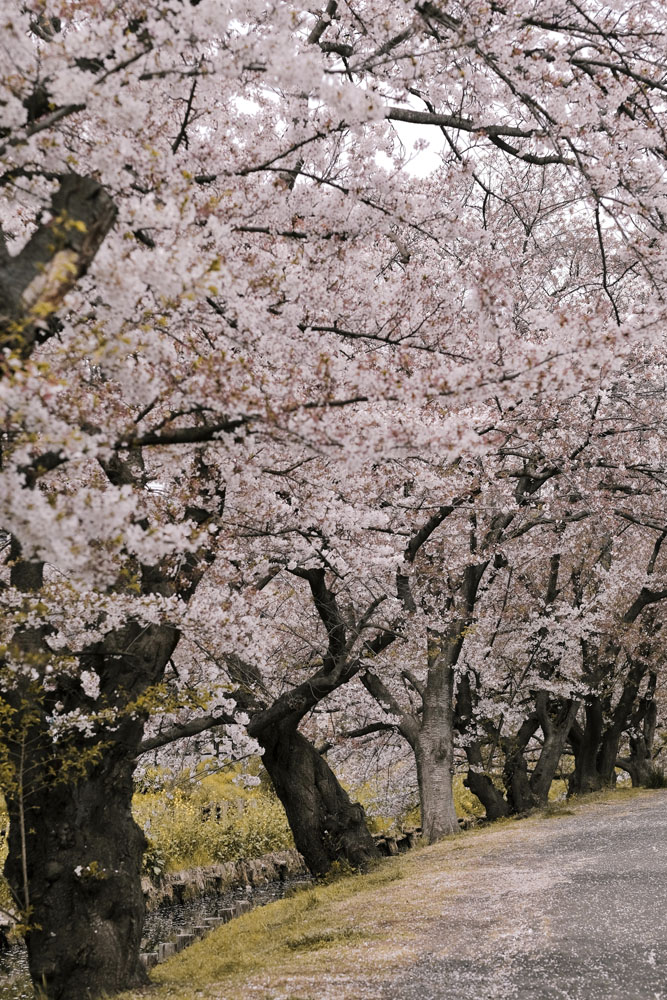
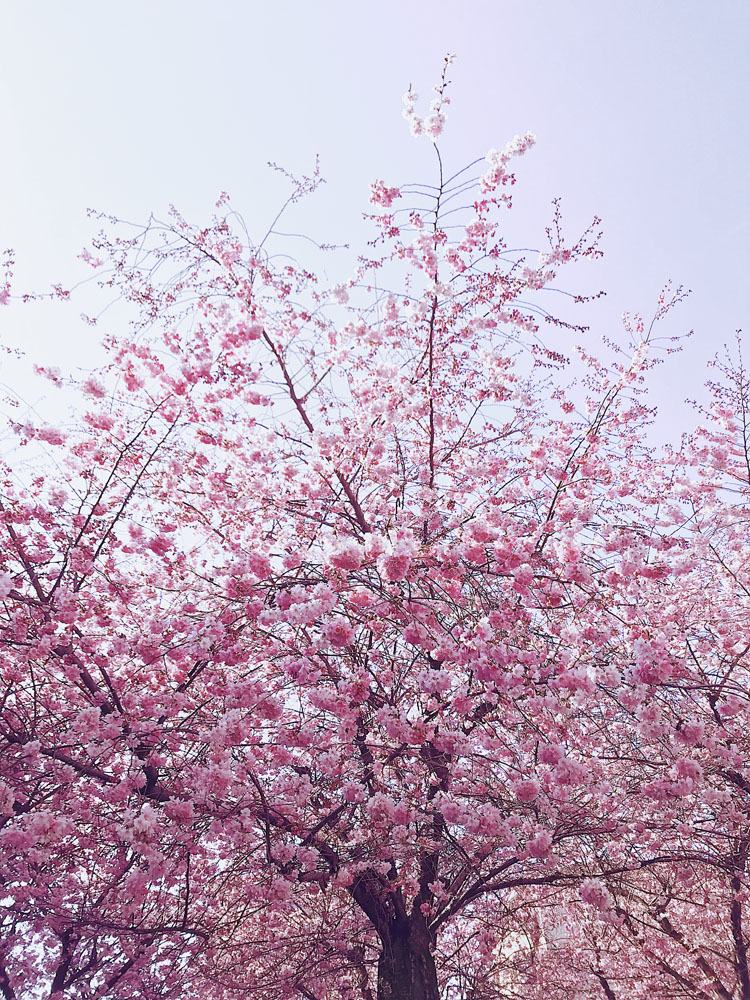
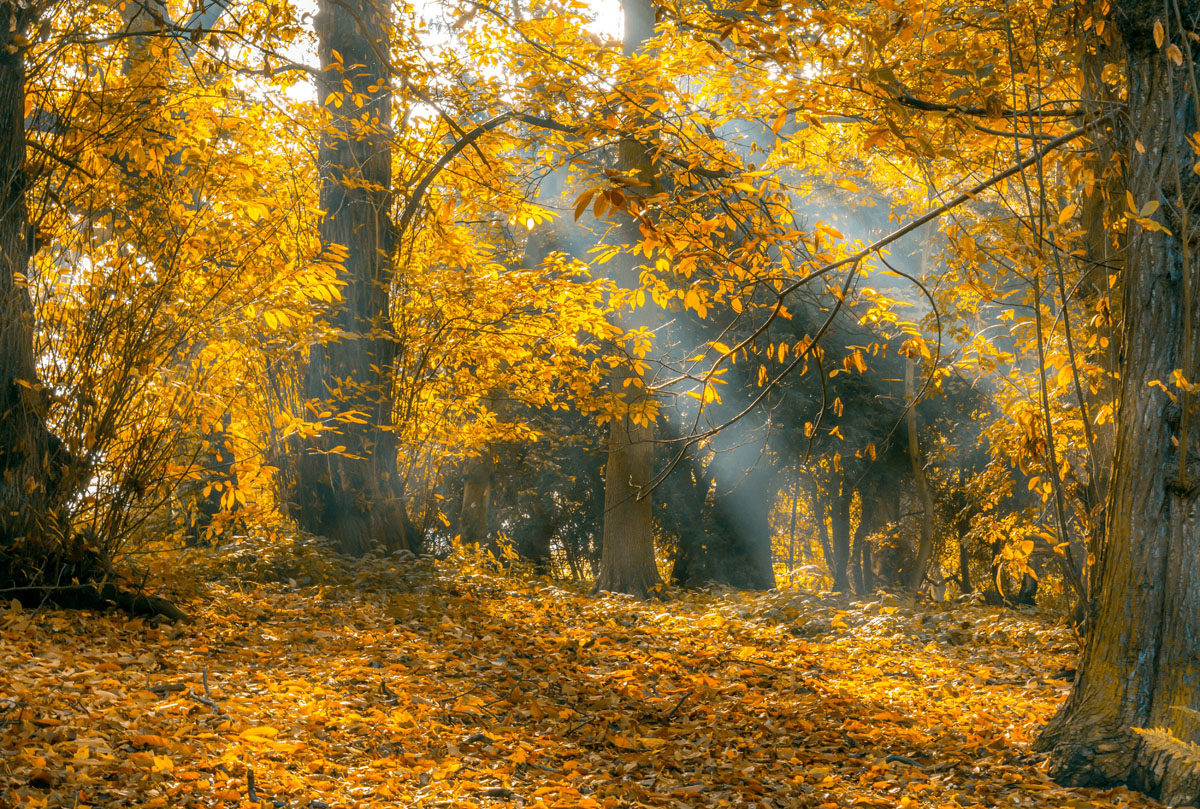
At the beginning of the school year, we start with our project of documenting a selected tree once a month. As this is a long-term activity, present the final vision of the project to the children in an understandable way. You can use this opportunity to talk about seasons, carry out different activities, look at picture books and calendars about this subject, etc. Make sure the participants understand all the steps of the upcoming creative process.
Implementation:
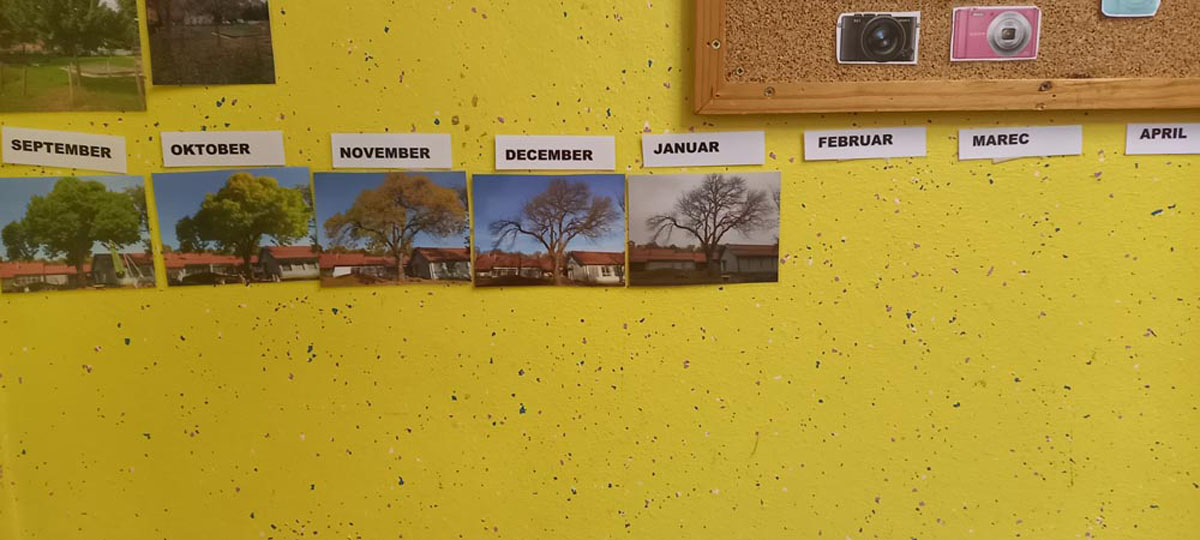
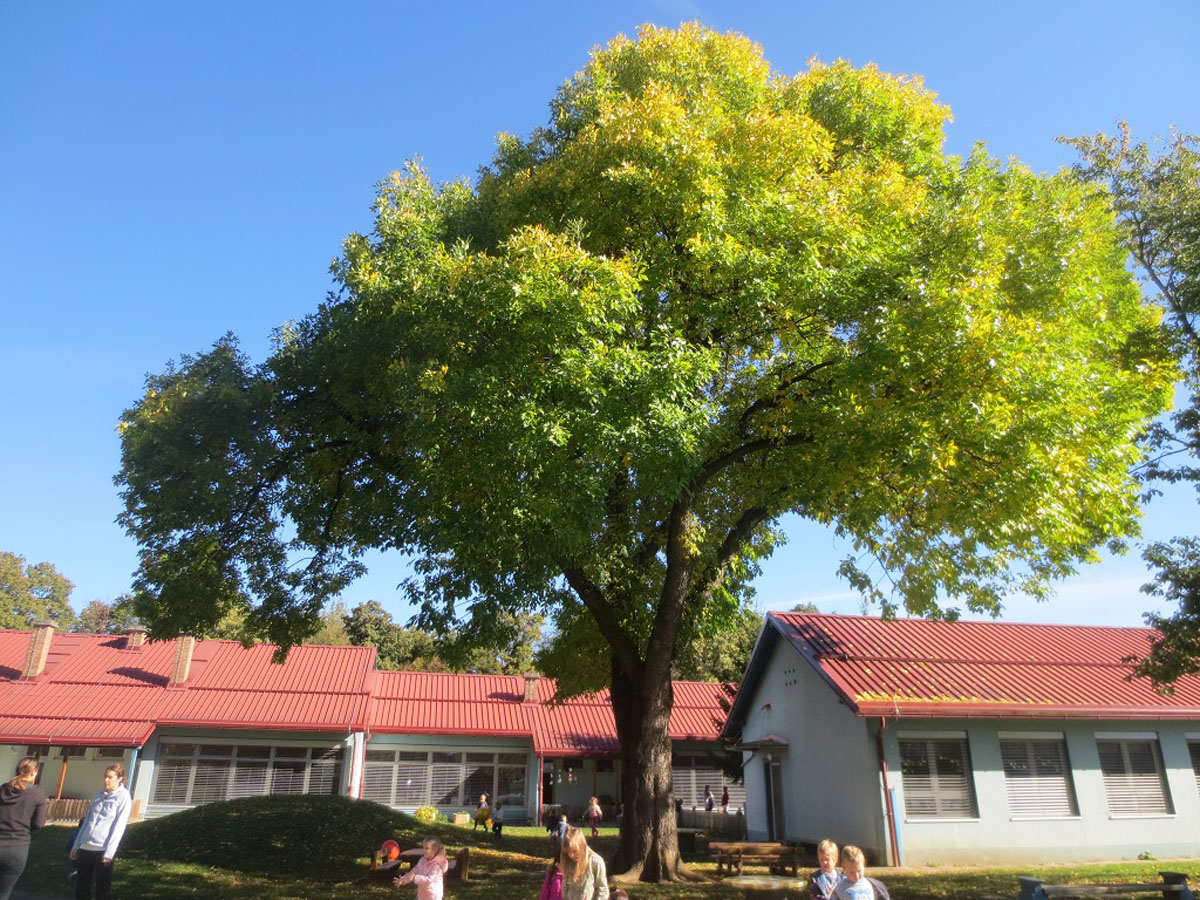
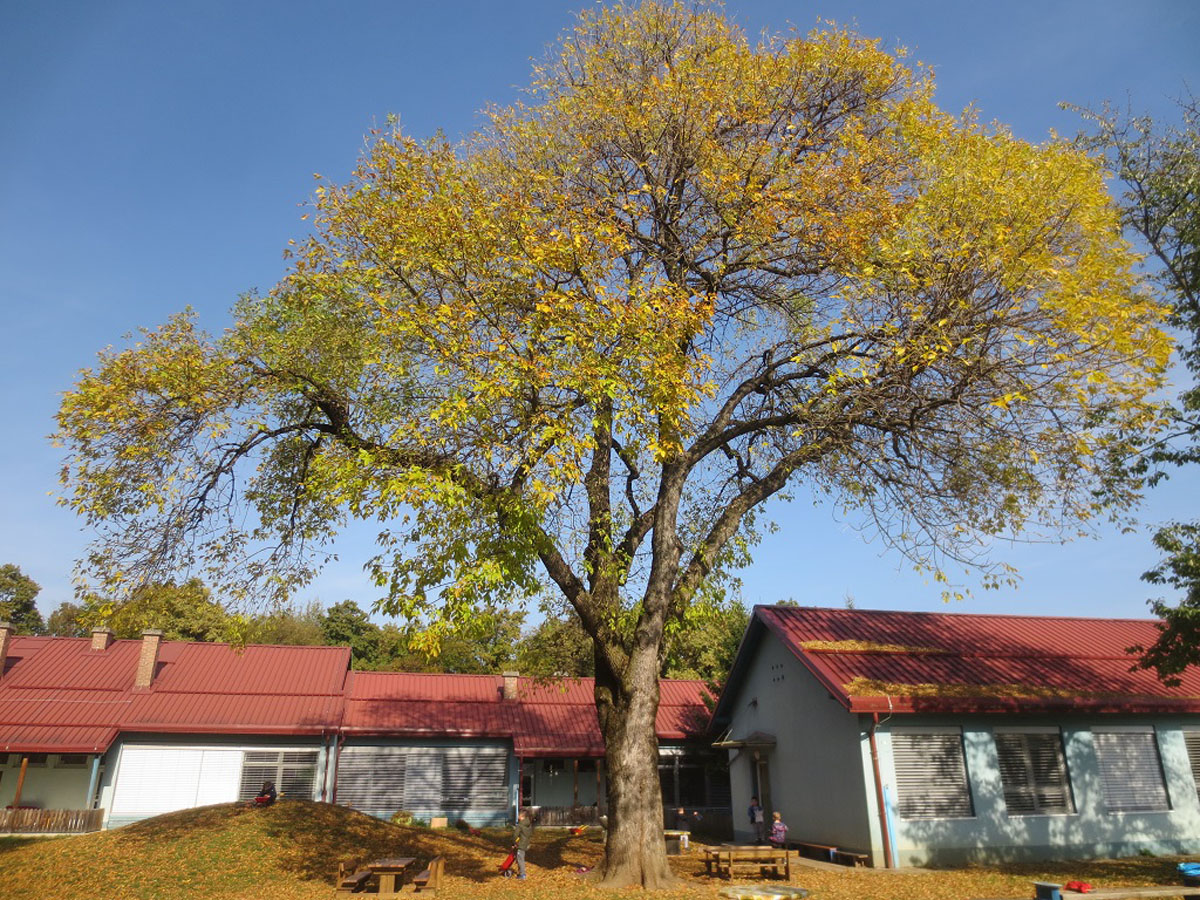
On about the same day each month, gather the children at the tree. It is enough to have only one camera with you, as only one child at a time will be taking pictures. Then, pass the camera to someone else once he or she is done. This ensures that there will be as many photos taken as there are children. You will repeat this on the monthly basis until the end of the school year.
Reflection:
After the completion of each creative activity, ask the children about their impressions, most notably whether they have noticed any changes in a month. After the last photo session and once you have covered the entire school year, invite the children to debate and reflect on the finished project.
Variations and additional ideas
You can transform the children’s photo series into calendars which would make for good gifts to participants’ loved ones.
Background information and didactical perspective
It is characteristic of children that they live in the “eternal present”. This means that they are often unaware that they themselves are part of nature’s changes. A child who may not feel comfortable in their skin will eventually outgrow this body and become an adult. By photographing himself or herself next to a tree, a child will more easily realize that he or she is necessarily connected to this specific part of nature, as well as to nature in general.
Worksheet 1
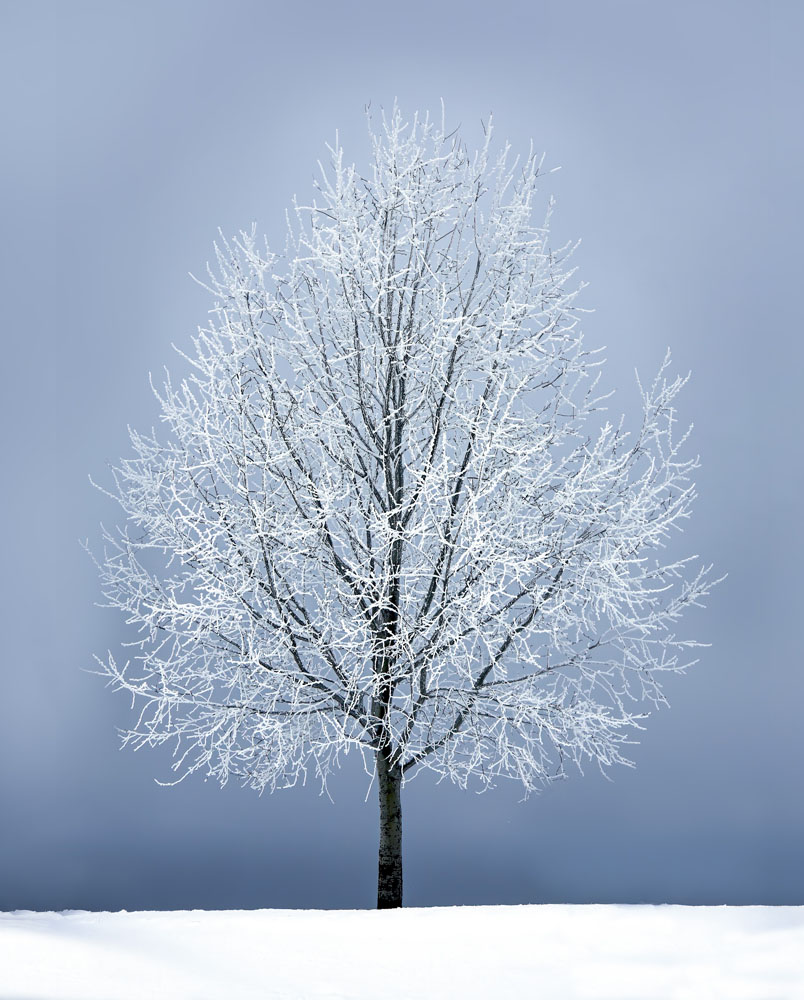
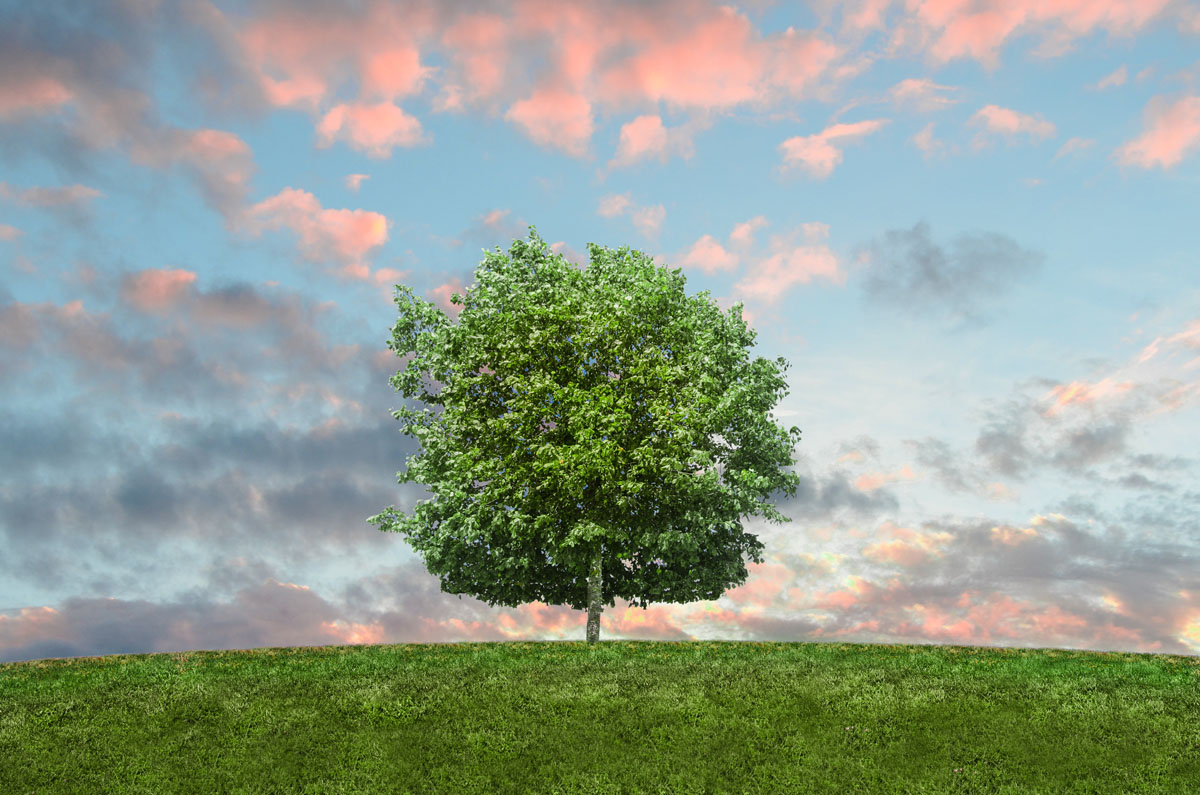
Photos of the activity