Photography in Nature
A Little Can Be a Lot
 Funded by the European Union. Views and opinions expressed are however those of the author(s) only and do not necessarily reflect those of the European Union or the European Education and Culture Executive Agency (EACEA). Neither the European Union nor EACEA can be held responsible for them. |
 All contents, in particular texts, pictures and graphics, are protected by copyright. Unless expressly stated otherwise, copyright is held by media.eduskills.plus and is licensed under Creative Commons Attribution - Non-commercial - Distribution under the same conditions 4.0 International license. They may be subject to the terms of the license. |
2026 media.eduskills.plus
Learning outcomes
Competencies
|
|
|
Target group 4 years and up
|
|
Required materials
|
|
Materials
|
Description of the activity (step by step)
Preparation:
Together with the participants, take a look at the provided picture books or printed photographs. The scenes should be familiar to familiarize the children with what they are about to encounter on their picture-hunt outside.
Implementation:
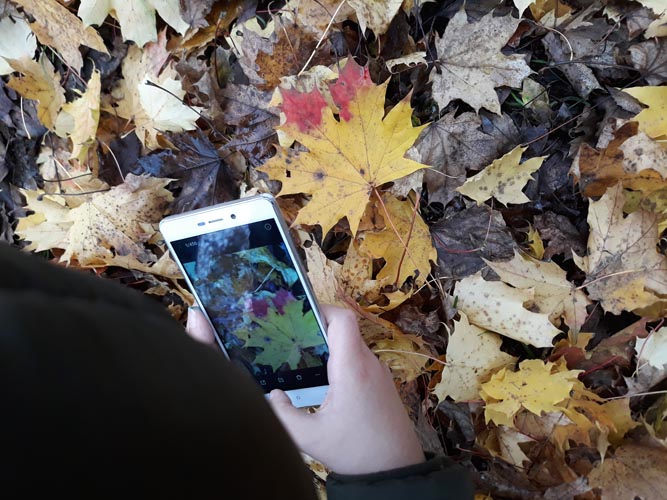
On your walk, motivate and encourage children unobtrusively to observe and choose motives spontaneously. Children are autonomous in their work and unburdened by the number of shots. However, make sure (in a discreet way) that the chosen space is used to its full photographic potential. When you judge that the participants have exhausted all the interesting motives, proceed to the next location. Once the creative process has been completed, record the authorship of the photos, save them on the computer in the appropriate files, and then create a selection to be reviewed and commented.
Reflection:
Take a look at the selection of the photographs together with the children and discuss all the different things they have found. Motivate children to relive their experiences with the creative process and discuss the ways to show respect for nature.
Variations and additional ideas
Suggest to the participants that next time they bring along some photographs of their own backyard, balcony, window panel, etc. The subject should be living nature but may also include pets. Organize an exhibition about the living world of the kindergarten. Ask children to divide photographs into different groups, e.g. plants and animals, according to color, big and small, or think together of other criteria.
Background information and didactical perspective
We aim to expand the child’s view of the living space outside the home. We should encourage children not to take nature for granted but instead, see it as an endless source of inspiration. By doing so, we strengthen the child’s respect and wonder at the uniqueness of nature, our silent companion.
Experience from kindergartens
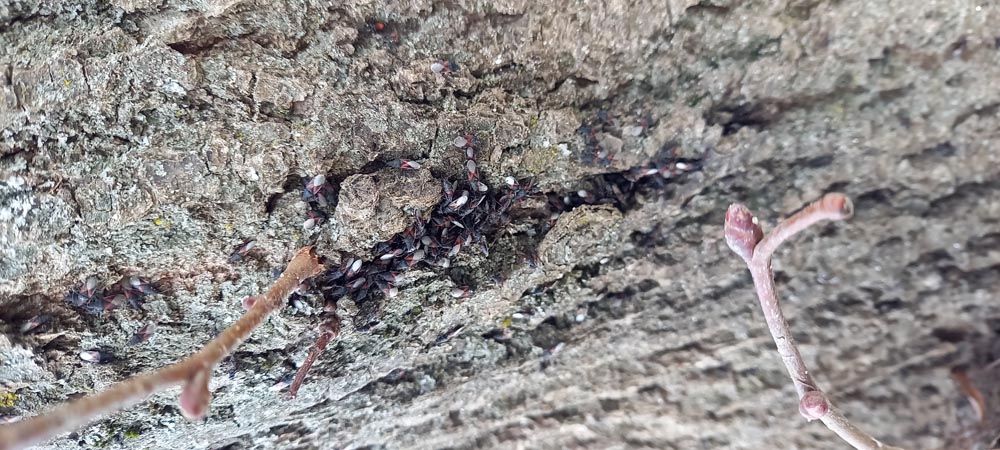
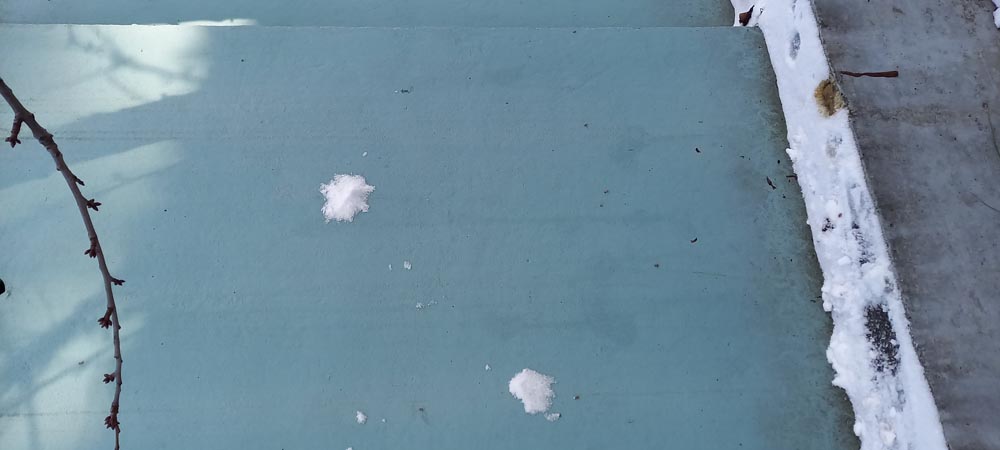
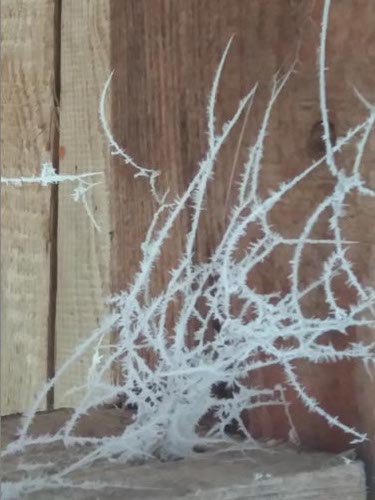
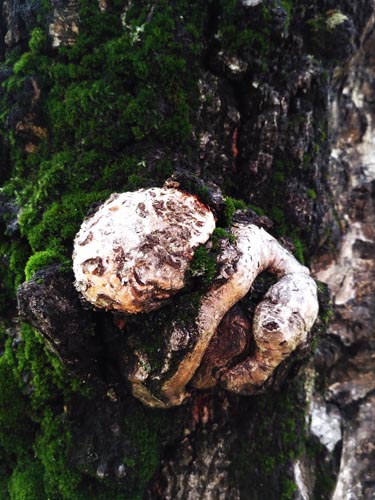
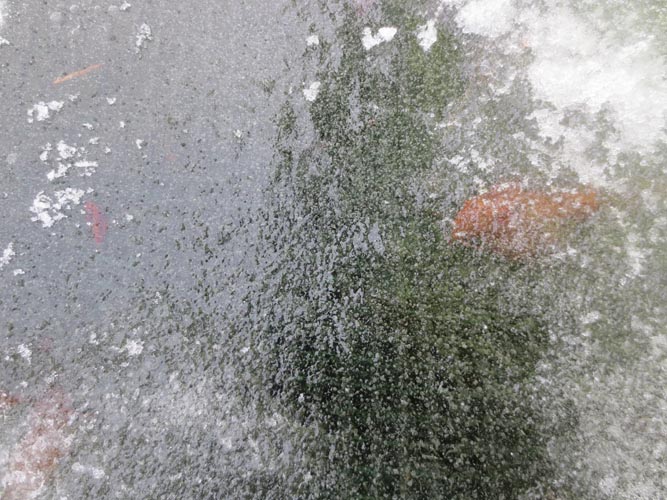
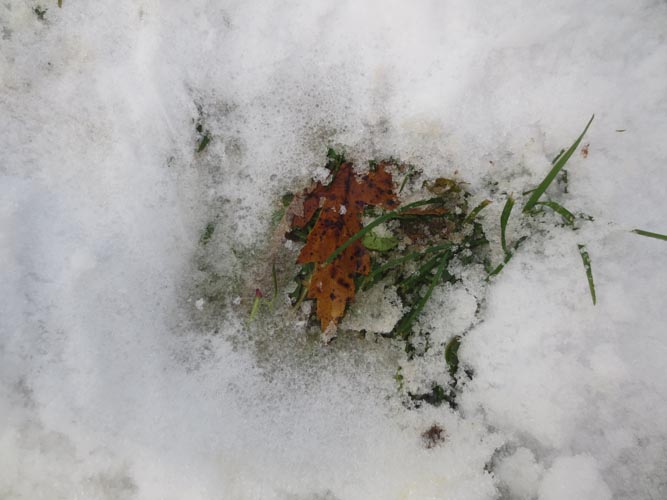
The children enjoyed the snow on the playground. With the camera on offer, most of them first tried to photograph with gloves, but quickly realized it wouldn’t work. One boy commented on the photoshoot without gloves: "I can't take pictures anymore because my hands are already frozen." The children most often photographed the following motifs: snow in different parts of the playground, footprints in the snow, trees, ice, peers, a snowman, holes in the ground, branches on a tree, a fence…

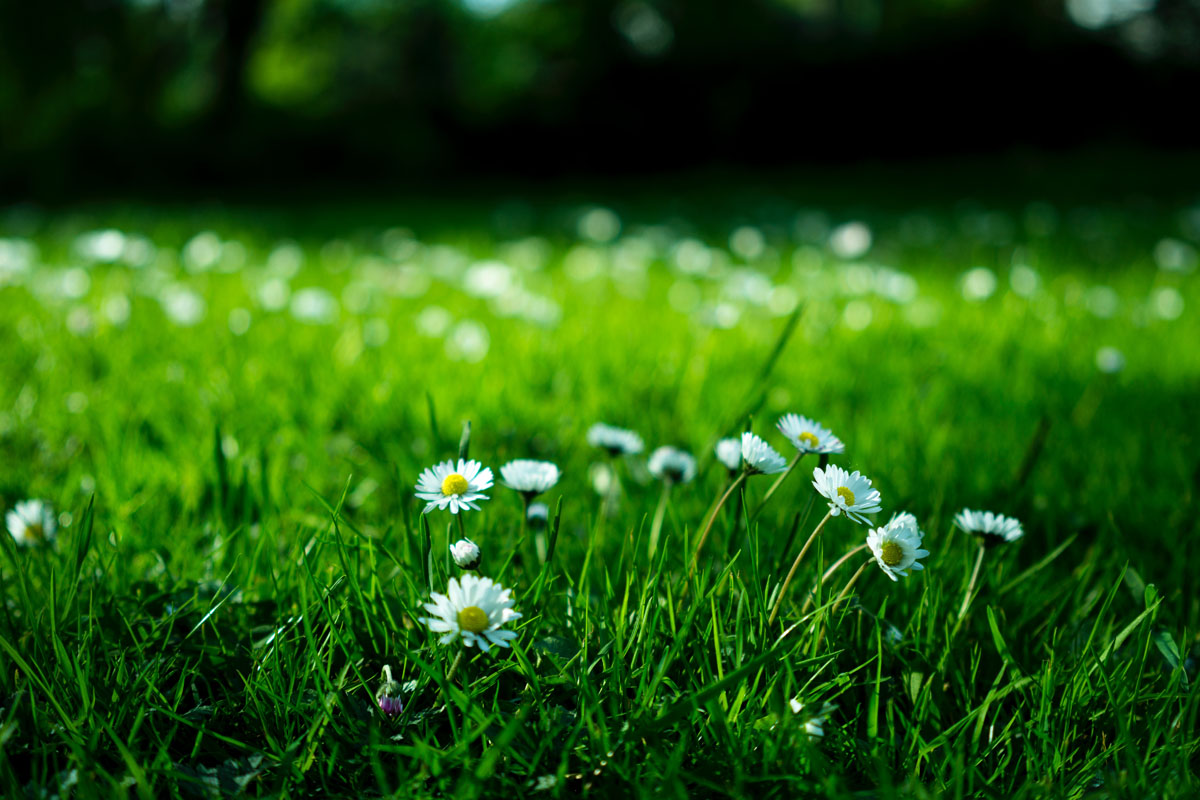

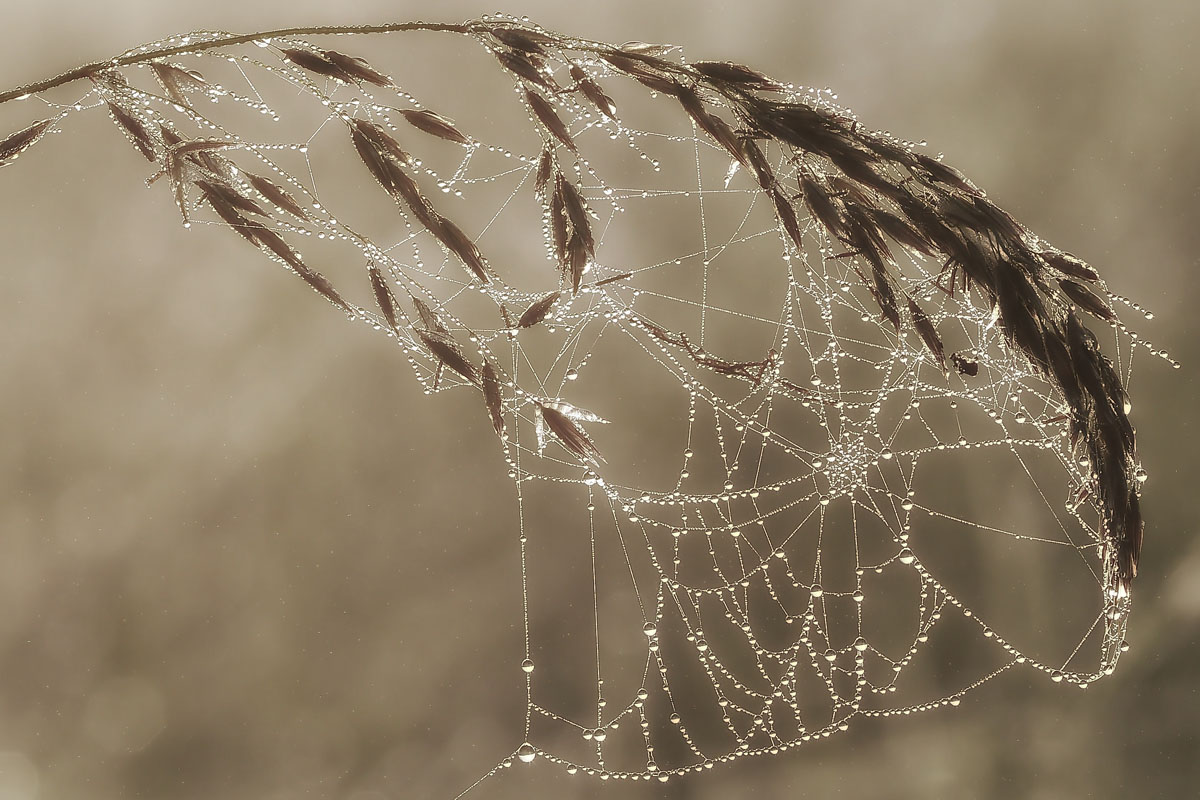


Photos of the activity