The secret world of insects
Macro Photography
 Funded by the European Union. Views and opinions expressed are however those of the author(s) only and do not necessarily reflect those of the European Union or the European Education and Culture Executive Agency (EACEA). Neither the European Union nor EACEA can be held responsible for them. |
 All contents, in particular texts, pictures and graphics, are protected by copyright. Unless expressly stated otherwise, copyright is held by media.eduskills.plus and is licensed under Creative Commons Attribution - Non-commercial - Distribution under the same conditions 4.0 International license. They may be subject to the terms of the license. |
2026 media.eduskills.plus
Learning outcomes
Competencies
|
|
|
Target group 6 years and up
|
|
Required materials
|
|
Materials
|
Description of the activity (step by step)
Preparation:
Start a conversation about the living world of the kindergarten playground or the nearby park. What animals and plants did the children encounter there? Let them think of as many as possible.
Talk about insects. Which ones do the children know and how do they recognize them? Can they see them well? Do they have any ideas on how they could observe them more closely?
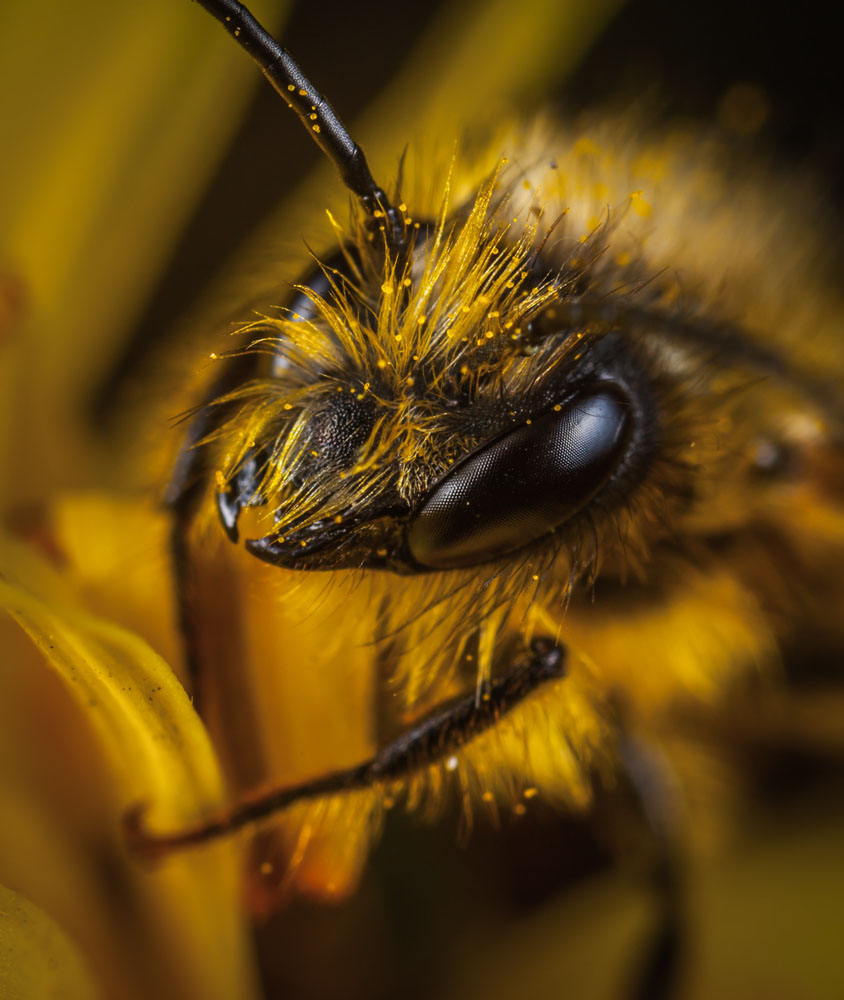
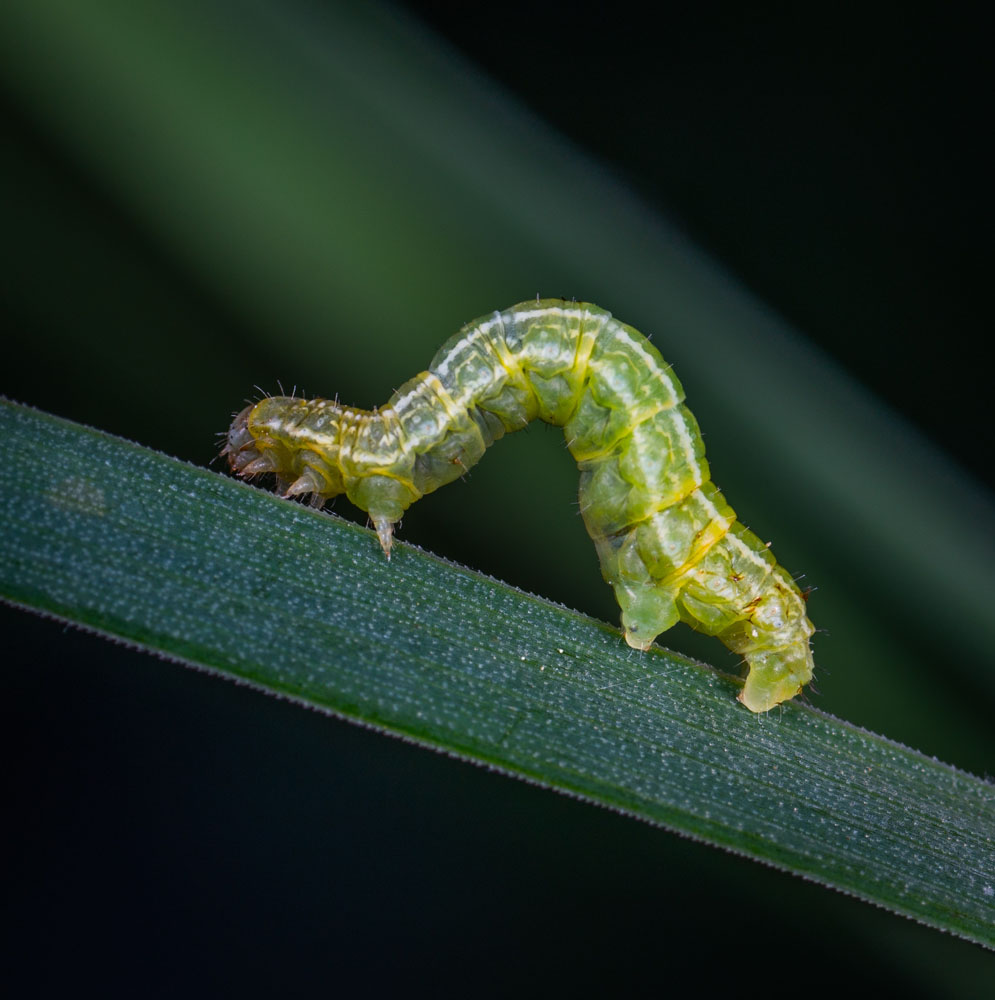
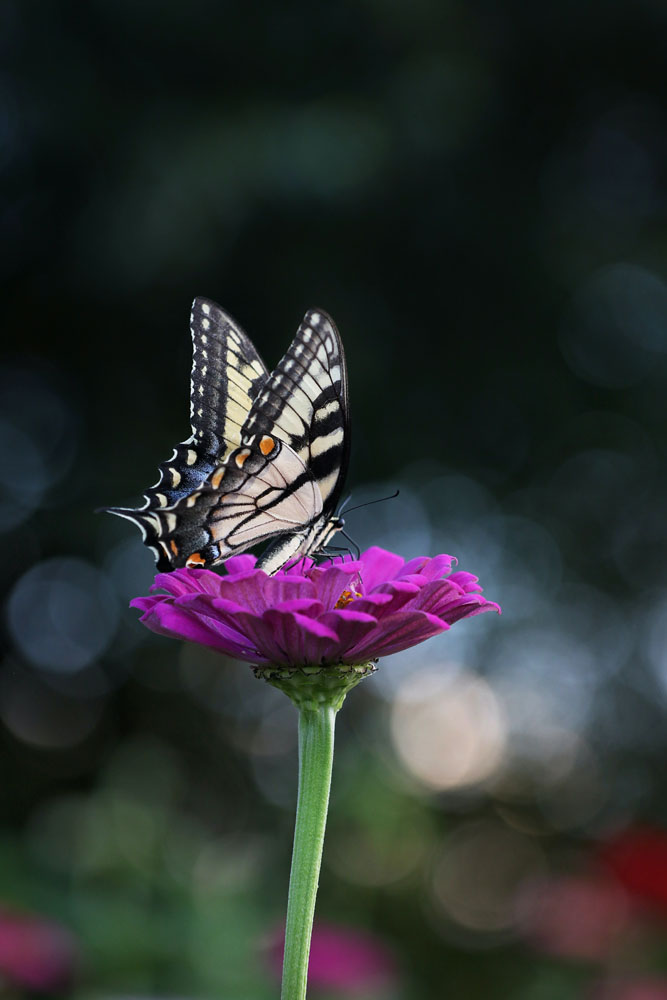
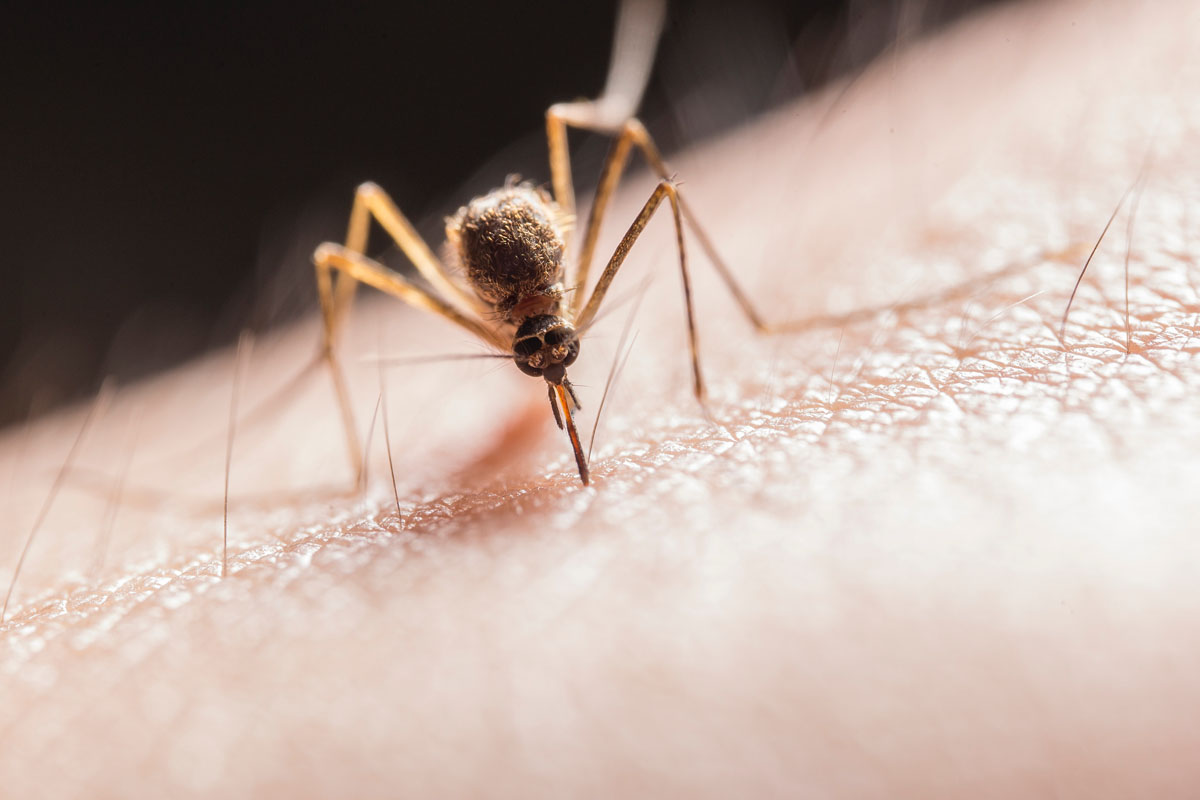
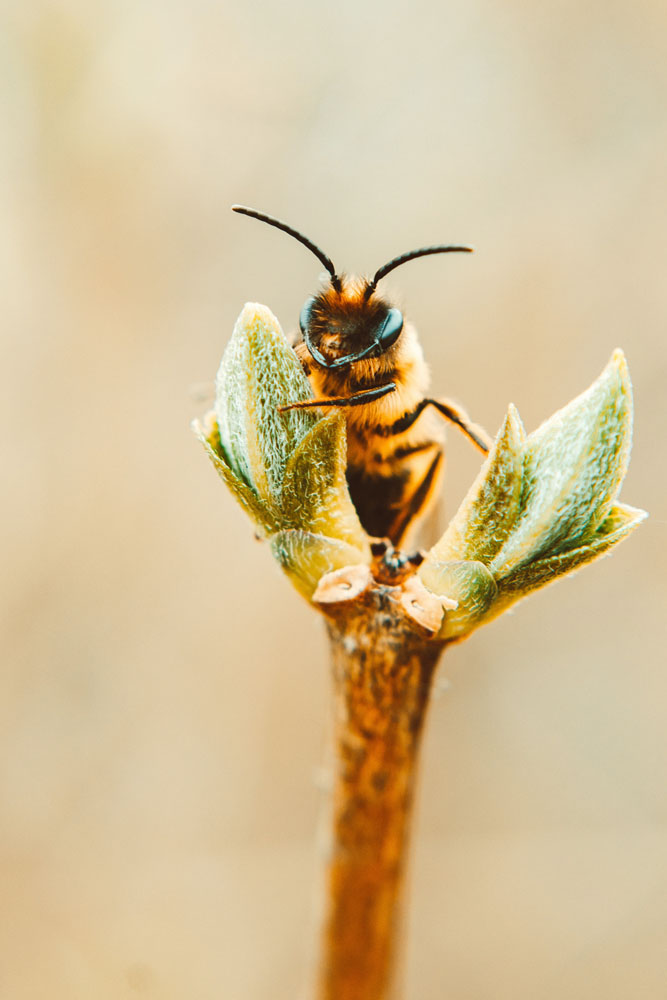
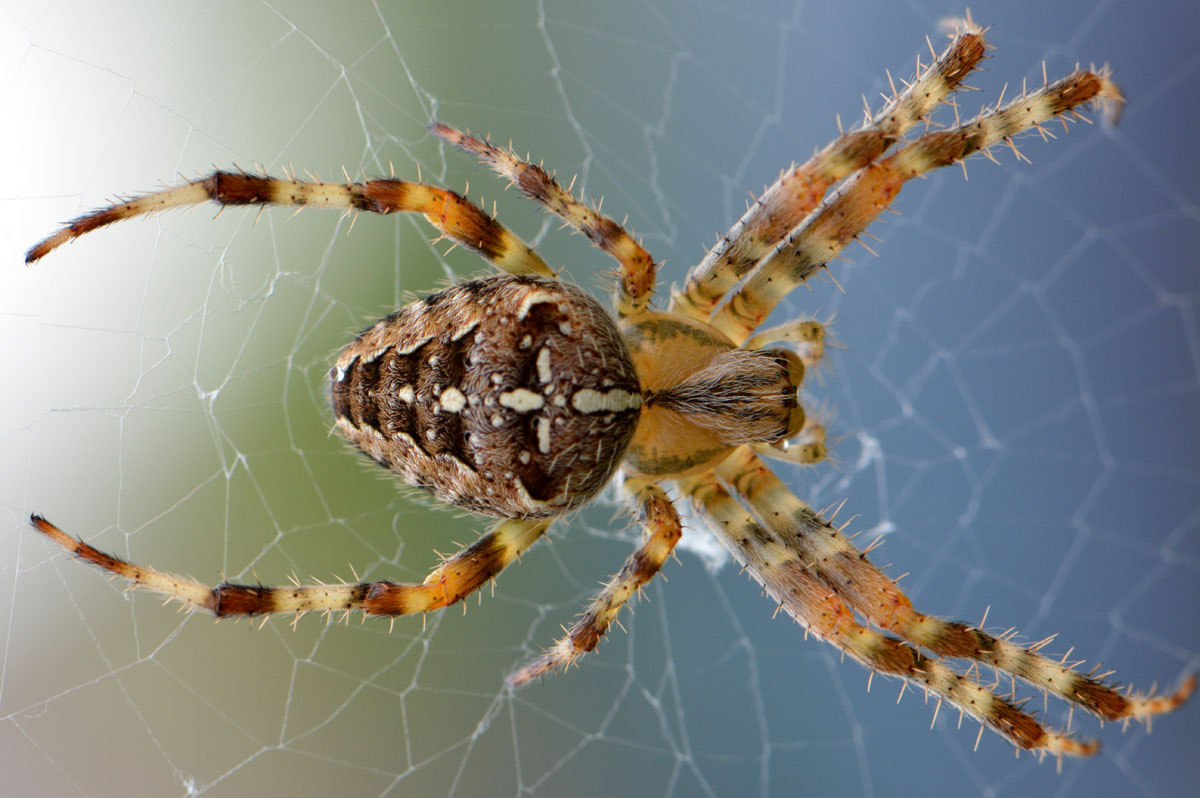
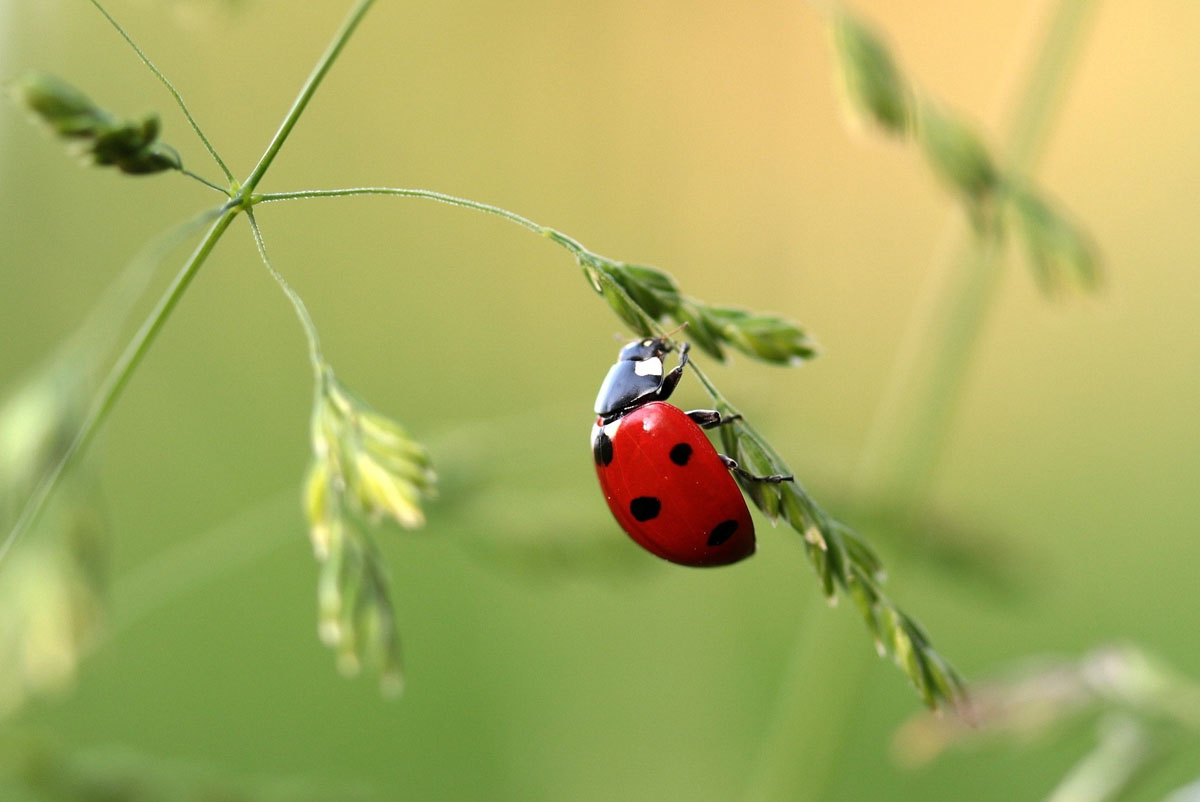
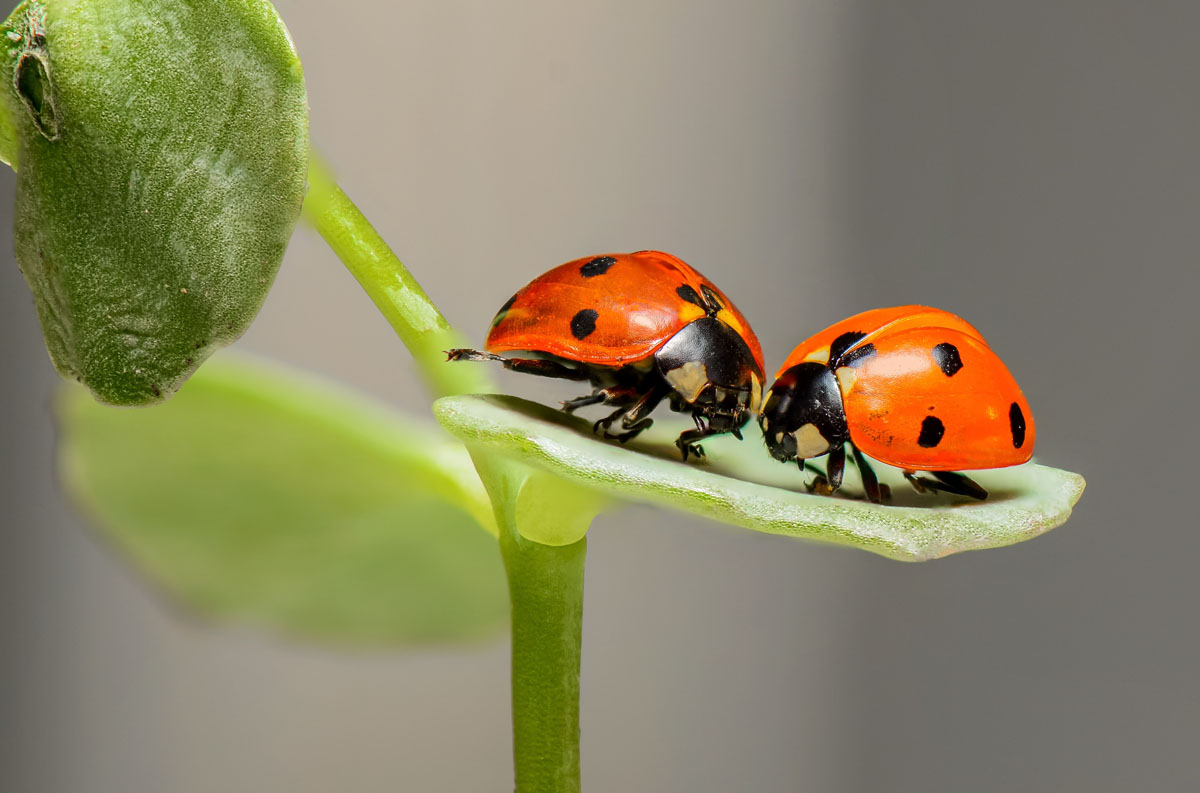
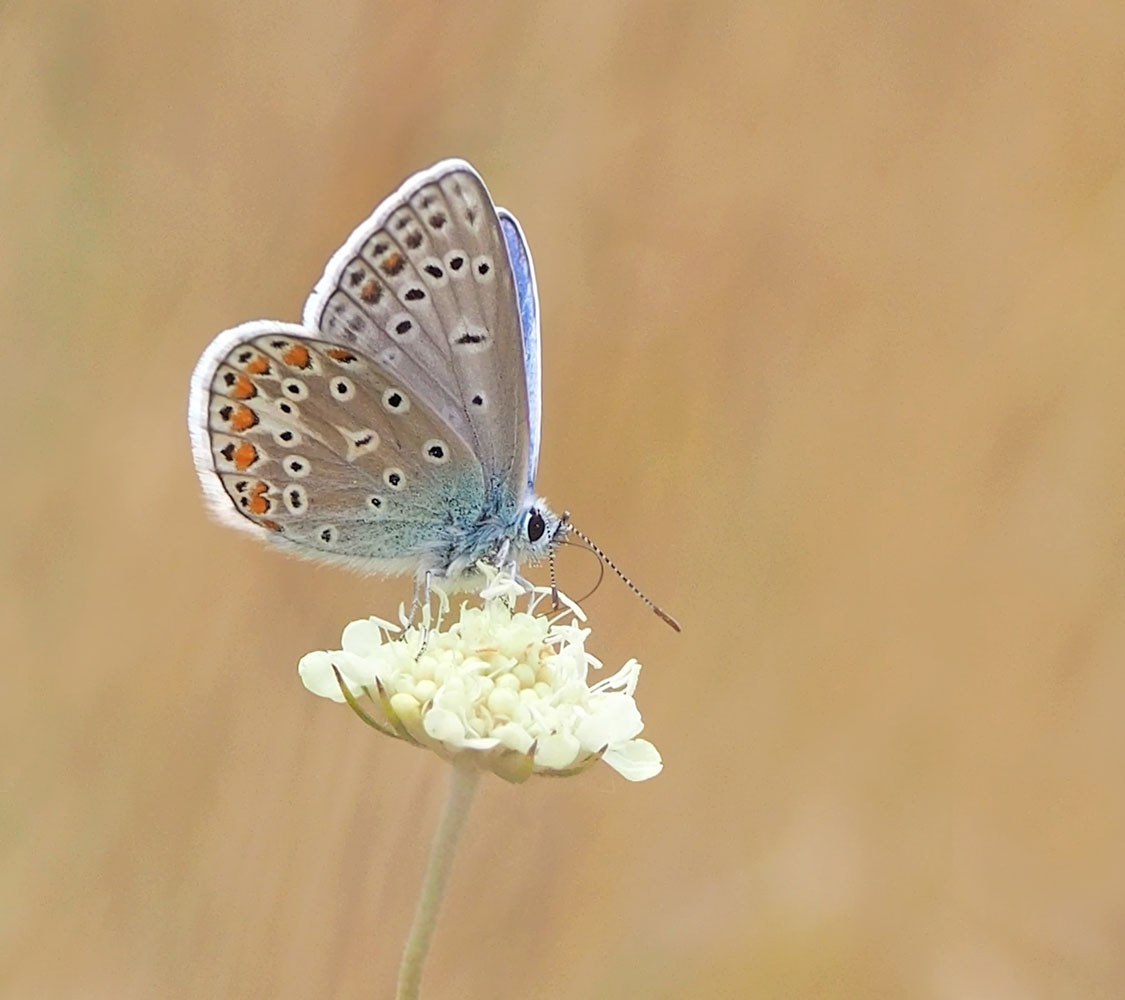
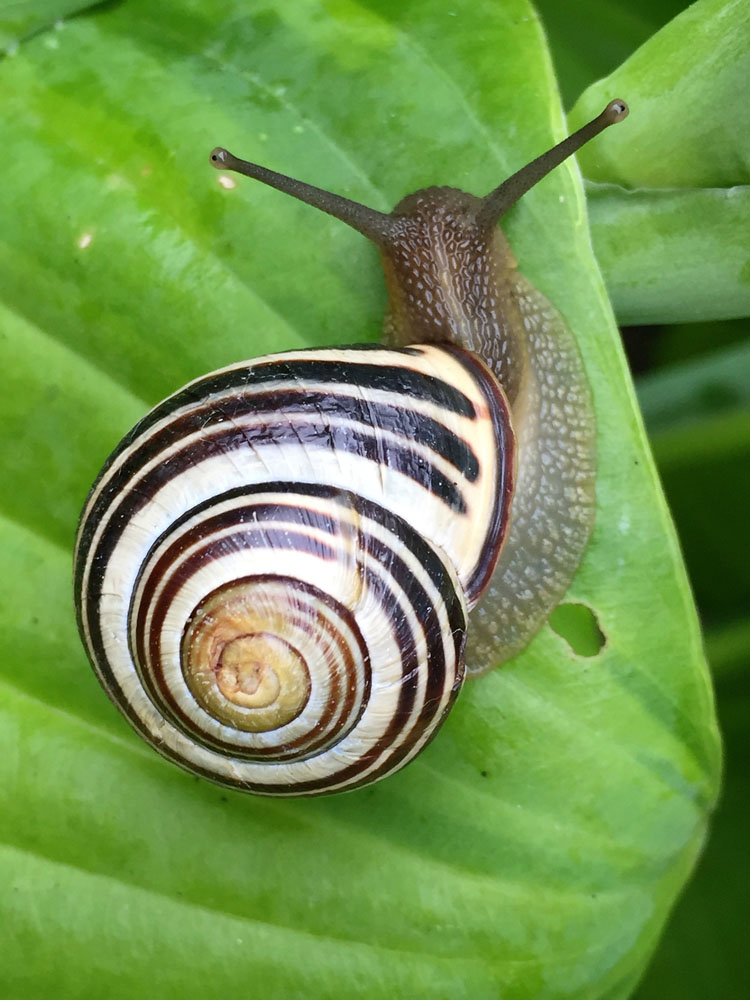
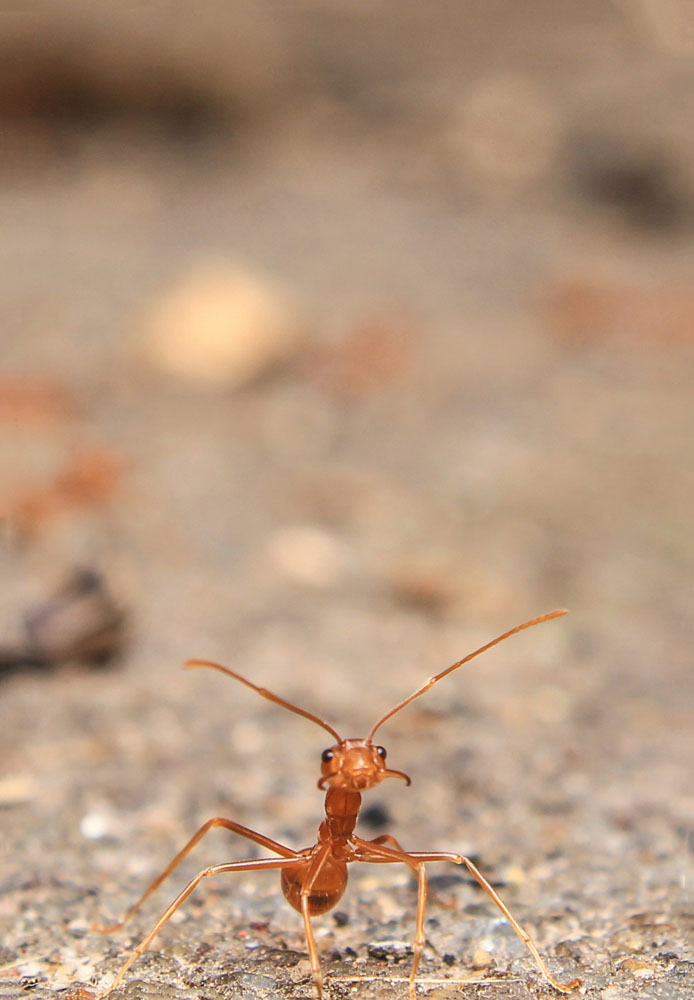
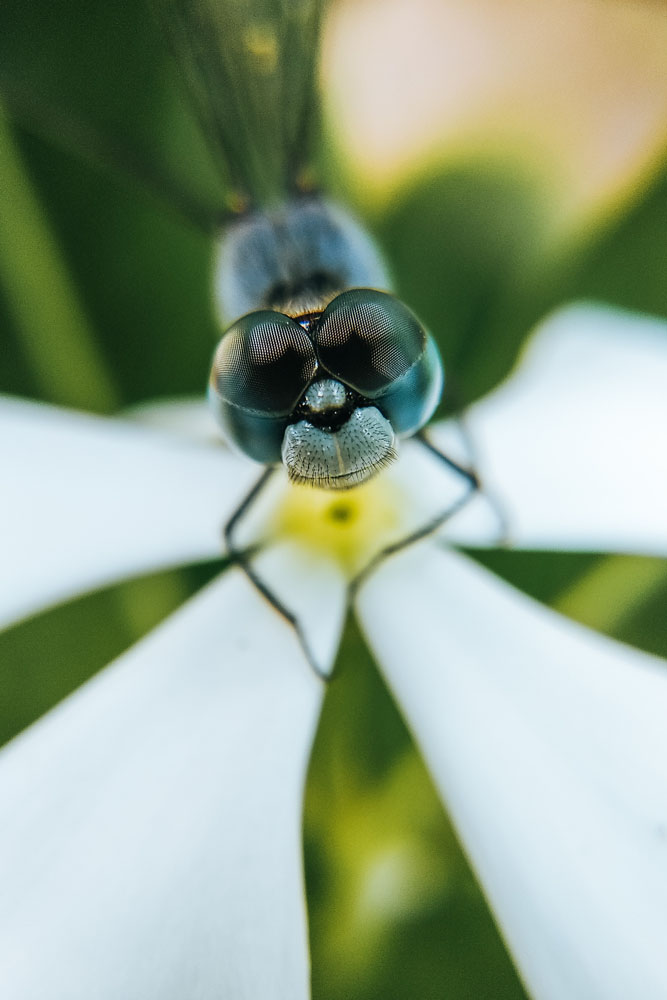
Explain to them that there are devices that help people see small and tiny animals and objects and also photograph them. You can show them some examples of macro photography. Explain that they will search for insects on the playground, observe them with magnifying glasses, and photograph them with the help of the macro-setting. Explain how to make macro-photos with the available cameras.
Implementation:
Head out to the playground or the park. Distribute the cameras and magnifying glasses and let the children explore the surroundings. Children can look for animals individually or in small groups.
You can take some books about insects with you and help them look at the animals up at the spot.
Reflection:
Upload the photos to the computer. Look at them together and look the depicted insects up in an encyclopedia. Find out how they are called, where they live, and what they eat. The children should observe the photos and find out how many legs the creatures have, whether they have wings, what kind of eyes they have, etc.
Create posters about different kinds of insects. The children glue the photos in the middle and draw the environment of the animal and their prey or food. They can also look for pictures on the internet, print them, and glue them on the poster.
Keep them interested by playing games about insects and exploring the micro world of our surroundings further!
Variations and additional ideas
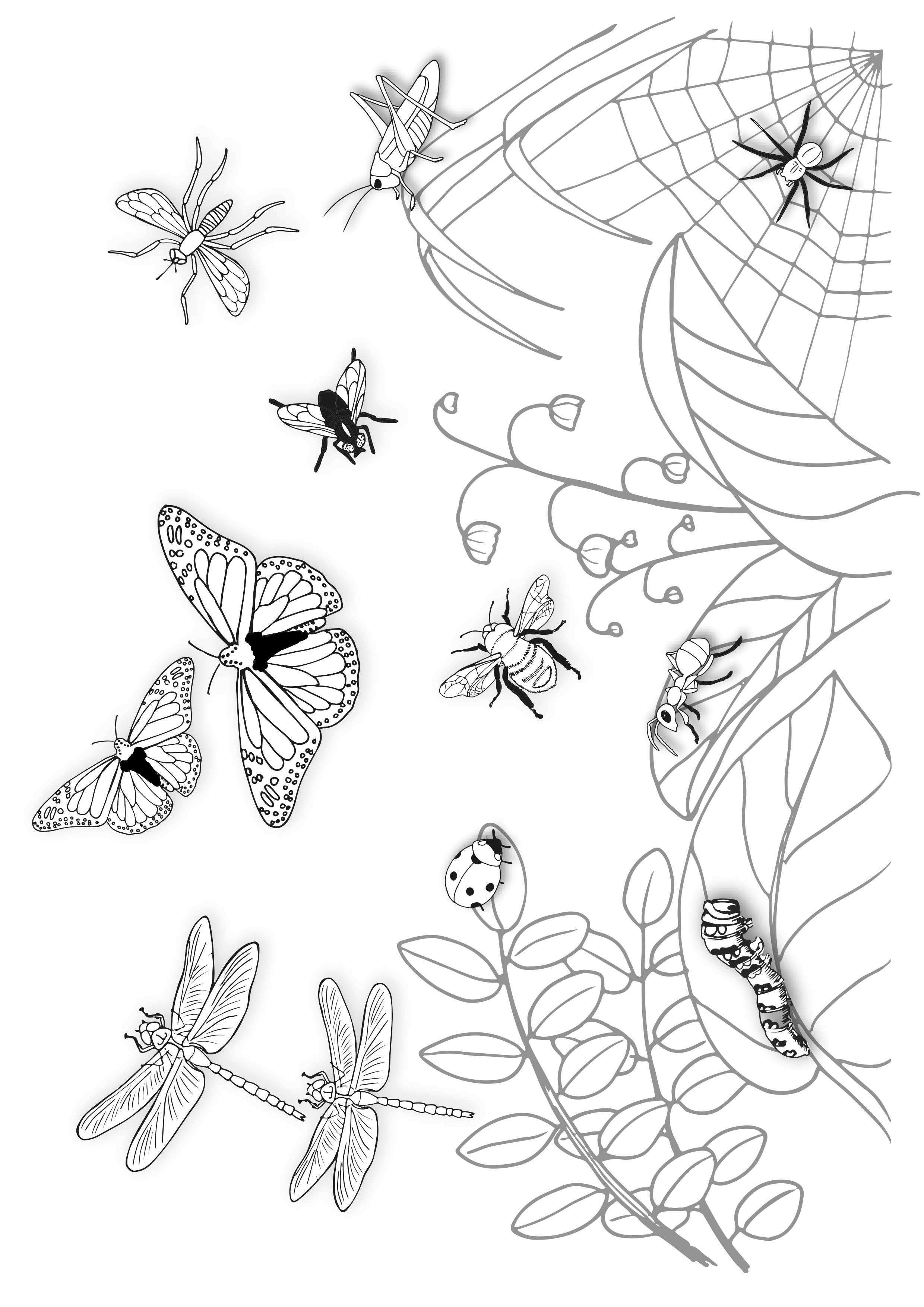
Play the Insect bingo game! Print out the template. Each child receives a bingo sheet and a child draws the plates from a bag. The children need to know the names of the insects to name them (if they are the ones to draw the plates) or find them or their bingo sheet. The child who fills his or her bingo sheet first wins the game and gets to draw the insect plates next.
Create a memory game with photographs of insects!
You can use the micro setting in several creative activities; challenge the children to photograph details of their toys, eyes of each other, flowers, explore different kinds of surfaces, etc. Such photographs are great for guessing games as well!
Background information and didactical perspective
Macro photography is a kind of photography, where the photographer gets very close to the subject. The goal is to make something that is small in real life appear larger on the photograph. You can use a special lens that enables you to shoot in great detail or choose a macro setting on the camera. The macro setting is usually marked with a flower and offers reproduction ratios around 1:4.
Bingo cards insects
Materials
The photos are downloadable at https://media.eduskills.plus/activities/nature_insects.
Examples of macro photography