Inanimate Nature
Stone
 Funded by the European Union. Views and opinions expressed are however those of the author(s) only and do not necessarily reflect those of the European Union or the European Education and Culture Executive Agency (EACEA). Neither the European Union nor EACEA can be held responsible for them. |
 All contents, in particular texts, pictures and graphics, are protected by copyright. Unless expressly stated otherwise, copyright is held by media.eduskills.plus and is licensed under Creative Commons Attribution - Non-commercial - Distribution under the same conditions 4.0 International license. They may be subject to the terms of the license. |
2026 media.eduskills.plus
Learning outcomes
Competencies
|
|
|
Target group 4 years and up
|
|
Required materials
|
Description of the activity (step by step)
Preparation:
The teacher talks to the children about inanimate nature. Children give their thoughts and ideas about the objects / substances that do not breathe, do not grow, do not reproduce. The teacher explains that stones are also part of the inanimate nature that surrounds us.
Implementation:
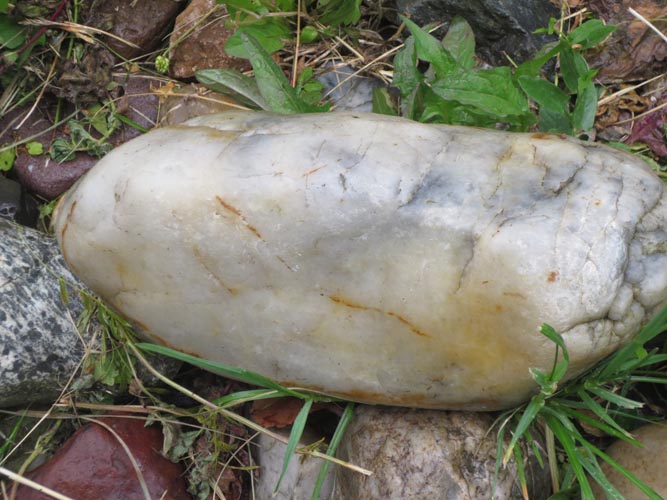
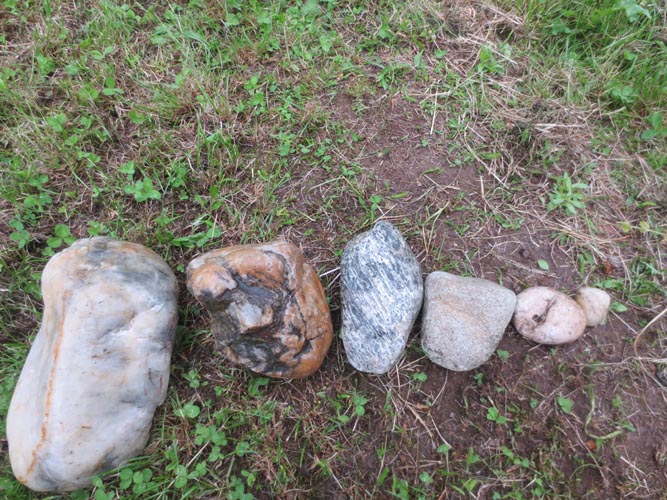
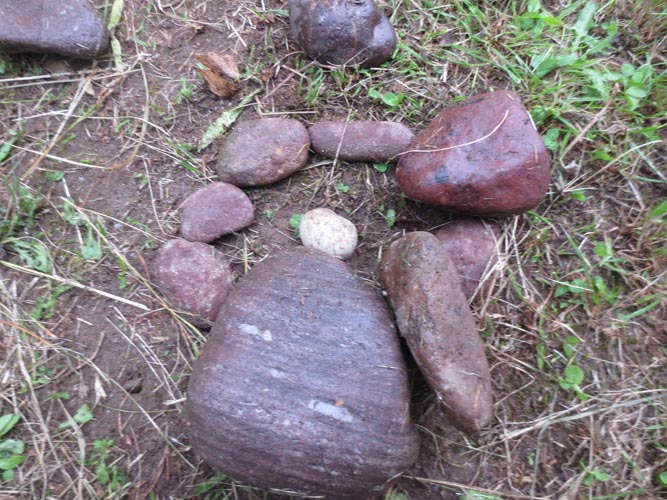
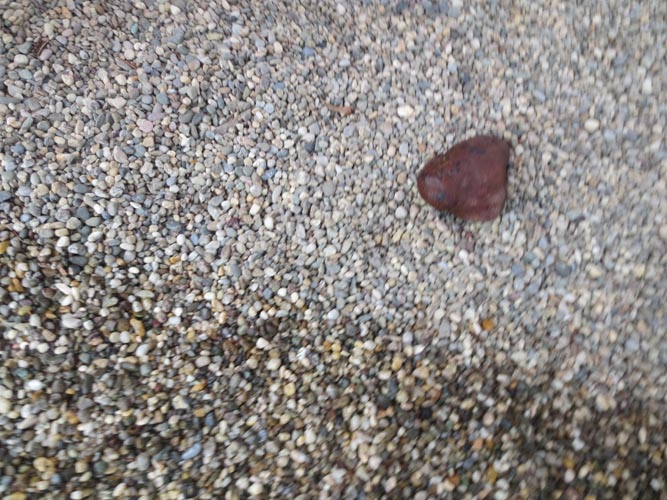
The teacher directs and encourages children to look for and photograph the stones on the playground. Children look for stones, place it in different lines, photograph them etc.
Reflection:
The teacher prints the photos that children took. They talk about the stones that they found. They sort photos according to the similarities of the stones in the photos (e.g., similar shapes, colours) and differences.
Variations and additional ideas
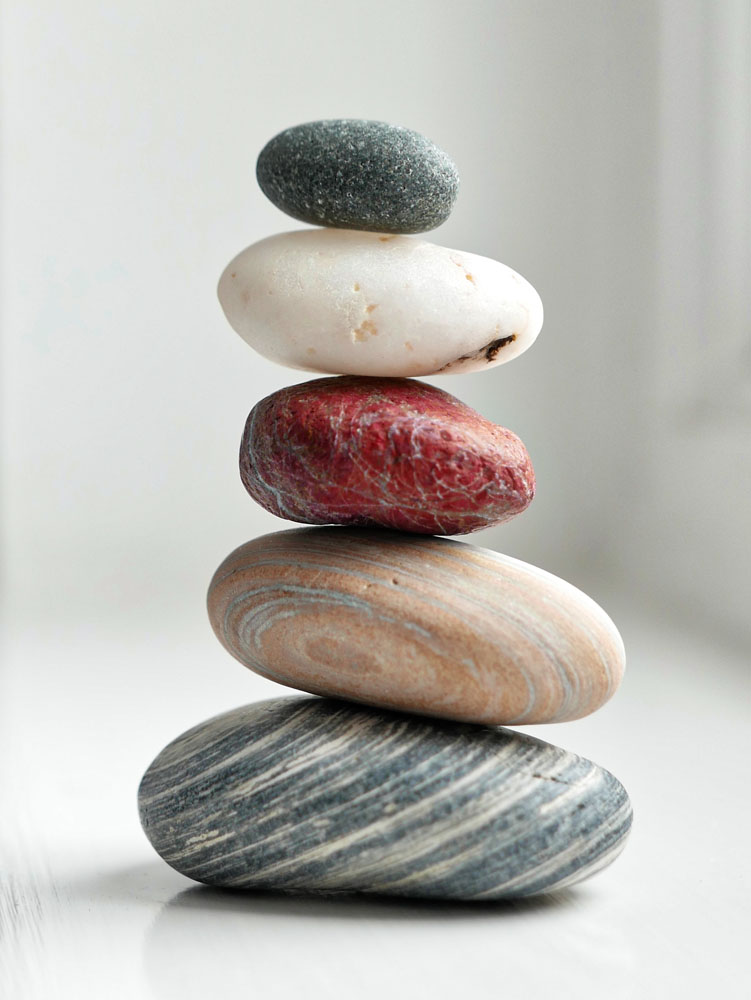
Children could: make sculptures / statues from rocks and take pictures of their finished product.
Background information and didactical perspective
The children were fascinated by the large stones, which they liked to lift and carry. They noticed the details on individual stones (e.g., shimmer, colours) and they associated them with the imaginary world (e.g., treasure, magic dust).
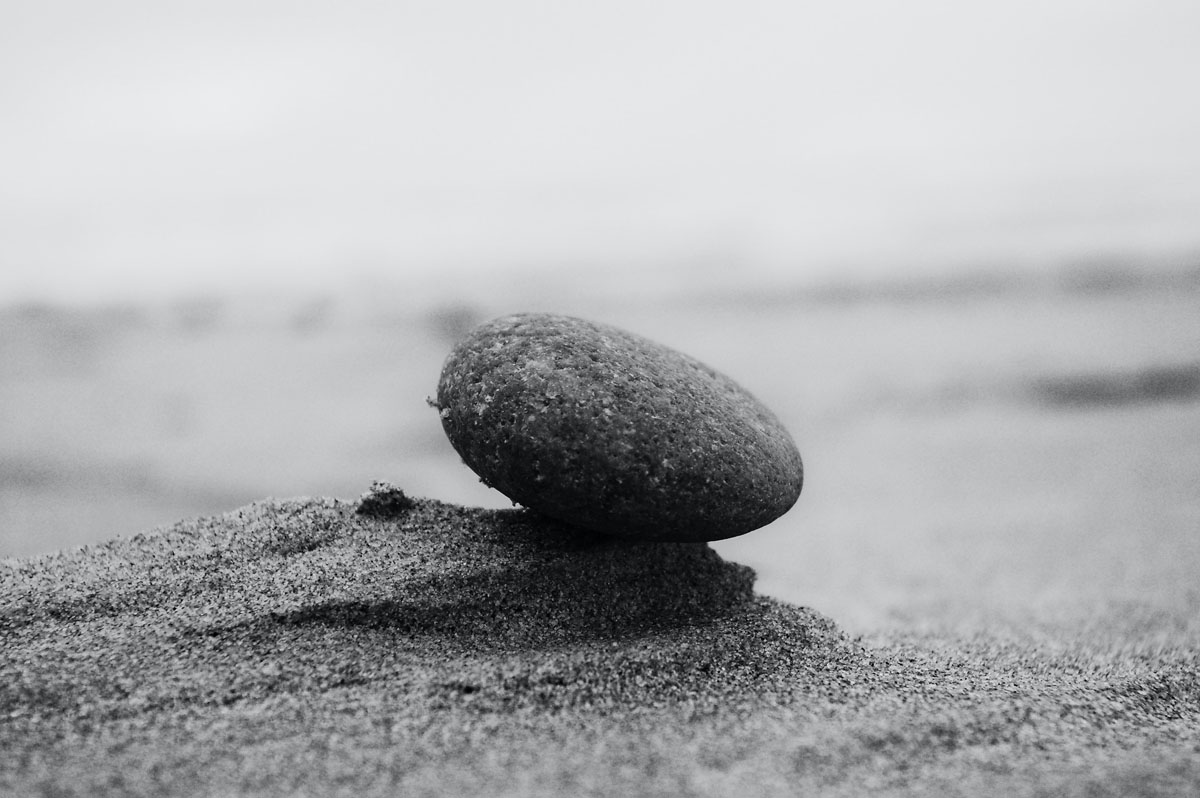
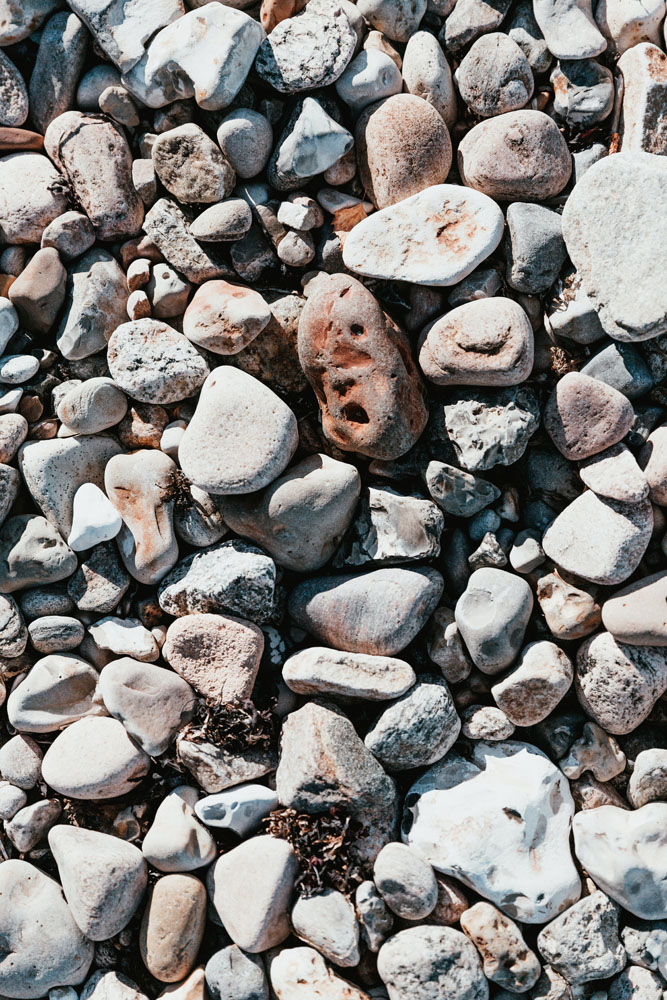
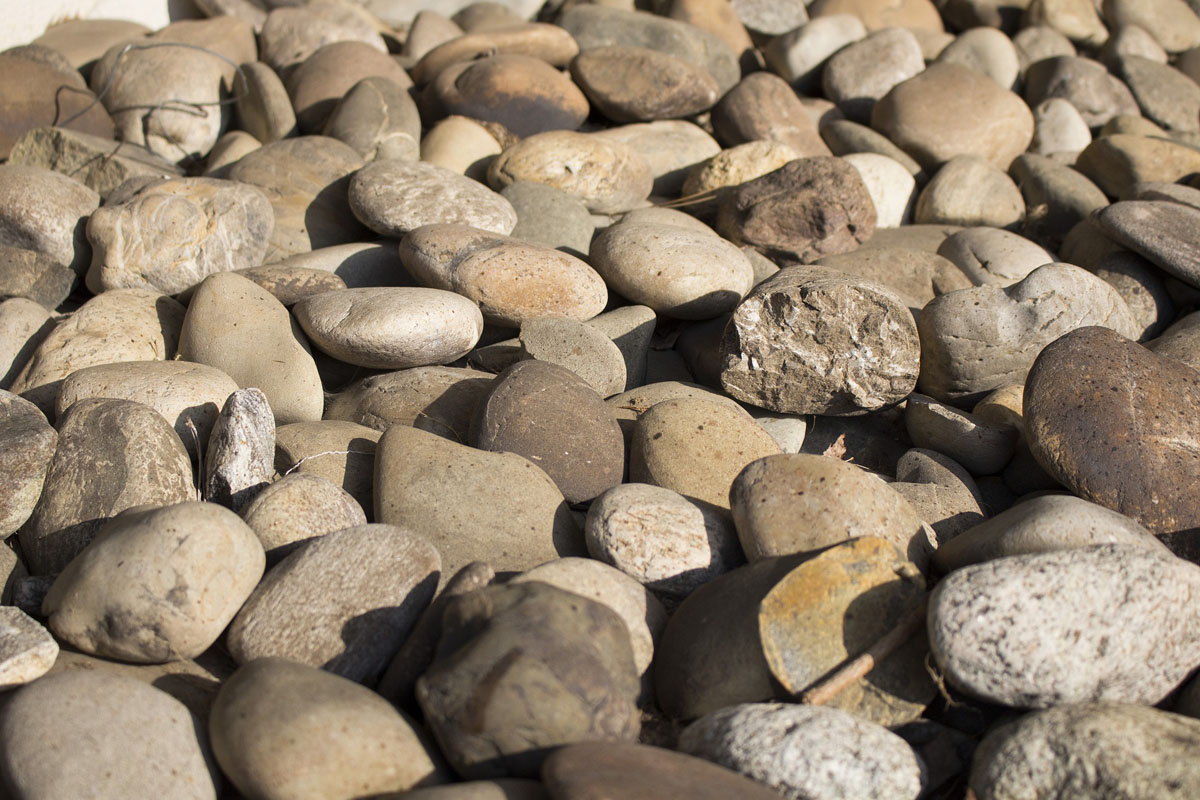
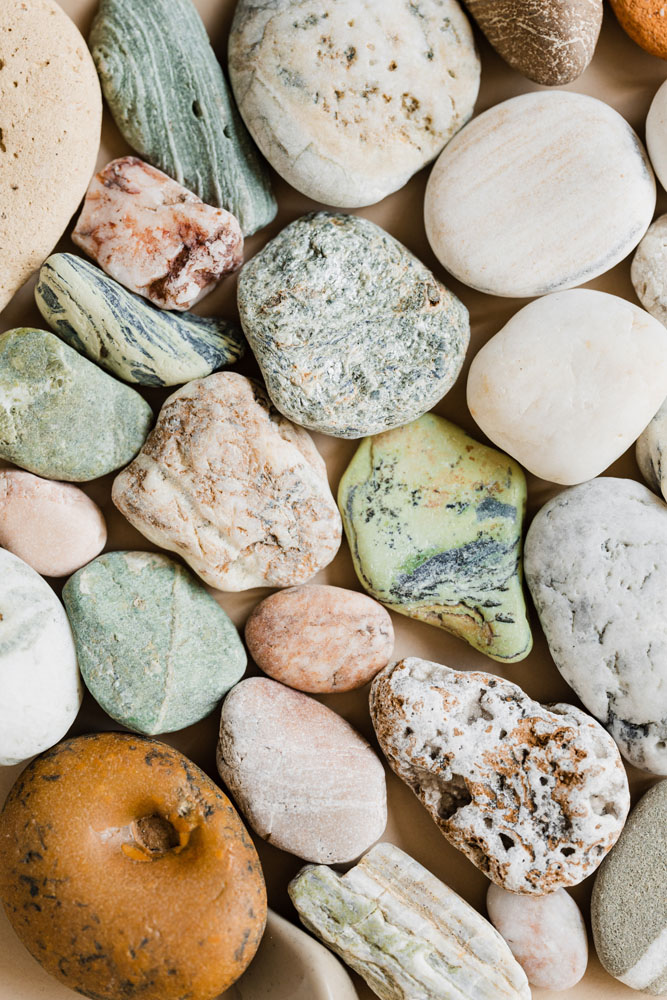
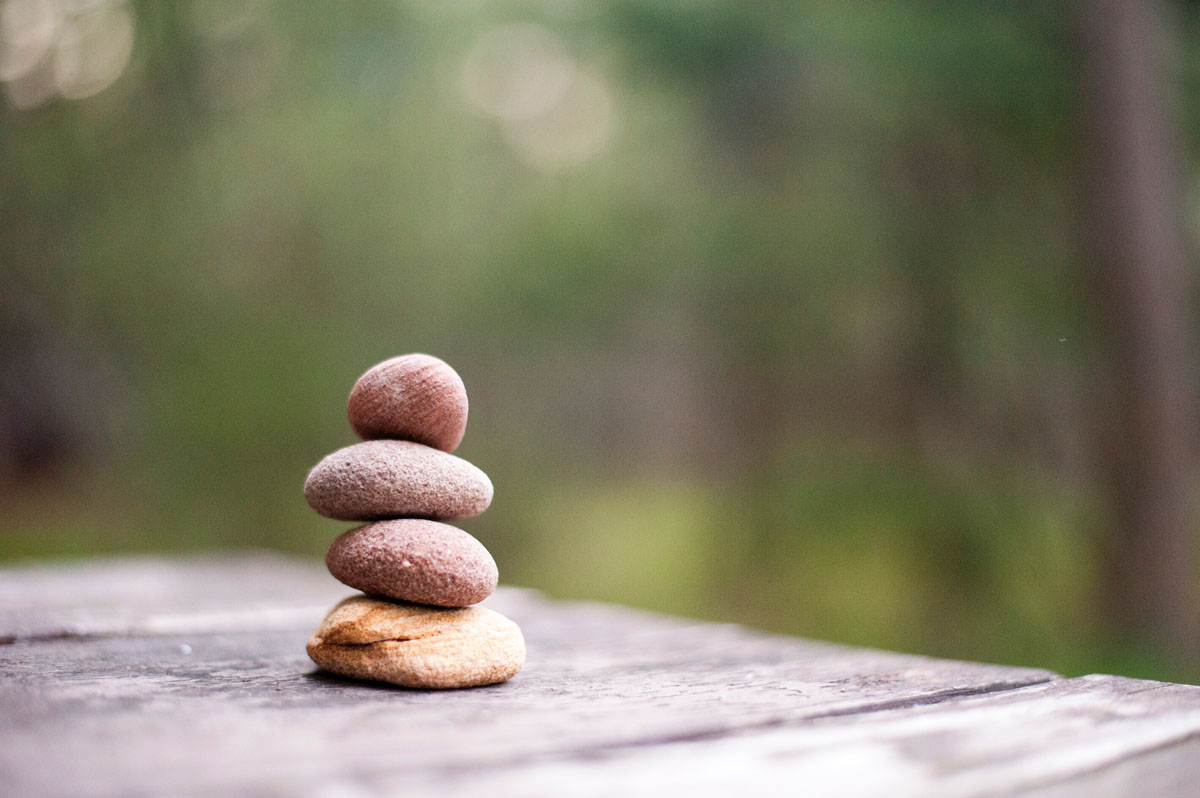
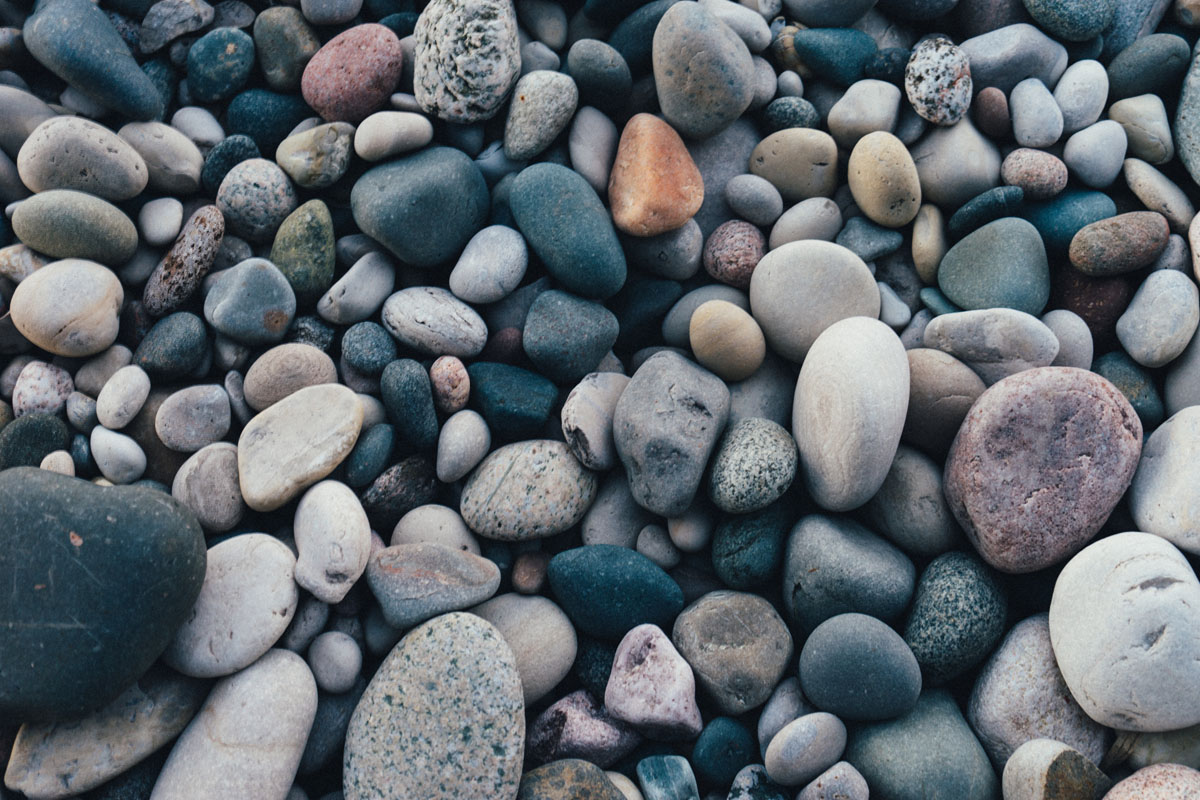
Photos of the activity