Hunting for clues
Trees
 Funded by the European Union. Views and opinions expressed are however those of the author(s) only and do not necessarily reflect those of the European Union or the European Education and Culture Executive Agency (EACEA). Neither the European Union nor EACEA can be held responsible for them. |
 All contents, in particular texts, pictures and graphics, are protected by copyright. Unless expressly stated otherwise, copyright is held by media.eduskills.plus and is licensed under Creative Commons Attribution - Non-commercial - Distribution under the same conditions 4.0 International license. They may be subject to the terms of the license. |
2026 media.eduskills.plus
Learning outcomes
Competencies
|
|
|
Target group 6 years and up
|
|
Required materials
|
|
Materials
|
Description of the activity (step by step)
Preparation:
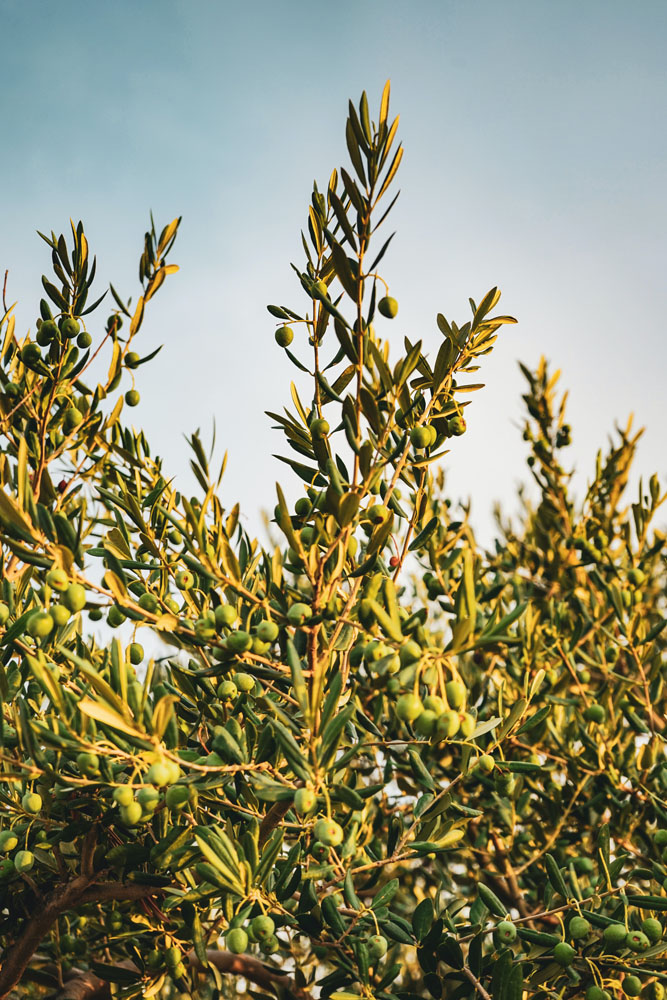
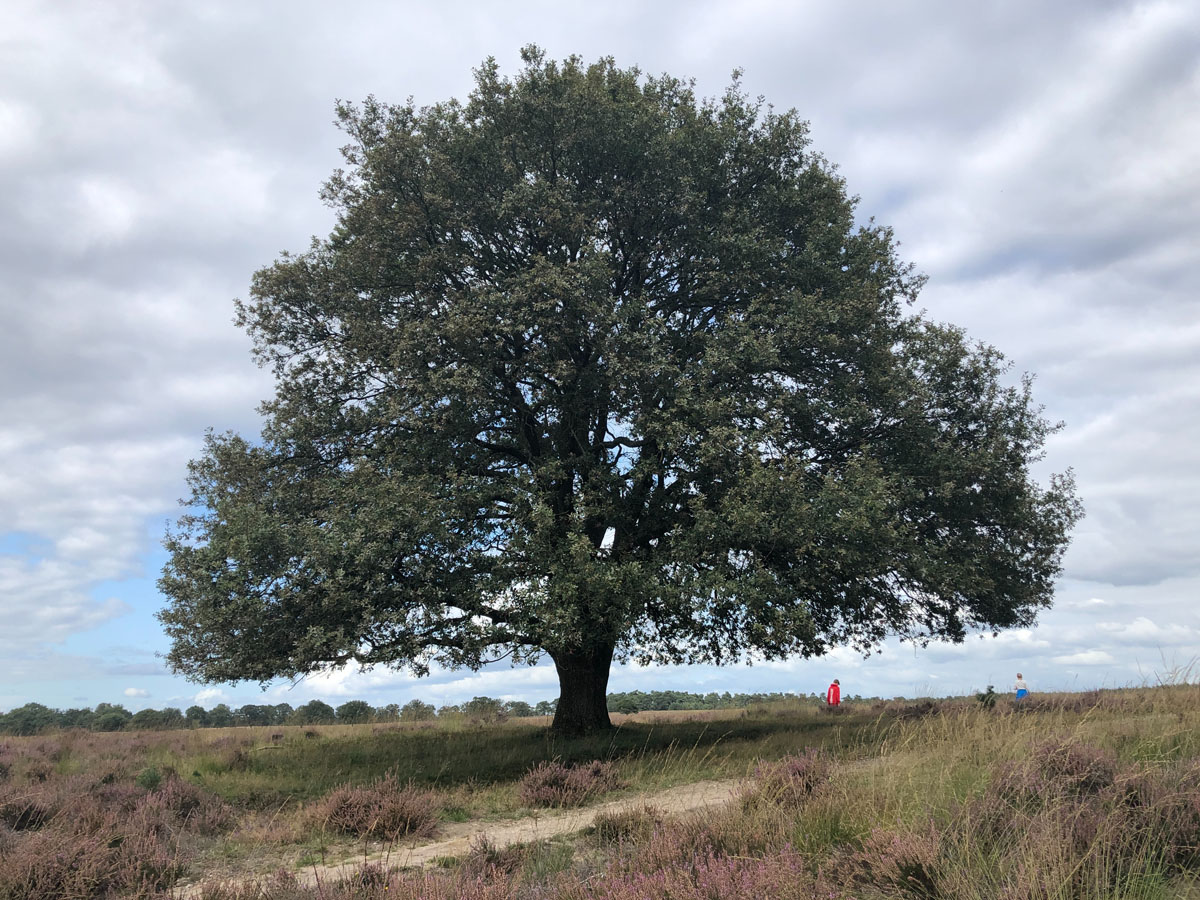
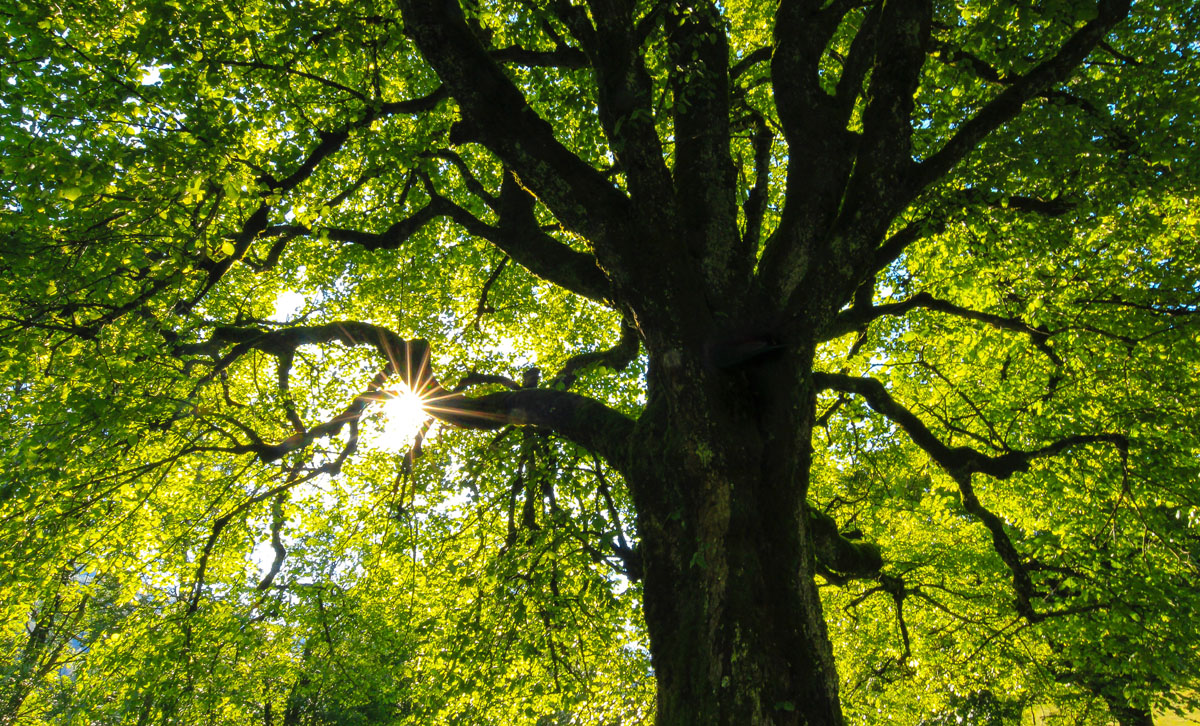
Ask children what they know about trees: which trees they know, what kind of leaves they have, colors, fruit, etc. Name parts of the tree and, if possible, offer children worksheets or other activities to spark their interest in the topic.
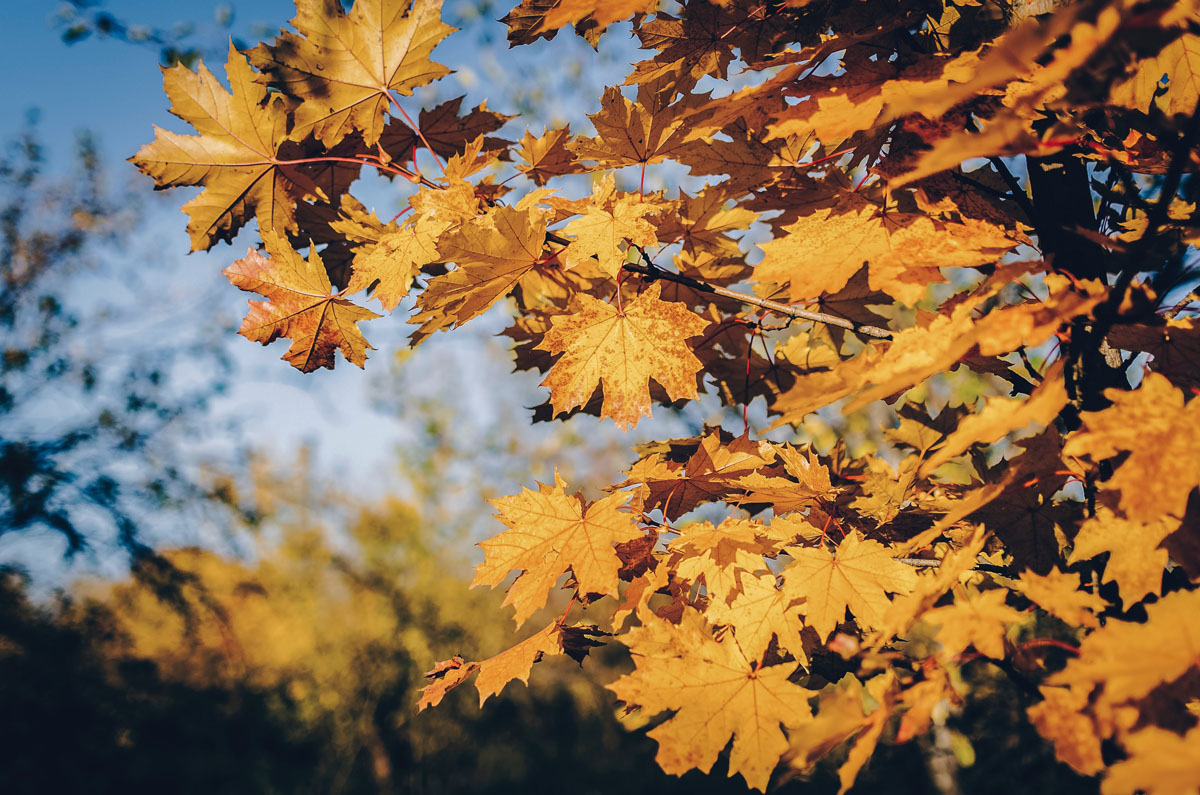
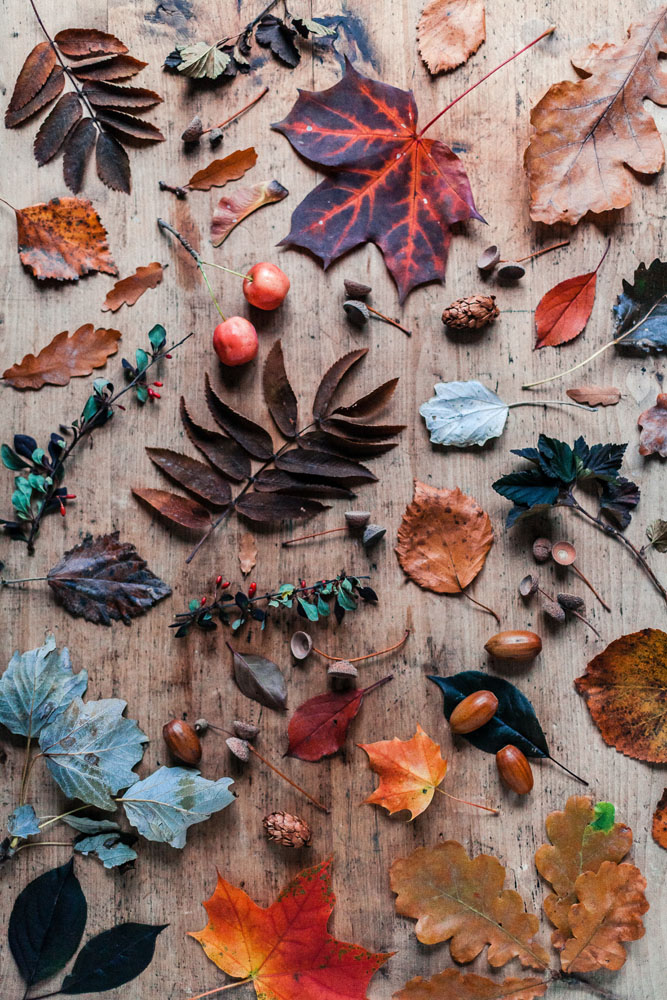
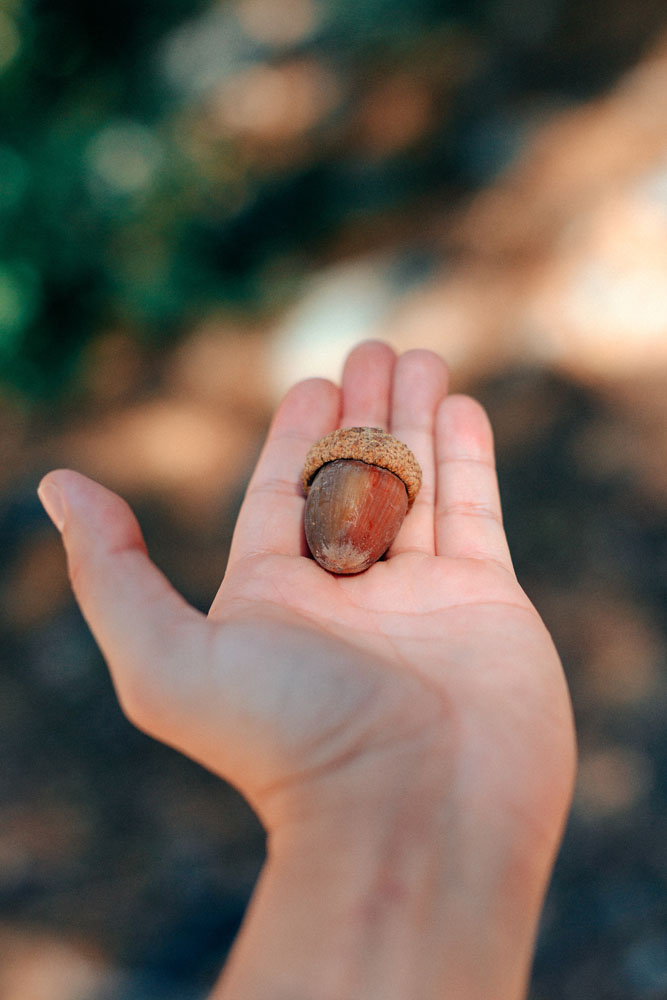
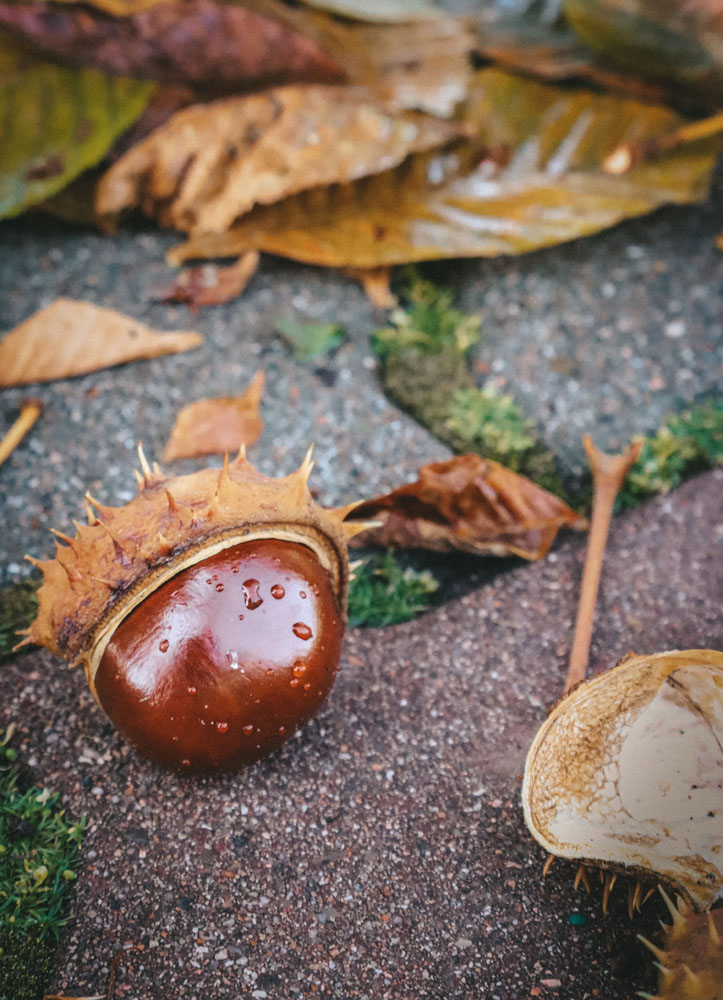
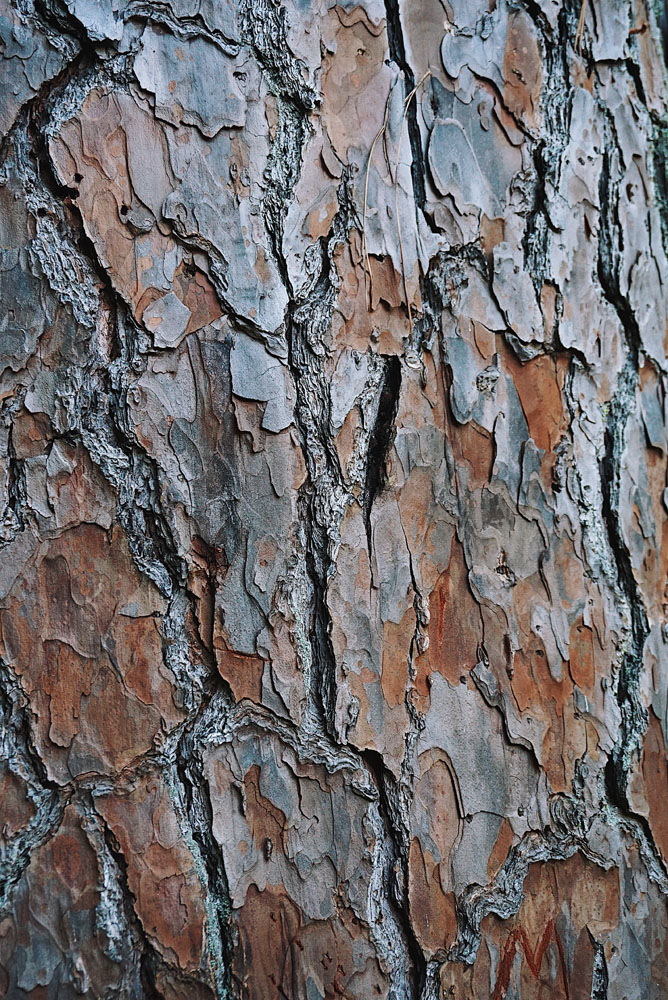
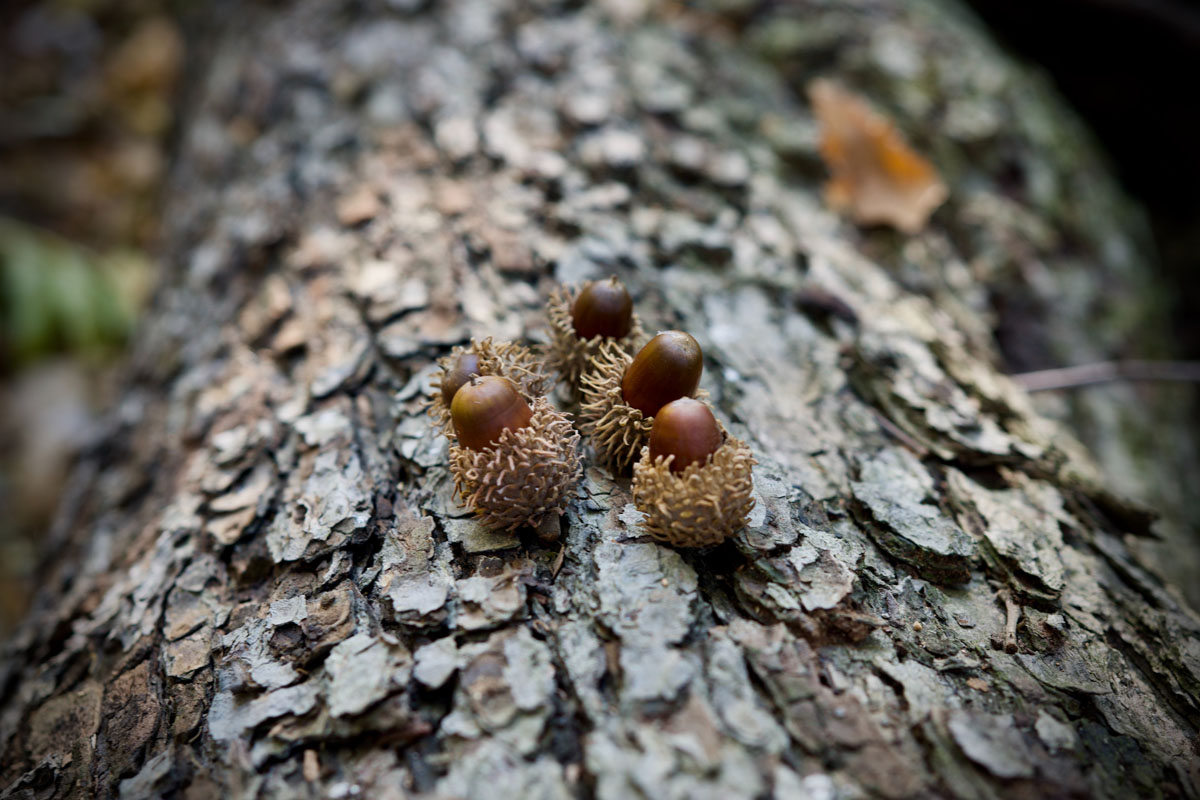
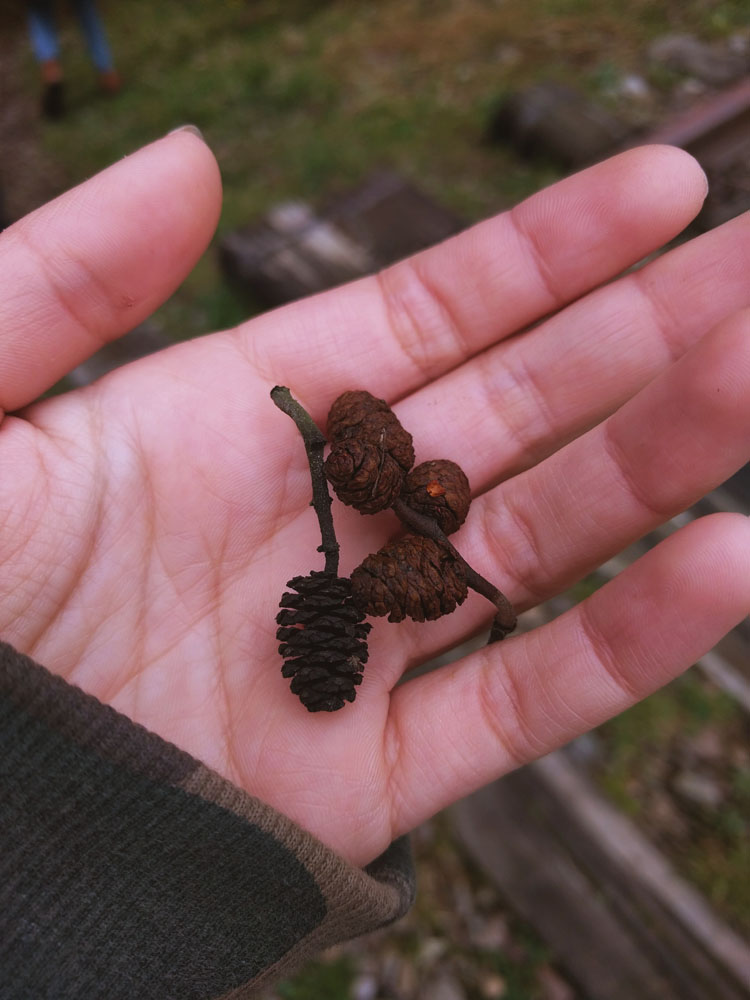
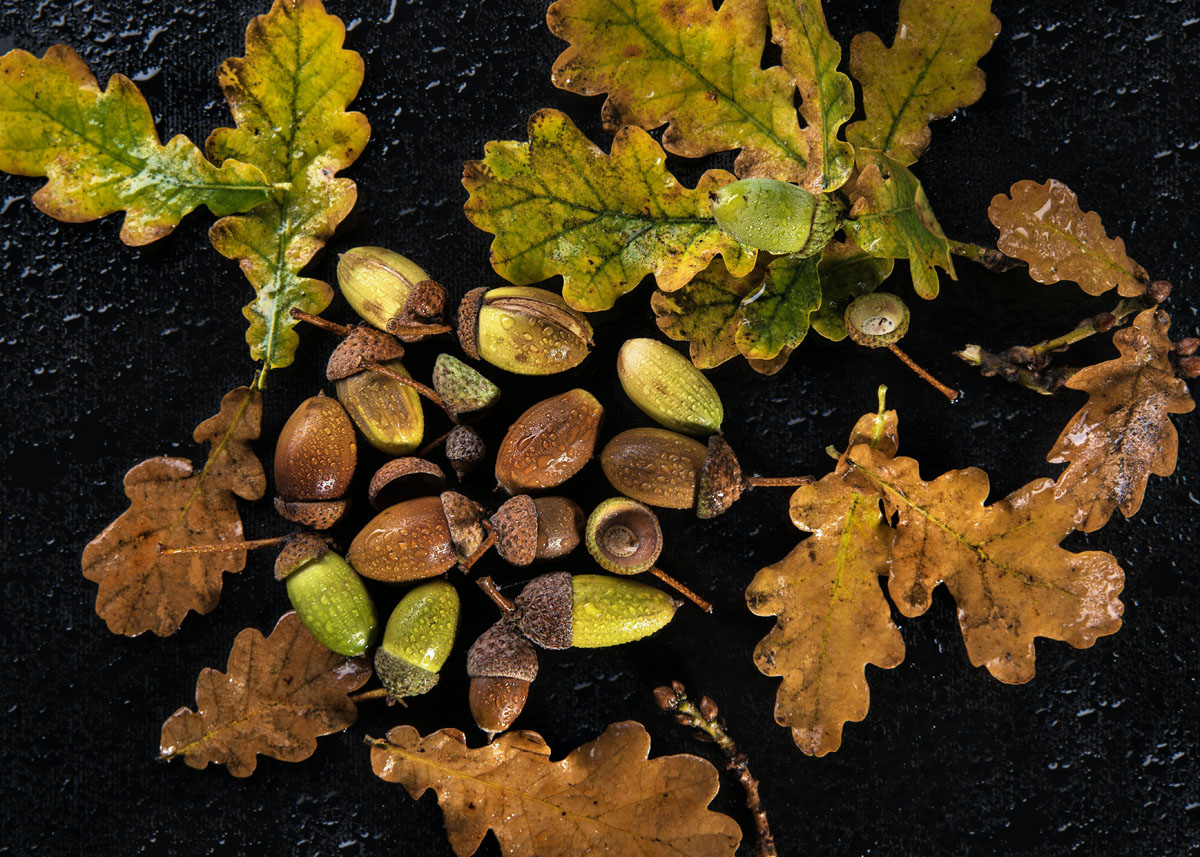
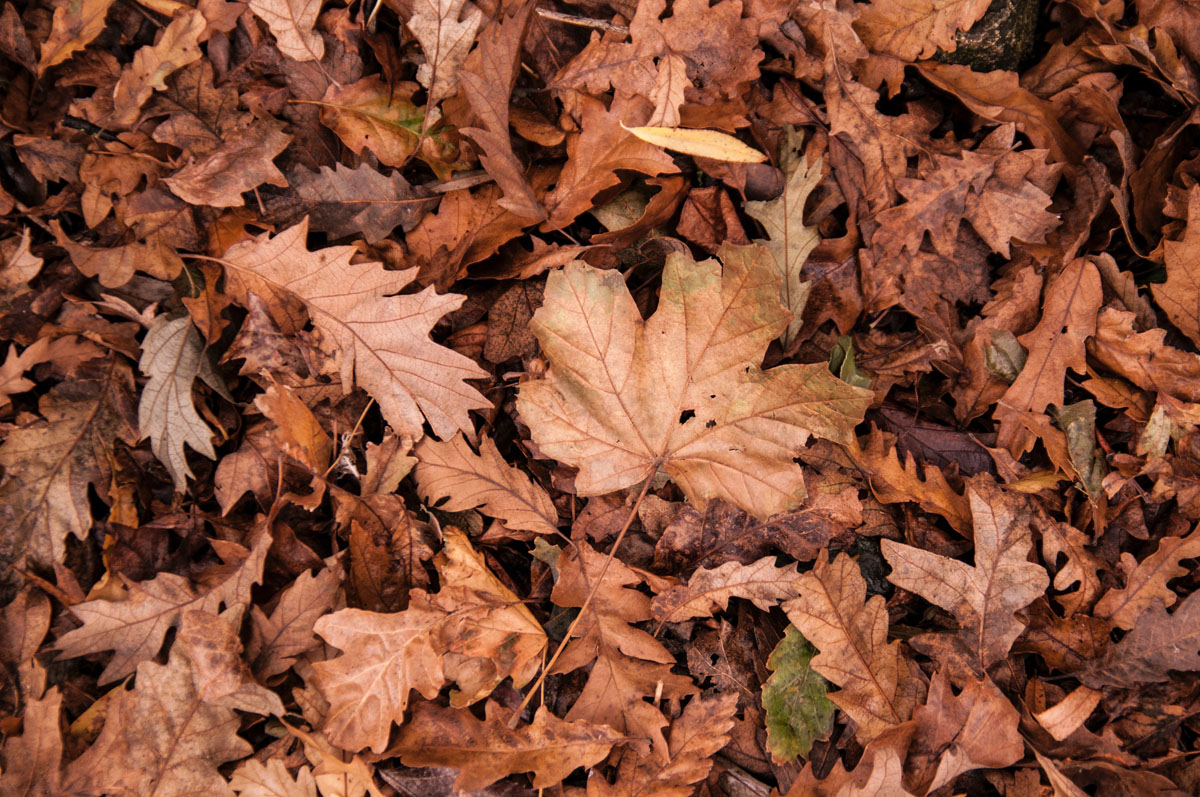
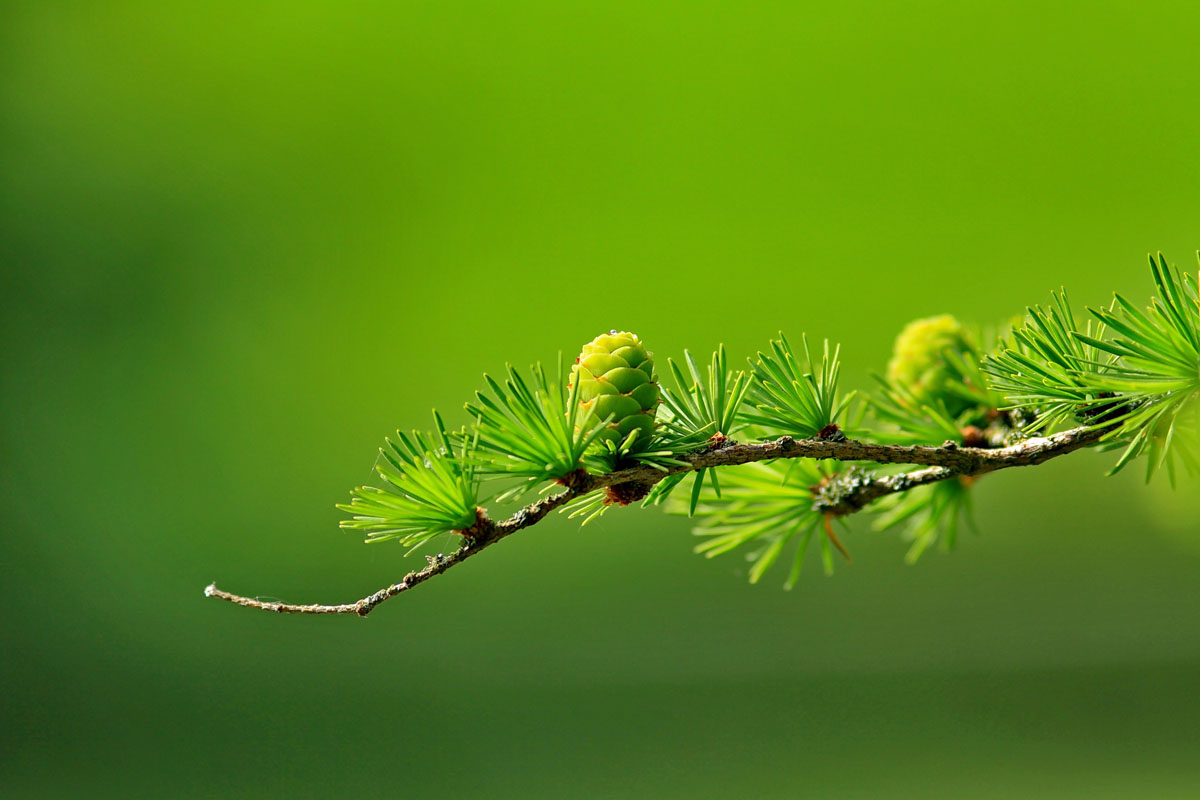
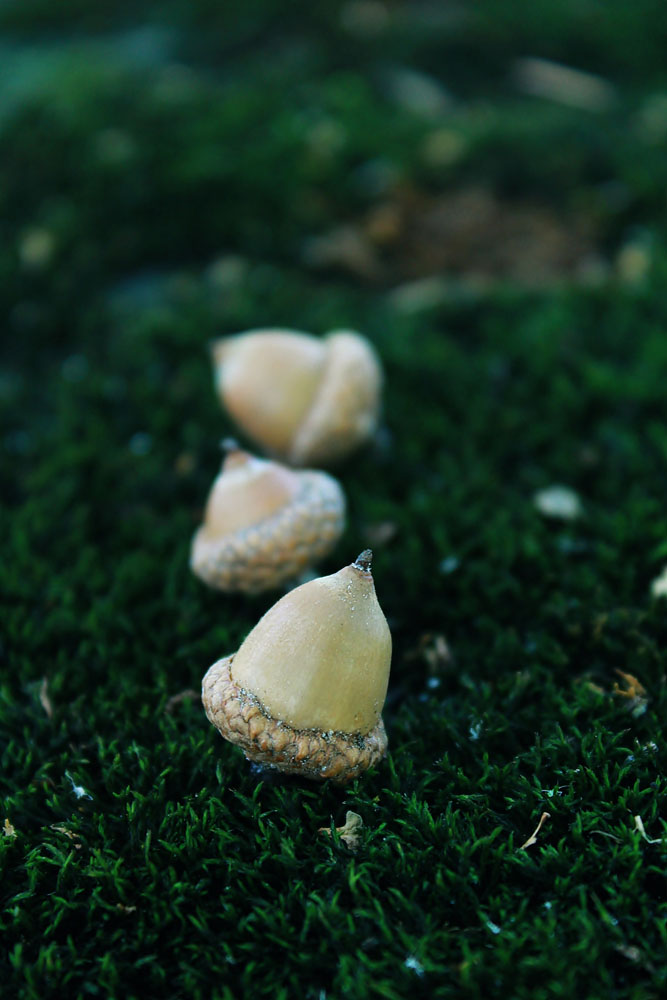
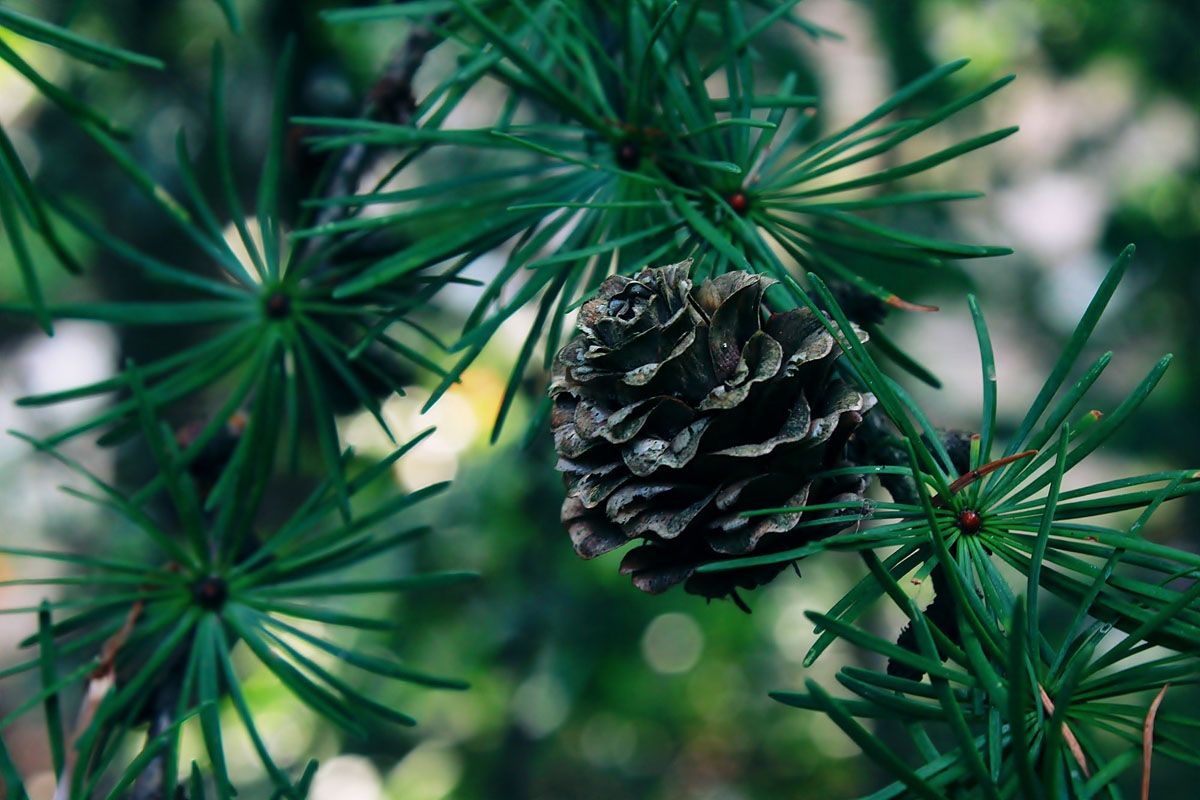
Tell them that you are going on a hunt for clues. There are different ways to recognize a tree, for example with the help of leaves, blossoms, fruit, bark, etc. They will photograph and collect these clues as pieces of evidence and try to find out as much as possible about the selected tree.
Implementation:
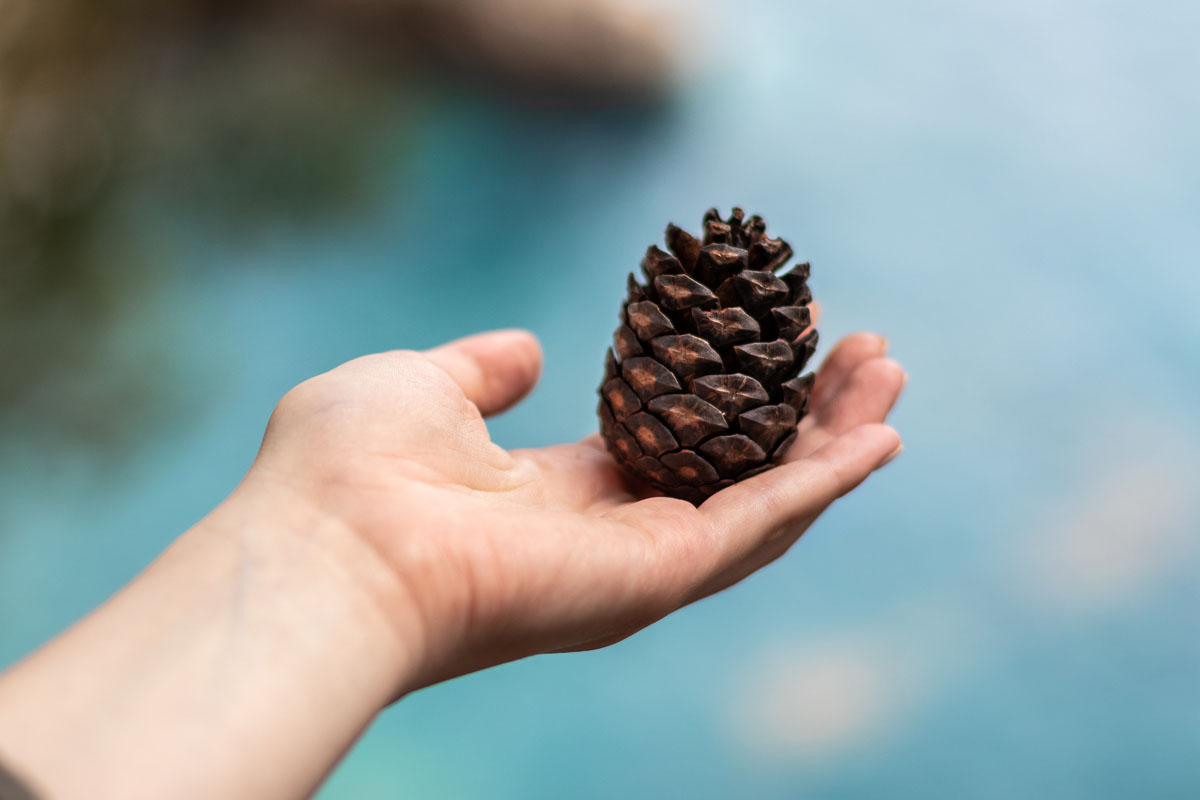
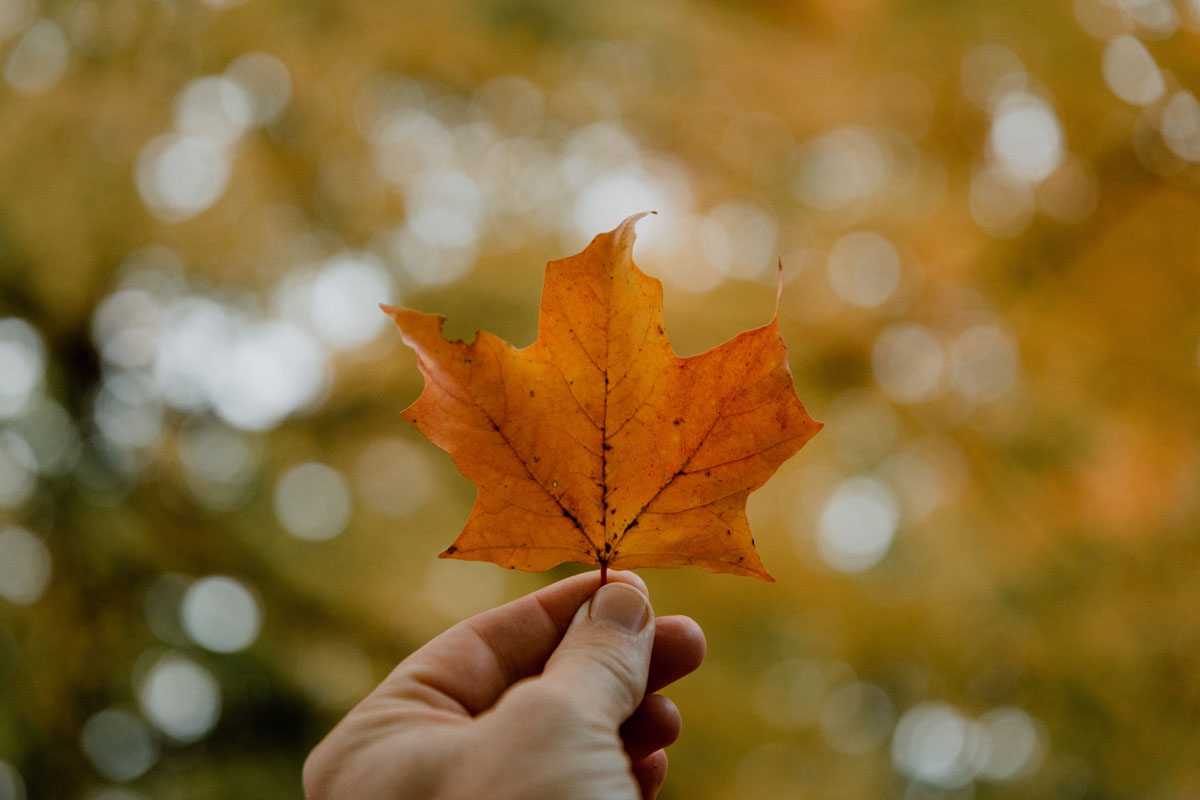
Divide children into small groups and hand out one camera per group, as well as a sheet of paper, pencil, and a bag. Each group has to find a tree and research it. They need to photograph the tree as a whole and its parts; leaves, branches, trunk, fruit or cones, etc. Each group also needs to collect some evidence, such as a leaf, blossoms, cones, etc. To examine the bark of the selected tree one child needs to press a paper against the trunk and another one needs to rub the pencil to make a print of the bark.
When you return to the kindergarten, children prepare a poster of their tree. They select and print photos and glue them on the poster. They can also glue other evidence pieces onto the poster or exhibit them. Invite them to find their tree in a book and help them read information about the tree. The children should write the name of the tree on their poster and they can draw what they have learned about the tree.
Reflection:
Each group presents their poster and evidence pieces to other children.
Variations and additional ideas
Make a tree guide for your playground or park. Collect photos of different parts of the tree and glue them on a piece of paper. Bind the papers together and invite the children to use it as a guide for identifying trees on your playground.