
Prosljeđivanje poruka
Kako poruke putuju i mijenjaju se
 Financirano sredstvima Europske unije. Izneseni stavovi i mišljenja su stavovi i mišljenja autora i ne moraju se podudarati sa stavovima i mišljenjima Europske unije ili Europske izvršne agencije za obrazovanje i kulturu (EACEA). Ni Europska unija ni EACEA ne mogu se smatrati odgovornima za njih. |
 Svi sadržaji, a posebno tekstovi, slike i grafikoni, su zaštićeni autorskim pravima. Vlasnik autorskih prava, ukoliko nije drugačije označeno, je media.eduskills.plus, a autorsko pravo je definirano licencom Creative Commons Imenovanje-Nekomercijalno-Dijeli pod istim uvjetima 4.0 Međunarodna. Autorska prava mogu biti definirana uvjetima licence. |
2026 media.eduskills.plus
Ishodi učenja
Kompetencije
|
|
|
Ciljna skupina 5 godina i više
|
|
Potrebni materijali
|
Opis aktivnosti (korak po korak)
Priprema:
Započnite jednostavnom igrom šaputanja ( npr. igrom „Pokvareni telefon”).
Izrecite kratku rečenicu jednom djetetu (na primjer: „Crvena mačka skače po stolu”). Dijete je šapne sljedećem djetetu i tako dalje, sve dok posljednje dijete ne izgovori rečenicu naglas.
Usporedite prvu i konačnu verziju poruke.
Objasnite da se poruke često mijenjaju kada se prenose s jedne osobe na drugu. To se može dogoditi i kada poruke putuju putem različitih medija.
Primjena:
Razgovarajte s djecom o tome kako poruke mogu putovati:
- Od osobe do osobe
- Putem različitih medija (na primjer: razgovor, fotografije, videozapisi, televizija)
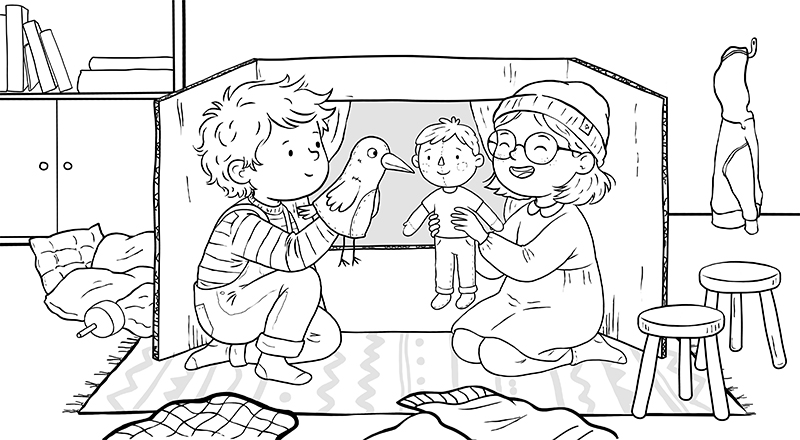
Predložite djeci da izrade jednostavne lutke koje predstavljaju različite likove.
Djeca u malim grupama osmišljavaju vlastito kratko „putovanje poruke”. Na primjer:
- Dijete govori nešto prijatelju.
- Prijatelj to govori nekome drugome.
- Priča se pojavljuje u drugom obliku (na primjer, kao crtež, videozapis ili izvedba).
Djeca zatim osmišljavaju i izvode kratku predstavu s lutkama koja prikazuje kako poruka putuje i mijenja se.
Refleksija:
Pozovite djecu da razmisle o aktivnosti:
- Što se dogodilo s porukom u igri „Pokvareni telefon”?
- Je li ostalo isto ili se promijenilo?
- Što se dogodilo u tvojoj priči s lutkama?
- Zašto se poruke ponekad mijenjaju?
Možete također pitati:
- Što se događa kada se priča ispriča na drukčiji način (na primjer, usmeno naspram prikazivanja slikom)?
Varijacije i dodatne ideje
Pretvori priču u niz crteža ili strip.
Kombinirajte lutkarsku predstavu i kolaž: snimite izvedbu i uvrstite odabrane fotografije u kolaž.
Izradite „Mapu puta poruke” koja prikazuje kako se jedna priča pojavljuje u različitim medijima (usmenom, pisanom, snimljenom).
Osnovne informacije i didaktička perspektiva
Ova aktivnost pomaže djeci razumjeti kako se priče i poruke prenose putem različitih medija i s generacije na generaciju. Potiče kreativno pripovijedanje, a istovremeno pokazuje kako se poruke mogu mijenjati ovisno o tome tko ih pripovijeda i putem kojeg se medija dijele. Predstava s lutkama potiče razvoj vještina nizanja događaja, komunikacije i empatije. Kroz igru i kreativnost djeca razvijaju razumijevanje dinamične prirode medija i zajedničkog ljudskog iskustva pripovijedanja.