Our Kindergarten Magazine
Documenting Events
 Finanțat de Uniunea Europeană. Punctele de vedere și opiniile exprimate aparțin, însă, exclusiv autorului (autorilor) și nu reflectă neapărat punctele de vedere și opiniile Uniunii Europene sau ale Agenției Executive Europene pentru Educație și Cultură (EACEA). Nici Uniunea Europeană și nici EACEA nu pot fi considerate răspunzătoare pentru acestea. |
 Toate conținuturile, în special textele, imaginile și grafica, sunt protejate de drepturi de autor. Cu excepția cazului în care se specifică altfel, drepturile de autor sunt deținute de media.eduskills.plus și sunt licențiate în conformitate cu Creative Commons Attribution - Necomercial - Distribuție în aceleași condiții 4.0 Licență internațională. Acestea pot fi utilizate în condițiile licenței. |
2026 media.eduskills.plus
Rezultatele învățării
Competențe
|
|
|
Grupul țintă 5 an și peste5 ani și mai în vârstă
|
|
Materiale necesare
|
Descrierea activității (pas cu pas)
Pregătire:
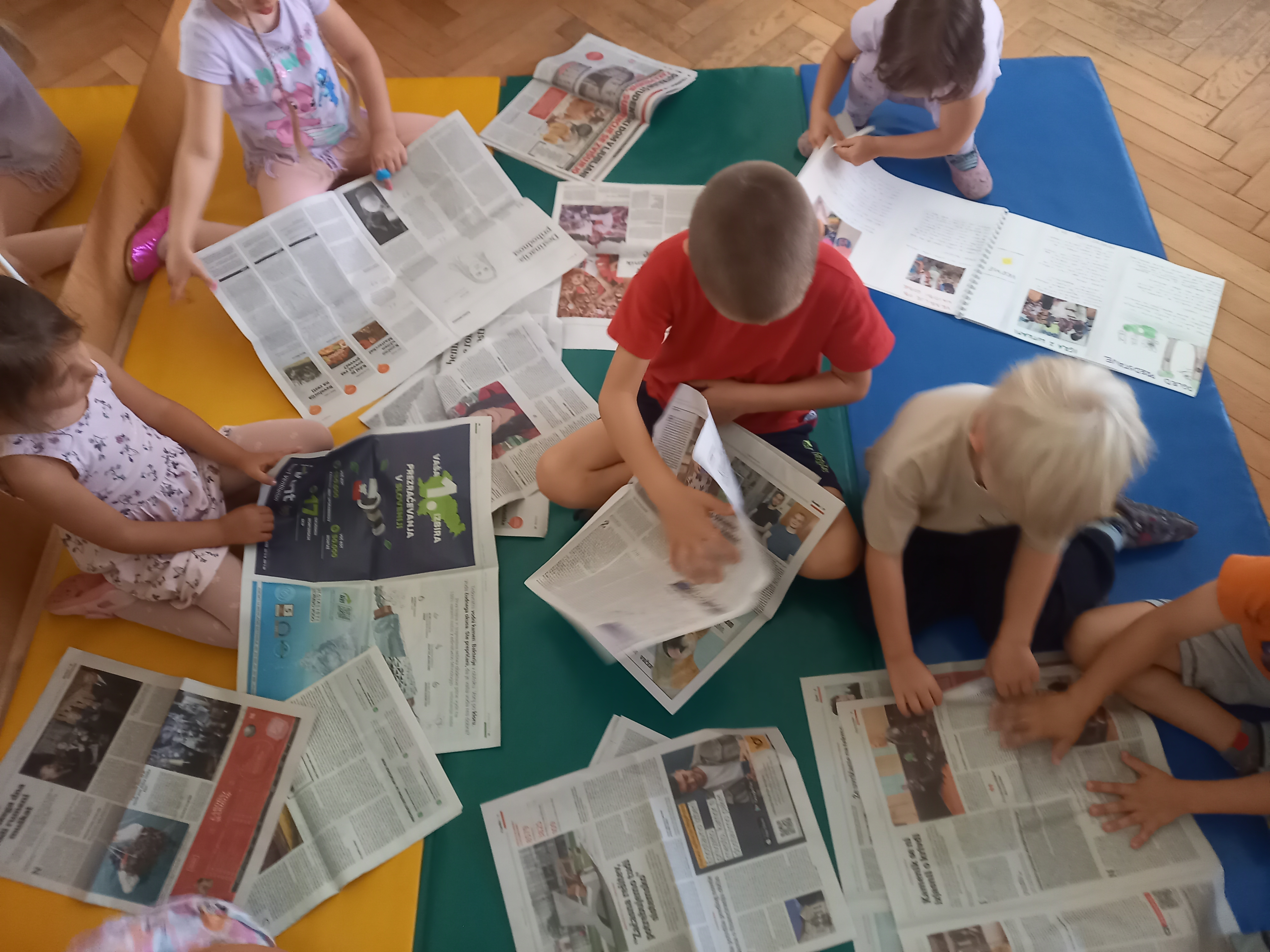
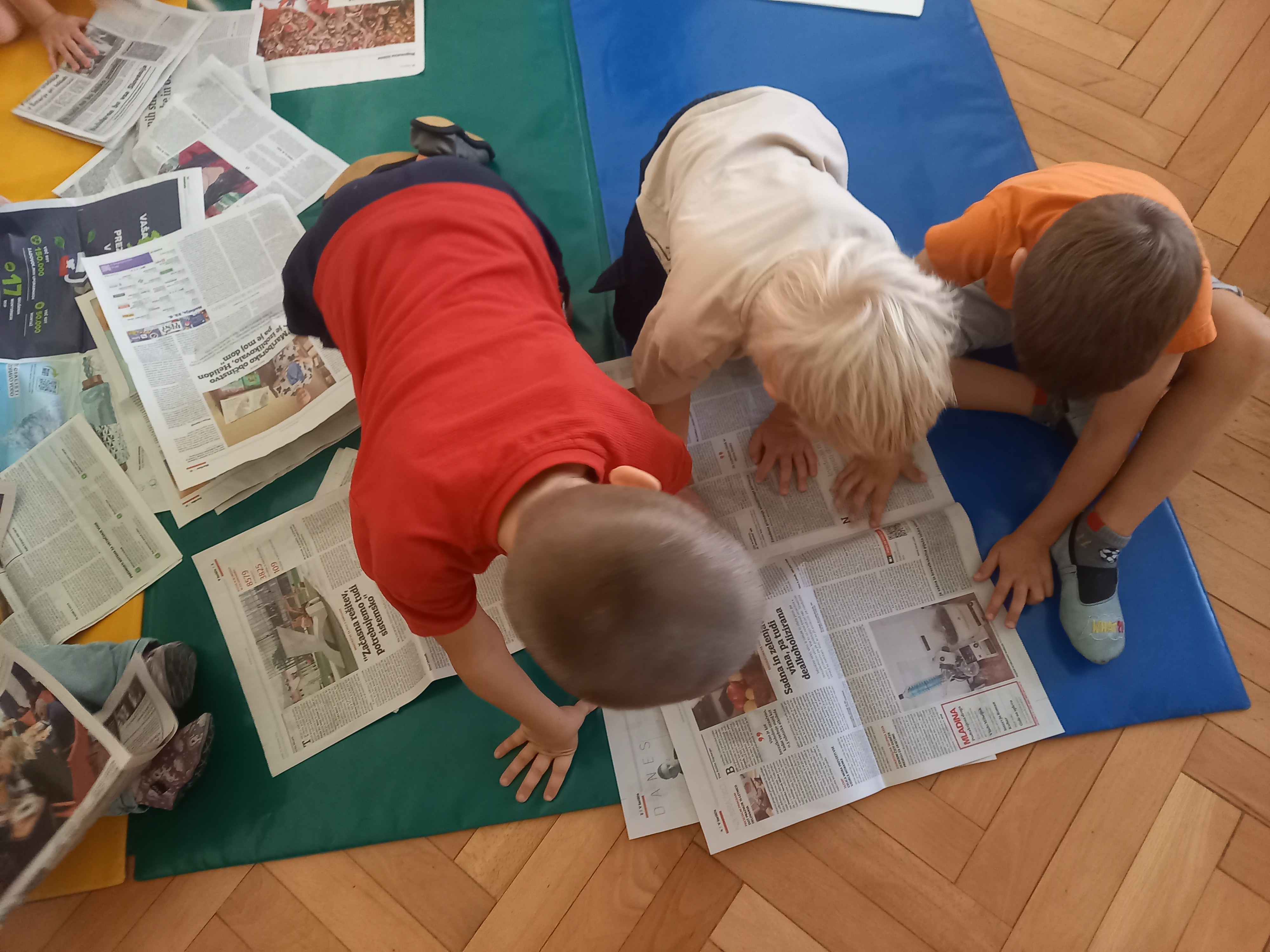
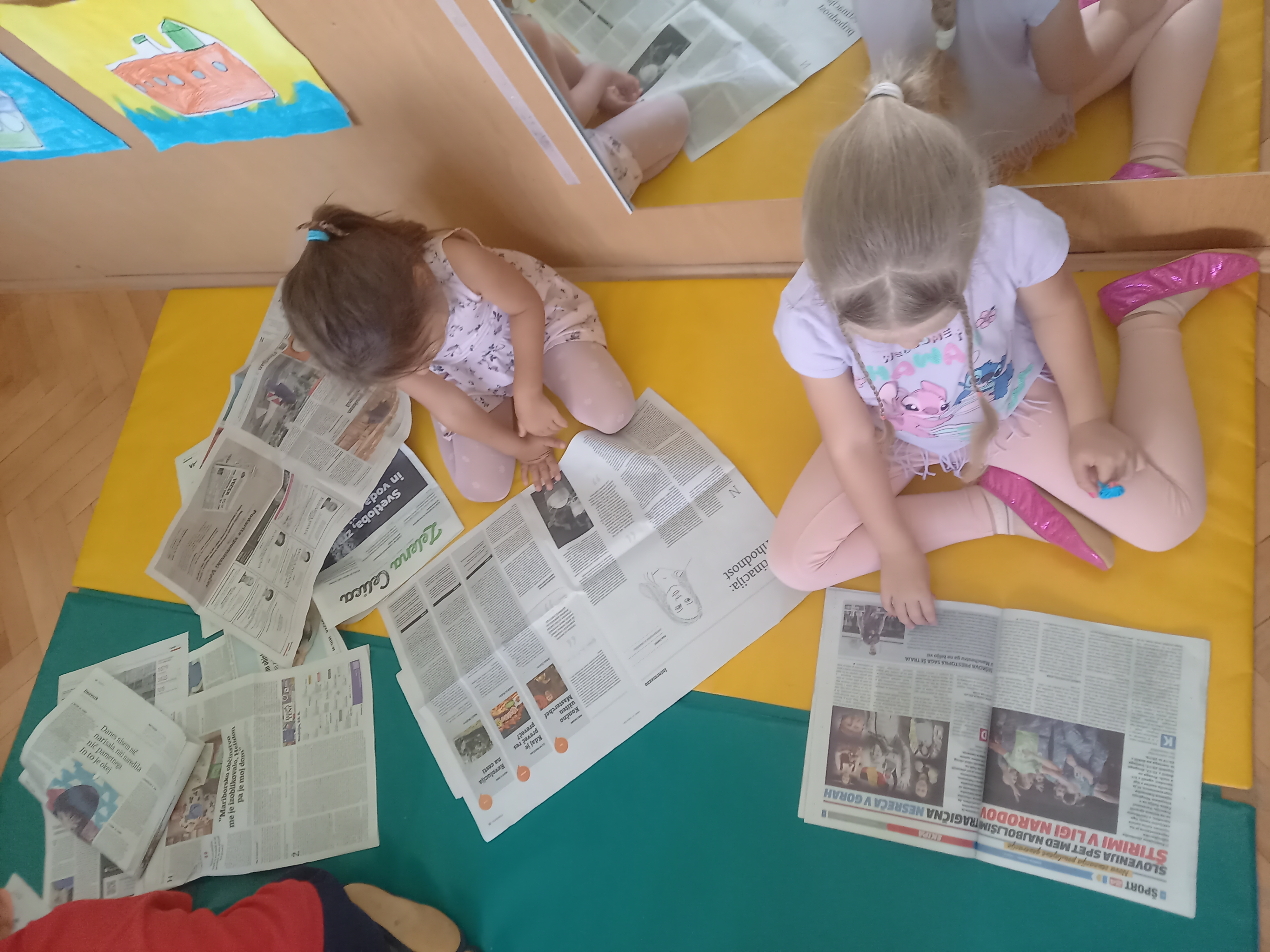
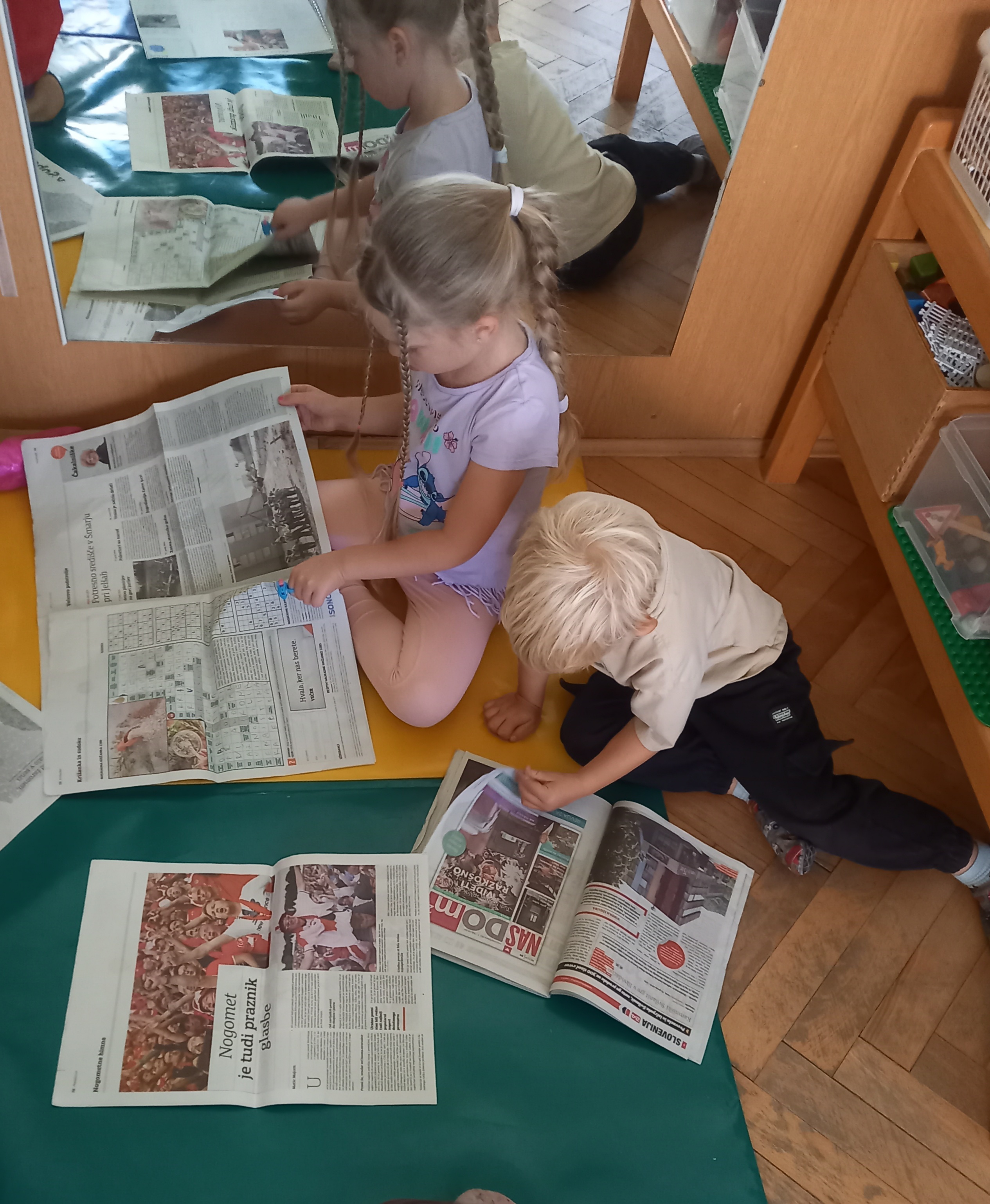
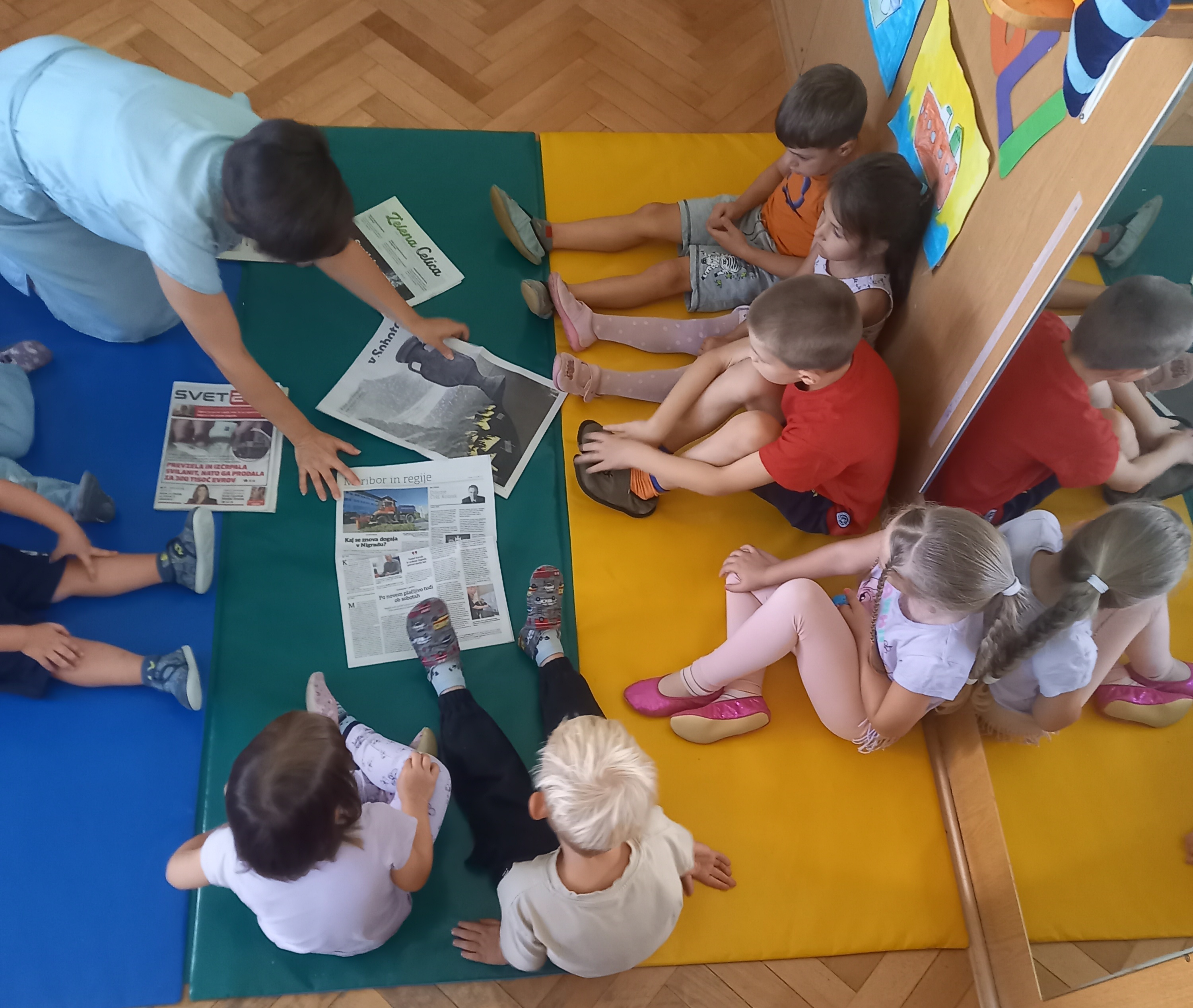
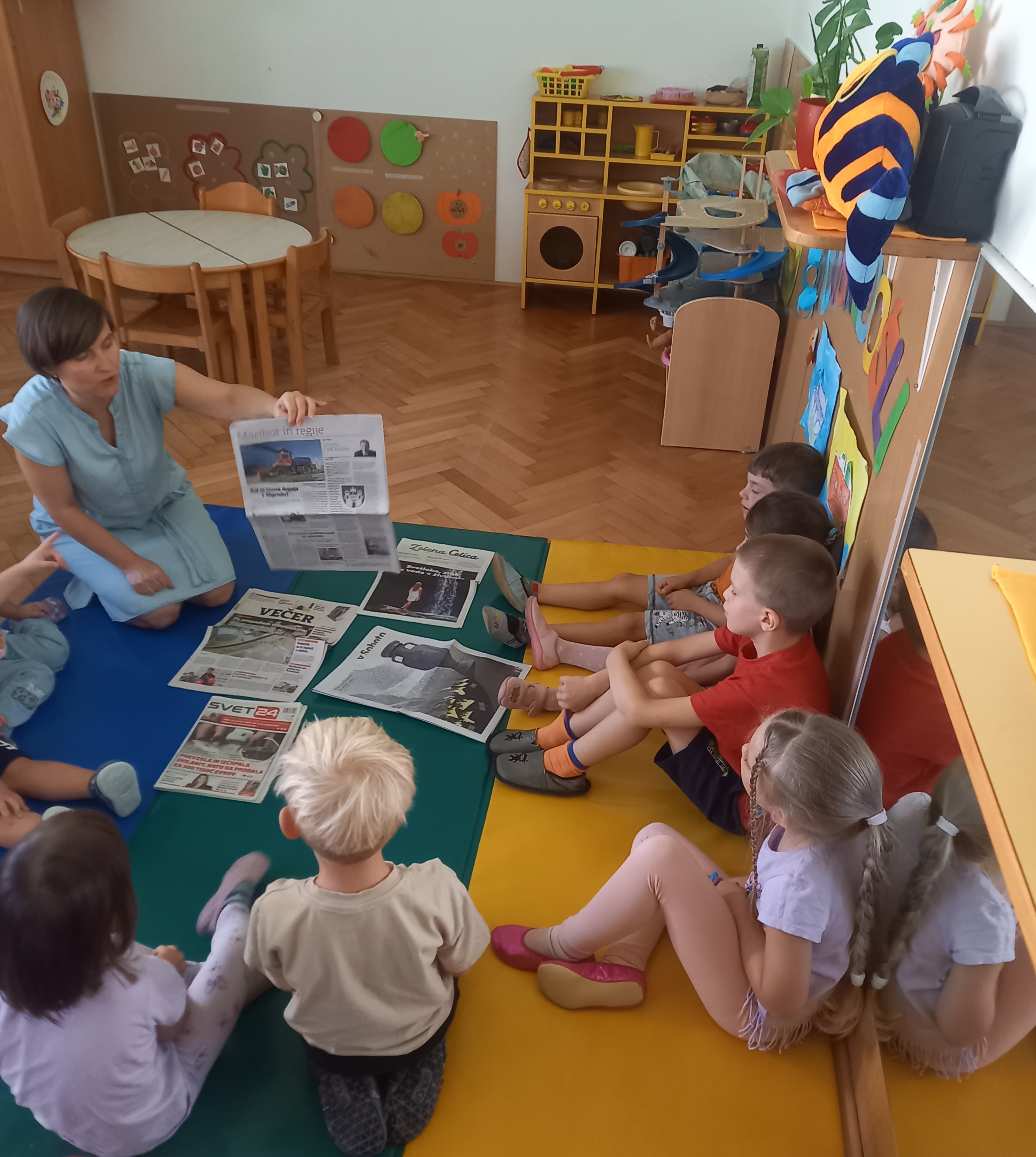
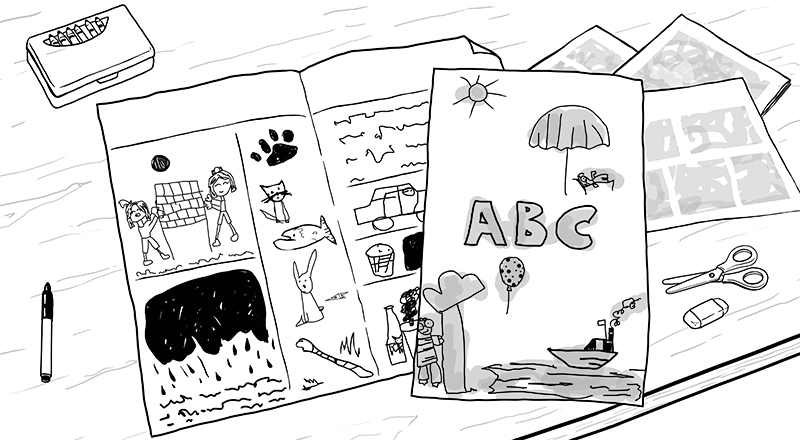
The teacher places various printed media in front of the children, such as a local newspaper and magazines, and the children look through them. The teacher asks whether they recognise any of the newspapers or magazines they have seen. Children are encouraged to say what they noticed in the newspaper or magazine. They answer: letters, photographs, pictures, captions, headlines, colours.
The teacher presents and shows the parts and content of the newspaper.
Implementare:
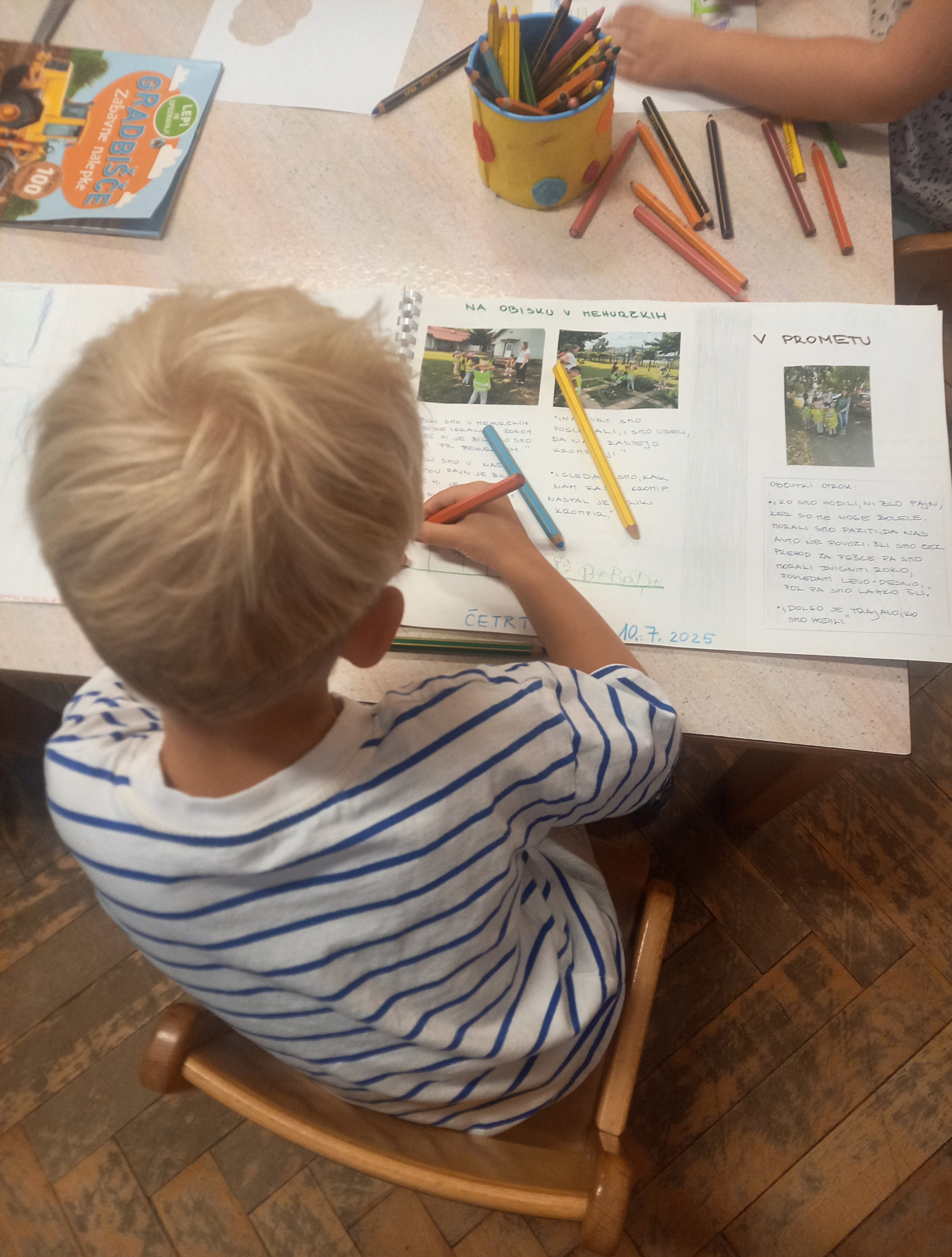
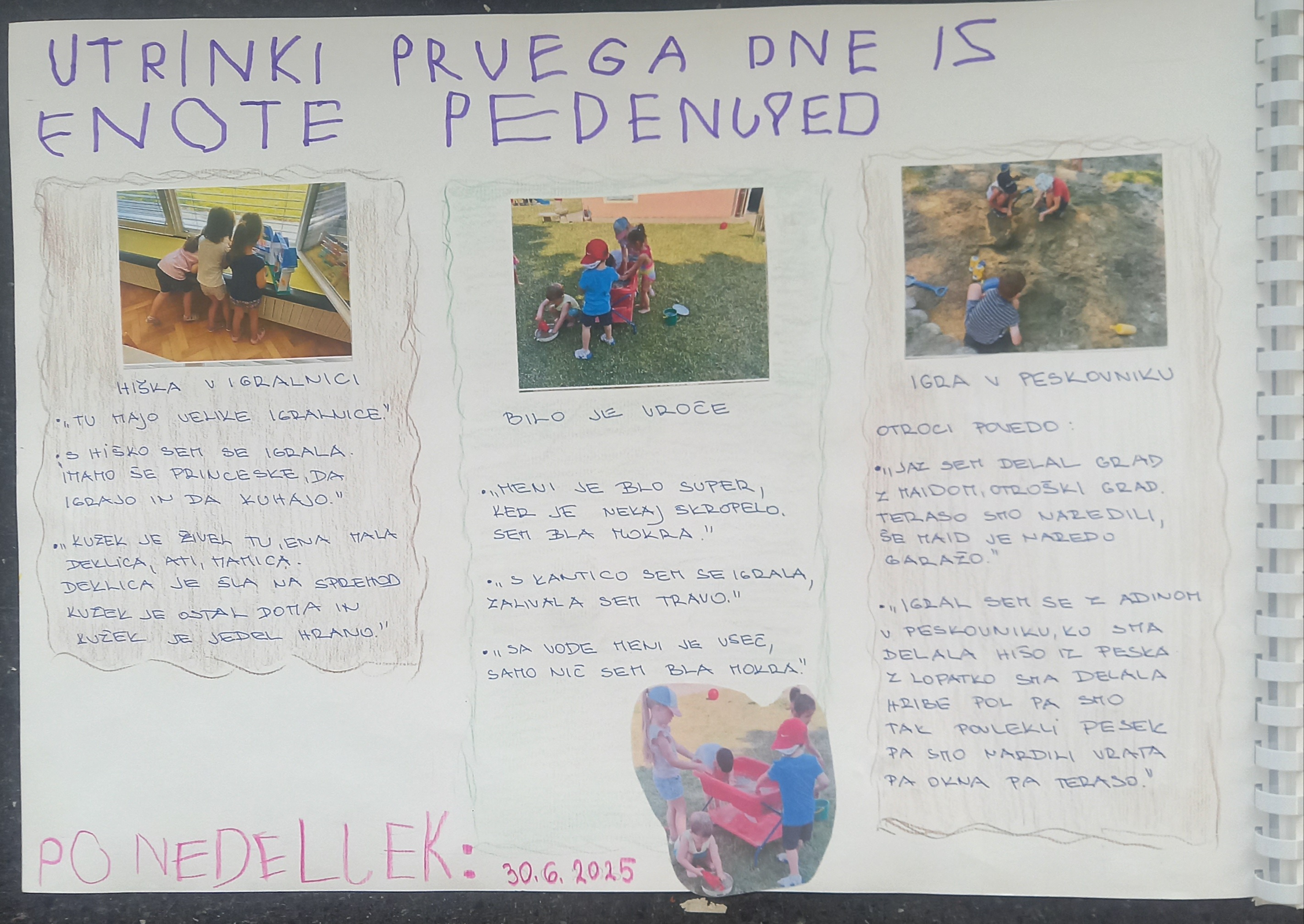
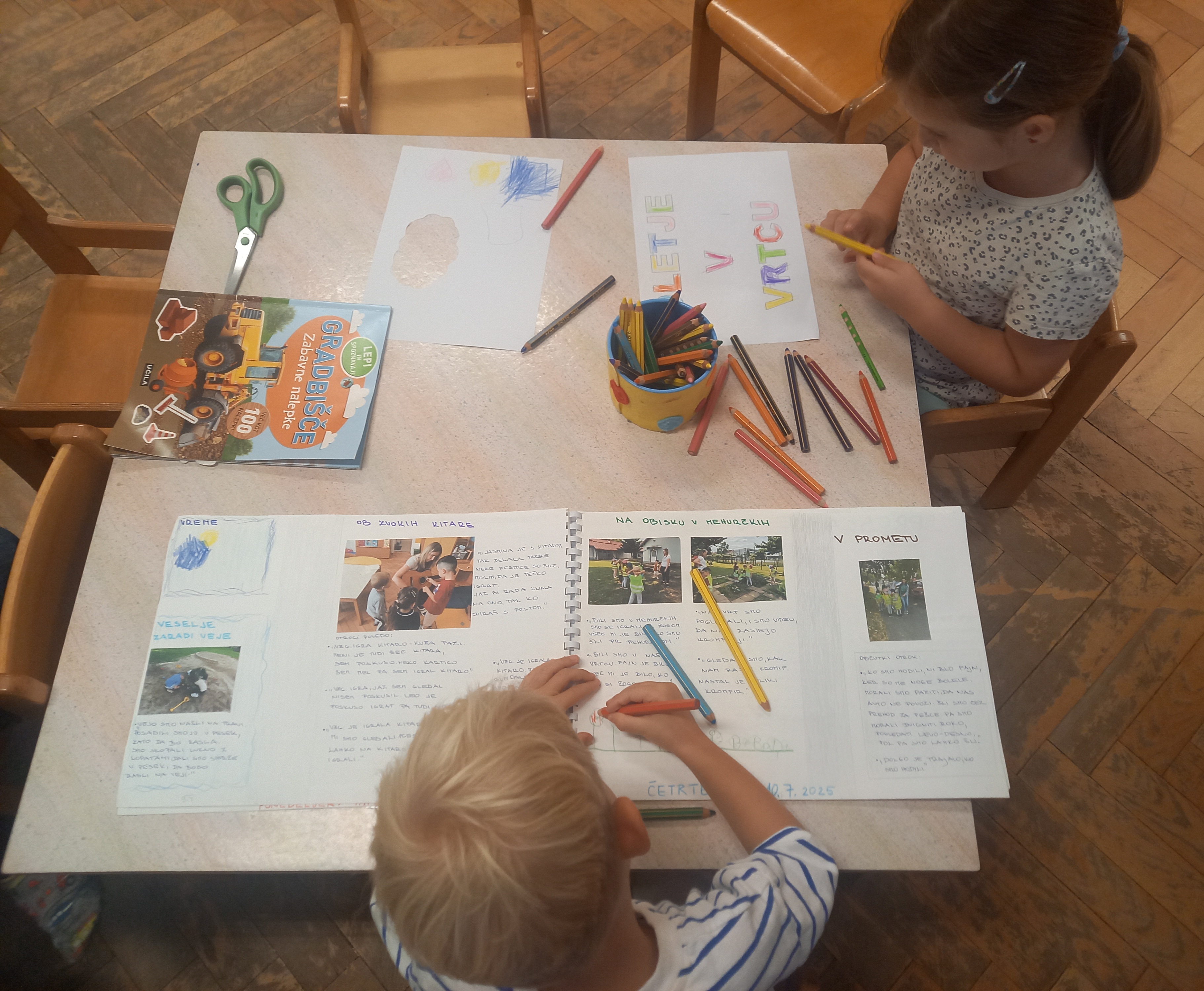
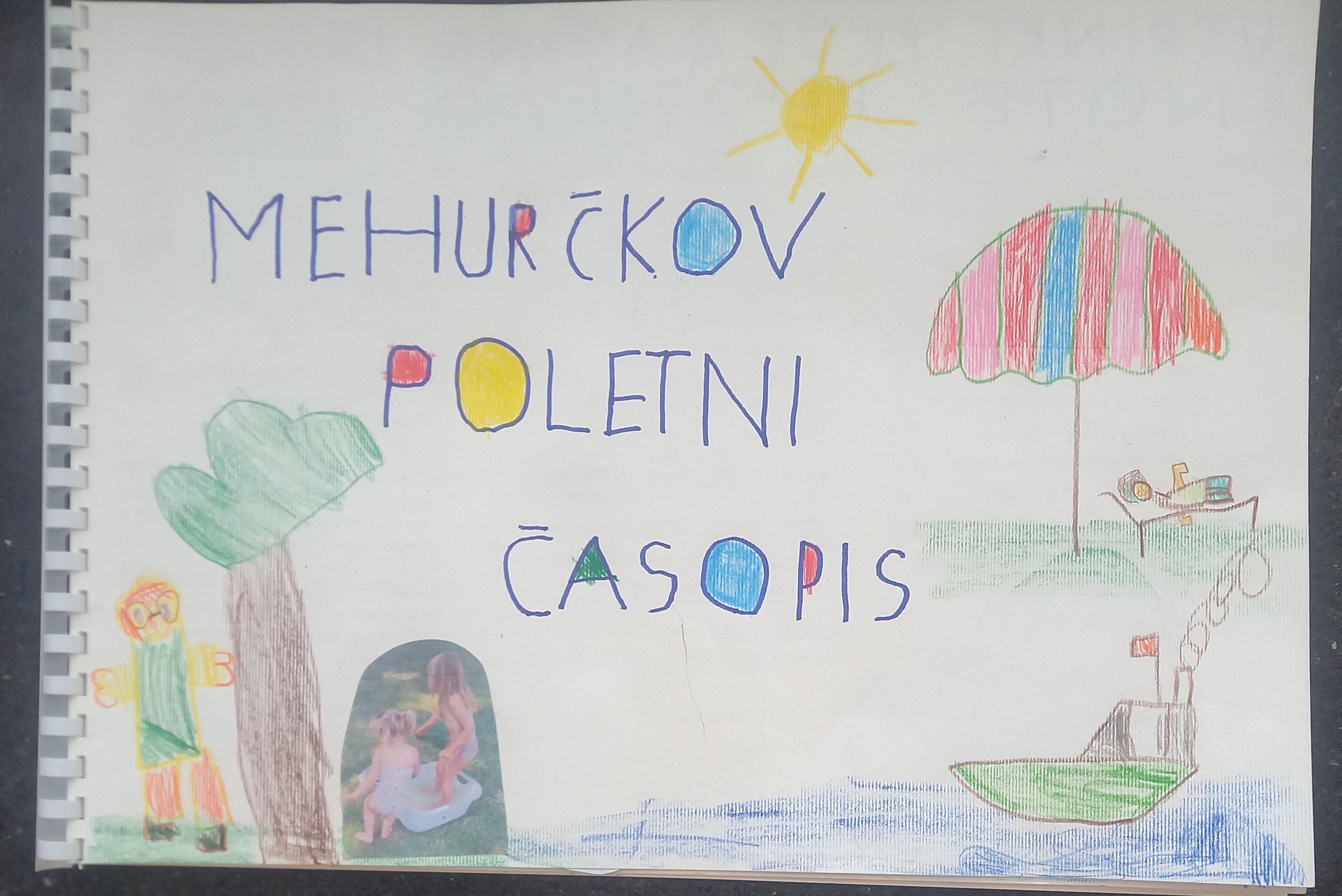
The teacher encourages the children to create their own newspaper together, documenting activities from the kindergarten. Together they invent a name for the newspaper, write it on the front page, and design the cover visually.
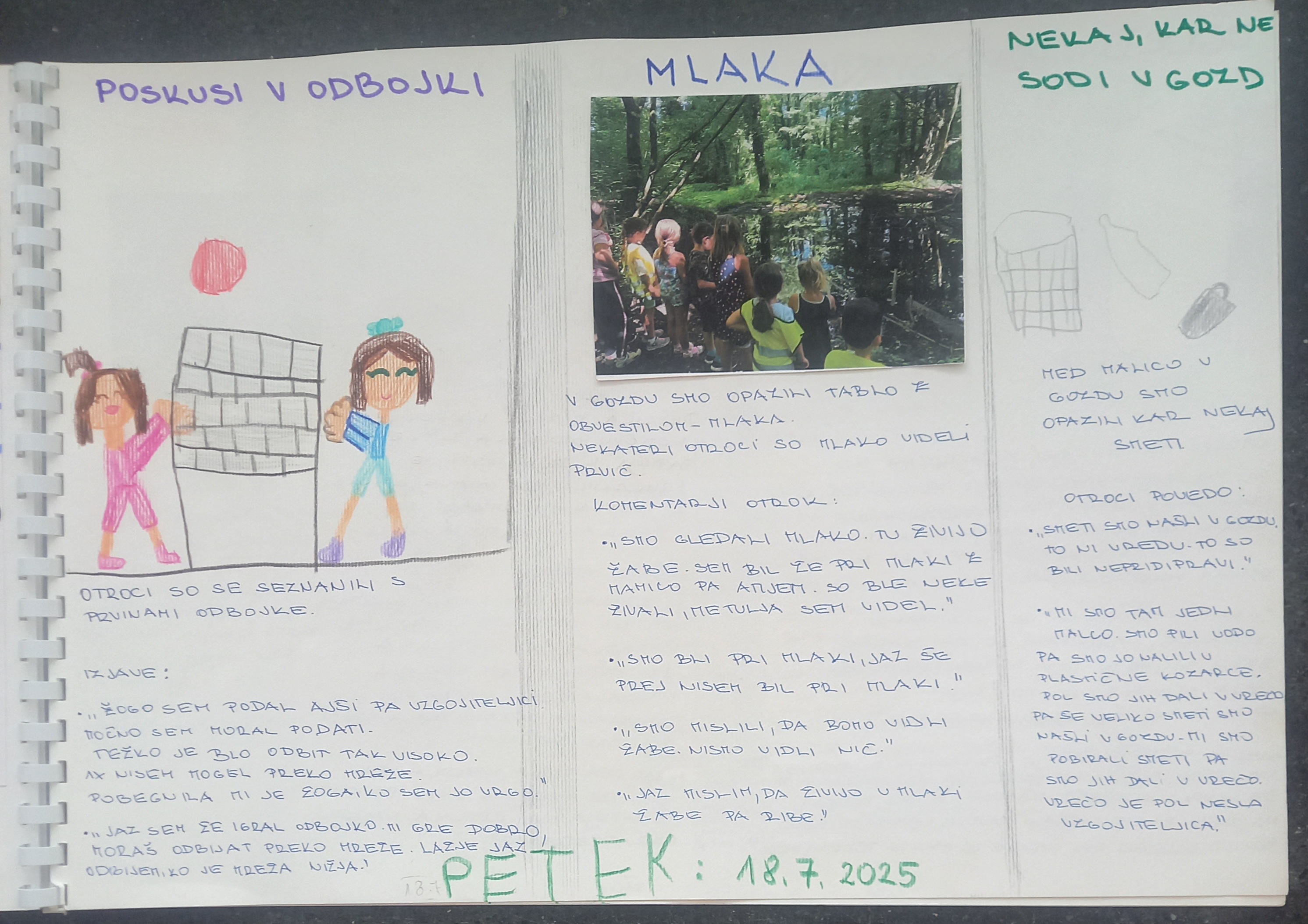
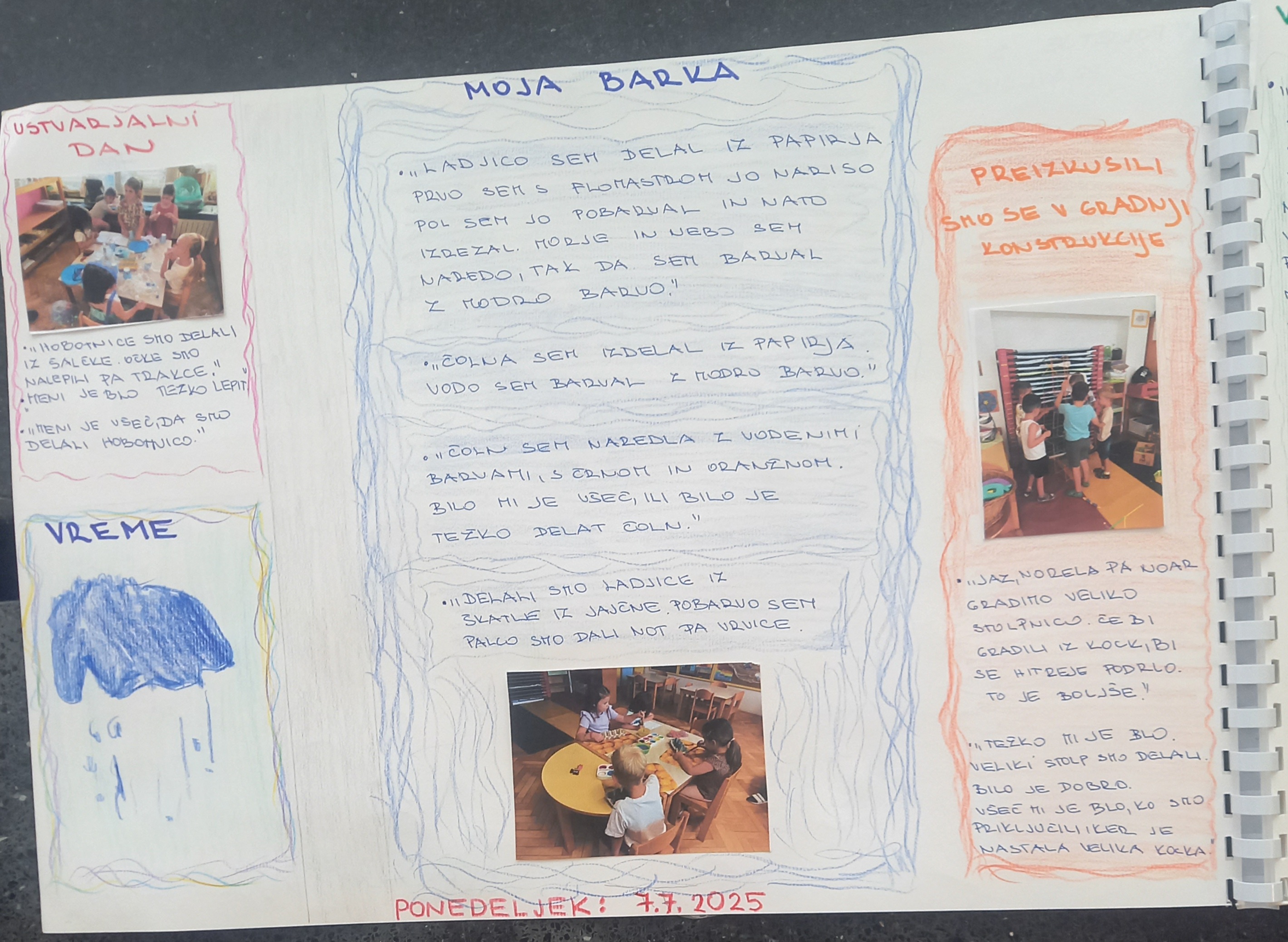
Each day, they jointly choose an activity, interesting moment, or event and present it in the newspaper using children's statements, drawings, or photographs.
Reflecţie:
When arriving at or leaving the kindergarten, children show the completed newspaper and its news to their parents. The newspaper is available every day in the dressing room so that everyone can look through it.
Variații și idei suplimentare
Children can create different formats of their newspaper (from A4 to A2).
For older children, activity descriptions and content can be organised into sections (for example sports, cultural events, weather).
Informații generale și perspectivă didactică
This activity introduces children to print media through hands-on documentation of their everyday experiences. By creating their own magazine, children learn how events can be selected, recorded, and presented using images and simple text. The process supports observation, communication, and early understanding of how media content is created. Sharing the magazine with parents strengthens reflection and gives value to children's perspectives and voices.
Experience from kindergartens
The activity took place over a longer period of time (four weeks). Children were very motivated to create the visual and photographic parts of the newspaper. While looking at photographs and drawings, they relived individual events. They enjoyed listening to the teacher reading aloud the children's recorded statements from the newspaper.
Fotografiile activității