Our Kindergarten Magazine
Documenting Events
 Rahastatud Euroopa Liidu poolt. Avaldatud seisukohad ja arvamused on ainult autori(te) omad ega pruugi kajastada Euroopa Liidu või Euroopa Hariduse ja Kultuuri Rakendusameti (EACEA) seisukohti ja arvamusi. Euroopa Liit ega EACEA nende eest ei vastuta. |
 Kogu sisu, eelkõige tekstid, pildid ja graafika, on kaitstud autoriõigusega. Kui ei ole sõnaselgelt teisiti märgitud, kuuluvad autoriõigused media.eduskills.plus ja on litsentseeritud Litsents: "Creative Commons Autorile viitamine – mittekaubanduslik - jagamine samadel tingimustel 4.0 Rahvusvaheline". Nende suhtes võivad kehtida litsentsitingimused. |
2026 media.eduskills.plus
Õpitulemused
tulemused
|
|
|
Sihtgrupp 5 aastat ja rohkem
|
|
Nõutavad materjalid
|
Tegevuse kirjeldus (samm-sammult)
Ettevalmistus:
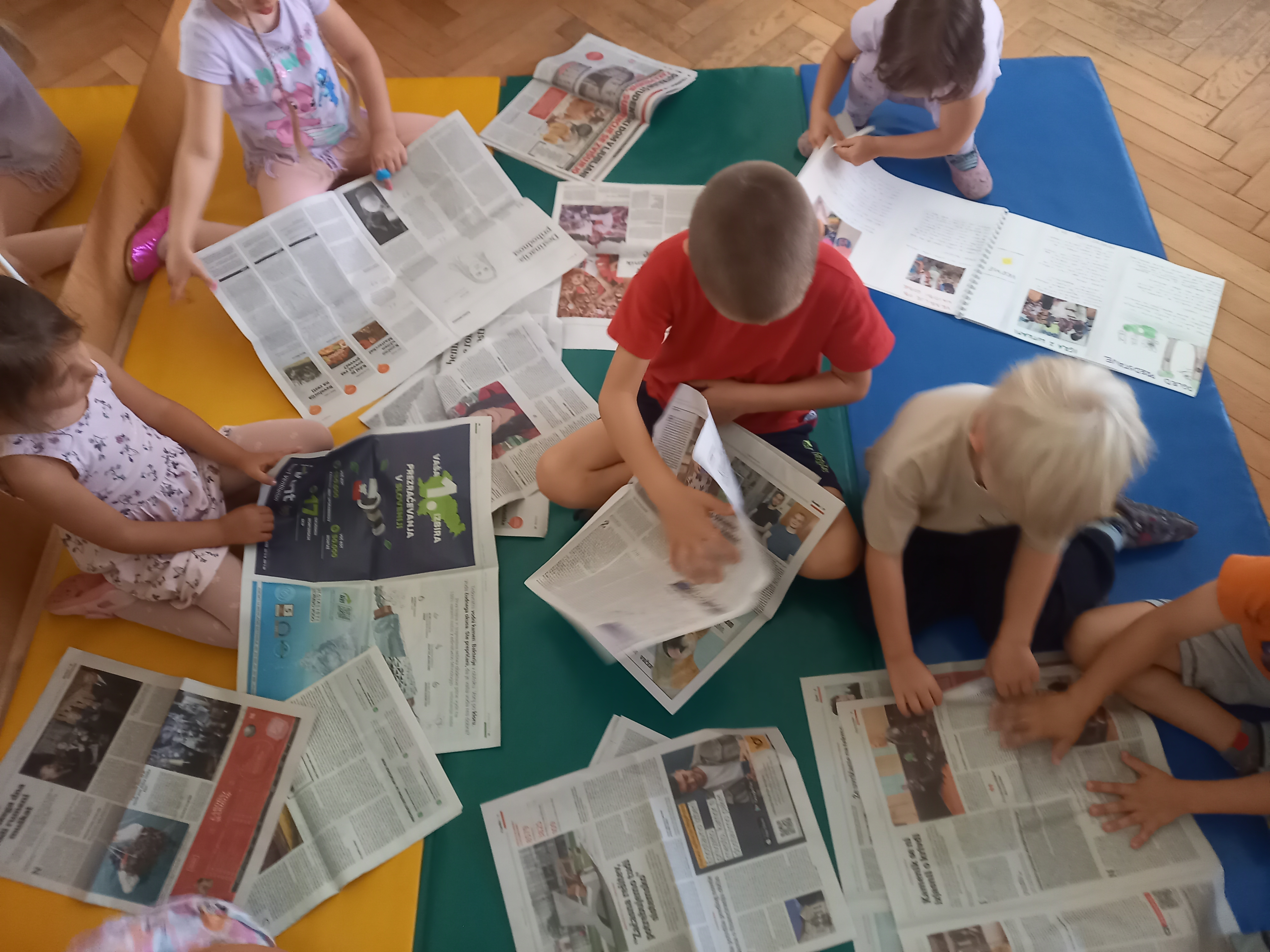
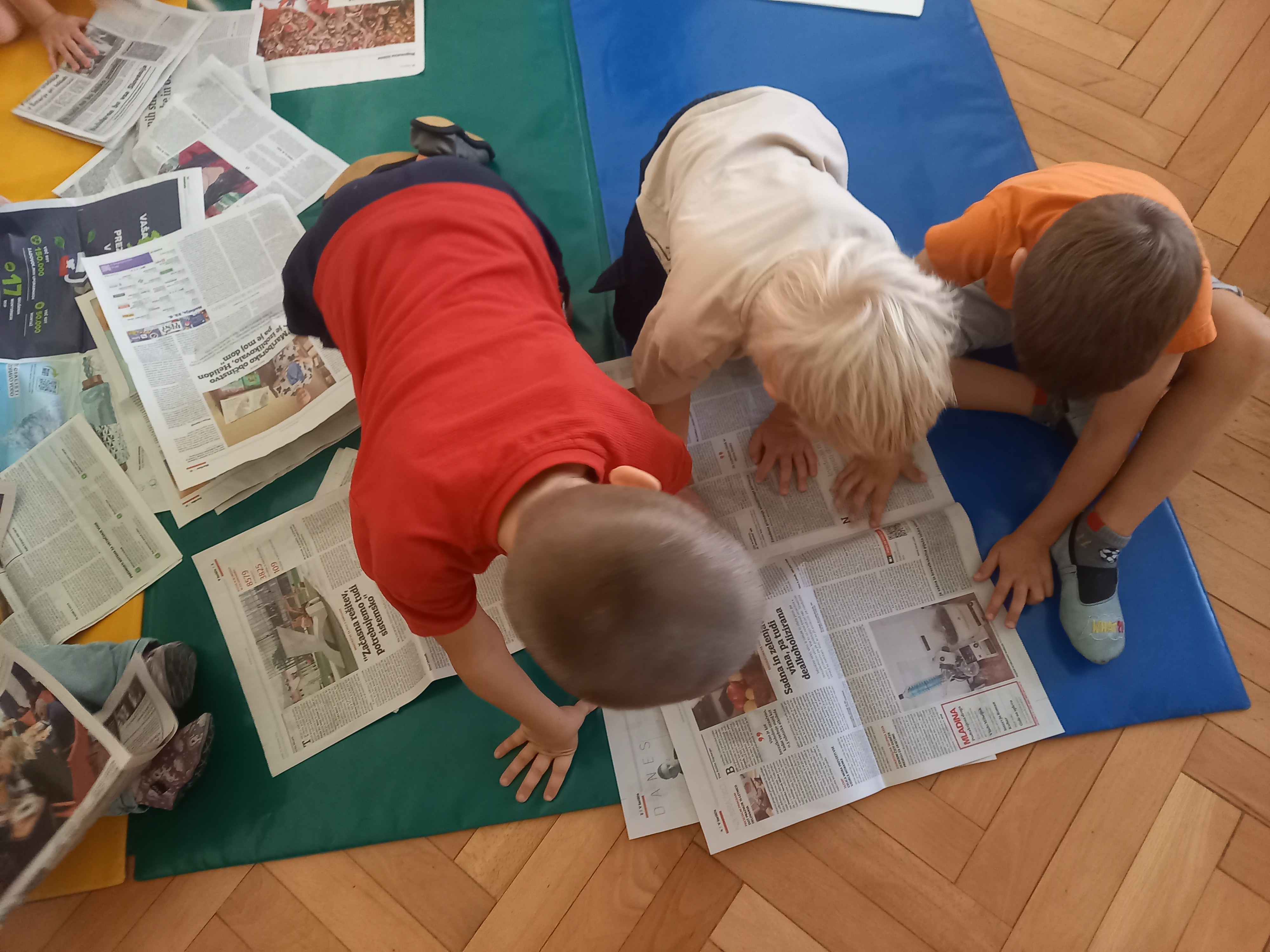
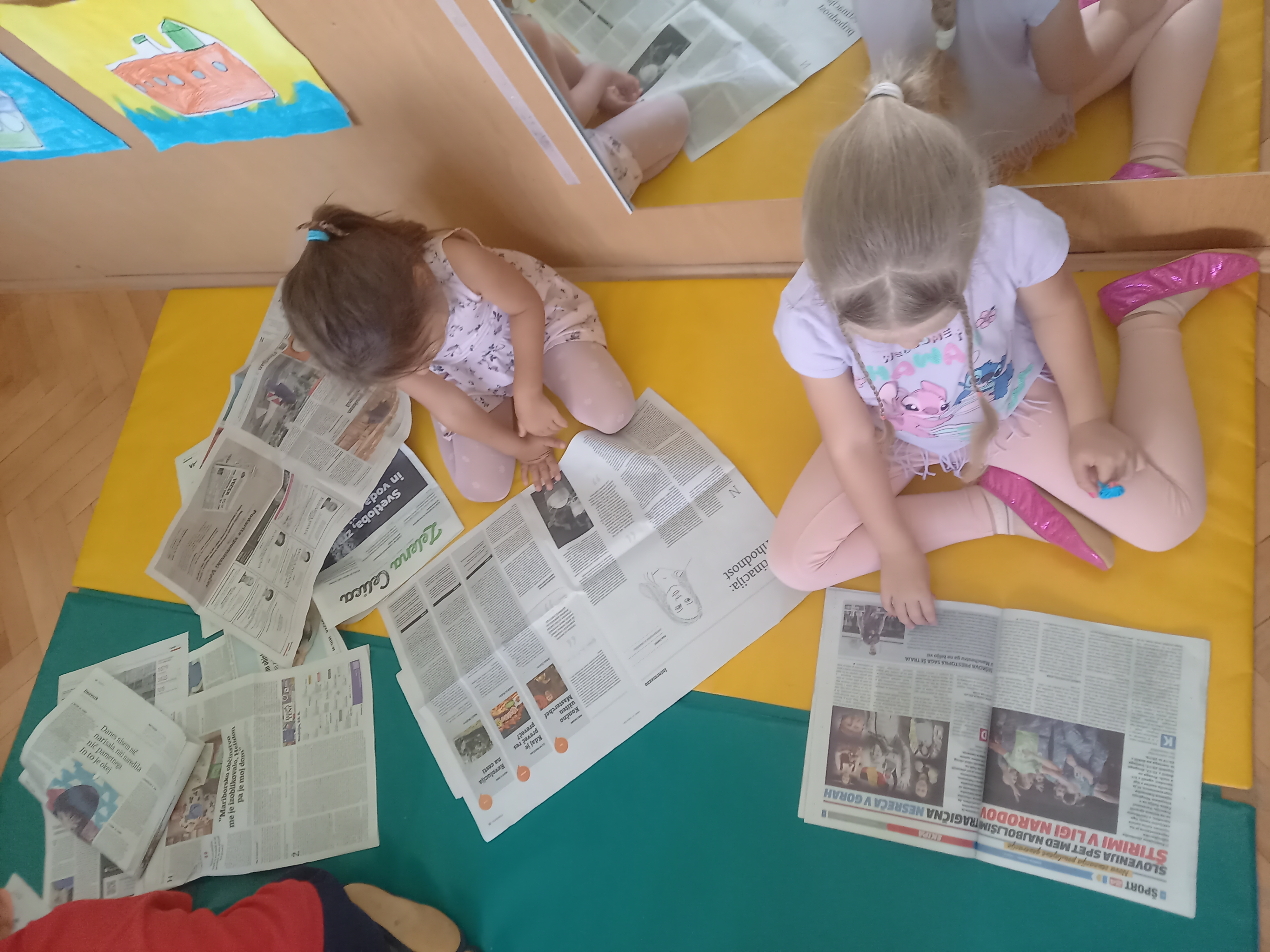
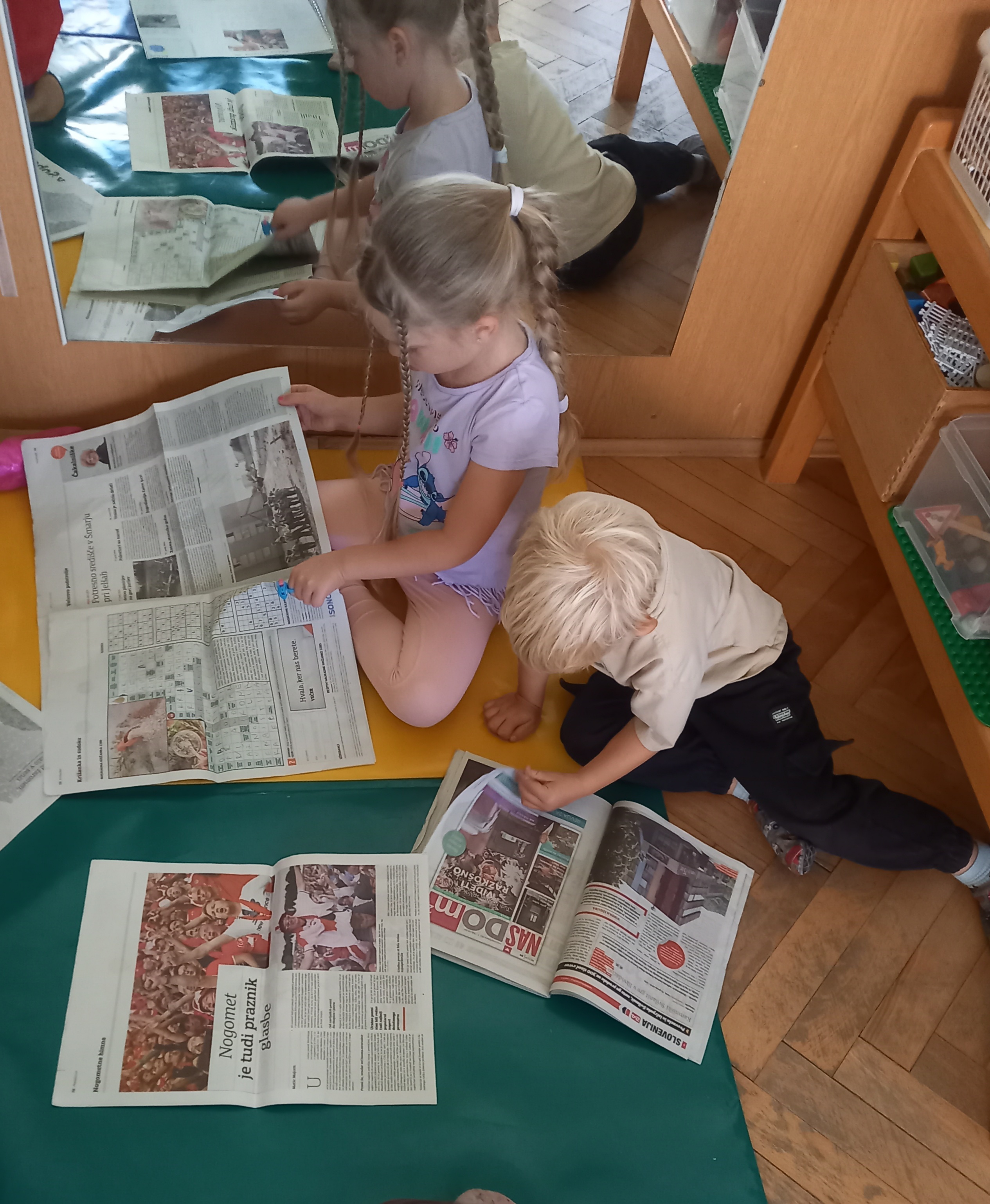
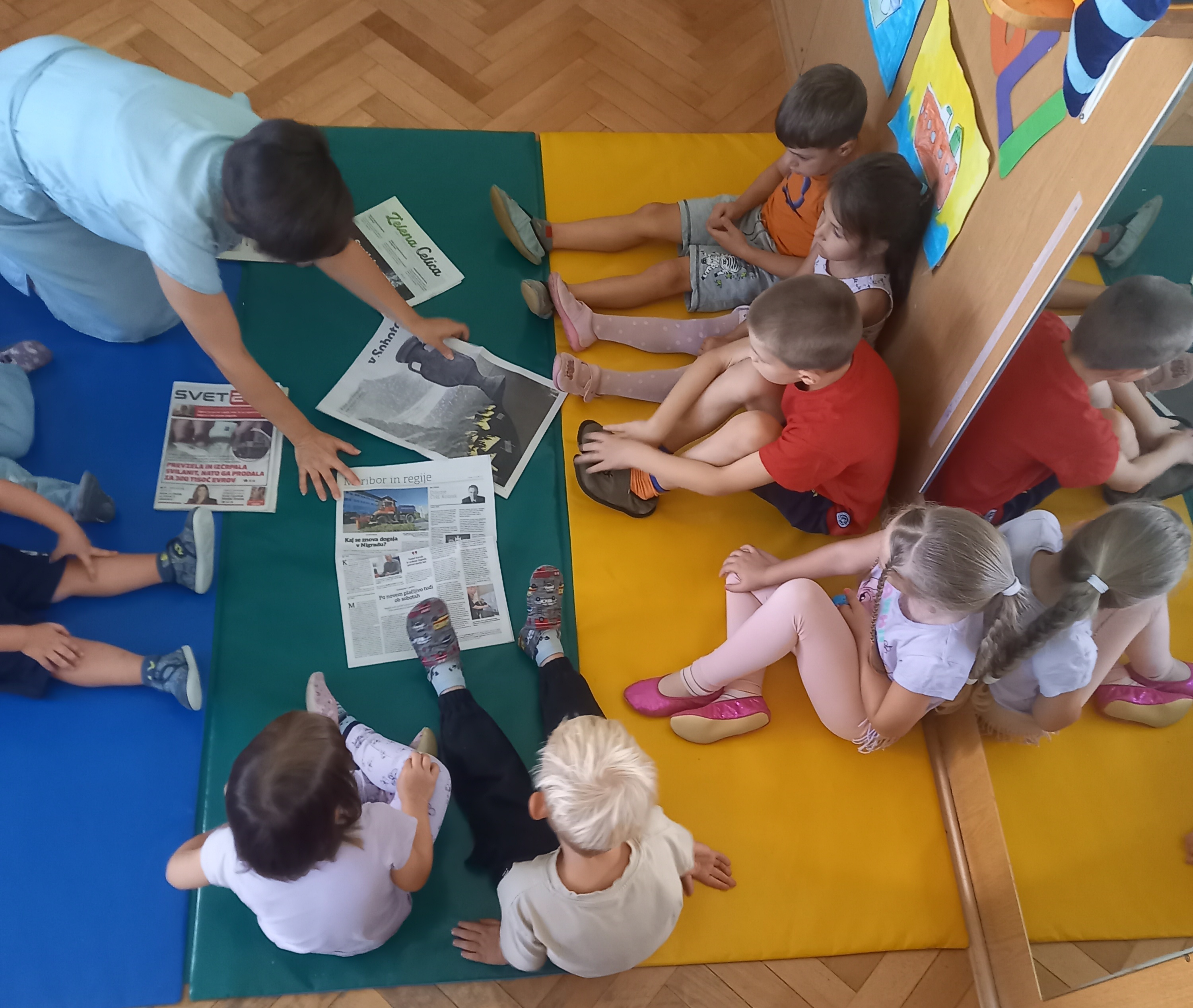
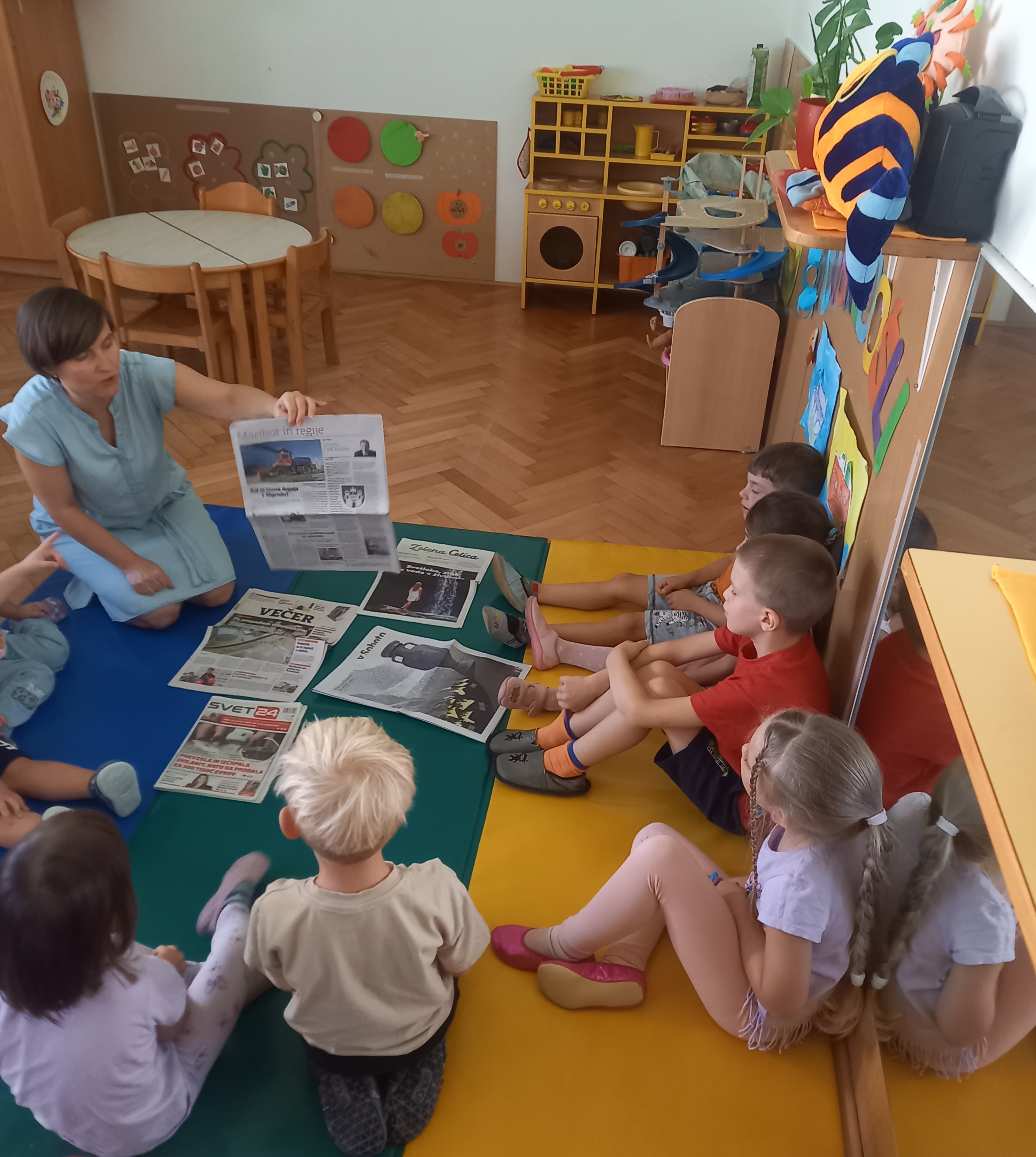
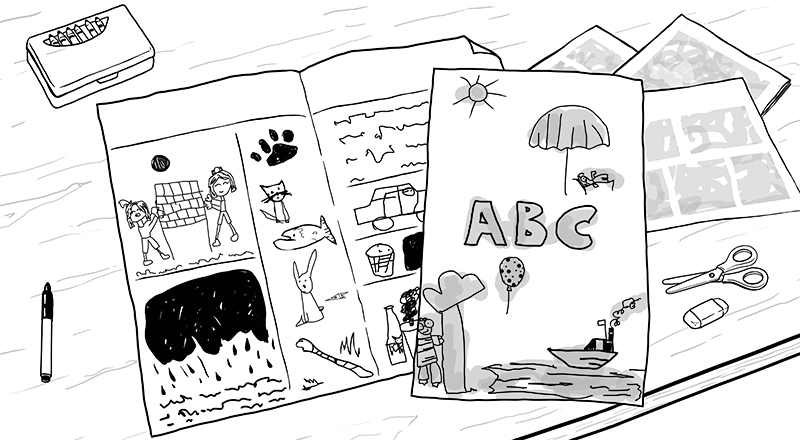
The teacher places various printed media in front of the children, such as a local newspaper and magazines, and the children look through them. The teacher asks whether they recognise any of the newspapers or magazines they have seen. Children are encouraged to say what they noticed in the newspaper or magazine. They answer: letters, photographs, pictures, captions, headlines, colours.
The teacher presents and shows the parts and content of the newspaper.
Tegevuse läbiviimine:
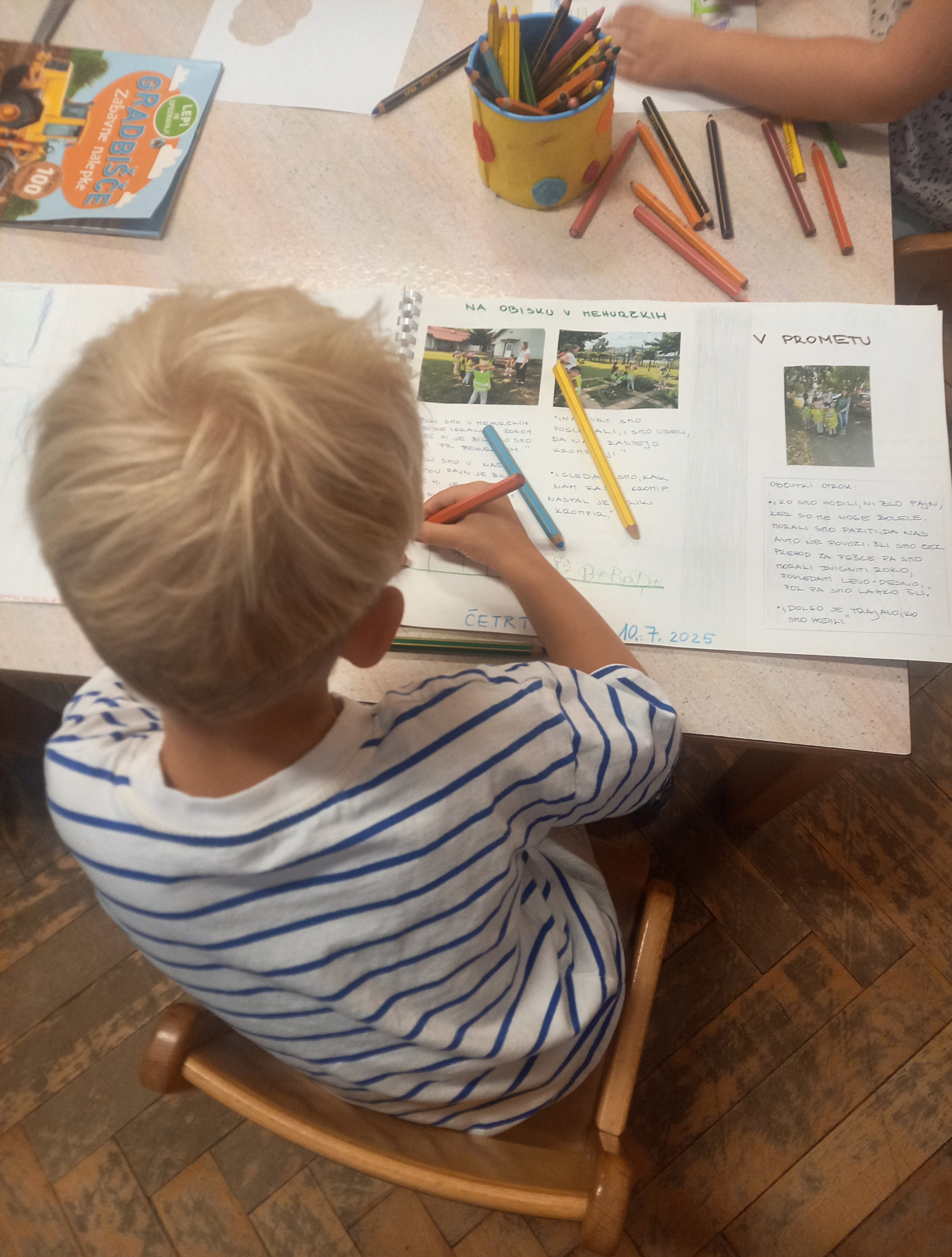
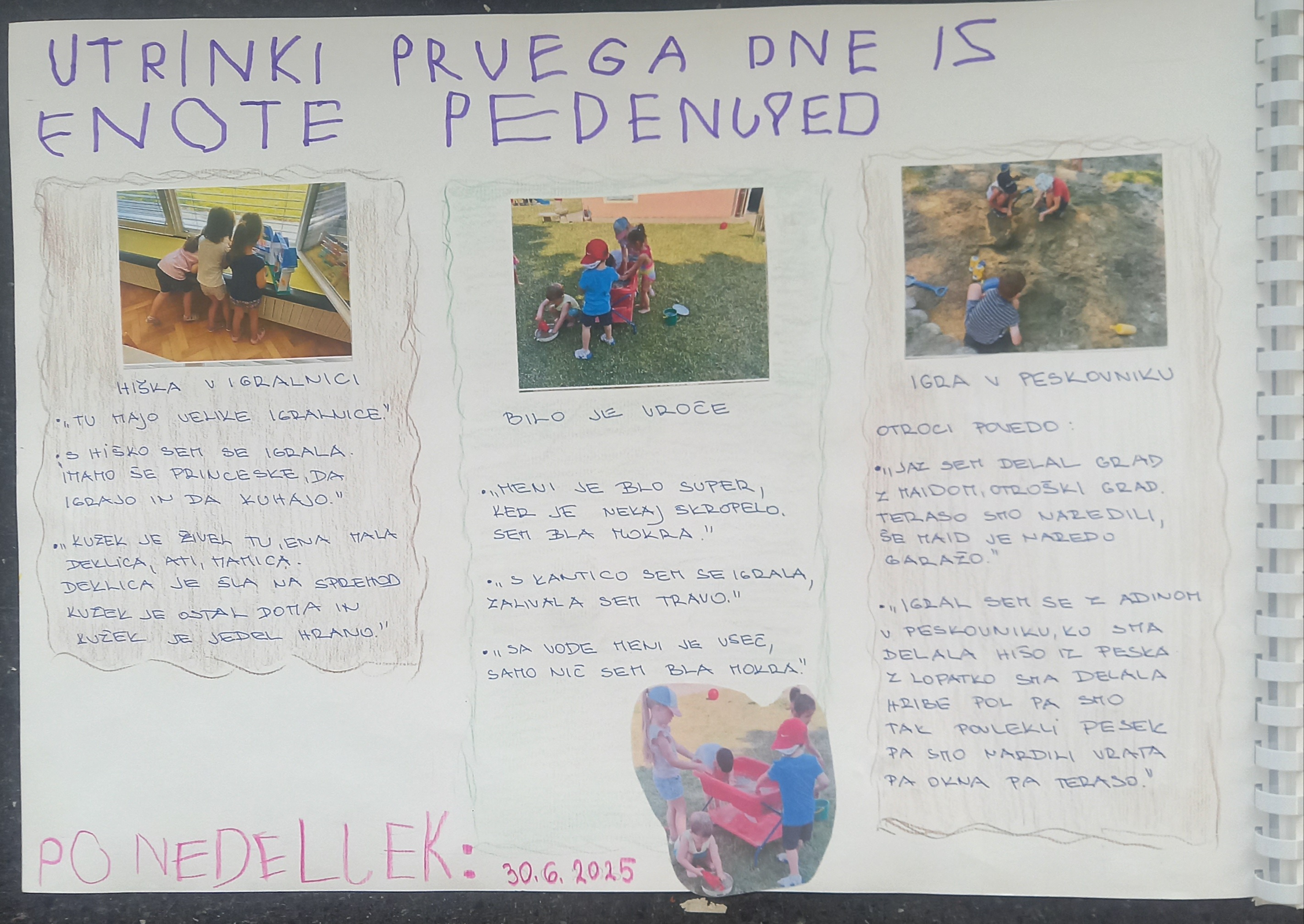
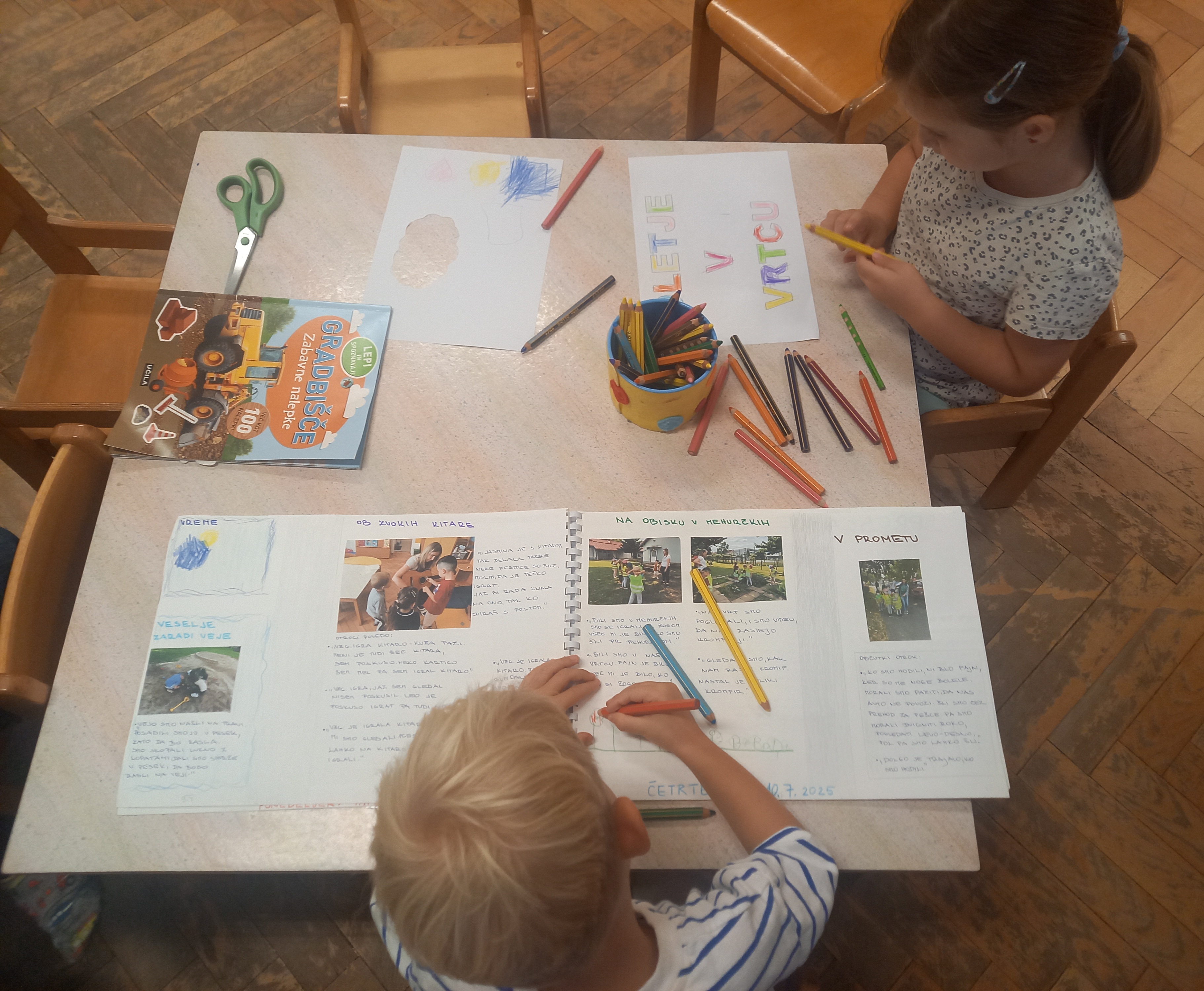
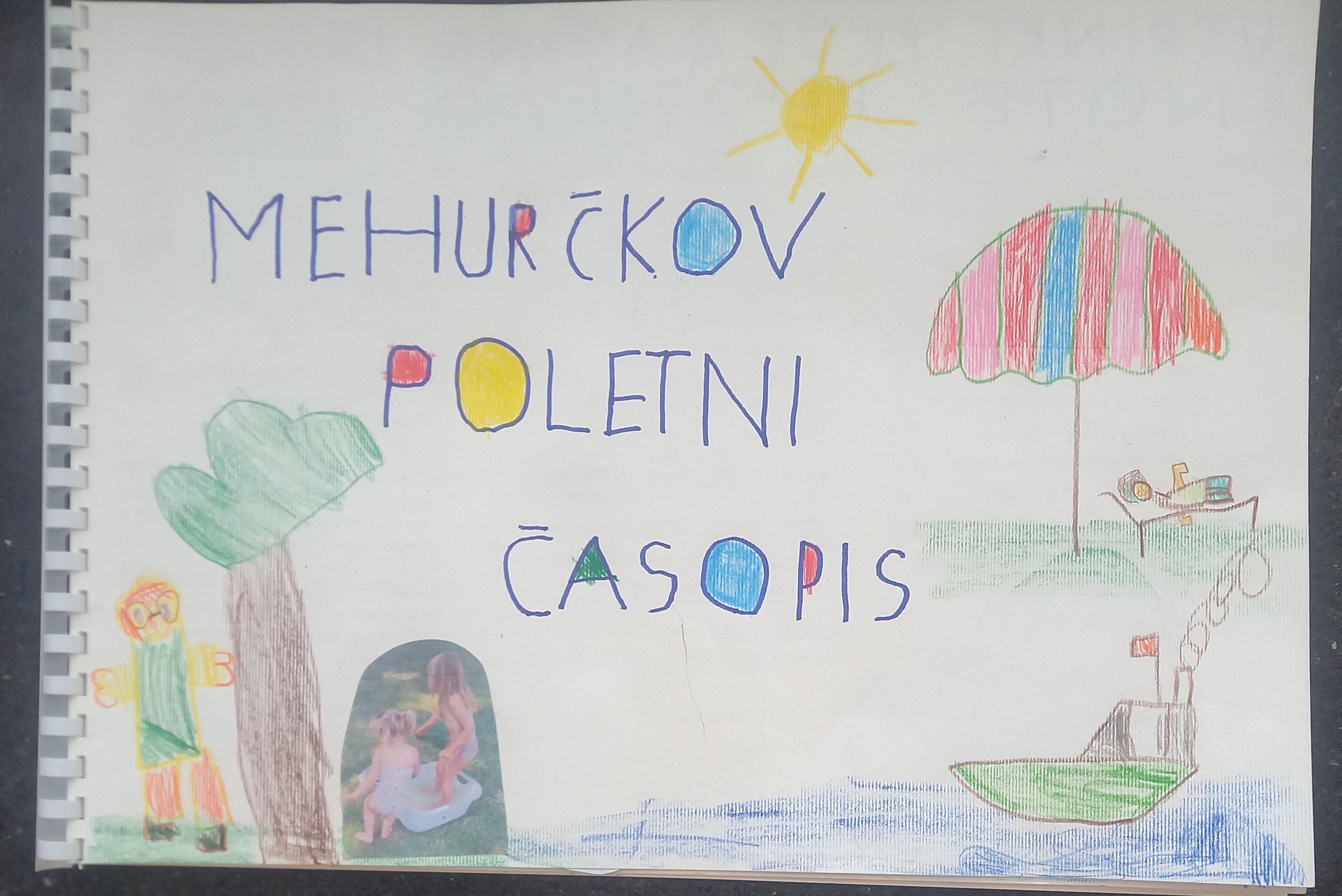
The teacher encourages the children to create their own newspaper together, documenting activities from the kindergarten. Together they invent a name for the newspaper, write it on the front page, and design the cover visually.
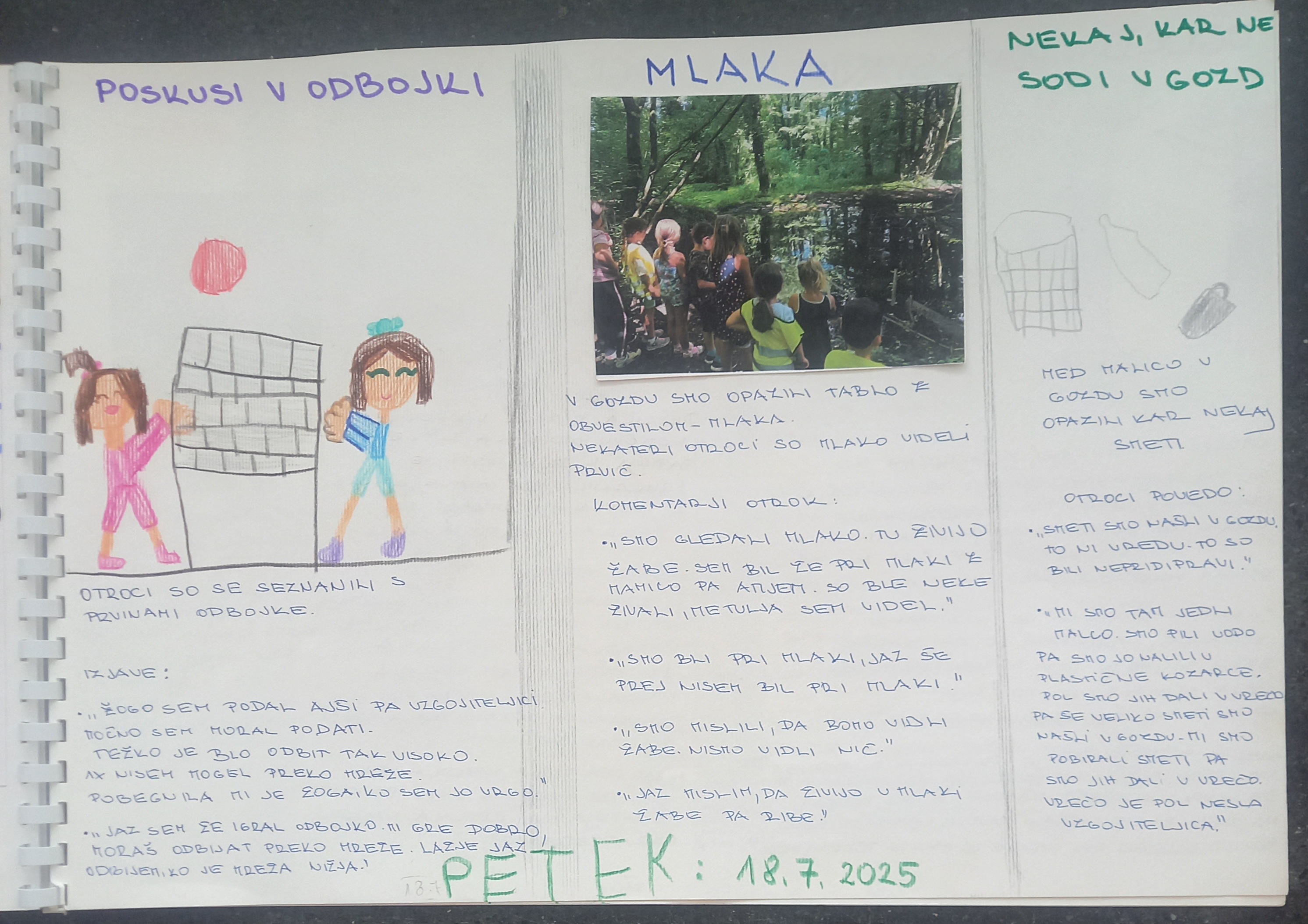
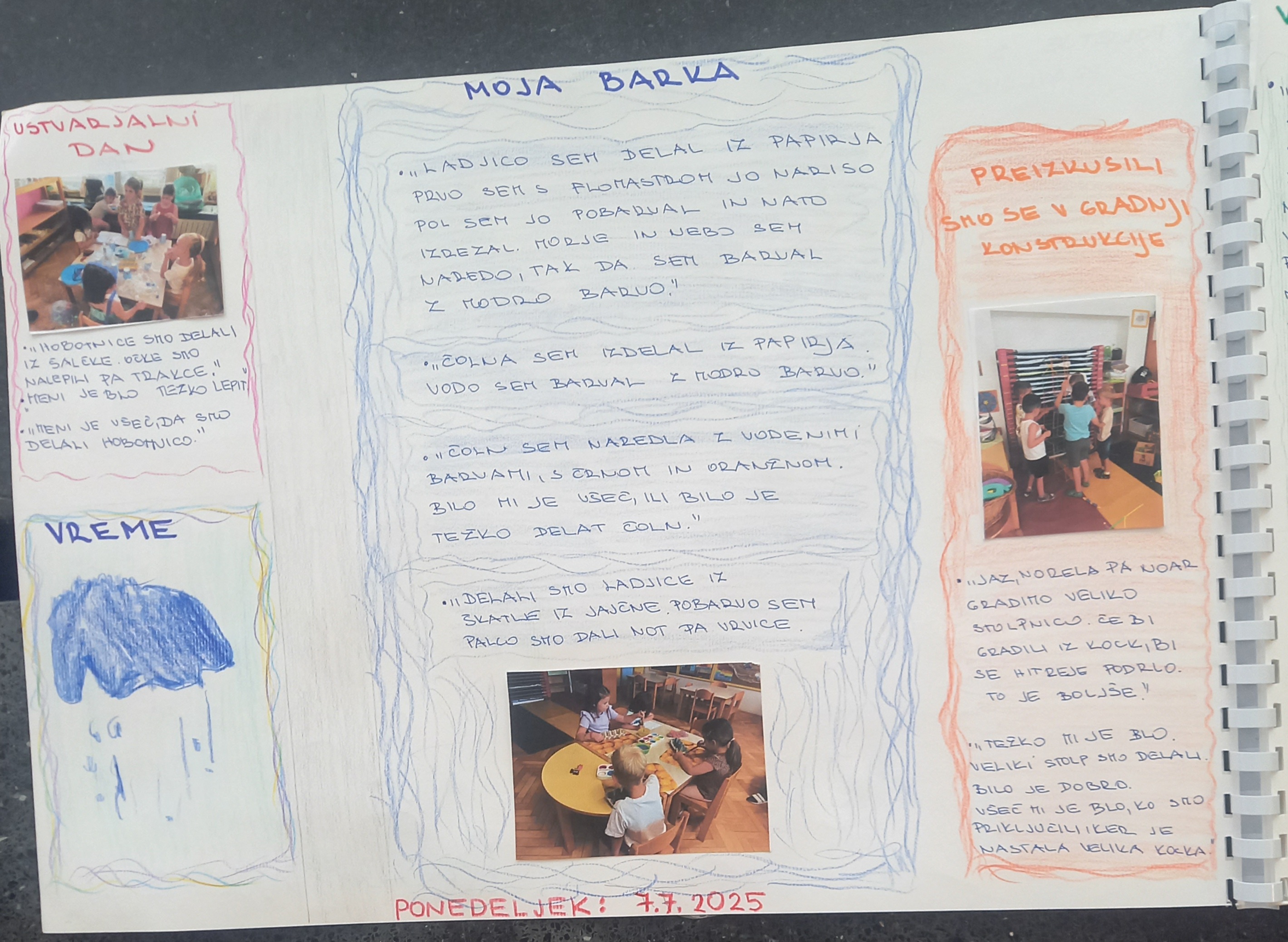
Each day, they jointly choose an activity, interesting moment, or event and present it in the newspaper using children's statements, drawings, or photographs.
Refleksioon
When arriving at or leaving the kindergarten, children show the completed newspaper and its news to their parents. The newspaper is available every day in the dressing room so that everyone can look through it.
Variatsioonid ja lisaideed
Children can create different formats of their newspaper (from A4 to A2).
For older children, activity descriptions and content can be organised into sections (for example sports, cultural events, weather).
Taustteave ja didaktiline perspektiiv
This activity introduces children to print media through hands-on documentation of their everyday experiences. By creating their own magazine, children learn how events can be selected, recorded, and presented using images and simple text. The process supports observation, communication, and early understanding of how media content is created. Sharing the magazine with parents strengthens reflection and gives value to children's perspectives and voices.
lasteaedade kogemused
The activity took place over a longer period of time (four weeks). Children were very motivated to create the visual and photographic parts of the newspaper. While looking at photographs and drawings, they relived individual events. They enjoyed listening to the teacher reading aloud the children's recorded statements from the newspaper.
Tegevuste pildid