Lichtspiel
Licht – Schatten – Farbe
 Von der Europäischen Union finanziert. Die geäußerten Ansichten und Meinungen entsprechen jedoch ausschließlich denen des Autors bzw. der Autoren und spiegeln nicht zwingend die der Europäischen Union oder der Europäischen Exekutivagentur für Bildung und Kultur (EACEA) wider. Weder die Europäische Union noch die EACEA können dafür verantwortlich gemacht werden. |
 Alle Inhalte, insbesondere Texte, Bilder und Grafiken sind urheberrechtlich geschützt. Soweit es nicht ausdrücklich anders gekennzeichnet ist, liegen die Urheberrechte bei media.eduskills.plus und stehen unter der Creative Commons Namensnennung -Nicht kommerziell -Keine Bearbeitungen 4.0 International (CC BY-NC-ND 4.0) Lizenz. Sie dürfen im Rahmen der Lizenzbedingungen verwendet werden. |
2026 media.eduskills.plus
Lernergebnisse
Kompetenzen
|
|
|
Zielgruppe 2 Jahre und älter
|
|
Benötigte Materialien
|
Anleitung zur Aktivität (Schritt für Schritt)
Vorbereitung:
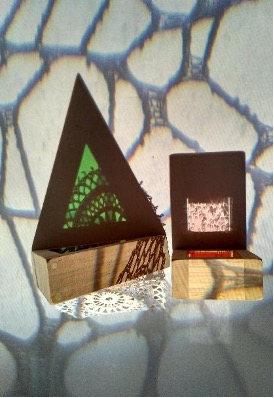
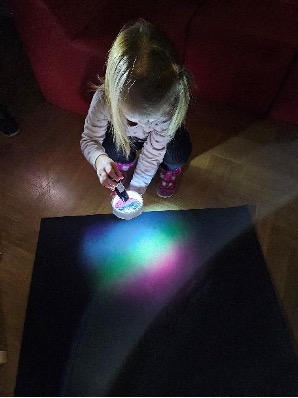
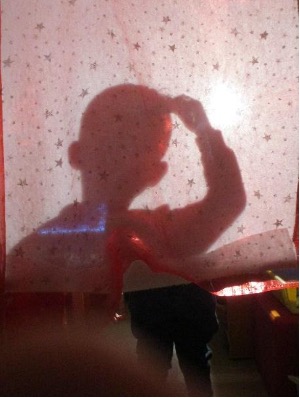
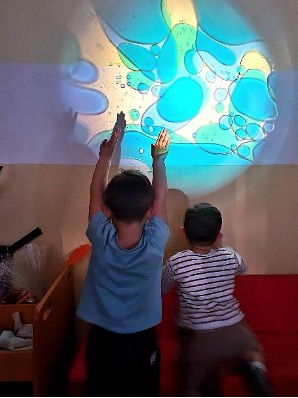
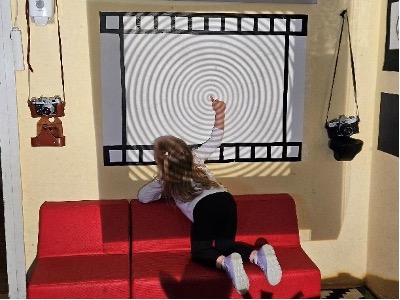
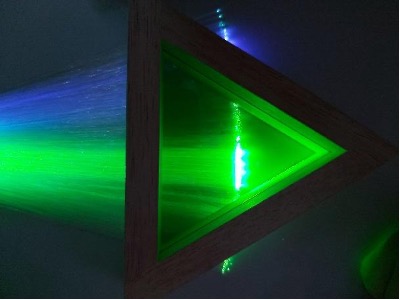
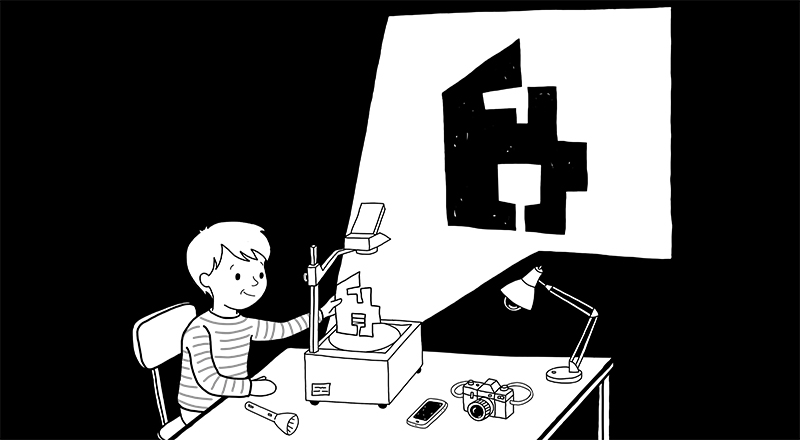
Der Raum wird vorbereitet, indem verschiedene Reize für das Spiel mit Licht und Schatten bereitgestellt werden. Angeboten werden Hand- und Tischlampen, Spotlights, Glasfaserlichter, ein Overheadprojektor, ein Leuchttisch sowie transparente Materialien (Papiere, Stoffe mit unterschiedlichen Texturen, farbige transparente PVC-Formen in verschiedenen Größen, Sensory-Blocks-Geometrieformen, ein Mathmos-Projektor, Mobiltelefone und Kameras).
Die Möglichkeiten der Nutzung der bereitgestellten Materialien werden vorgestellt, und die Kinder werden ermutigt, diese selbstständig zu erkunden.
Durchführung:
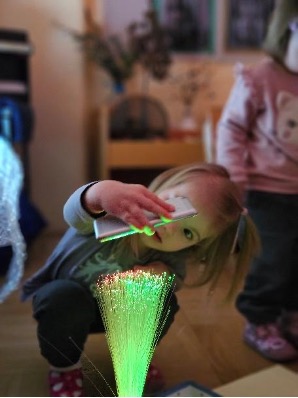
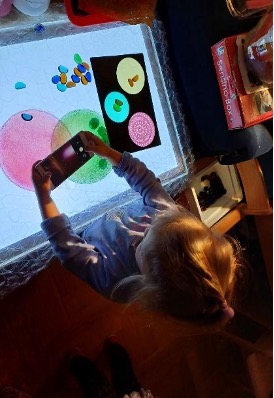
Die Aufmerksamkeit der Kinder wird auf Lichtwahrnehmungen gelenkt, die durch die Kombination verschiedener Lichtquellen entstehen, zum Beispiel: Handlampen mit Sensory-Blocks-Geometrieformen, Glasfaserlichter zur taktilen Erkundung, Overheadprojektorlicht mit Stoffen unterschiedlicher Texturen, ein Leuchttisch mit transparenten PVC-Formen sowie ein sensorischer Projektor.
Nachdem die Kinder alle Reize erkundet haben, werden Kameras und/oder Mobiltelefone angeboten, damit sie die von ihnen gestalteten Lichtszenen festhalten können.
Abwandlungen und zusätzliche Ideen
Die Fotografien können auf einen Computer übertragen und gemeinsam betrachtet werden, um Eindrücke auszutauschen. Die Fotos können außerdem ausgedruckt und als Ausstellung im Kindergarten oder in einem anderen Ausstellungsraum präsentiert werden. Workshops zum gleichen Thema können für Kinder und Eltern organisiert werden.
Hintergrundinformationen und didaktische Perspektiven
In dieser Aktivität entwickeln Kinder ihre visuelle Wahrnehmung und Sensibilität für Farben und Formen durch Lichteffekte. Das kreative Erkunden und Manipulieren transparenter Materialien fördert Beobachtung, Vergleich und Differenzierung visueller Elemente und unterstützt zugleich die Kommunikation sowie das Benennen von Farben und Formen. Kinder lernen durch spontanes Spiel und ihr eigenes Handeln, wobei Licht und Schatten zu Werkzeugen des künstlerischen Ausdrucks und der Gestaltung werden. Die Aktivität unterstützt die Entwicklung von Aufmerksamkeit, Konzentration, Wahrnehmung, künstlerischen und sprachlichen Kompetenzen und stärkt die Neugier der Kinder sowie ihren Entdeckungsdrang in Bezug auf die Welt um sie herum.
Fotos der Aktivität