Stories in motion
Motion photography
 Funded by the European Union. Views and opinions expressed are however those of the author(s) only and do not necessarily reflect those of the European Union or the European Education and Culture Executive Agency (EACEA). Neither the European Union nor EACEA can be held responsible for them. |
 All contents, in particular texts, pictures and graphics, are protected by copyright. Unless expressly stated otherwise, copyright is held by media.eduskills.plus and is licensed under Creative Commons Attribution - Non-commercial - Distribution under the same conditions 4.0 International license. They may be subject to the terms of the license. |
2026 media.eduskills.plus
Learning outcomes
Competencies
|
|
|
Target group 5 years and up
|
|
Required materials
|
|
Materials
|
Description of the activity (step by step)
Preparation:
Initiate a conversation about moving vs. still. The children should try to think of things that move and things that do not and name them (children, cars, clouds, river vs. stones, houses, and chairs).
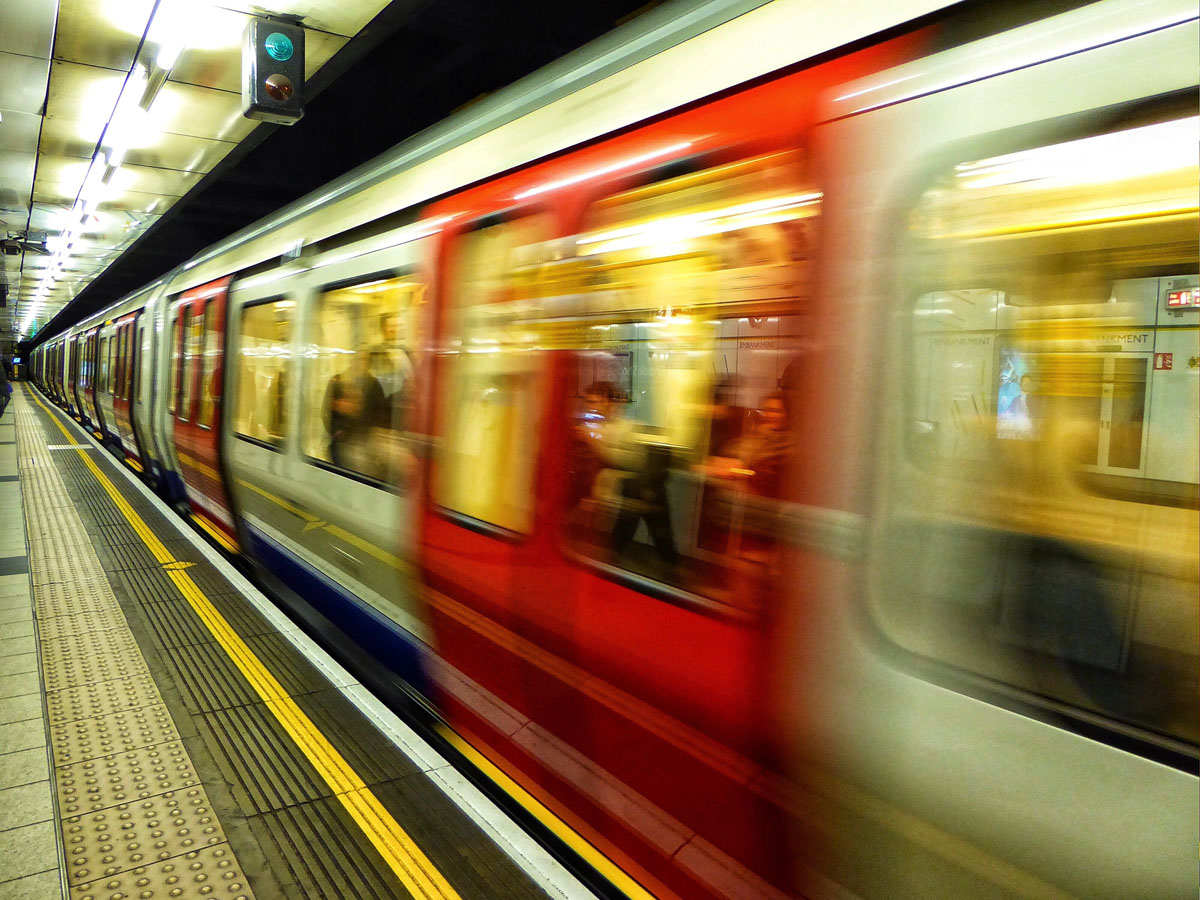
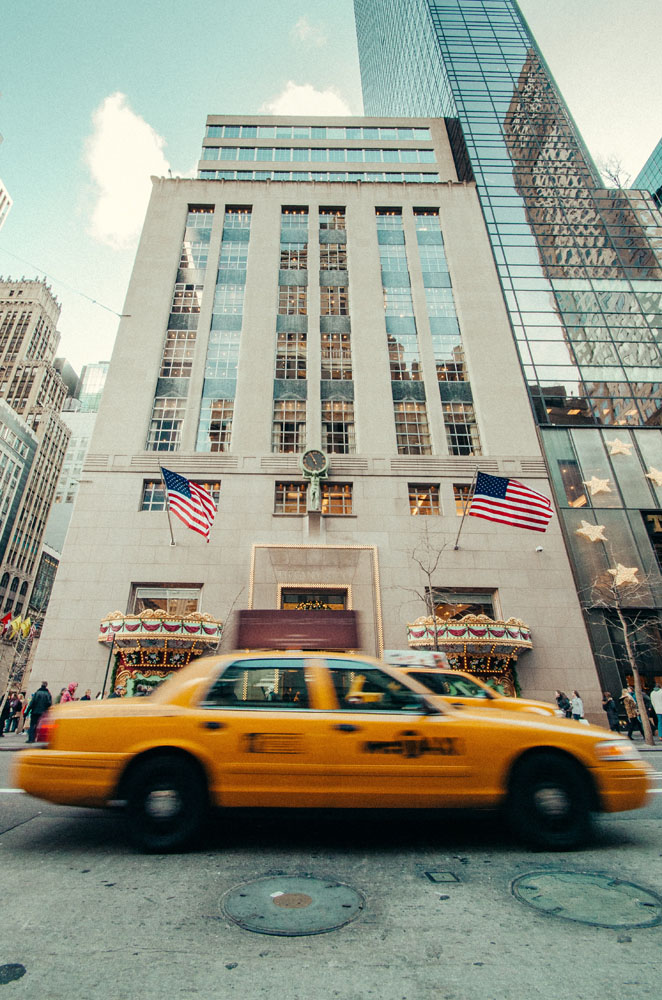
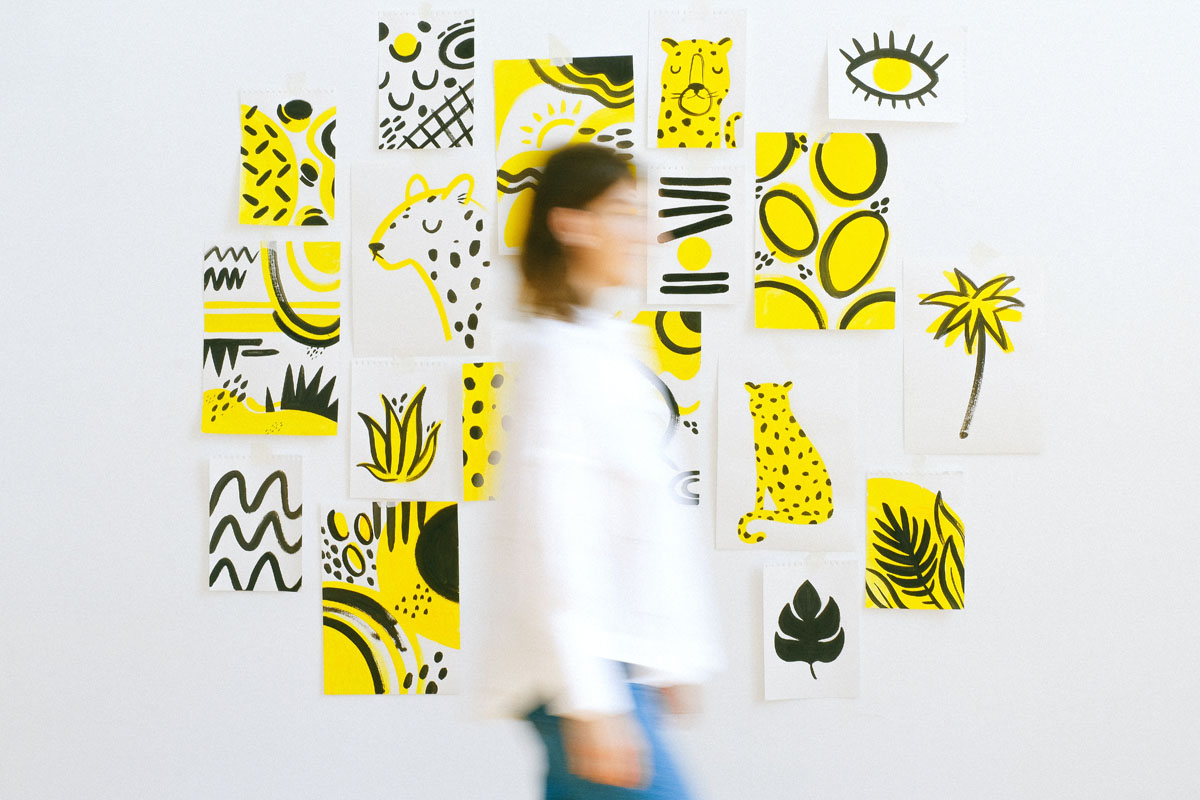
Invite the children to view motion photos on the computer together. Think together about what you see in the photos. How do you know that the photographs depict motion? What do children notice? For example, photos are blurred, an object or background is unrecognizable, etc. What kind of movements are in the photos (e.g. dancing, sports, vehicles, children, etc.)?
Implementation:
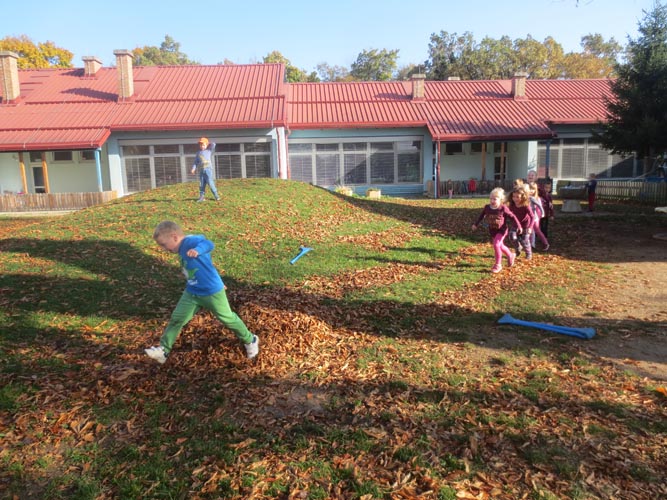
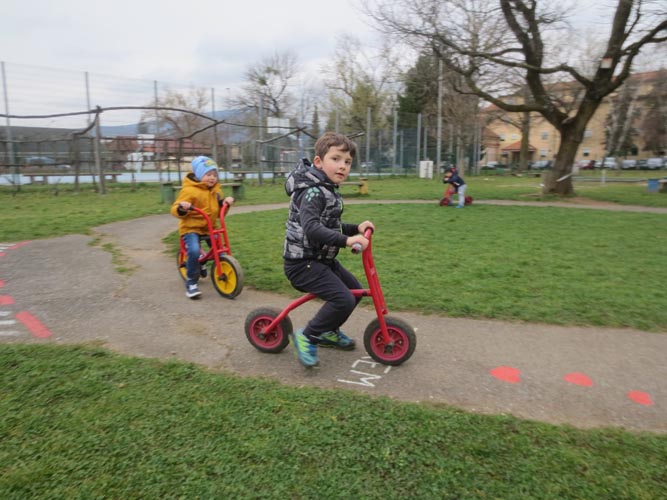
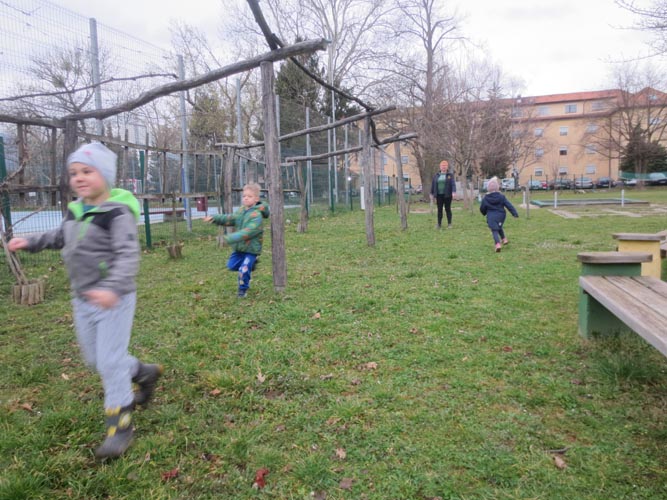
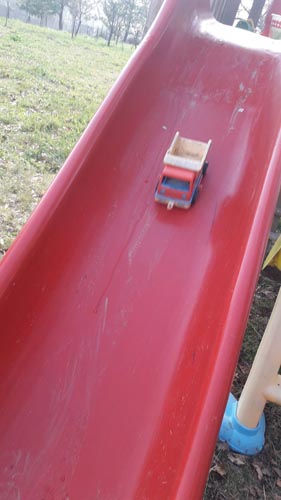
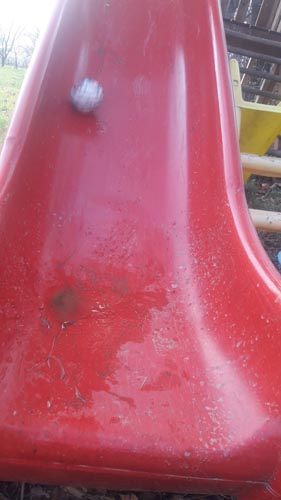
Go out to the playground together and encourage children to find and photograph different forms of movements on the playground. Each photographer should be completely free in finding her or his motives.
Reflection:
Divide the children into small groups and view the captured photos on the laptop. Let the children describe the depicted events and choose photos for printing.
Divide the children into two groups. Each group arranges the photos in an order of their choice. They invent a story based on the events and objects on the photos. Write down their story. Children glue the photos on an A3 paper.
Both groups present their stories.
Variations and additional ideas
Instead of working in groups, children can individually select and arrange photos and make up their own stories.
Activity for capturing still life:
Experience from kindergartens
In the beginning, children needed a lot of encouragement, instructions, and examples of made-up stories. Soon, however, they were intrigued by the activity. The children added parts of the text that is typical for stories/fairy tales (for example: “Once upon a time…”) and described things that they noticed on and about the photographs. The child that was the author of the photograph added the real backstory of the photograph and others made things up.
Materials
The photos are downloadable at https://media.eduskills.plus/activities/language_motion.
Examples of motion photos




Photos of the activity