Photography Center
The development of visual imaginability is an important factor in cognitive development. The same object shows a different image when viewed from different angles. Perspective is a very important factor in photography.
 Funded by the European Union. Views and opinions expressed are however those of the author(s) only and do not necessarily reflect those of the European Union or the European Education and Culture Executive Agency (EACEA). Neither the European Union nor EACEA can be held responsible for them. |
 All contents, in particular texts, pictures and graphics, are protected by copyright. Unless expressly stated otherwise, copyright is held by media.eduskills.plus and is licensed under Creative Commons Attribution - Non-commercial - Distribution under the same conditions 4.0 International license. They may be subject to the terms of the license. |
2026 media.eduskills.plus
Learning outcomes
Competencies
|
|
|
Target group 5 years and up
|
|
Required materials
|
Description of the activity (step by step)
Preparation:
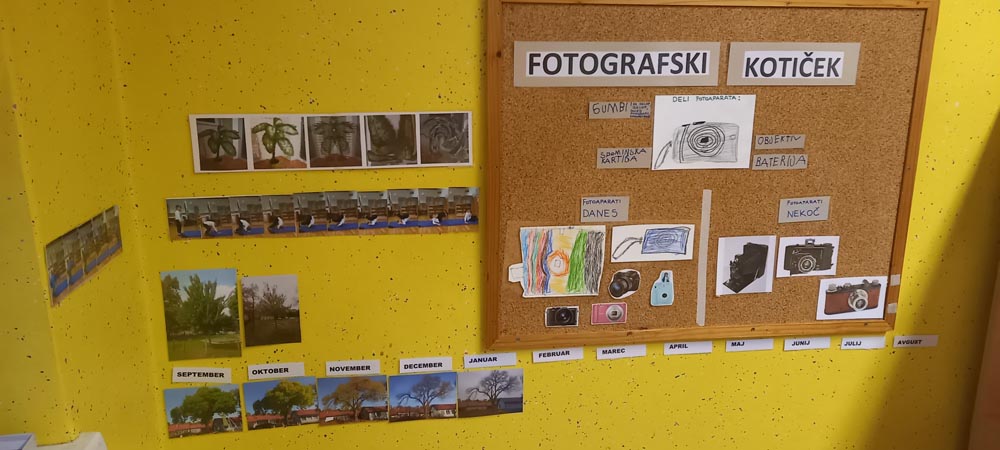
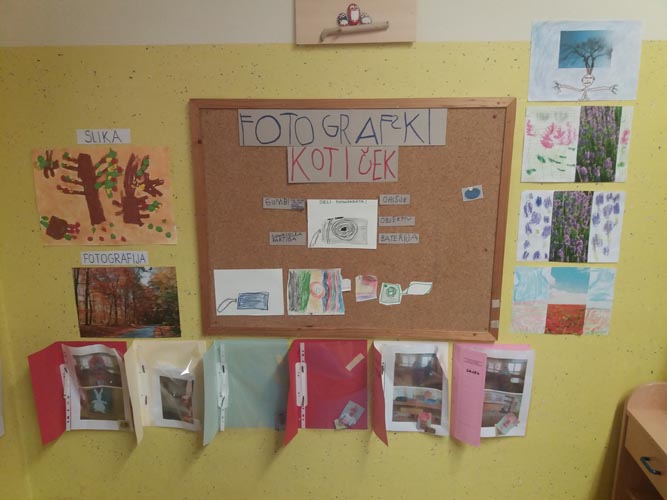
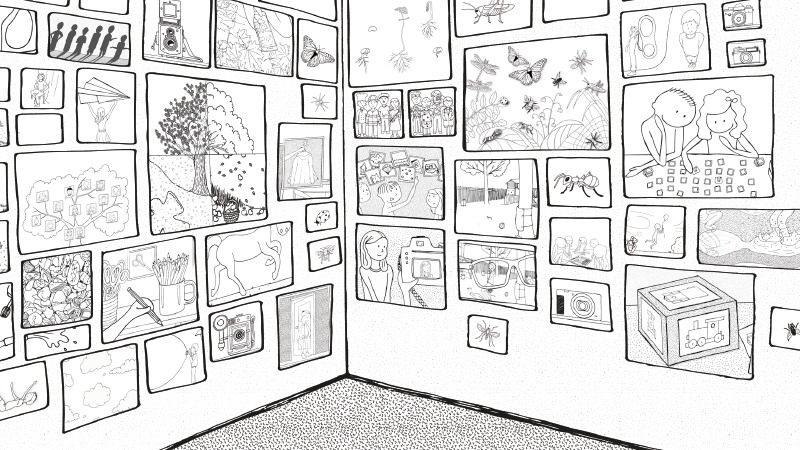
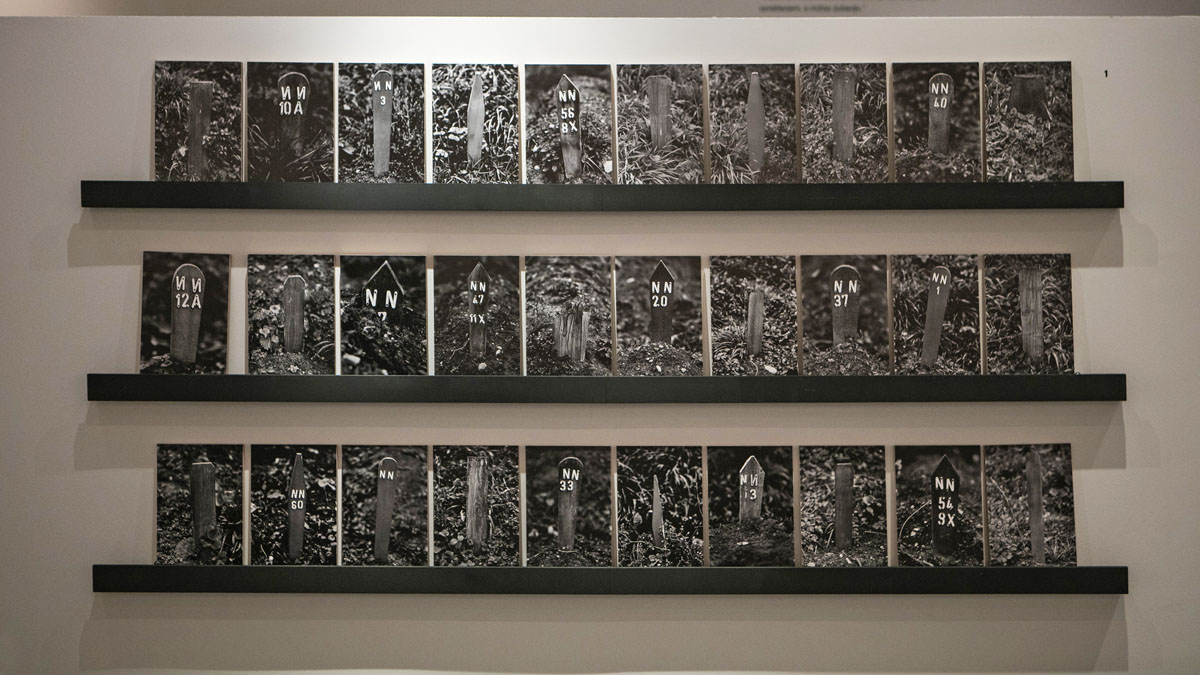
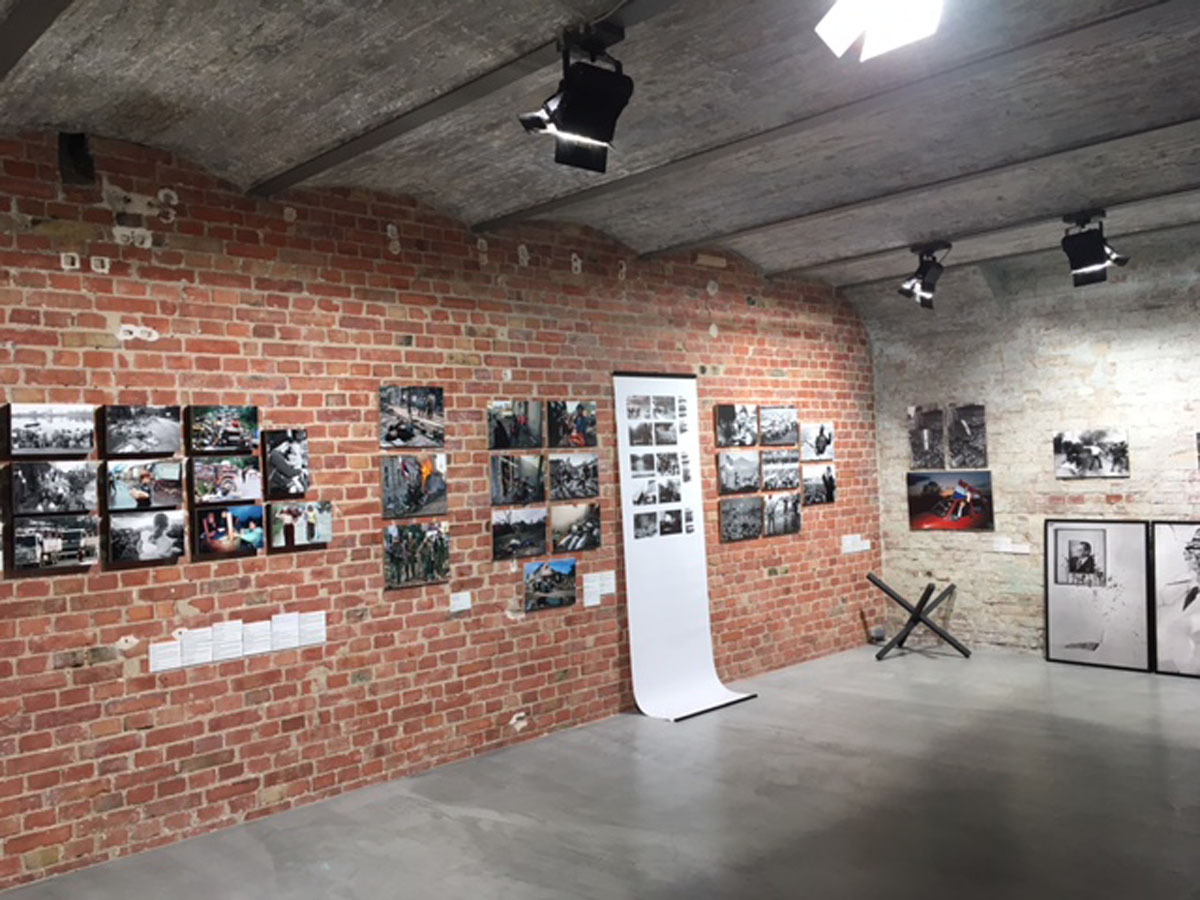
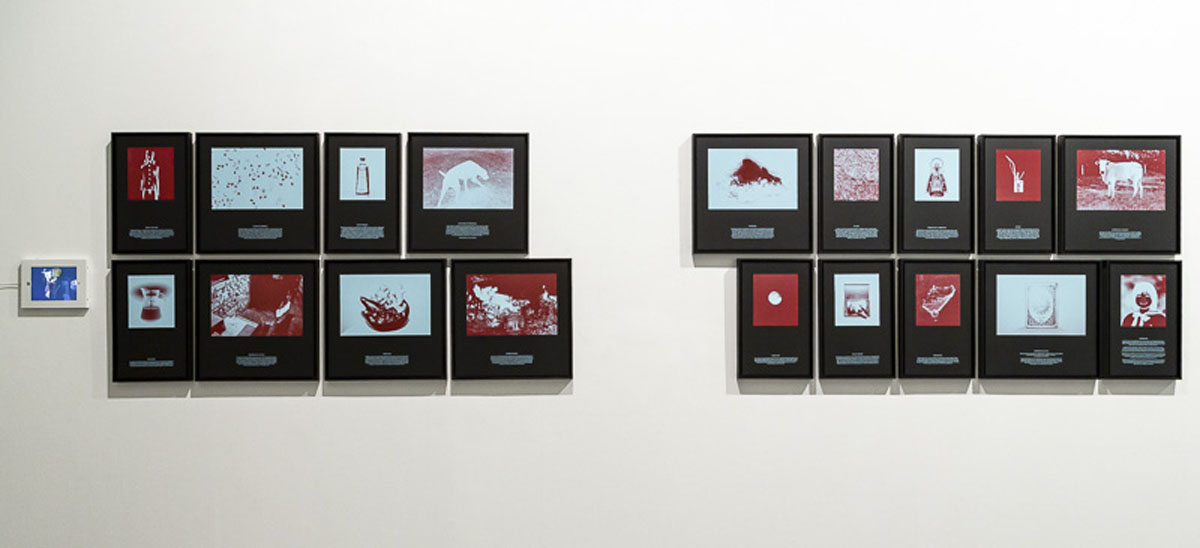
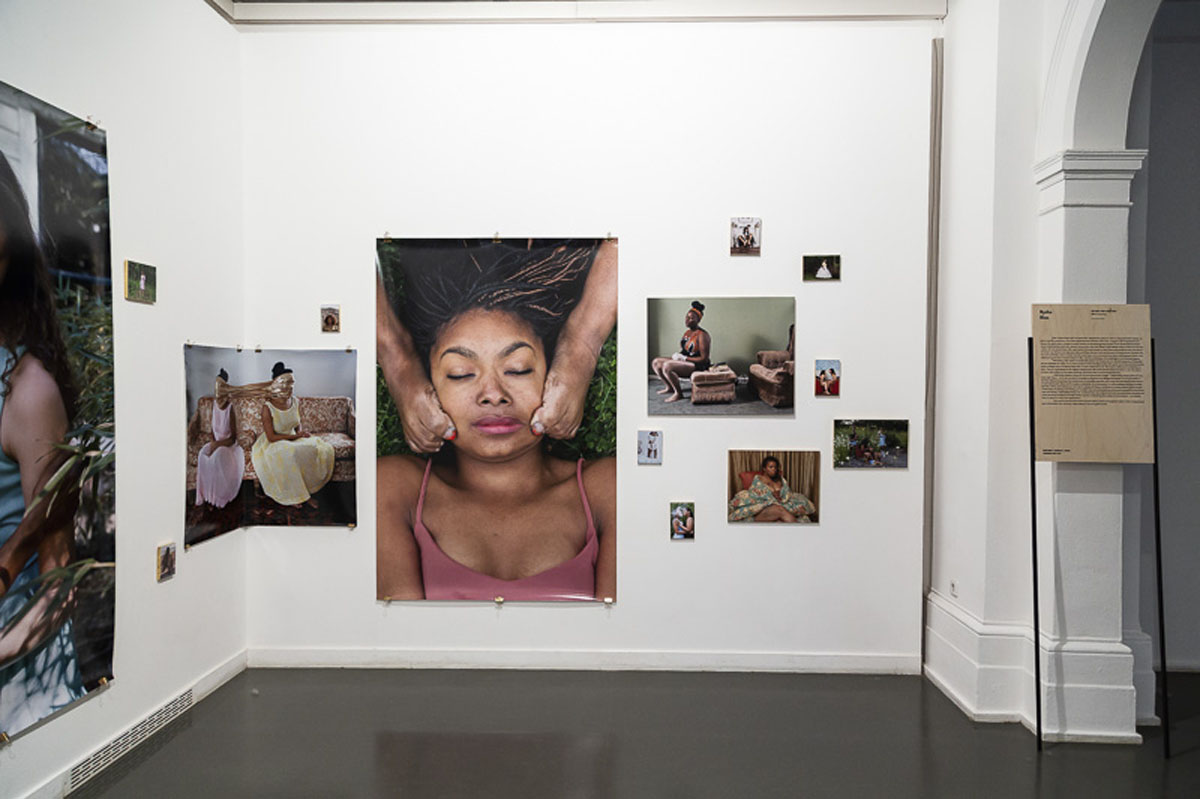
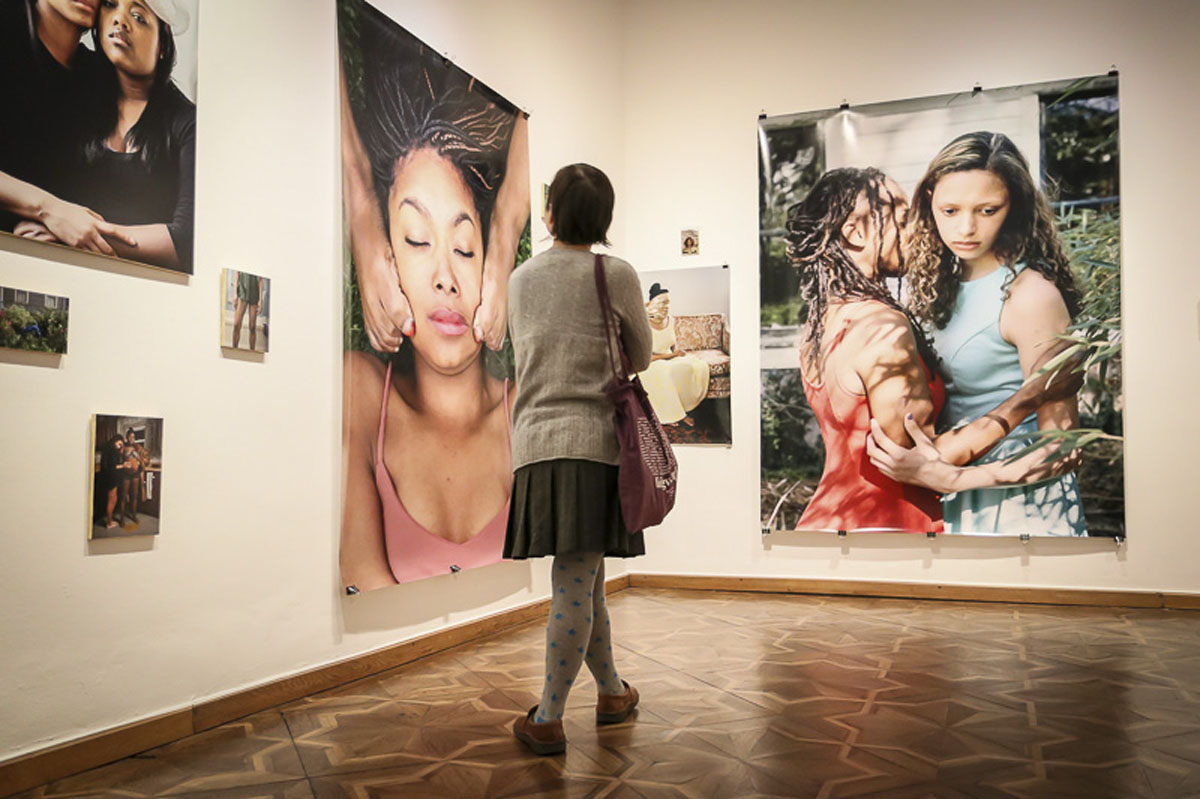
Talk to children about creating a space where they can store the camera, their photos from home, cut-outs from magazines, books, and photos they took in the kindergarten. You can look together at different examples of exhibition spaces. You can find some under materials or you can search for them online. Tell them that they will help to shape space in the kindergarten dedicated to photo-activities. Here, they will store the camera, their work, and exhibit new photos. Write down their ideas and suggestions.
Implementation:
Then examine together these ideas to determine whether they are viable and how to implement them. Children can try out different possible solutions and contribute to the implementation and realization of the ideas. In the playroom, they choose a space where the “photography center” will be – there, they will store and exhibit photographs. Determine the maximum number of children in the center. Invite the children to decorate the center (draw a camera and its parts, determine and label a place to store the camera, write down the name of the center, make frames for photographs, etc.).
Reflection:
Talk about your space. Are the children satisfied with their work? Did they get any new ideas while preparing the space? Can you make them come true in the future? Encourage the children to organize exhibitions and help them glue new photos in the frames. Encourage them to be creative – they can use photos they make in the kindergarten or pictures from magazines, bring photos from home, make photo-collages, etc. You can invite them to think about themes they are interested in and organize exhibitions for example about animals, super-heroes, fire-fighters, everything blue, their favorite tree, etc. You can find plenty of ideas on this portal. Keep the space interesting for the children: add new photo books, photographs, albums, or other inspirational material. Save already exhibited photographs into children’s individual folders/albums.
Variations and additional ideas
Instead of drawing the camera and painting it, they can take a photo of the camera and the teacher can print it out. The exhibition-space can be in a completely separate space and not necessarily in the playroom. (It can be a corridor, an entrance hall, a common room, an art room, etc.)
Background information and didactical perspective
It is important to include children in the decoration of the kindergarten spaces because they spend a lot of time in the playroom. When they are included in co-creating their spaces, children learn to cooperate and develop an appropriate attitude to the things in their environment.
Experience from kindergartens
Children reached for the materials in the center on a daily bases. They always had the opportunity to photograph independently. They loved to look at the albums/folders, talked about the photographs, and relived the events depicted.
Materials
The photos are downloadable at https://media.eduskills.plus/activities/intro_photocenter.
Individual folders for storing photographs
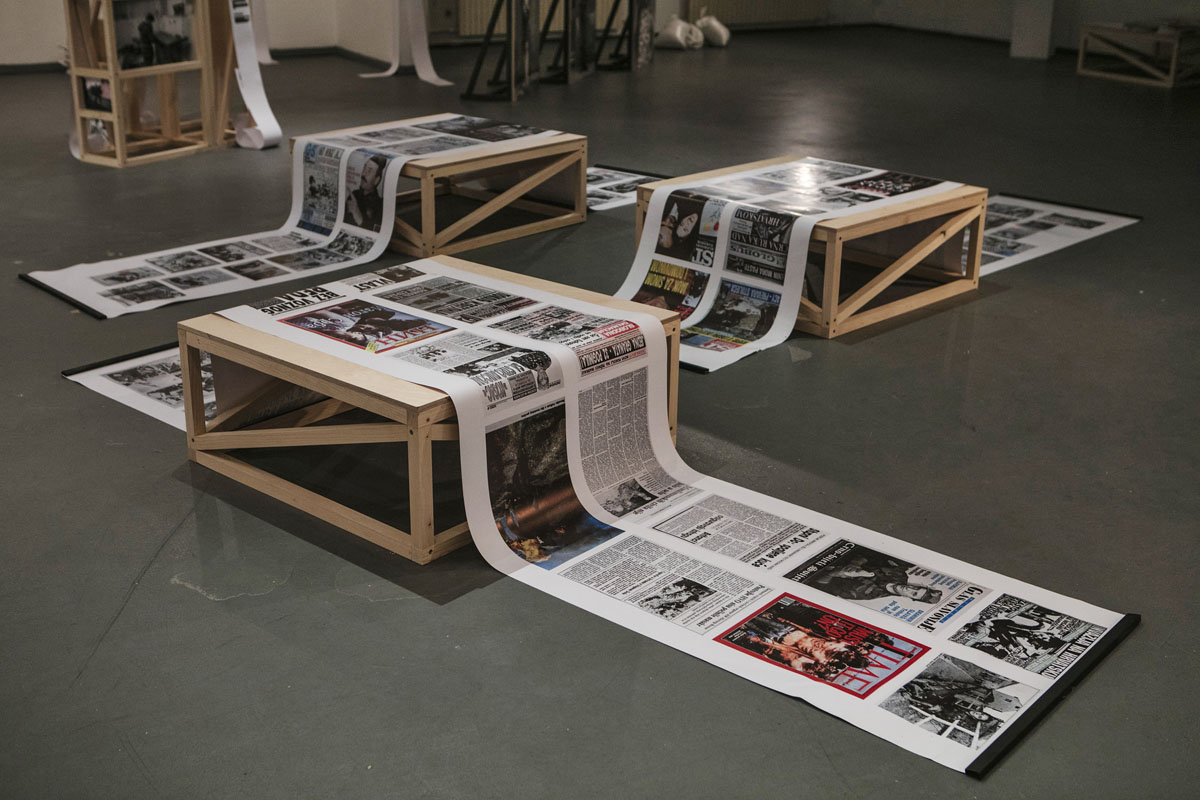
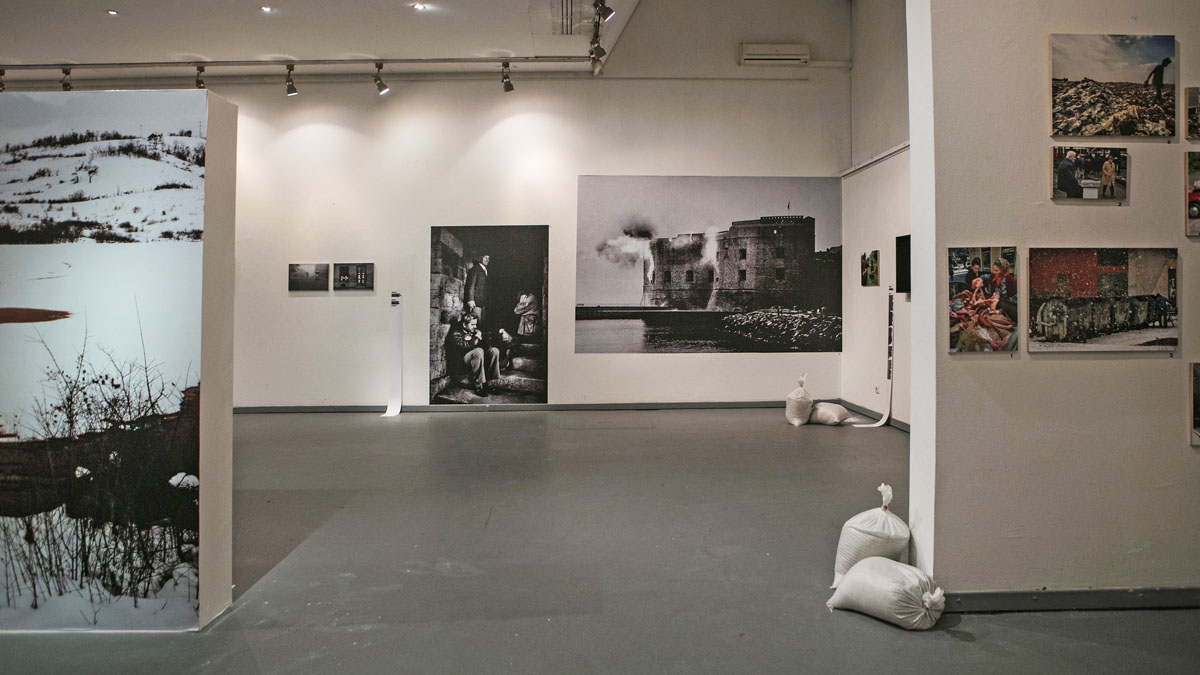
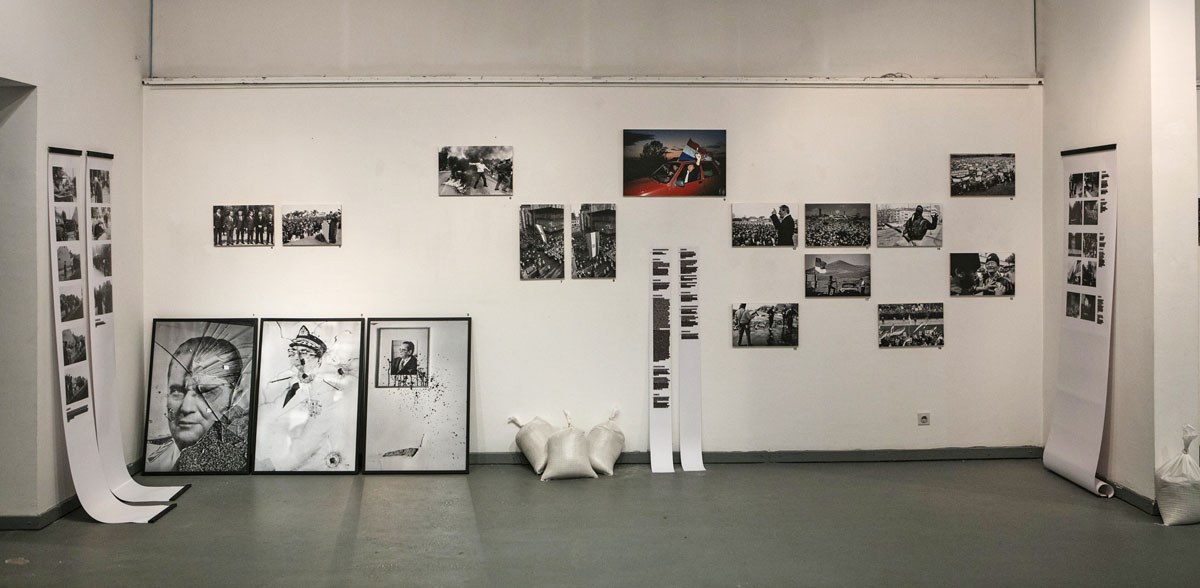
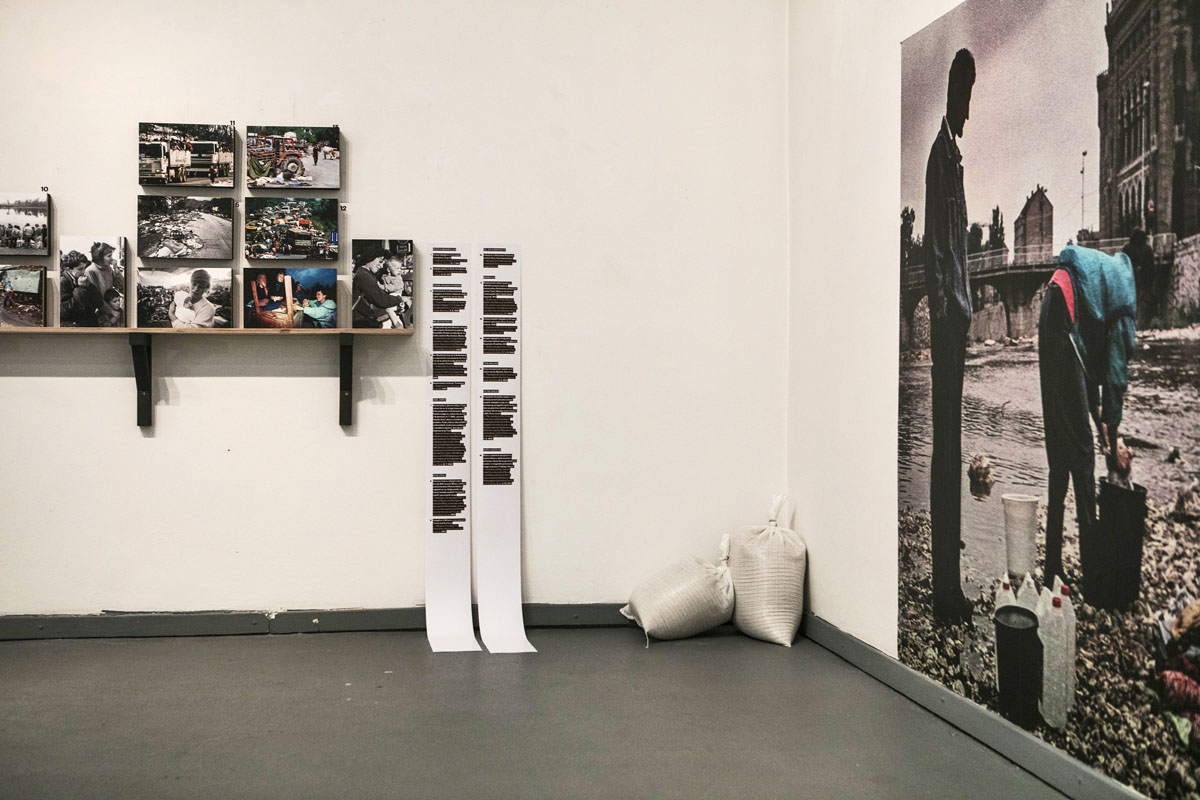
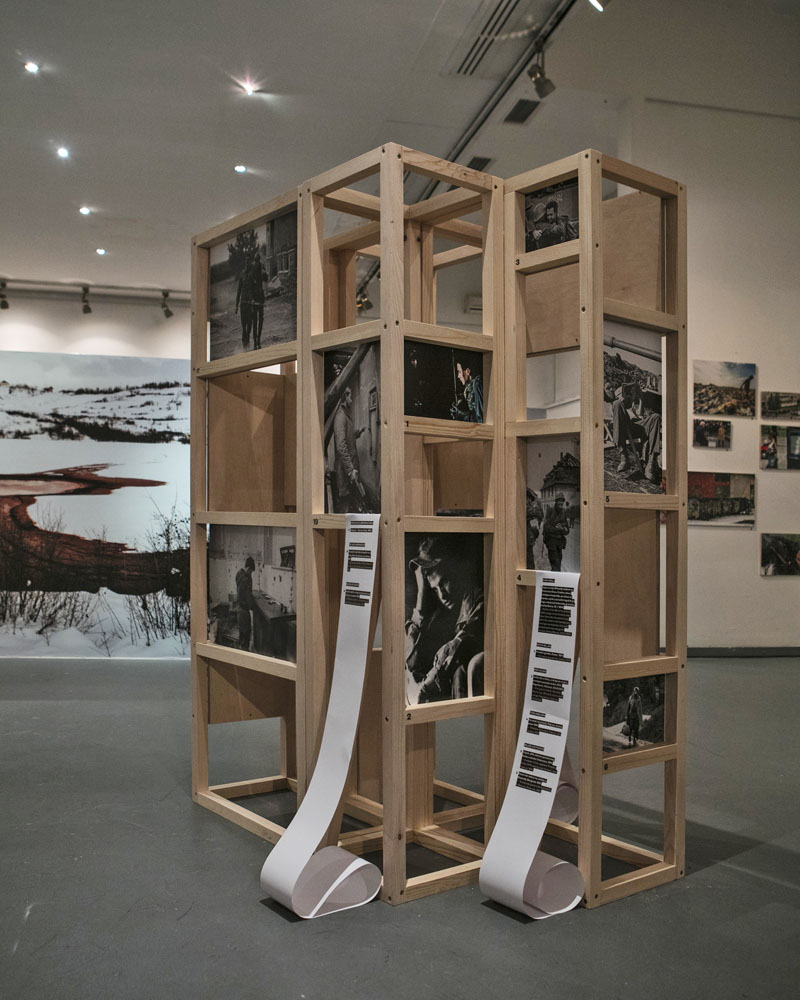
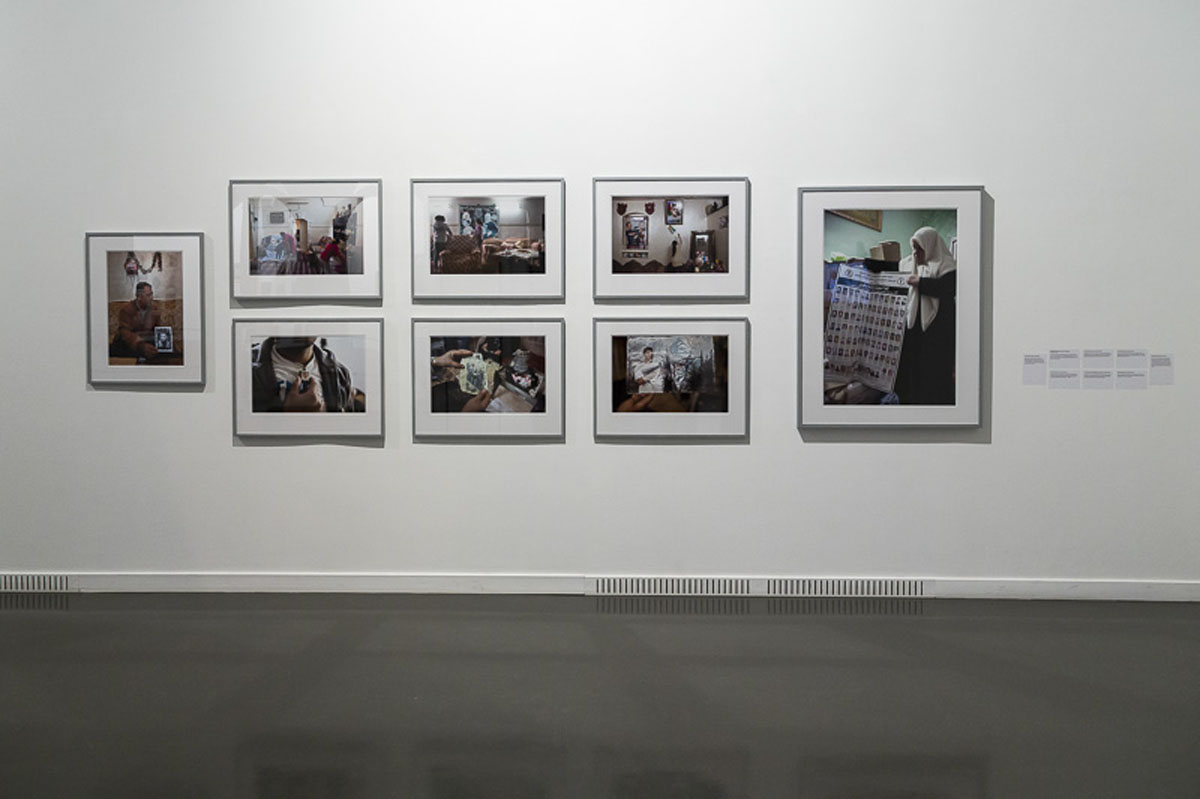
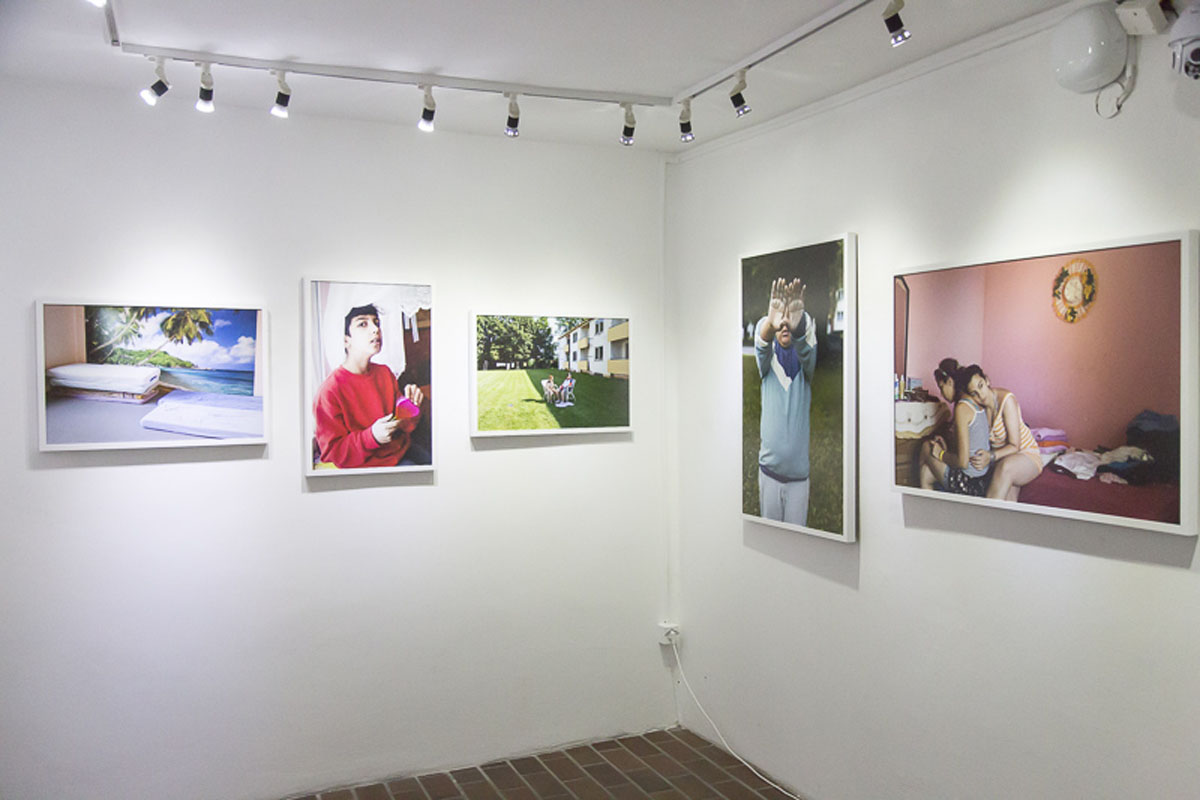
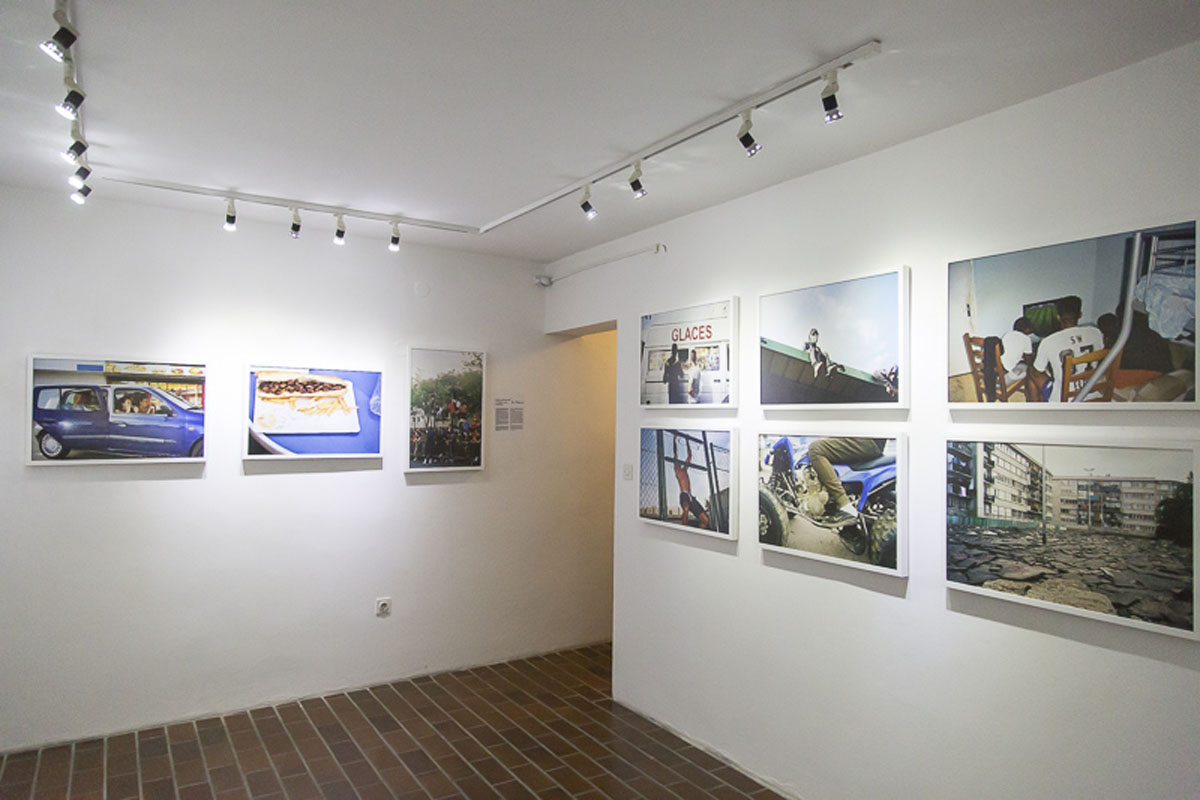
Photos of the activity