Forma Viva
When Sculptures Come to Life – Stop Motion Animation
 Finanțat de Uniunea Europeană. Punctele de vedere și opiniile exprimate aparțin, însă, exclusiv autorului (autorilor) și nu reflectă neapărat punctele de vedere și opiniile Uniunii Europene sau ale Agenției Executive Europene pentru Educație și Cultură (EACEA). Nici Uniunea Europeană și nici EACEA nu pot fi considerate răspunzătoare pentru acestea. |
 Toate conținuturile, în special textele, imaginile și grafica, sunt protejate de drepturi de autor. Cu excepția cazului în care se specifică altfel, drepturile de autor sunt deținute de media.eduskills.plus și sunt licențiate în conformitate cu Creative Commons Attribution - Necomercial - Distribuție în aceleași condiții 4.0 Licență internațională. Acestea pot fi utilizate în condițiile licenței. |
2026 media.eduskills.plus
Rezultatele învățării
Competențe
|
|
|
Grupul țintă 5 an și peste5 ani și mai în vârstă
|
|
Materiale necesare
|
Descrierea activității (pas cu pas)
Pregătire:
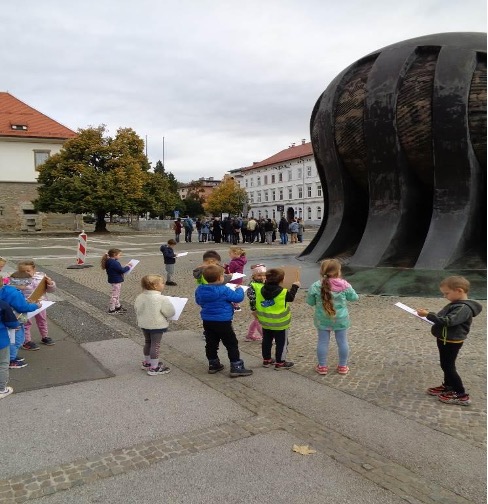
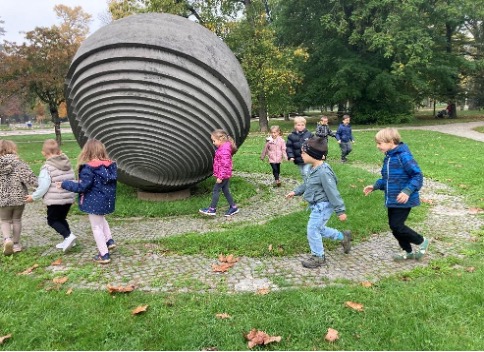
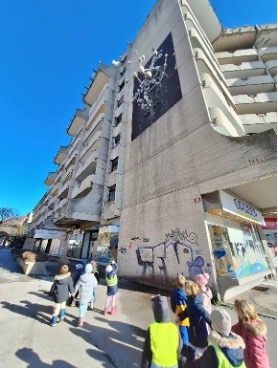
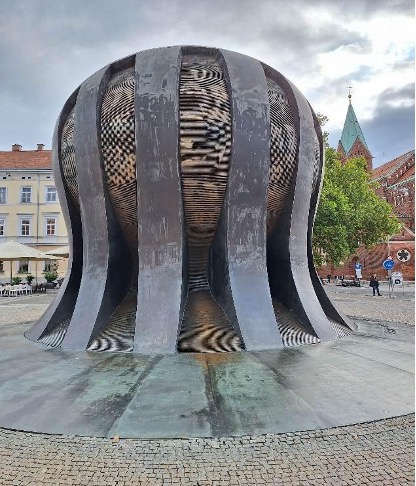
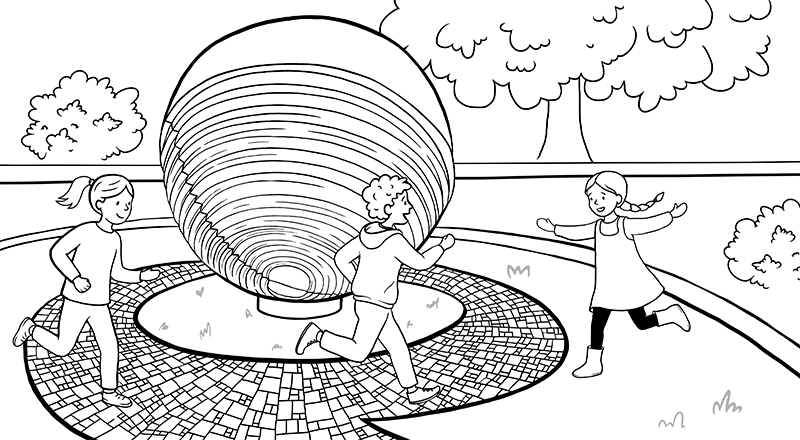
Children become familiar with the Forma Viva sculptures in their local area. Some sculptures are observed in person, others through photographs. Children share their opinions about the sculptures they see. The teacher presents the artists' messages with the help of literature.
Implementare:
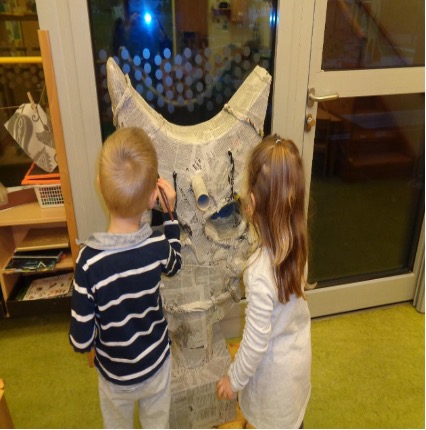
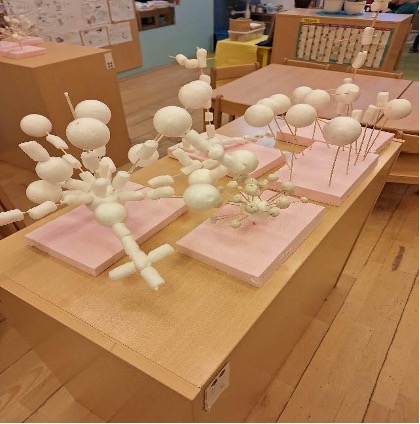
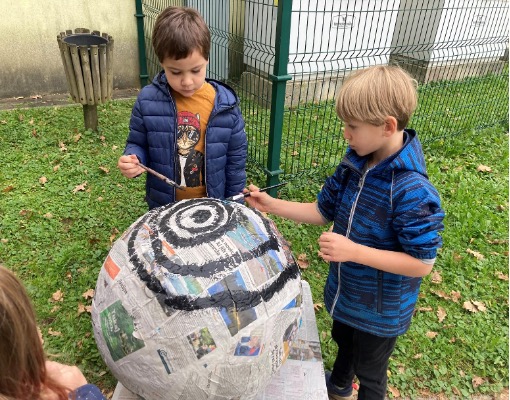
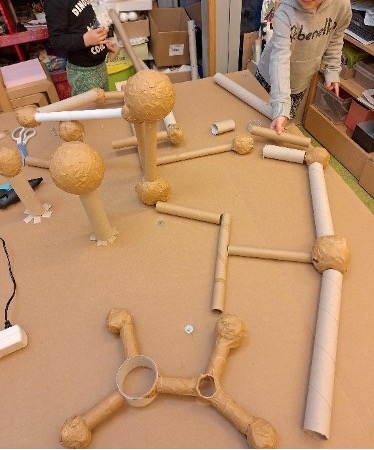
The teacher offers photographs of sculptures, various art materials, and wooden building elements for recreating the sculptures. Children observe a sculpture in the photograph and try to recreate its shape. They photograph their creations.
The teacher challenges the children to explore how their sculptures could come to life. Children suggest ideas for animating the sculptures and demonstrate them using building elements. The teacher introduces stop motion animation, explaining how individual photographs can be combined into movement. Children individually build sculptures and photograph individual stages of construction. Afterwards, they watch the combined photographs as a stop motion animation video.
Reflecţie:
The teacher encourages reflection by asking:
- How did you feel while building?
- What was very difficult for you?
- Which materials did you use?
- Would you change anything?
Variații și idei suplimentare
Children can create or recreate artworks using various recycled materials, natural (unstructured) materials, and construction materials (for example LEGO, Play-Doh).
The activity can also be carried out in pairs or groups.
Informații generale și perspectivă didactică
This activity connects art observation with hands-on creation and basic animation. By recreating sculptures and animating them through photographs, children develop spatial thinking, creativity, and an early understanding of how movement is created in media. Watching their own stop motion animations supports reflection and introduces fundamental concepts of visual storytelling.
Experience from kindergartens
Children were highly motivated to recreate the sculptures. They discovered that some of the sculptures are located near their kindergarten or homes, but they had not noticed them before. They experimented and built using different construction and recycled materials. Occasionally, a child became frustrated when their construction collapsed. Through persistence, mutual support, and many attempts, everyone succeeded in the end.
Fotografiile activității