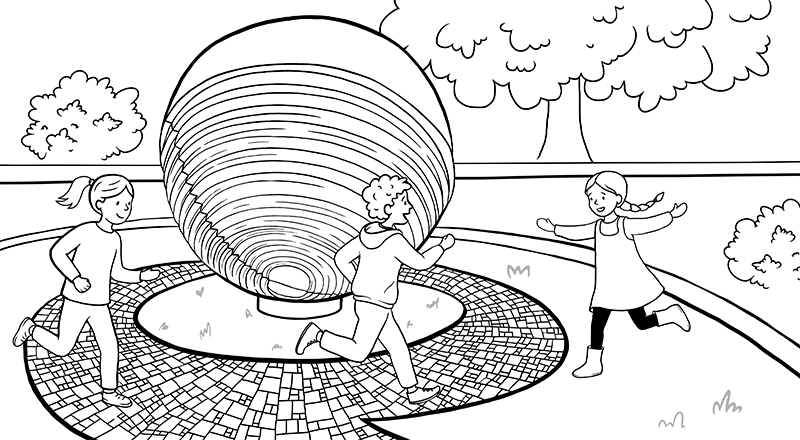
Živi oblik
Kad skulpture ožive – stop-motion animacija
 Financirano sredstvima Europske unije. Izneseni stavovi i mišljenja su stavovi i mišljenja autora i ne moraju se podudarati sa stavovima i mišljenjima Europske unije ili Europske izvršne agencije za obrazovanje i kulturu (EACEA). Ni Europska unija ni EACEA ne mogu se smatrati odgovornima za njih. |
 Svi sadržaji, a posebno tekstovi, slike i grafikoni, su zaštićeni autorskim pravima. Vlasnik autorskih prava, ukoliko nije drugačije označeno, je media.eduskills.plus, a autorsko pravo je definirano licencom Creative Commons Imenovanje-Nekomercijalno-Dijeli pod istim uvjetima 4.0 Međunarodna. Autorska prava mogu biti definirana uvjetima licence. |
2026 media.eduskills.plus
Ishodi učenja
Kompetencije
|
|
|
Ciljna skupina 5 godina i više
|
|
Potrebni materijali
|
Opis aktivnosti (korak po korak)
Priprema:
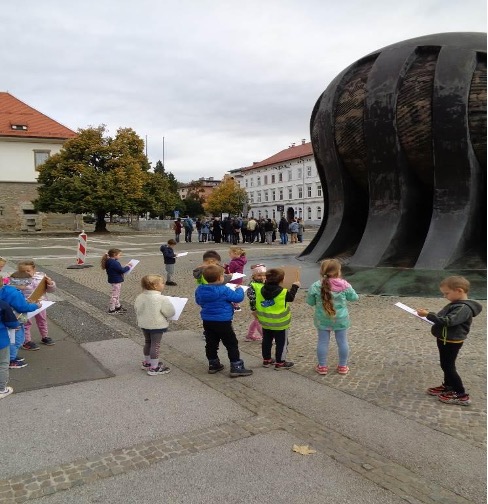
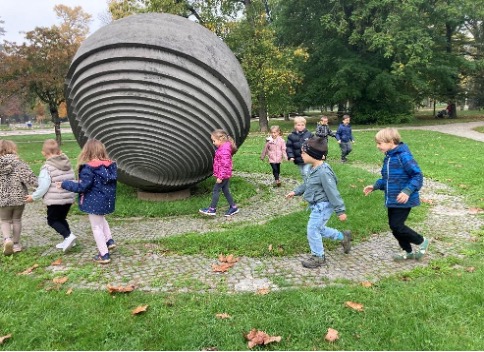
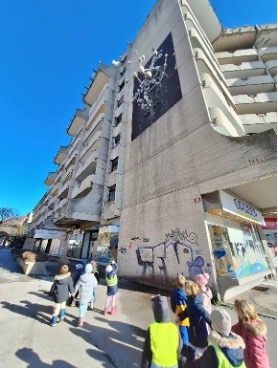
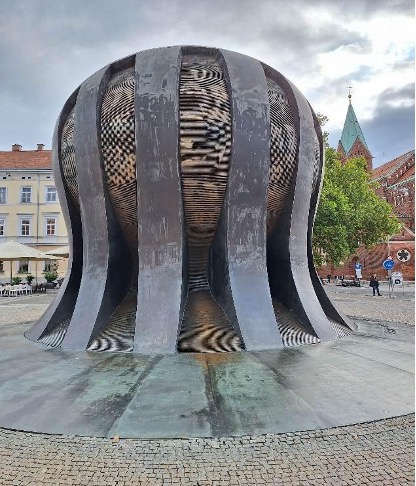
Djeca se upoznaju sa skulpturama Forme Vive u svom lokalnom području. Neke skulpture promatraju uživo, druge putem fotografija. Djeca dijele svoja mišljenja o skulpturama koje vide. Odgojitelj/ica predstavlja poruke umjetnika uz pomoć literature.
Primjena:
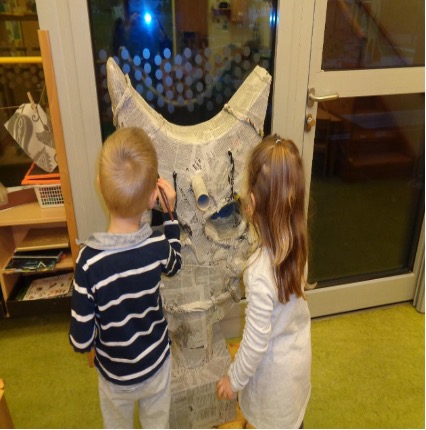
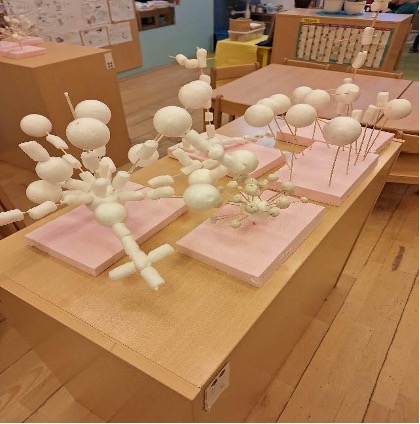
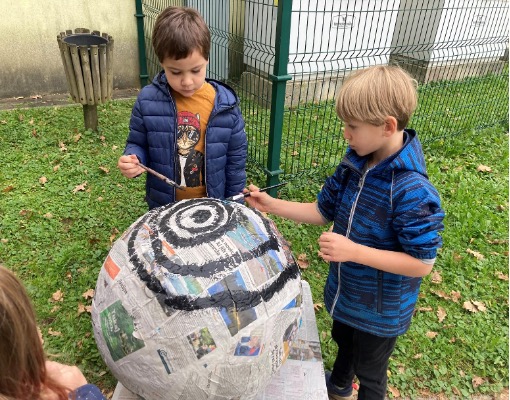
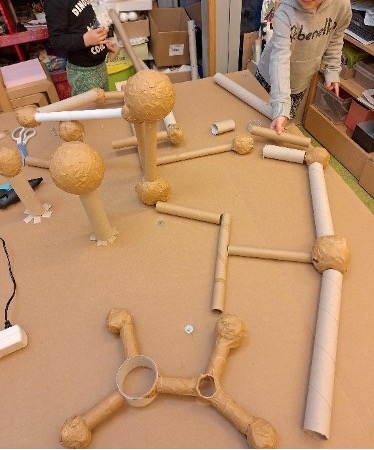
Odgojitelj/ica nudi fotografije skulptura, razne likovne materijale i drvene elemente za građenje kako bi djeca ponovno stvarala skulpture. Djeca promatraju skulpturu na fotografiji i pokušavaju ponovno stvoriti njezin oblik. Fotografiraju svoje kreacije.
Odgojitelj/ica izaziva djecu da istraže kako bi njihove skulpture mogle oživjeti. Djeca predlažu ideje za animiranje skulptura i demonstriraju ih koristeći građevinske elemente. Odgojitelj/ica uvodi stop-motion animaciju, objašnjavajući kako se pojedinačne fotografije mogu kombinirati u pokret. Djeca pojedinačno grade skulpture i fotografiraju pojedinačne faze izgradnje. Nakon toga gledaju kombinirane fotografije kao stop-motion animirani video.
Refleksija:
Odgojitelj/ica potiče djecu na razmišljanje pitanjima:
- Kako ste se osjećali dok ste gradili?
- Što vam je bilo jako teško?
- Koje ste materijale koristili?
- Biste li išta promijenili?
Varijacije i dodatne ideje
Djeca mogu stvarati ili ponovno stvarati umjetnička djela koristeći razne reciklirane materijale, prirodne (nestrukturirane) materijale i građevinske materijale (na primjer LEGO, Play-Doh).
Aktivnost se može provoditi i u parovima ili grupama.
Osnovne informacije i didaktička perspektiva
Ova aktivnost povezuje promatranje umjetnosti s praktičnim stvaranjem i osnovnom animacijom. Rekreiranjem skulptura i njihovim animiranjem putem fotografija, djeca razvijaju prostorno razmišljanje, kreativnost i rano razumijevanje kako se pokret stvara u medijima. Gledanje vlastitih stop-motion animacija podržava refleksiju i uvodi temeljne koncepte vizualnog pripovijedanja.
Iskustvo iz vrtića
Djeca su bila iznimno motivirana za ponovno stvaranje skulptura. Otkrila su da se neke od skulptura nalaze u blizini njihova vrtića ili domova, a da ih prethodno nisu primijetila. Eksperimentirala su i gradila koristeći različite materijale za gradnju i reciklirane materijale. Ponekad bi se dijete frustriralo kada bi se njegova konstrukcija urušila. Zahvaljujući ustrajnosti, međusobnoj podršci i brojnim pokušajima, na kraju su svi uspjeli.
Fotografije aktivnosti