Forma Viva
When Sculptures Come to Life – Stop Motion Animation
 Rahastatud Euroopa Liidu poolt. Avaldatud seisukohad ja arvamused on ainult autori(te) omad ega pruugi kajastada Euroopa Liidu või Euroopa Hariduse ja Kultuuri Rakendusameti (EACEA) seisukohti ja arvamusi. Euroopa Liit ega EACEA nende eest ei vastuta. |
 Kogu sisu, eelkõige tekstid, pildid ja graafika, on kaitstud autoriõigusega. Kui ei ole sõnaselgelt teisiti märgitud, kuuluvad autoriõigused media.eduskills.plus ja on litsentseeritud Litsents: "Creative Commons Autorile viitamine – mittekaubanduslik - jagamine samadel tingimustel 4.0 Rahvusvaheline". Nende suhtes võivad kehtida litsentsitingimused. |
2026 media.eduskills.plus
Õpitulemused
tulemused
|
|
|
Sihtgrupp 5 aastat ja rohkem
|
|
Nõutavad materjalid
|
Tegevuse kirjeldus (samm-sammult)
Ettevalmistus:
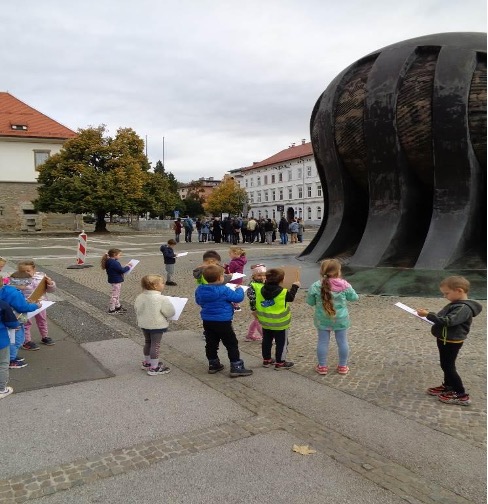
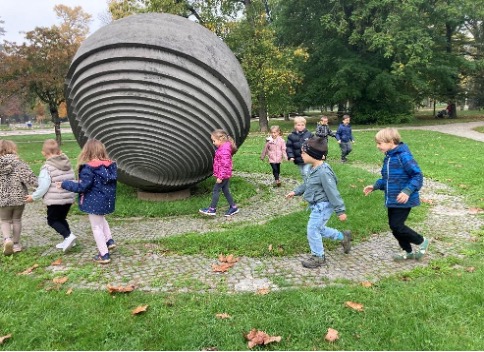
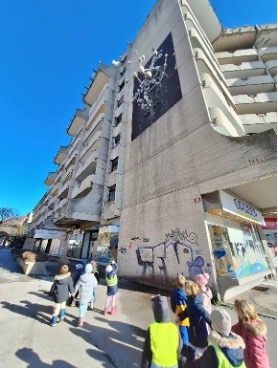
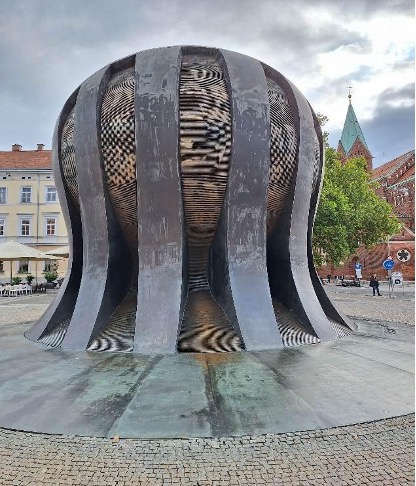
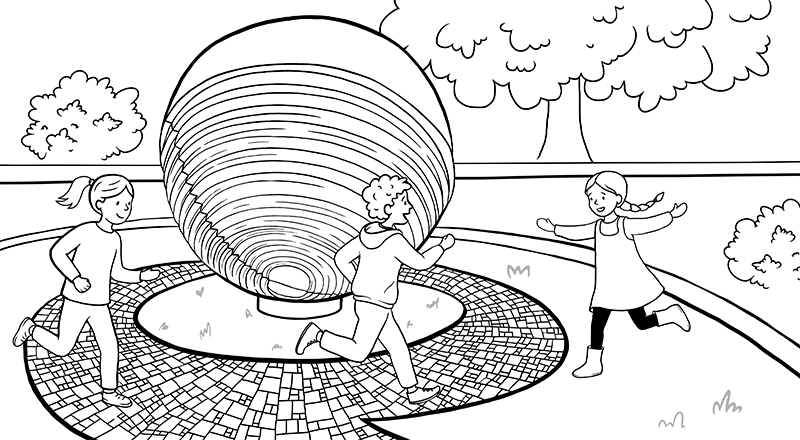
Children become familiar with the Forma Viva sculptures in their local area. Some sculptures are observed in person, others through photographs. Children share their opinions about the sculptures they see. The teacher presents the artists' messages with the help of literature.
Tegevuse läbiviimine:
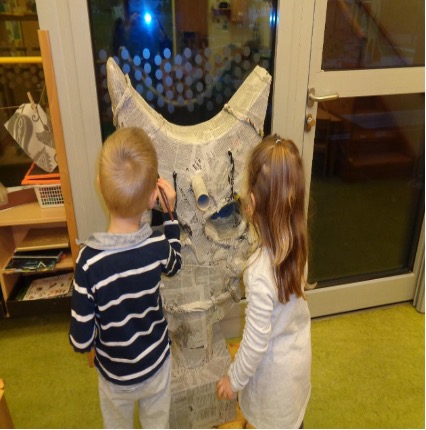
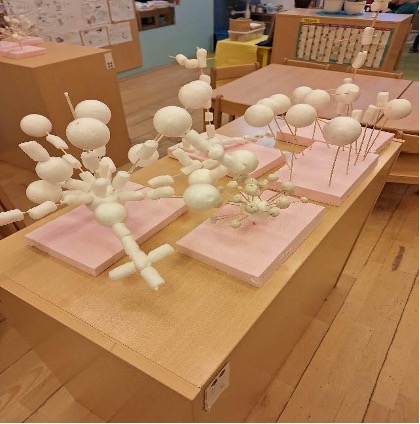
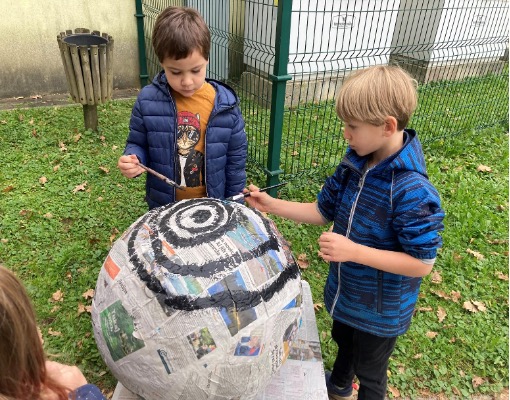
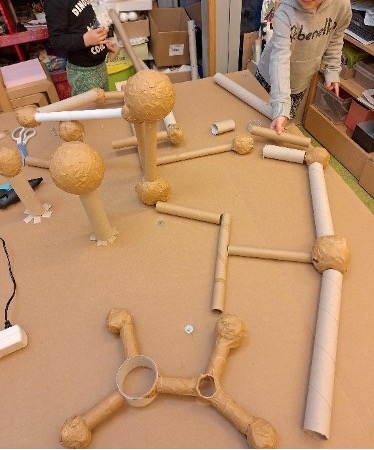
The teacher offers photographs of sculptures, various art materials, and wooden building elements for recreating the sculptures. Children observe a sculpture in the photograph and try to recreate its shape. They photograph their creations.
The teacher challenges the children to explore how their sculptures could come to life. Children suggest ideas for animating the sculptures and demonstrate them using building elements. The teacher introduces stop motion animation, explaining how individual photographs can be combined into movement. Children individually build sculptures and photograph individual stages of construction. Afterwards, they watch the combined photographs as a stop motion animation video.
Refleksioon
The teacher encourages reflection by asking:
- How did you feel while building?
- What was very difficult for you?
- Which materials did you use?
- Would you change anything?
Variatsioonid ja lisaideed
Children can create or recreate artworks using various recycled materials, natural (unstructured) materials, and construction materials (for example LEGO, Play-Doh).
The activity can also be carried out in pairs or groups.
Taustteave ja didaktiline perspektiiv
This activity connects art observation with hands-on creation and basic animation. By recreating sculptures and animating them through photographs, children develop spatial thinking, creativity, and an early understanding of how movement is created in media. Watching their own stop motion animations supports reflection and introduces fundamental concepts of visual storytelling.
lasteaedade kogemused
Children were highly motivated to recreate the sculptures. They discovered that some of the sculptures are located near their kindergarten or homes, but they had not noticed them before. They experimented and built using different construction and recycled materials. Occasionally, a child became frustrated when their construction collapsed. Through persistence, mutual support, and many attempts, everyone succeeded in the end.
Tegevuste pildid