Emotion Cards with Media Faces
Recognizing and Expressing Emotions Through Media Images
 Finanțat de Uniunea Europeană. Punctele de vedere și opiniile exprimate aparțin, însă, exclusiv autorului (autorilor) și nu reflectă neapărat punctele de vedere și opiniile Uniunii Europene sau ale Agenției Executive Europene pentru Educație și Cultură (EACEA). Nici Uniunea Europeană și nici EACEA nu pot fi considerate răspunzătoare pentru acestea. |
 Toate conținuturile, în special textele, imaginile și grafica, sunt protejate de drepturi de autor. Cu excepția cazului în care se specifică altfel, drepturile de autor sunt deținute de media.eduskills.plus și sunt licențiate în conformitate cu Creative Commons Attribution - Necomercial - Distribuție în aceleași condiții 4.0 Licență internațională. Acestea pot fi utilizate în condițiile licenței. |
2026 media.eduskills.plus
Rezultatele învățării
Competențe
|
|
|
Grupul țintă 3 an și peste3 ani și mai în vârstă
|
|
Materiale necesare
|
Descrierea activității (pas cu pas)
Pregătire:
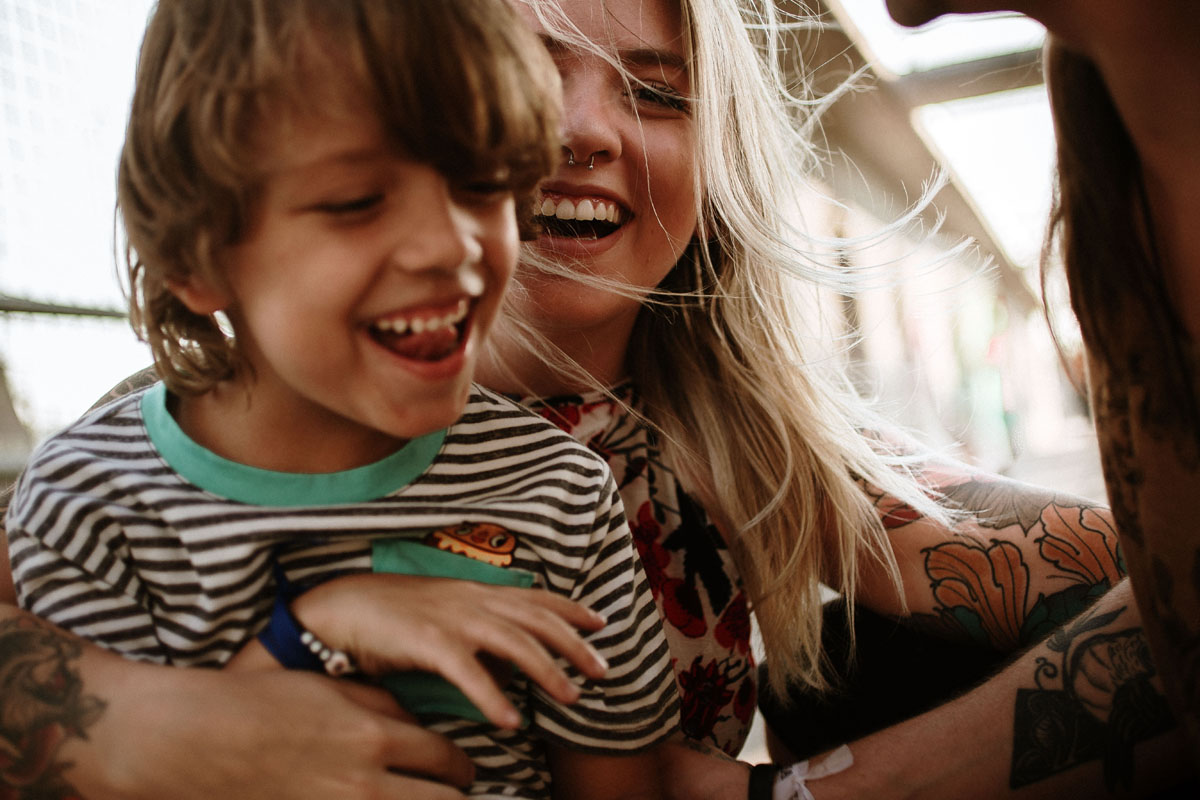
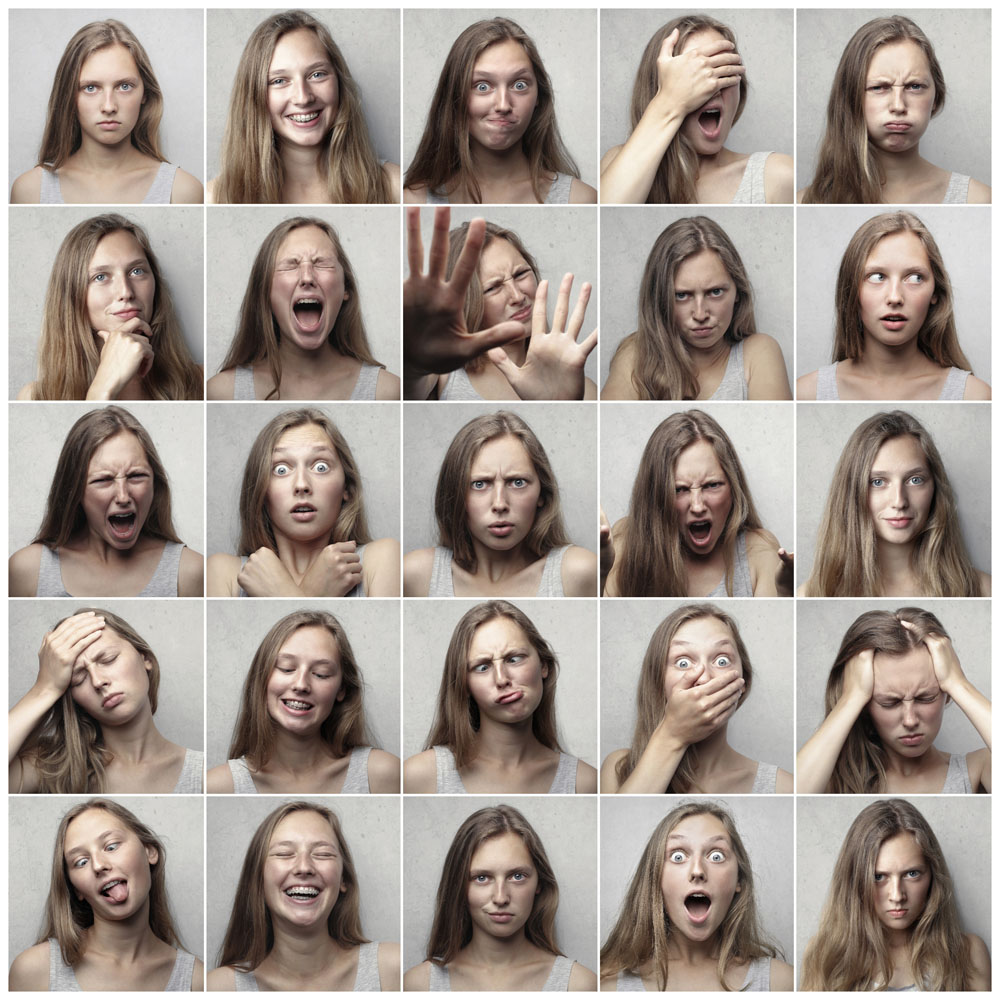
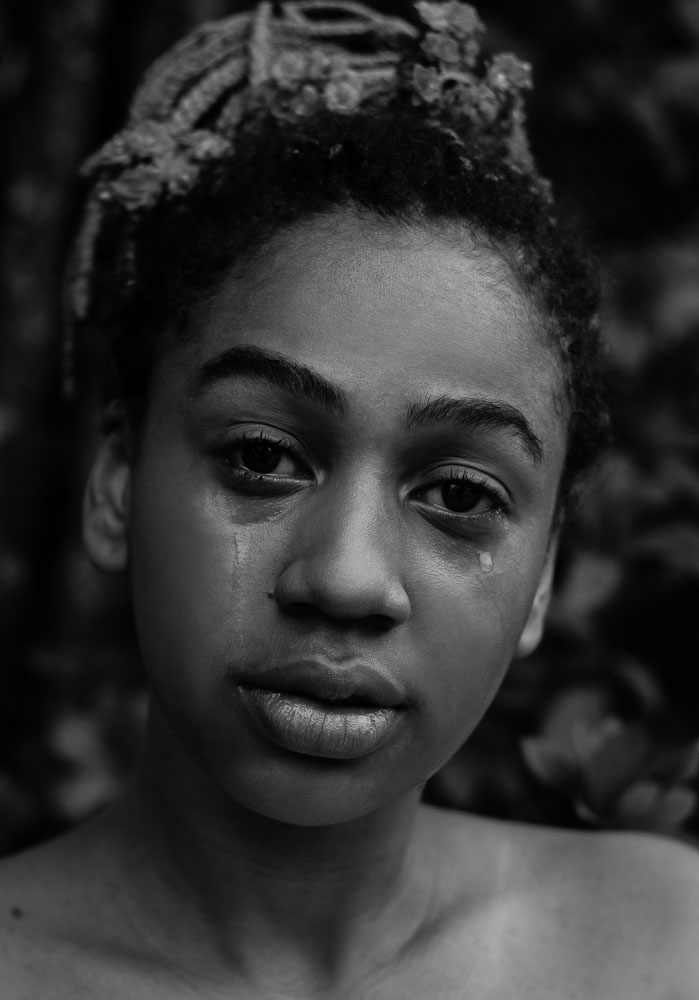
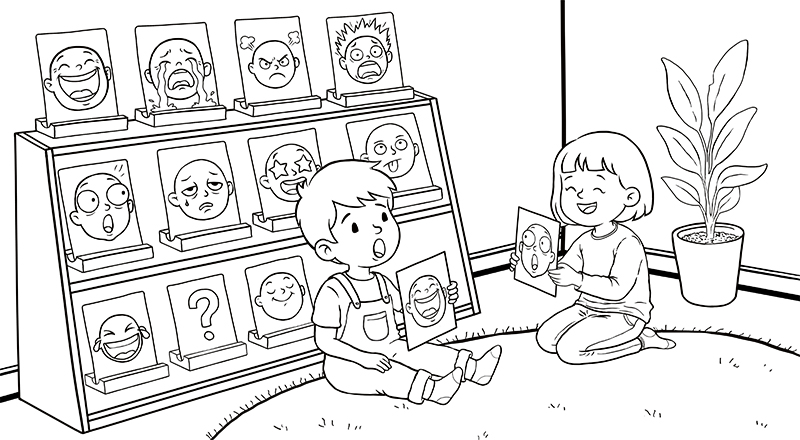
Gather the children and show pictures of faces from media (cartoons, photos, emojis).
Implementare:
Ask: "How do they feel?" and "How can you tell?" (eyes, mouth, eyebrows).
Encourage children to imitate the expressions and name the emotions.
Discuss how we can recognise feelings in people and characters.
Invite children to draw or model their own "emotion faces" using paper or clay.
Share and talk about the creations: "Who is this? How do they feel? Why?"
Variații și idei suplimentare
Continue this activity with Expressive-emotional Photography.
Make a class "Emotion Wall" with the children's artwork.
Play a guessing game: one child shows a face, others guess the emotion.
Use short media clips and pause to discuss how the characters might feel.
Use short news media clips and pause to discuss how they might make the child feel.
Informații generale și perspectivă didactică
Understanding emotions in media supports both media literacy and social-emotional learning (SEL). Recognizing how feelings are shown in images helps children interpret media messages and respond empathetically. By linking visual cues to emotions, children learn that media characters express feelings just as people do, though sometimes in exaggerated ways. Creating their own emotion faces deepens understanding through active expression and play. The activity enhances emotional vocabulary, empathy, and nonverbal communication while encouraging reflection on how media influence our perception of emotions.
Materiale
Fotografiile pot fi descărcate la acest link: https://media.eduskills.plus/activities/emotioncards.
Portrait photographs in various emotional states