Emotion Cards with Media Faces
Recognizing and Expressing Emotions Through Media Images
 Rahastatud Euroopa Liidu poolt. Avaldatud seisukohad ja arvamused on ainult autori(te) omad ega pruugi kajastada Euroopa Liidu või Euroopa Hariduse ja Kultuuri Rakendusameti (EACEA) seisukohti ja arvamusi. Euroopa Liit ega EACEA nende eest ei vastuta. |
 Kogu sisu, eelkõige tekstid, pildid ja graafika, on kaitstud autoriõigusega. Kui ei ole sõnaselgelt teisiti märgitud, kuuluvad autoriõigused media.eduskills.plus ja on litsentseeritud Litsents: "Creative Commons Autorile viitamine – mittekaubanduslik - jagamine samadel tingimustel 4.0 Rahvusvaheline". Nende suhtes võivad kehtida litsentsitingimused. |
2026 media.eduskills.plus
Õpitulemused
tulemused
|
|
|
Sihtgrupp 3 aastat ja rohkem
|
|
Nõutavad materjalid
|
Tegevuse kirjeldus (samm-sammult)
Ettevalmistus:
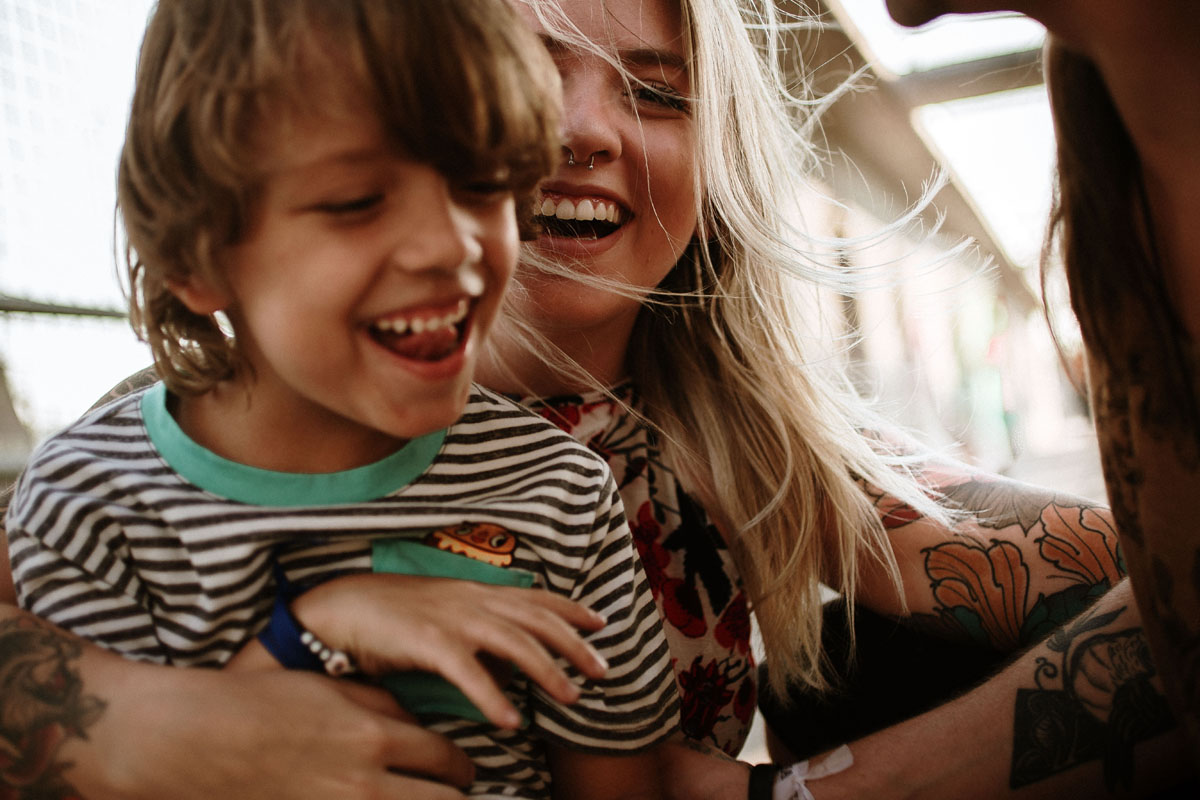
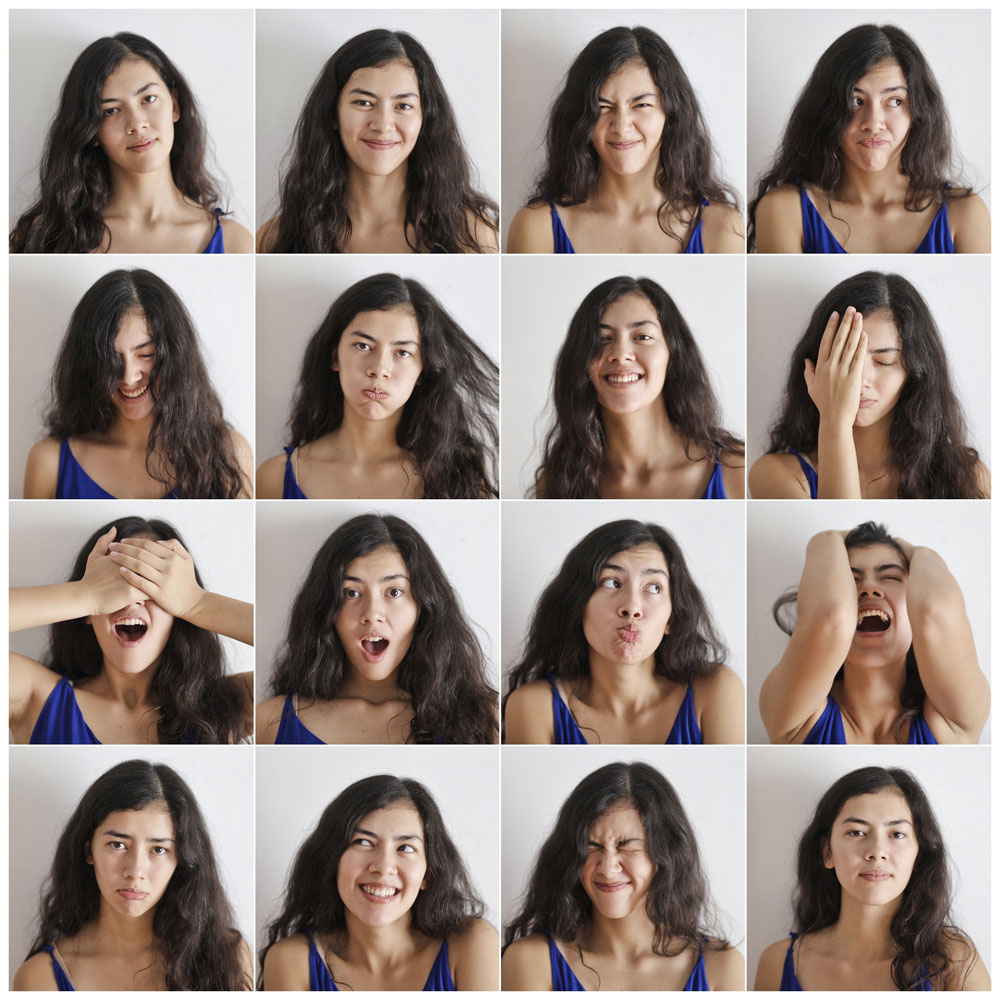
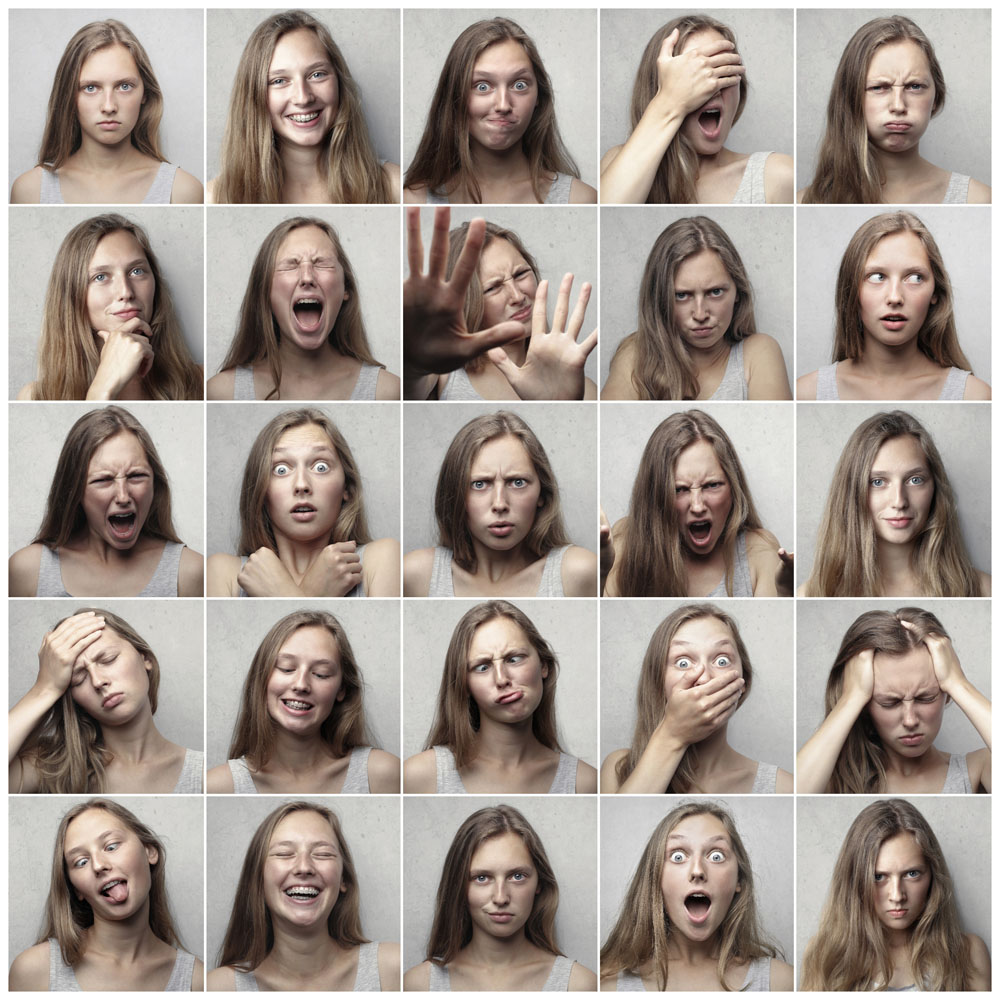
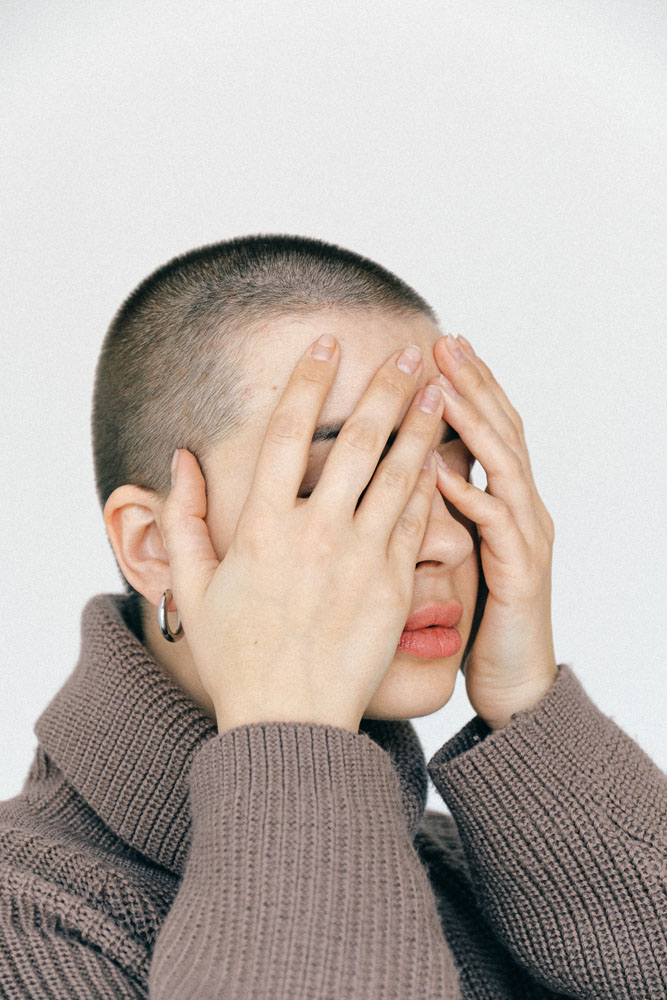
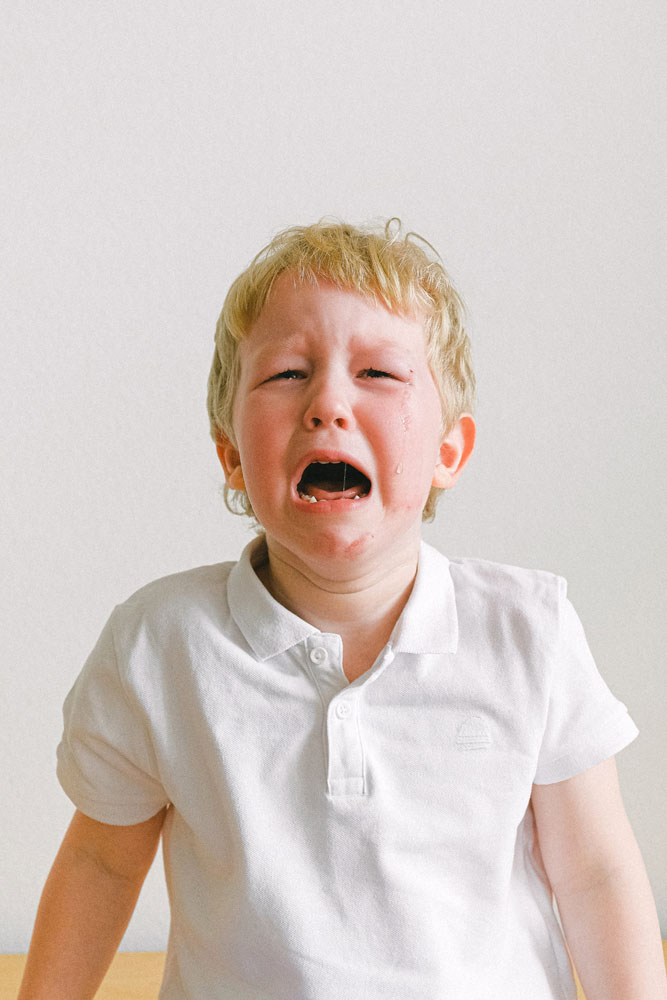
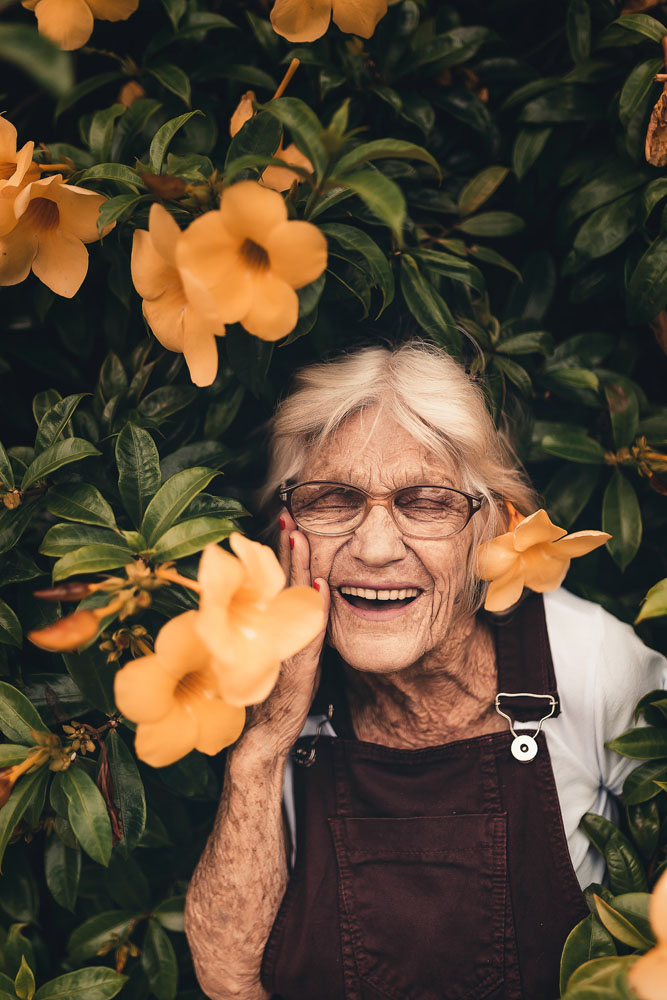
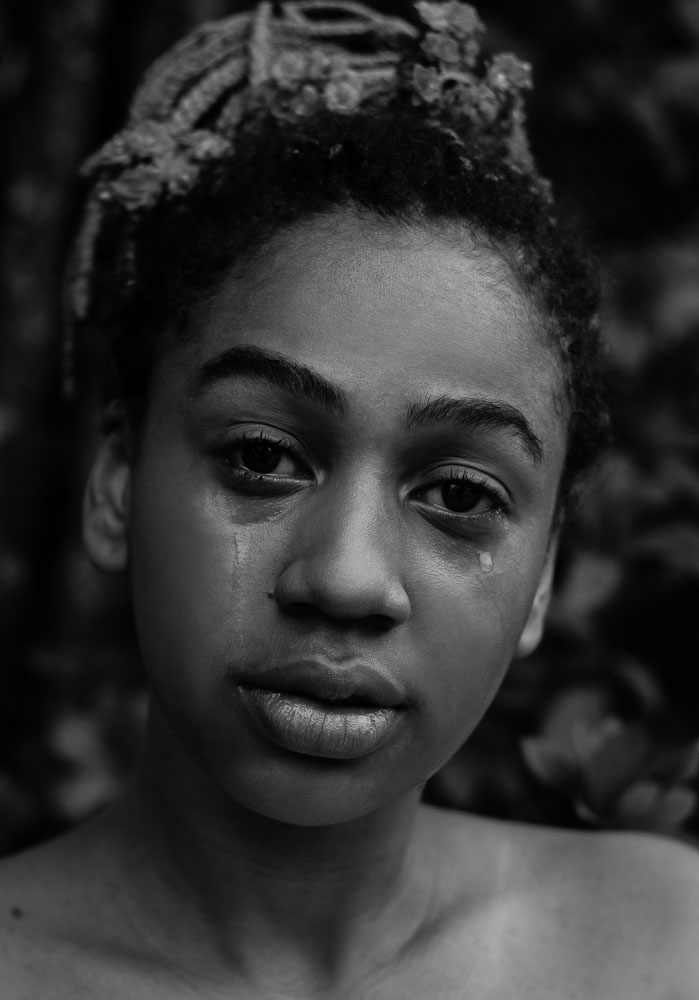
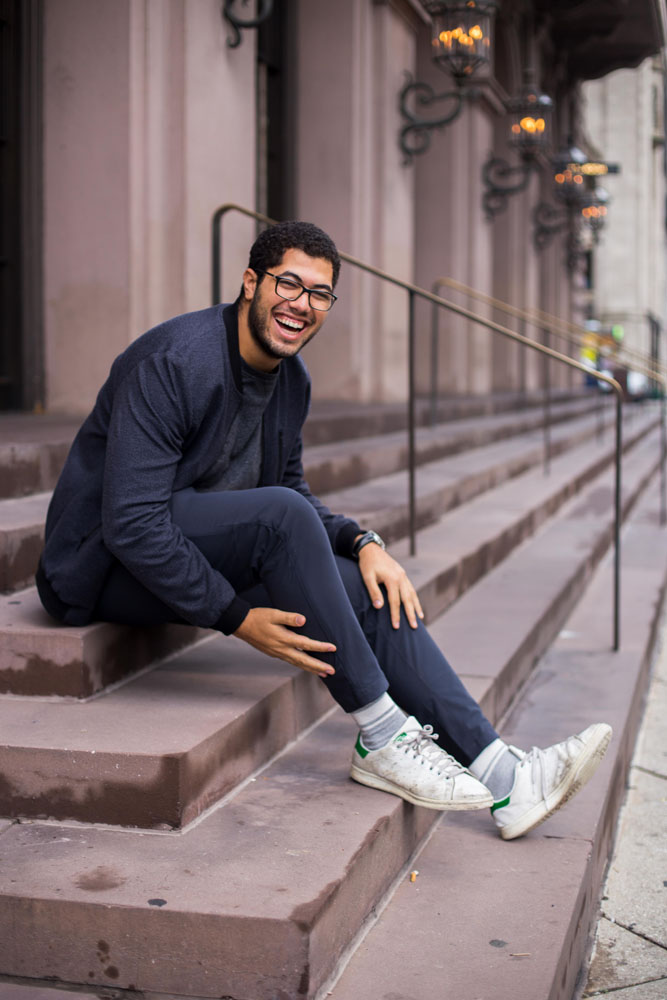
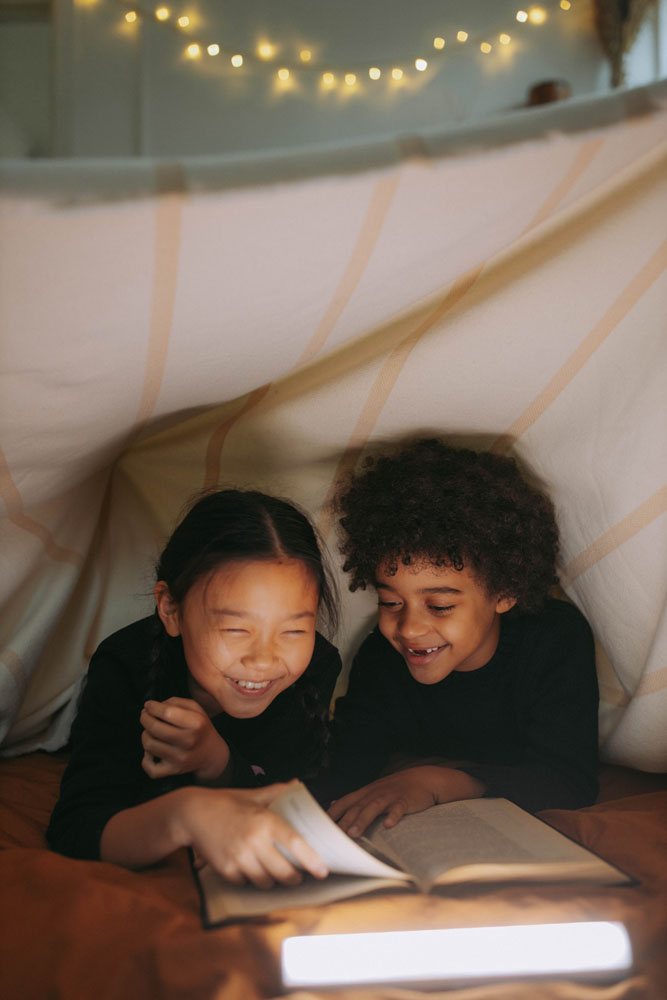
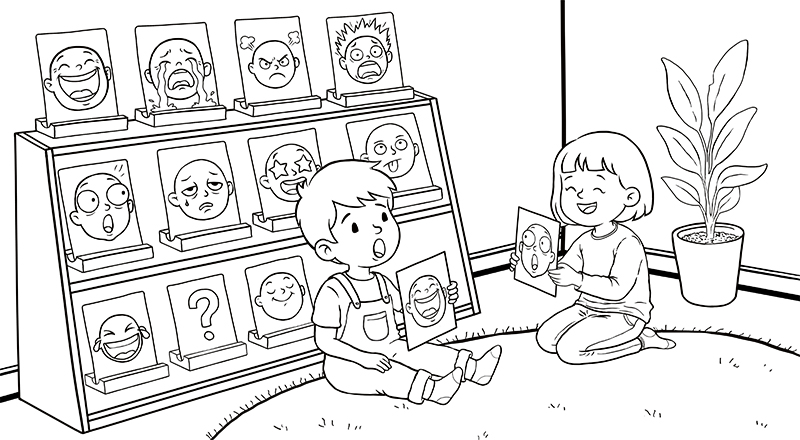
Gather the children and show pictures of faces from media (cartoons, photos, emojis).
Tegevuse läbiviimine:
Ask: "How do they feel?" and "How can you tell?" (eyes, mouth, eyebrows).
Encourage children to imitate the expressions and name the emotions.
Discuss how we can recognise feelings in people and characters.
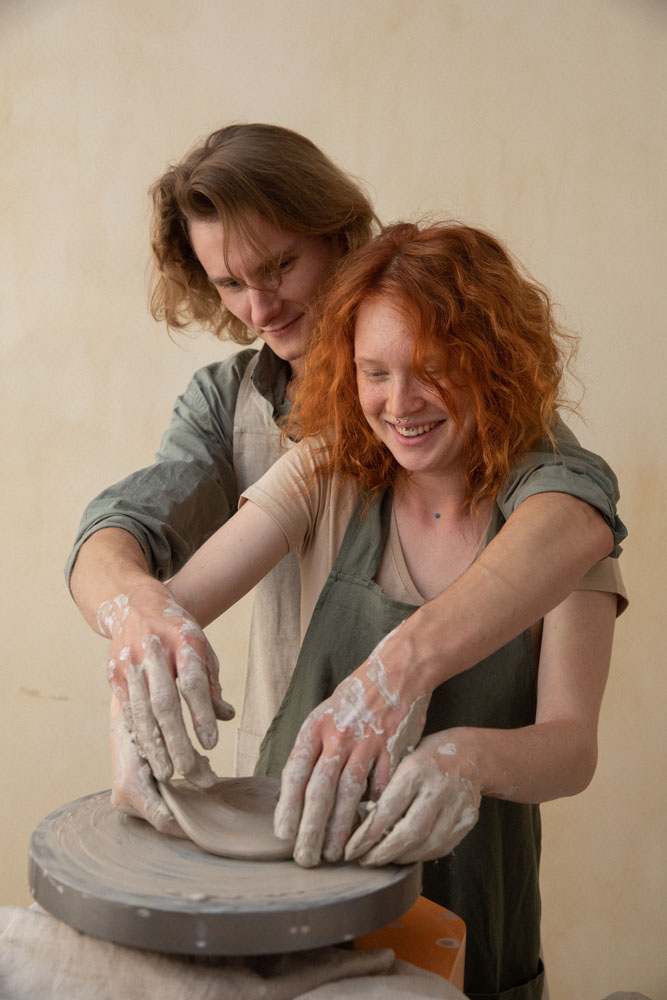
Invite children to draw or model their own "emotion faces" using paper or clay.
Share and talk about the creations: "Who is this? How do they feel? Why?"
Variatsioonid ja lisaideed
Continue this activity with Expressive-emotional Photography.
Make a class "Emotion Wall" with the children's artwork.
Play a guessing game: one child shows a face, others guess the emotion.
Use short media clips and pause to discuss how the characters might feel.
Use short news media clips and pause to discuss how they might make the child feel.
Taustteave ja didaktiline perspektiiv
Understanding emotions in media supports both media literacy and social-emotional learning (SEL). Recognizing how feelings are shown in images helps children interpret media messages and respond empathetically. By linking visual cues to emotions, children learn that media characters express feelings just as people do, though sometimes in exaggerated ways. Creating their own emotion faces deepens understanding through active expression and play. The activity enhances emotional vocabulary, empathy, and nonverbal communication while encouraging reflection on how media influence our perception of emotions.
Materjalid
Pildid on laetatavad
Portrait photographs in various emotional states