Comic Strip
Traffic Stories
 Funded by the European Union. Views and opinions expressed are however those of the author(s) only and do not necessarily reflect those of the European Union or the European Education and Culture Executive Agency (EACEA). Neither the European Union nor EACEA can be held responsible for them. |
 All contents, in particular texts, pictures and graphics, are protected by copyright. Unless expressly stated otherwise, copyright is held by media.eduskills.plus and is licensed under Creative Commons Attribution - Non-commercial - Distribution under the same conditions 4.0 International license. They may be subject to the terms of the license. |
2026 media.eduskills.plus
Learning outcomes
Competencies
|
|
|
Target group 5 years and up
|
|
Required materials
|
Description of the activity (step by step)
Preparation:
The teacher asks the children whether they know what a comic strip is. The teacher explains what a comic strip is and shows different examples of comic strips.
Implementation:
The teacher encourages the children to invent a story that happened to them or to someone else in traffic. The teacher supports them with suggestions, encouraging them to think about breaking traffic rules and about the consequences of such behaviour.
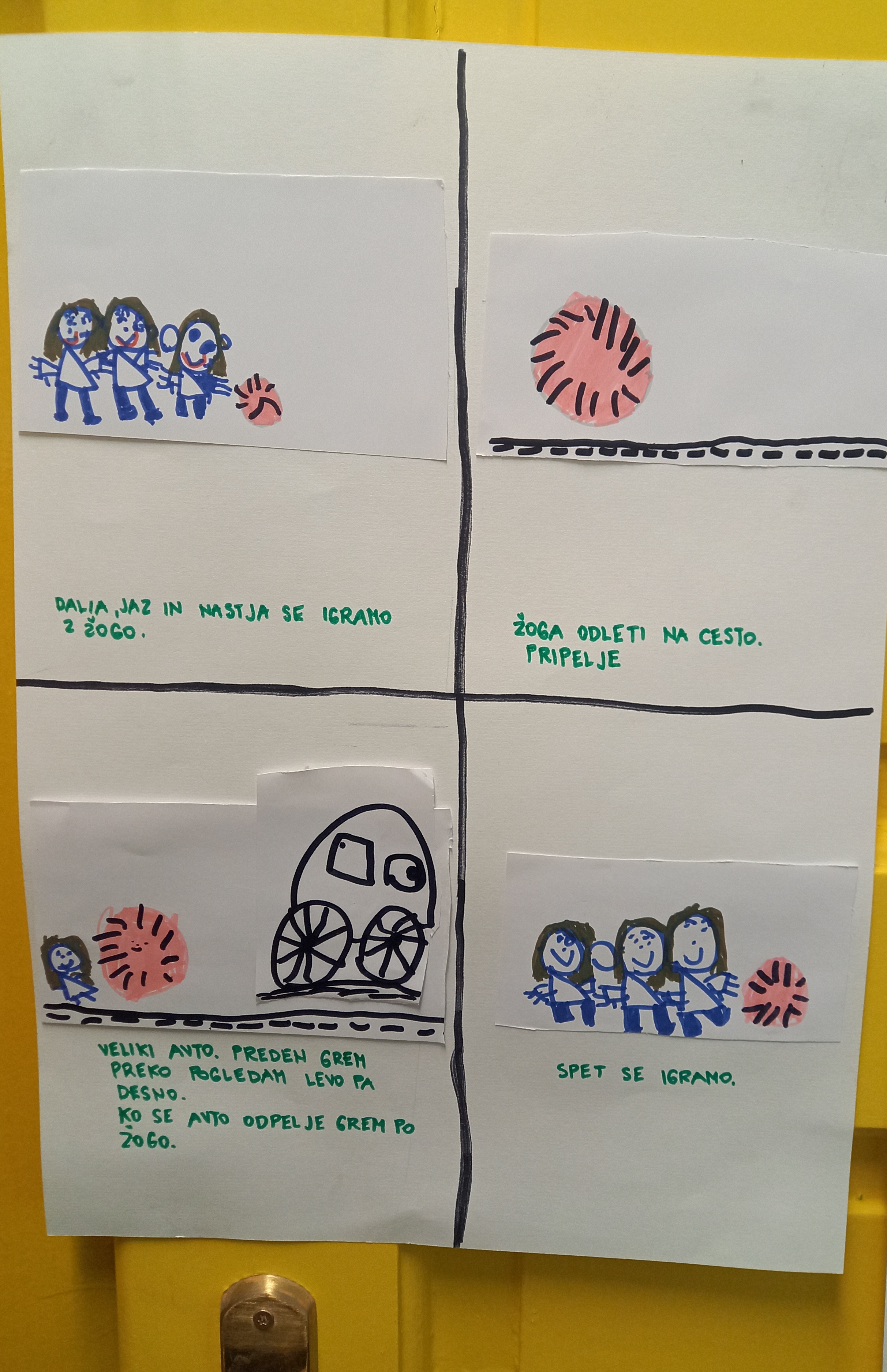
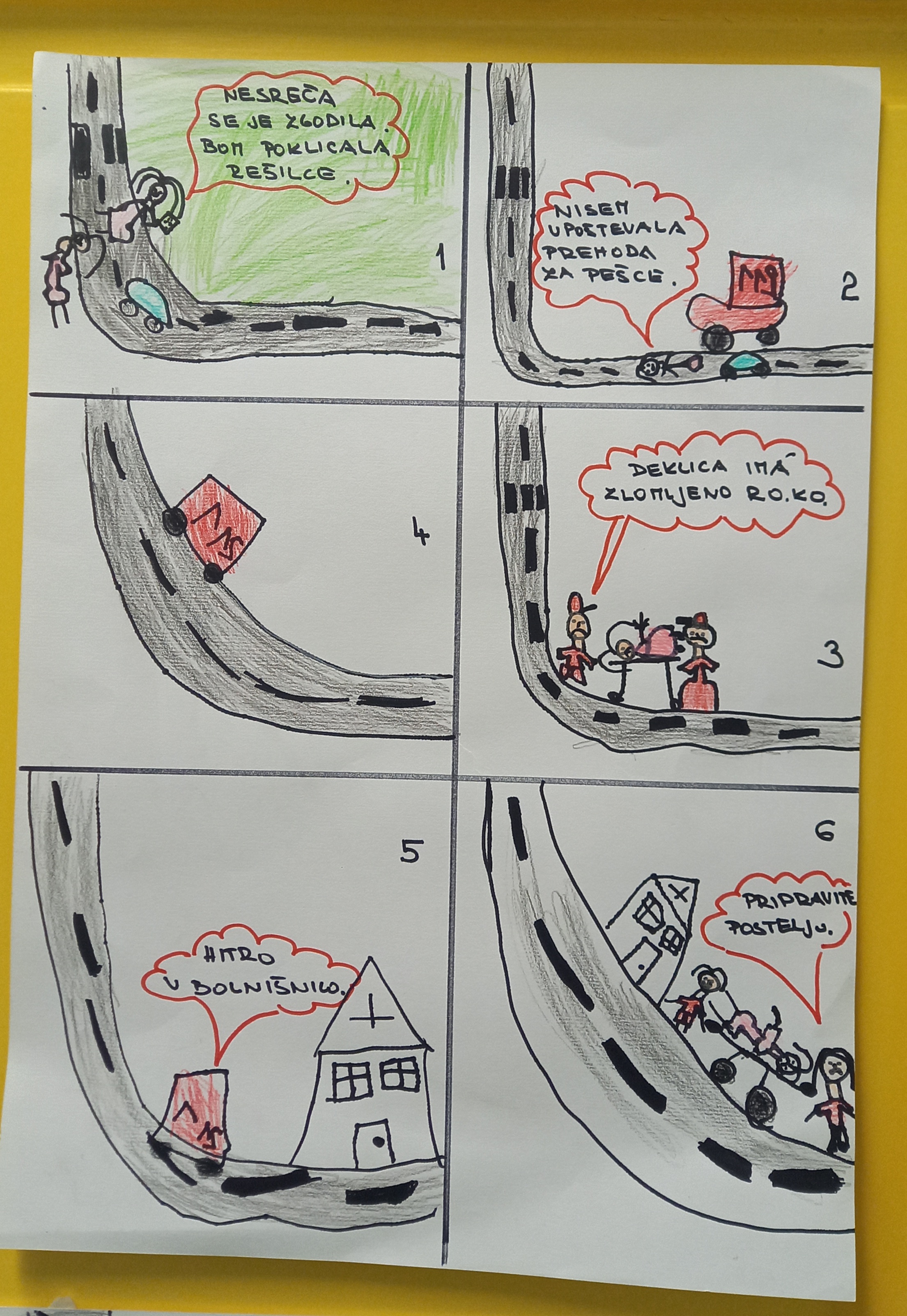
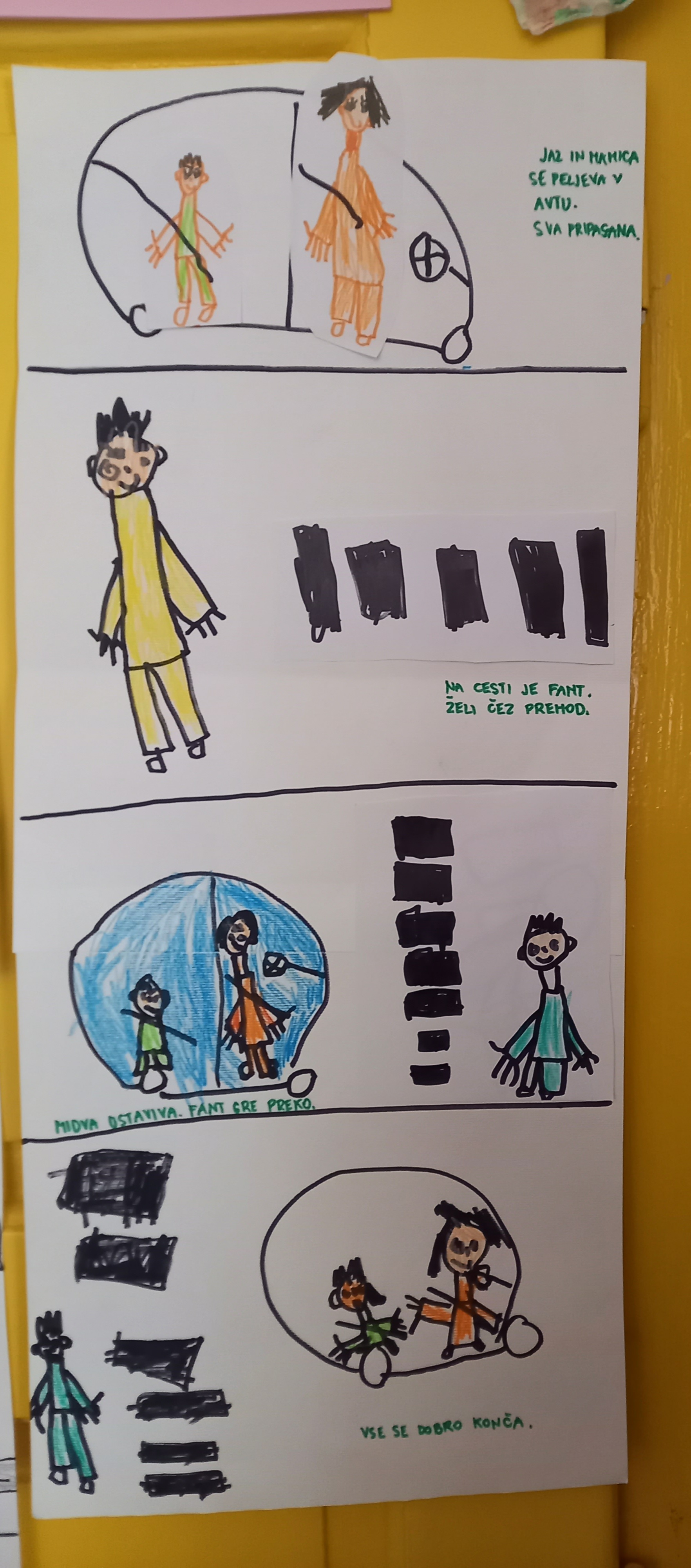
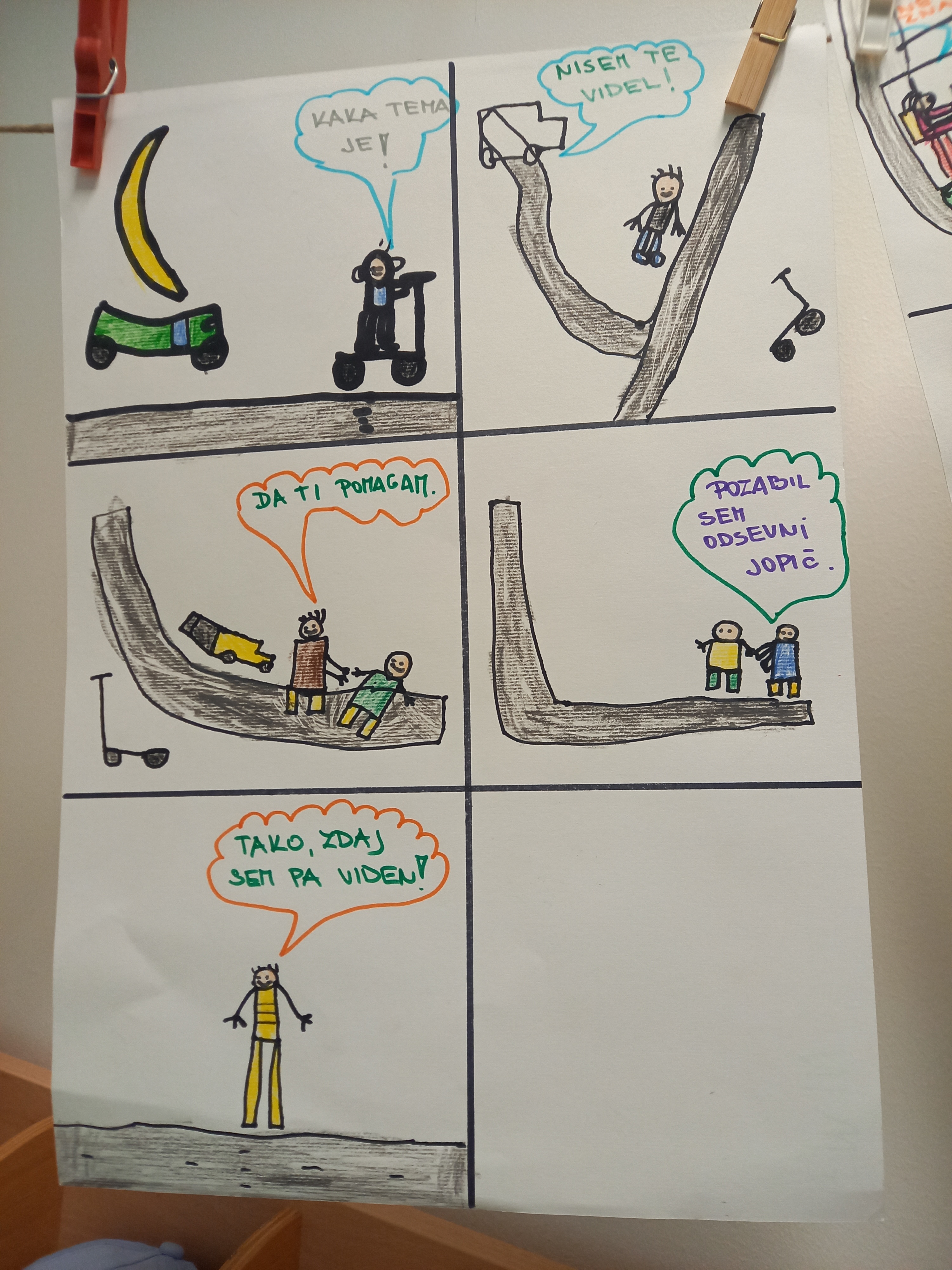
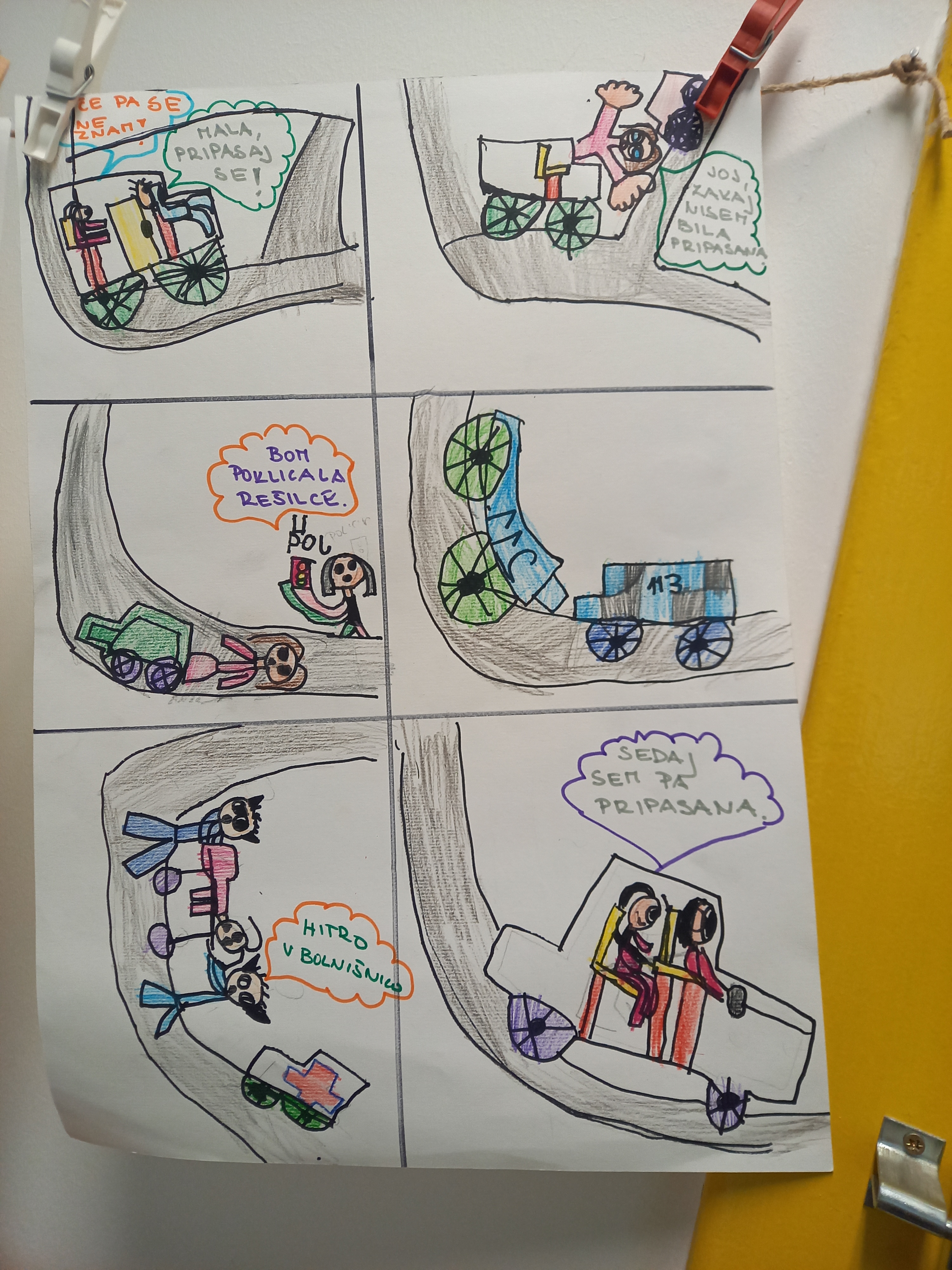
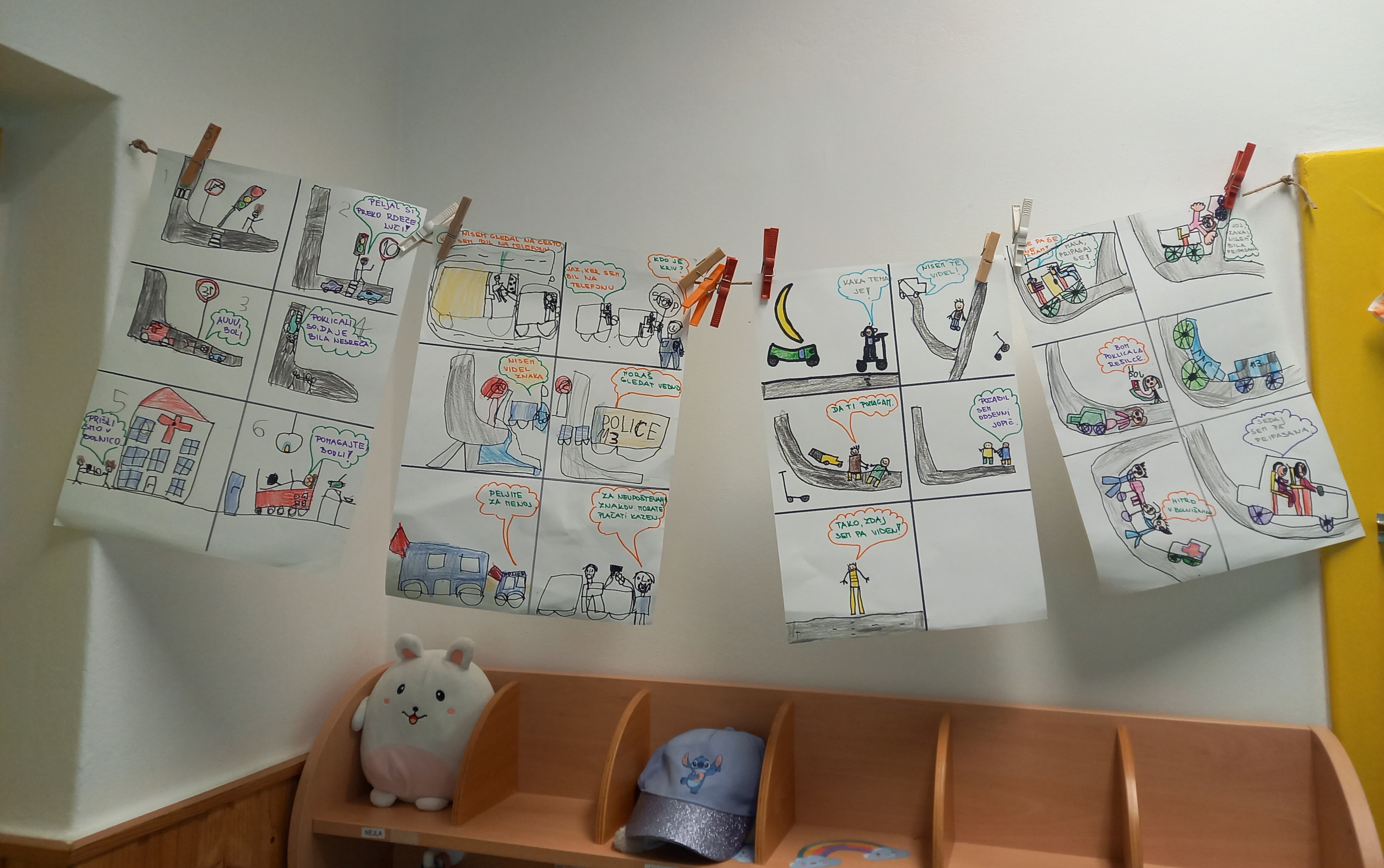
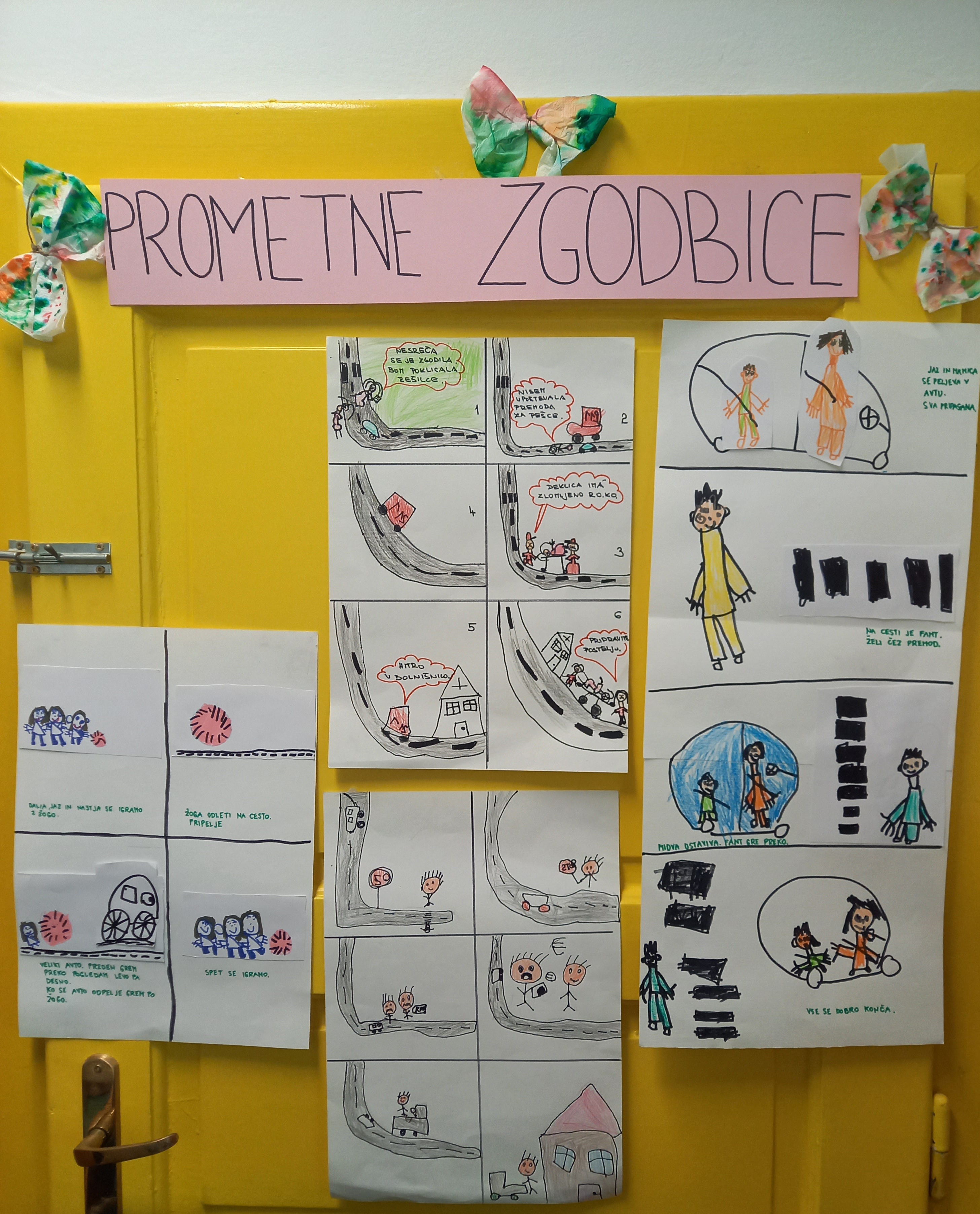
When the children share their stories, the teacher guides them towards illustrating the content. The children focus on the main events of the story and divide them into four or six pictures.
Reflection:
The children present their comic strips and create an exhibition.
Variations and additional ideas
The topic of the comic strip can be chosen freely.
A comic artist could visit the children and present their work, for example comics published in a daily newspaper or online.
Background information and didactical perspective
This activity combines storytelling, visual expression, and early media literacy. By turning real or imagined traffic situations into comic strips, children practise sequencing events, understanding cause and consequence, and expressing ideas through images. Creating and sharing comics supports communication skills and helps children reflect on everyday situations in a creative and accessible way.
Experience from kindergartens
The entire activity lasted several days, as children needed different amounts of time to invent their stories and to illustrate them. Since children are not yet able to write independently, the teacher wrote the text next to the images. The children said that the most difficult part was starting to draw and then drawing similar objects in the same way several times.
Photos of the activity