Comicstrip
Verkehrsgeschichten
 Von der Europäischen Union finanziert. Die geäußerten Ansichten und Meinungen entsprechen jedoch ausschließlich denen des Autors bzw. der Autoren und spiegeln nicht zwingend die der Europäischen Union oder der Europäischen Exekutivagentur für Bildung und Kultur (EACEA) wider. Weder die Europäische Union noch die EACEA können dafür verantwortlich gemacht werden. |
 Alle Inhalte, insbesondere Texte, Bilder und Grafiken sind urheberrechtlich geschützt. Soweit es nicht ausdrücklich anders gekennzeichnet ist, liegen die Urheberrechte bei media.eduskills.plus und stehen unter der Creative Commons Namensnennung -Nicht kommerziell -Keine Bearbeitungen 4.0 International (CC BY-NC-ND 4.0) Lizenz. Sie dürfen im Rahmen der Lizenzbedingungen verwendet werden. |
2026 media.eduskills.plus
Lernergebnisse
Kompetenzen
|
|
|
Zielgruppe 5 Jahre und älter
|
|
Benötigte Materialien
|
Anleitung zur Aktivität (Schritt für Schritt)
Vorbereitung:
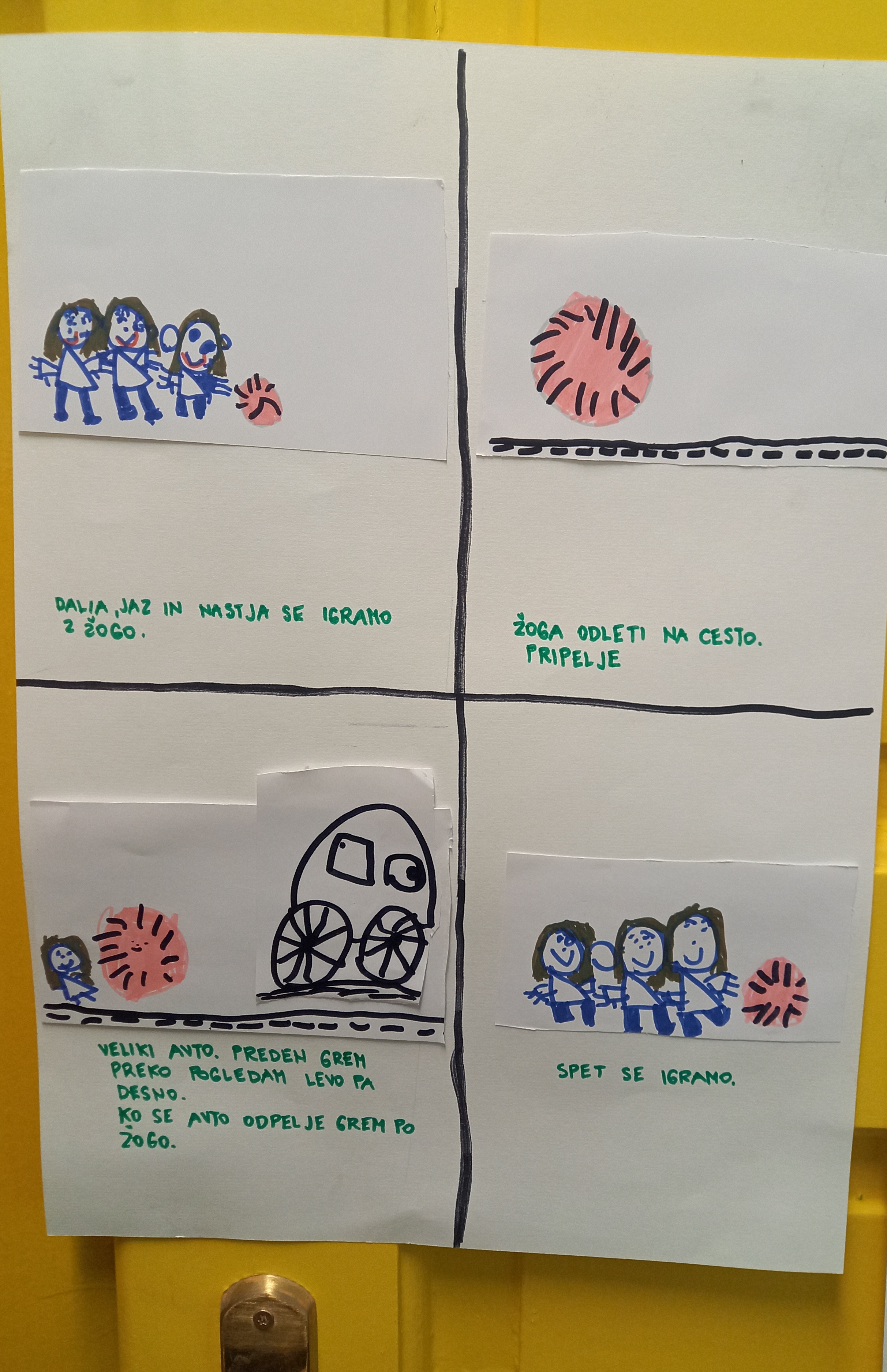
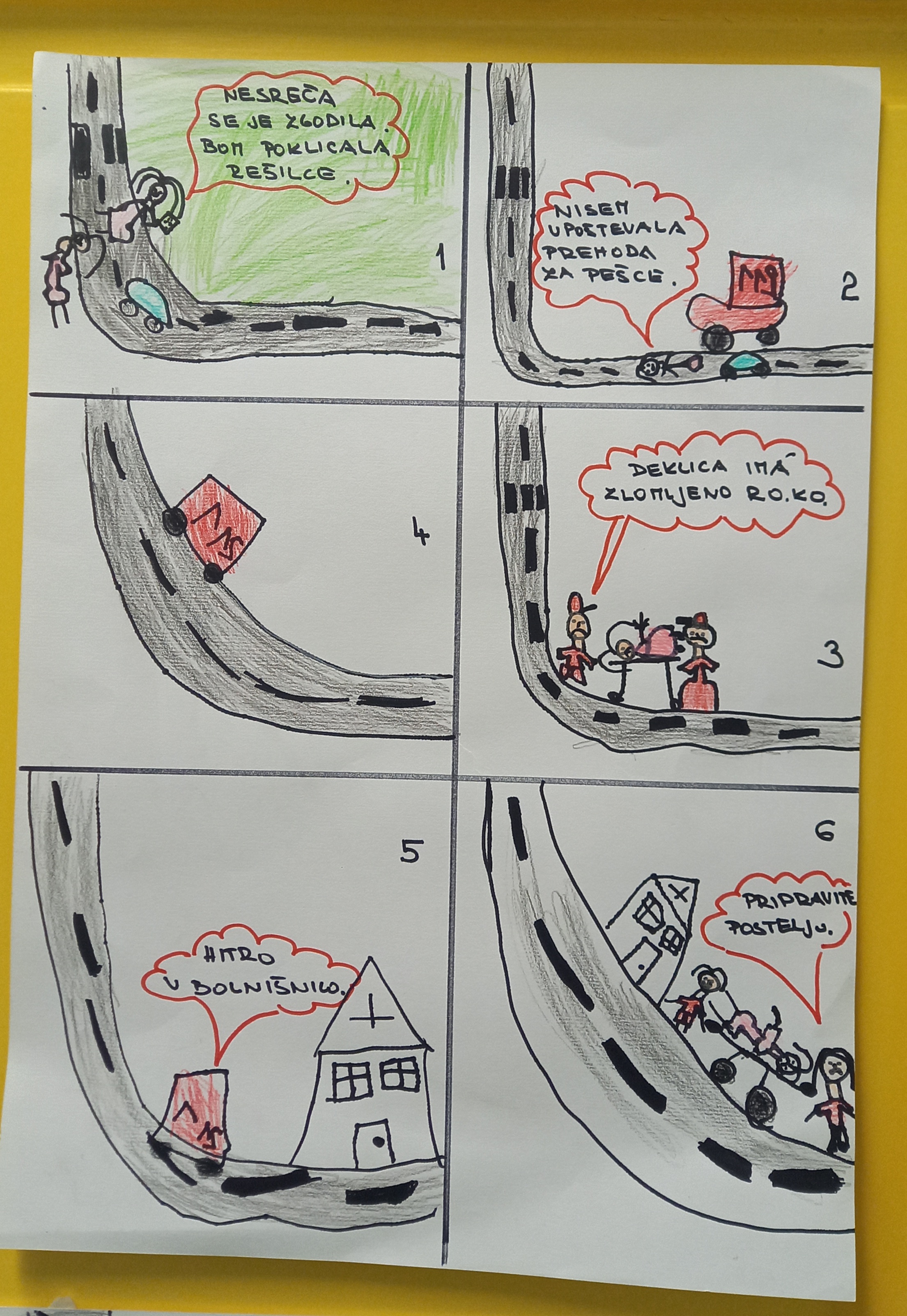
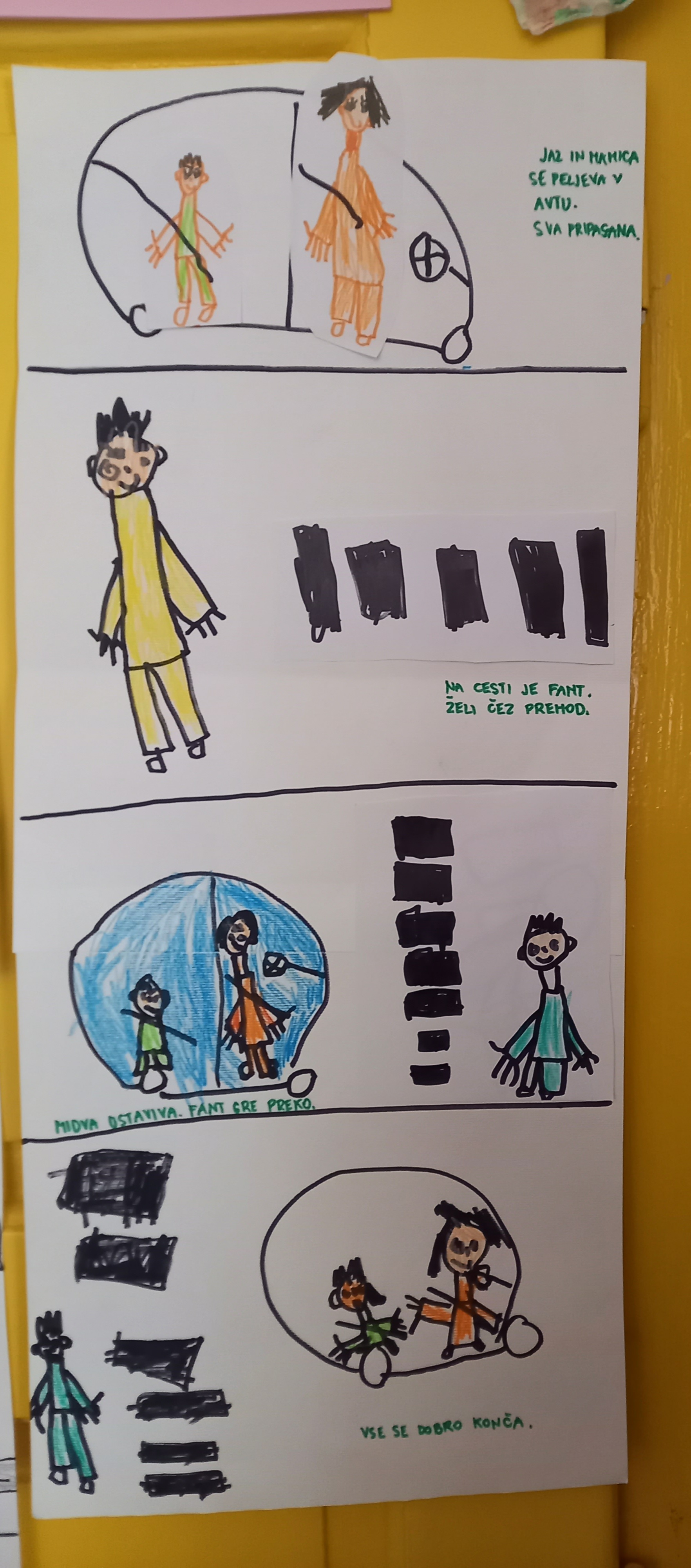
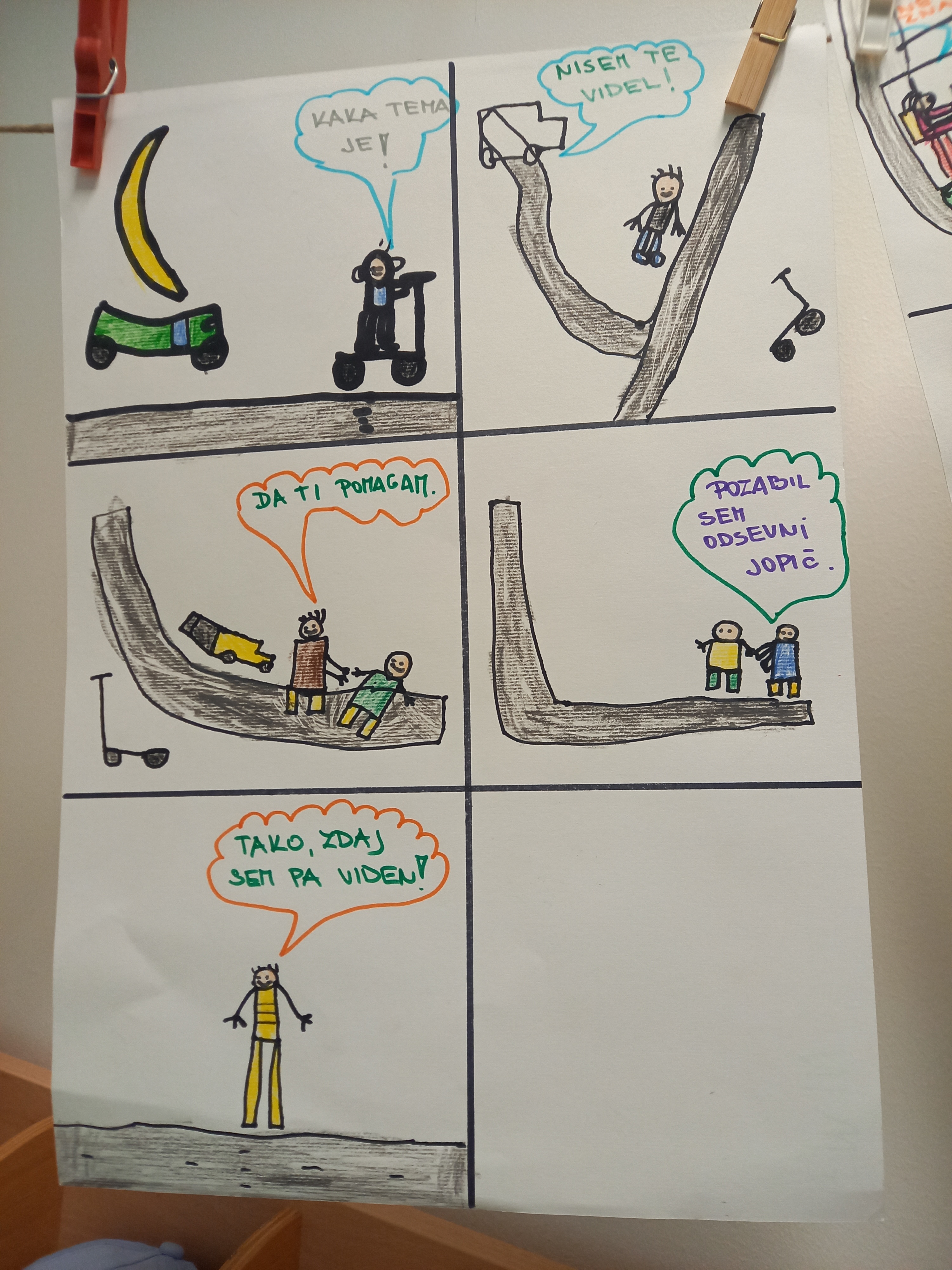
Die Kita-Fachkraft fragt die Kinder, ob sie wissen, was ein Comicstrip ist. Die Kita-Fachkraft erklärt, was ein Comicstrip ist, und zeigt verschiedene Beispiele von Comicstrips.
Durchführung:
Die Kita-Fachkraft ermutigt die Kinder, eine Geschichte zu erfinden, die ihnen selbst oder jemand anderem im Straßenverkehr passiert ist. Die Kita-Fachkraft unterstützt sie mit Vorschlägen und regt sie dazu an, über das Brechen von Verkehrsregeln und die Konsequenzen eines solchen Verhaltens nachzudenken.
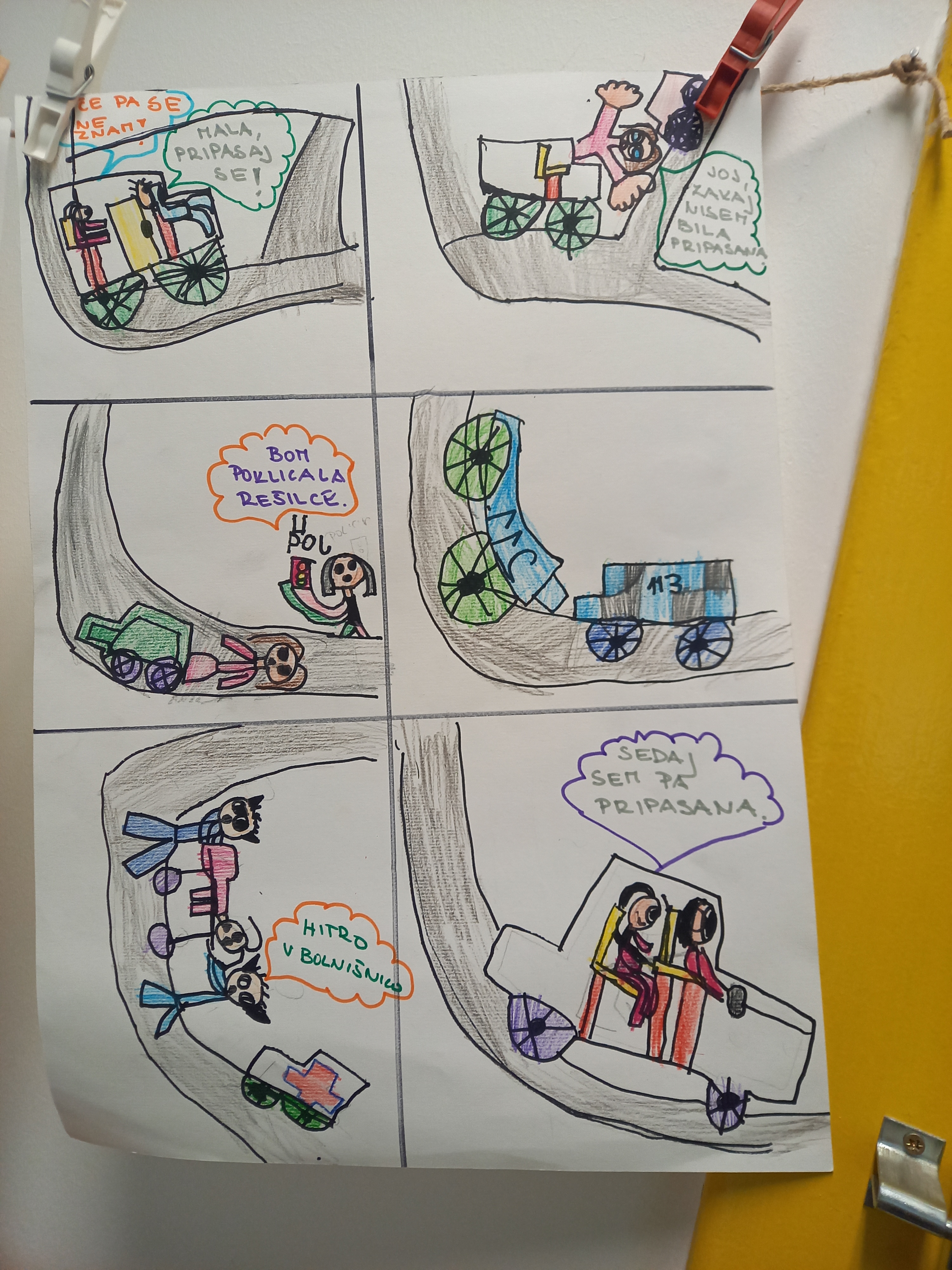
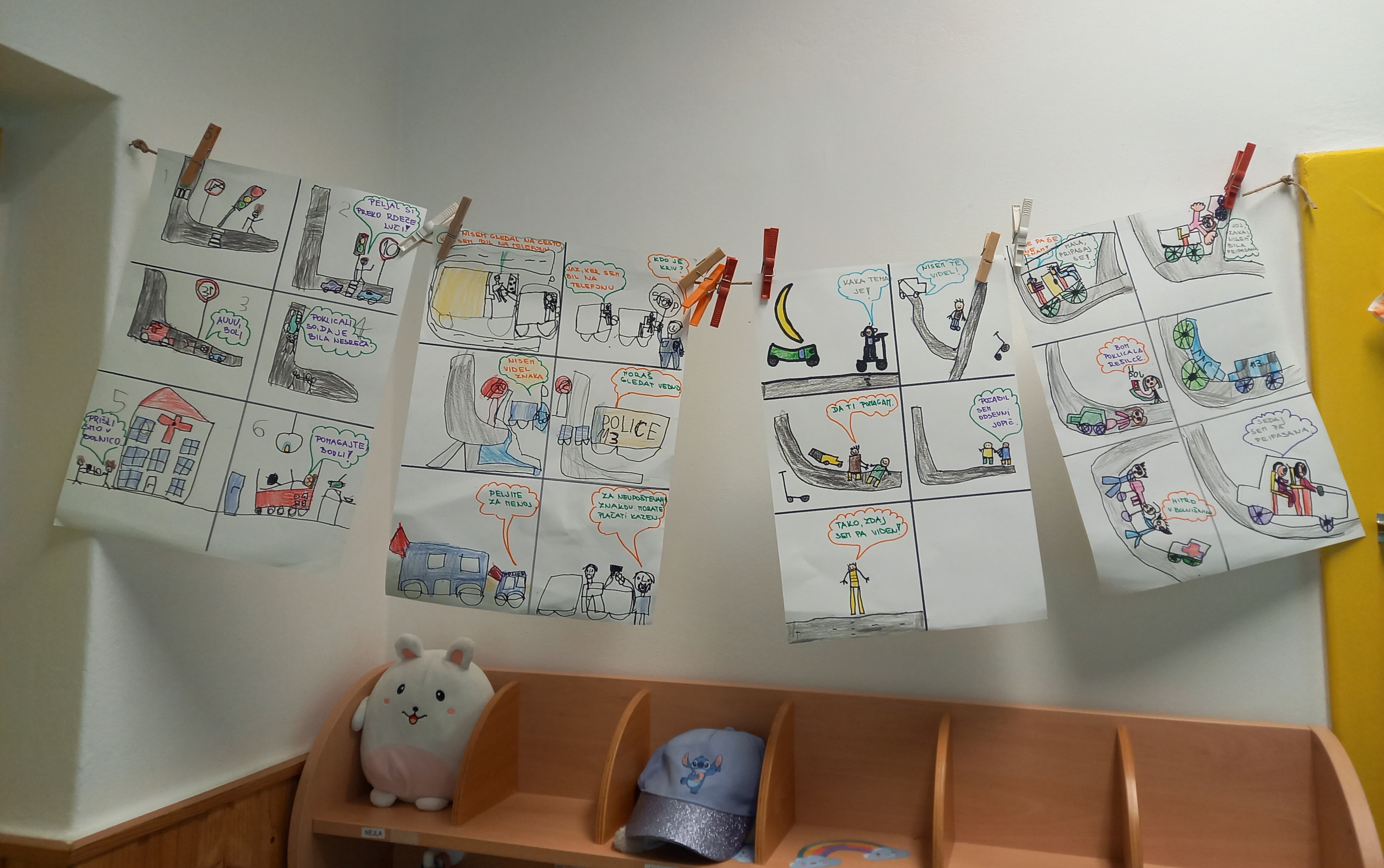
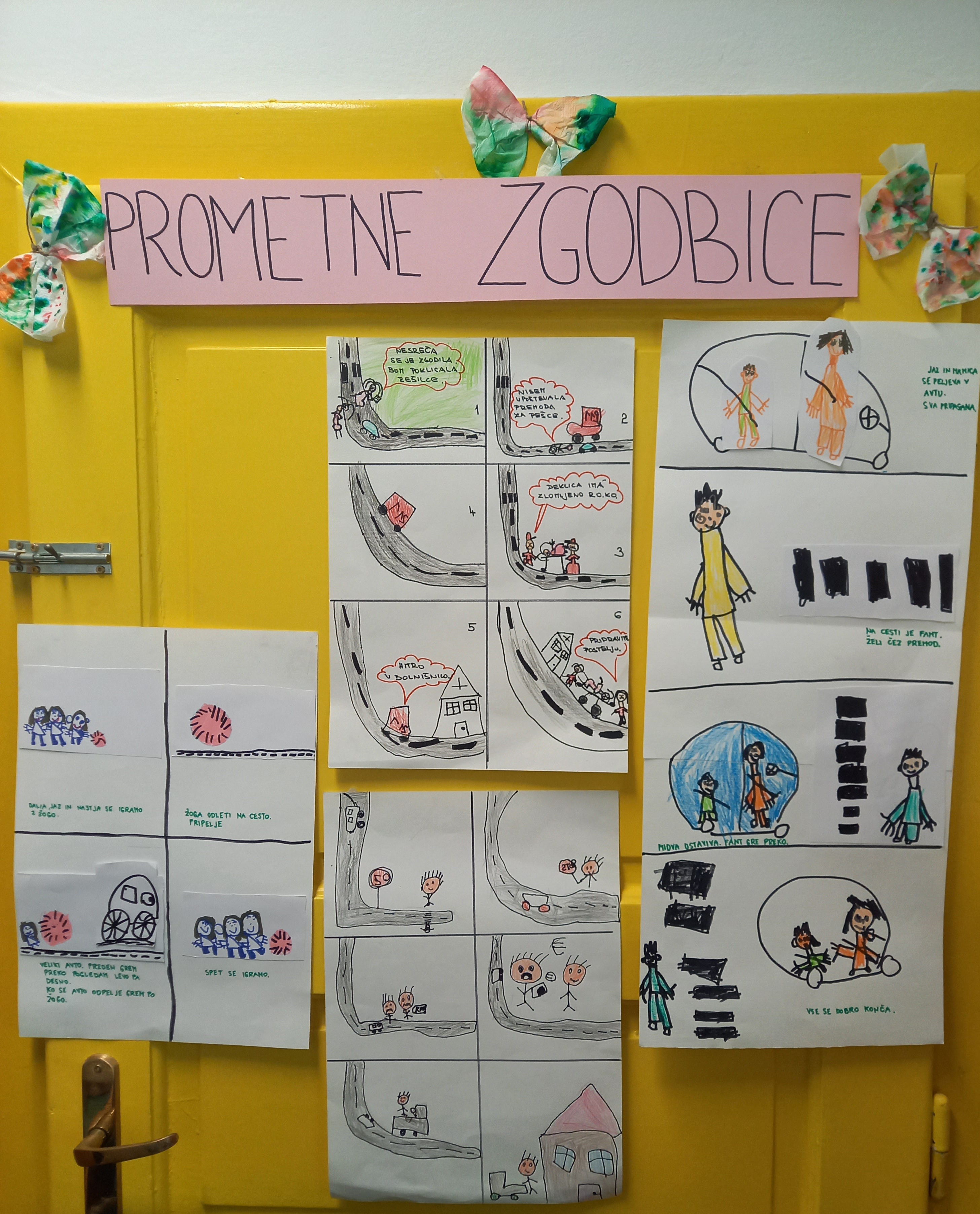
Wenn die Kinder ihre Geschichten erzählen, lenkt die Kita-Fachkraft sie dazu, den Inhalt zu illustrieren. Die Kinder konzentrieren sich auf die Hauptereignisse der Geschichte und teilen diese in vier oder sechs Bilder auf.
Überlegung:
Die Kinder präsentieren ihre Comicstrips und gestalten eine Ausstellung.
Abwandlungen und zusätzliche Ideen
Das Thema des Comicstrips kann frei gewählt werden.
Ein(e) Comiczeichner*in könnte die Kinder besuchen und seine bzw. ihre Arbeit vorstellen, zum Beispiel Comics, die in einer Tageszeitung oder online veröffentlicht werden.
Hintergrundinformationen und didaktische Perspektiven
Diese Aktivität verbindet Storytelling, visuellen Ausdruck und frühe Medienbildung. Indem reale oder erfundene Verkehrssituationen in Comicstrips umgesetzt werden, üben Kinder, Ereignisse zu strukturieren, Ursache und Wirkung zu verstehen und Ideen bildlich auszudrücken. Das Erstellen und Teilen von Comics fördert Kommunikationsfähigkeiten und hilft Kindern, Alltagssituationen auf kreative und zugängliche Weise zu reflektieren.
Erfahrungen aus Kindergärten
Die gesamte Aktivität dauerte mehrere Tage, da die Kinder unterschiedlich viel Zeit benötigten, um ihre Geschichten zu erfinden und zu illustrieren. Da Kinder noch nicht selbstständig schreiben können, schrieb die Kita-Fachkraft den Text neben die Bilder. Die Kinder sagten, dass der schwierigste Teil darin bestand, mit dem Zeichnen zu beginnen und anschließend ähnliche Objekte mehrmals auf die gleiche Weise zu zeichnen.
Fotos der Aktivität