
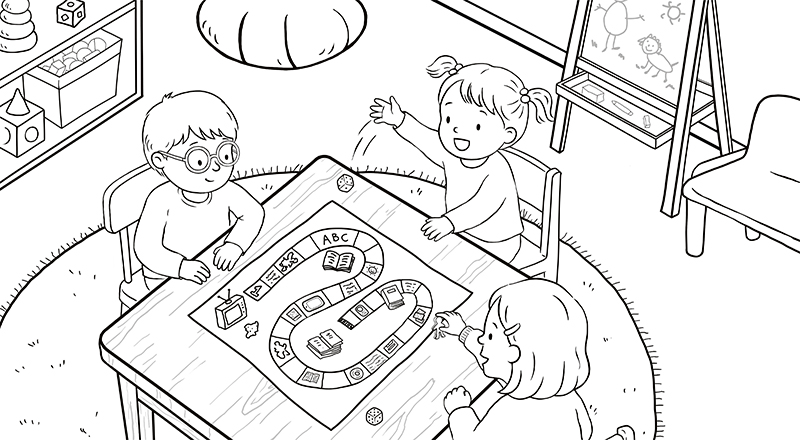
Media Literacy Board Game
Learning About Media Through Play
 Rahastatud Euroopa Liidu poolt. Avaldatud seisukohad ja arvamused on ainult autori(te) omad ega pruugi kajastada Euroopa Liidu või Euroopa Hariduse ja Kultuuri Rakendusameti (EACEA) seisukohti ja arvamusi. Euroopa Liit ega EACEA nende eest ei vastuta. |
 Kogu sisu, eelkõige tekstid, pildid ja graafika, on kaitstud autoriõigusega. Kui ei ole sõnaselgelt teisiti märgitud, kuuluvad autoriõigused media.eduskills.plus ja on litsentseeritud Litsents: "Creative Commons Autorile viitamine – mittekaubanduslik - jagamine samadel tingimustel 4.0 Rahvusvaheline". Nende suhtes võivad kehtida litsentsitingimused. |
2026 media.eduskills.plus
Õpitulemused
tulemused
|
|
|
Sihtgrupp 4 aastat ja rohkem
|
|
Nõutavad materjalid
|
|
Materjalid
|
Tegevuse kirjeldus (samm-sammult)
Ettevalmistus:
Introduce the board game and explain the basic rules (roll the dice, move forward, complete the task on the square).
Explain that the game is about learning and talking about media — things we read, watch, listen to, or create.
Tegevuse läbiviimine:
Children take turns rolling the dice, moving their token, and answering or acting out the task on the square.
Encourage group participation and discussion ("What do you watch?", "Who reads to you?", "What sounds do you hear on the radio?").
Continue until everyone reaches the end of the board or completes a round together.
Refleksioon
End with a short reflection: "What did we learn about media today?"
Variatsioonid ja lisaideed
Children can help design new squares or questions for future rounds.
Taustteave ja didaktiline perspektiiv
Board games offer an engaging, social way to introduce media literacy concepts in early childhood. Through play, children develop vocabulary and begin to understand that media come in different forms and serve various purposes. The game encourages communication, cooperation, and reflection - key foundations of lifelong media competence. It also promotes shared learning experiences between children and adults, helping to build a positive media culture at home and in kindergarten. By combining movement, imagination, and conversation, the activity turns abstract ideas into joyful exploration.
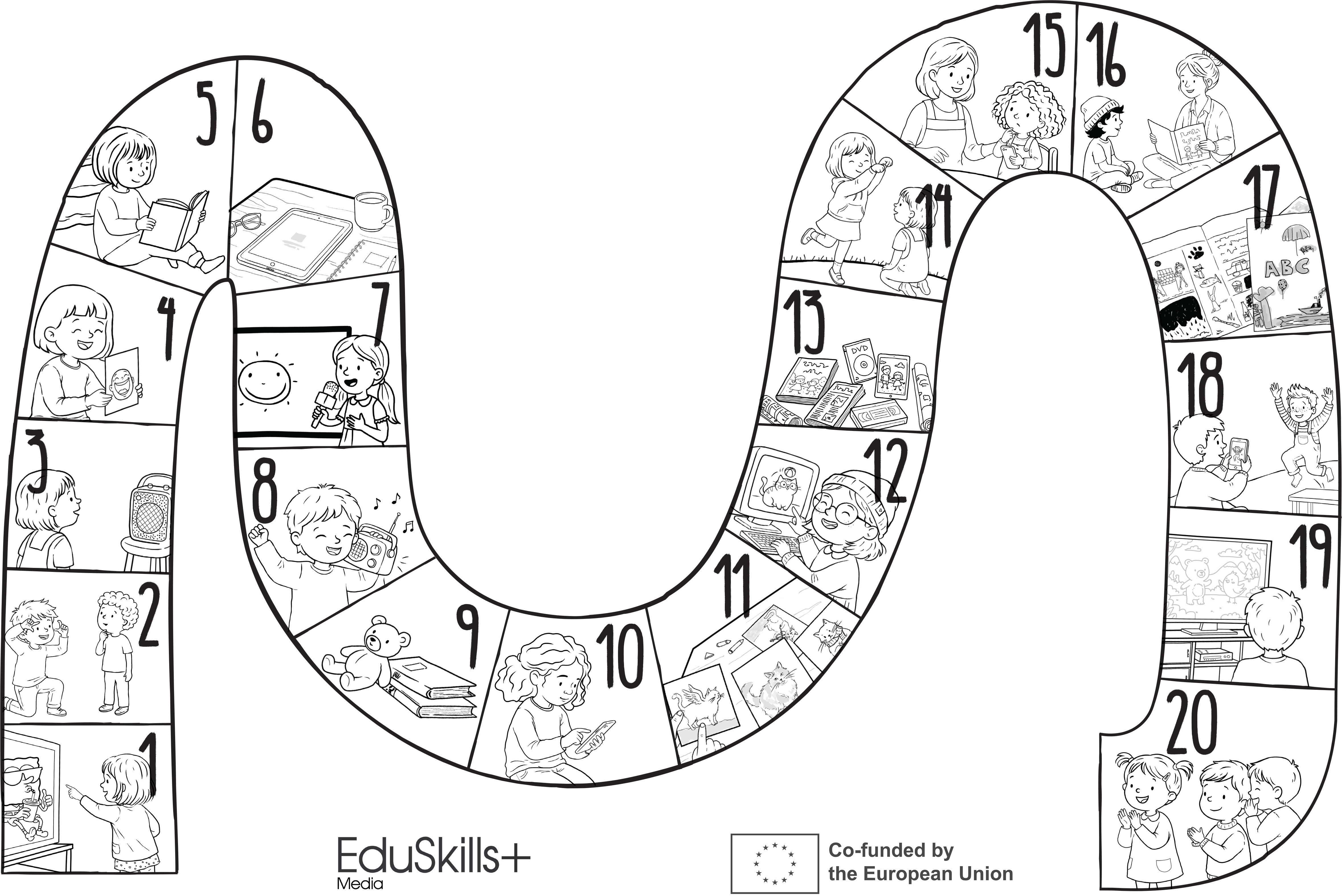
Game Board
Game Cards
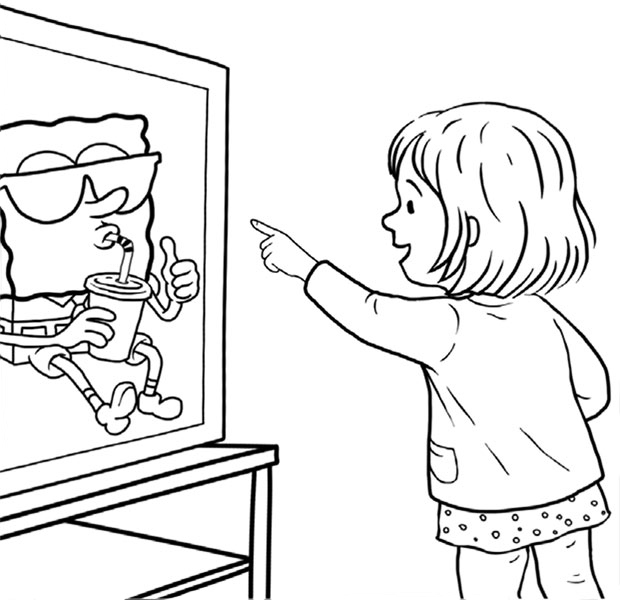
Card 1
What do you like to watch on TV?
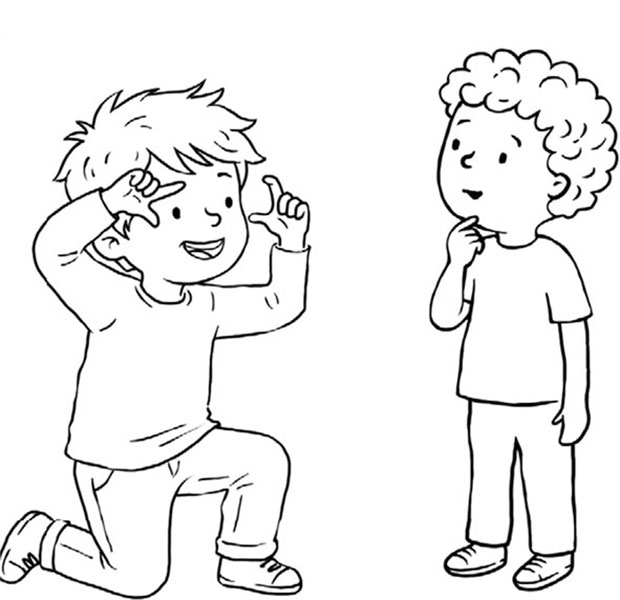
Card 2
What would you photograph in kindergarten?
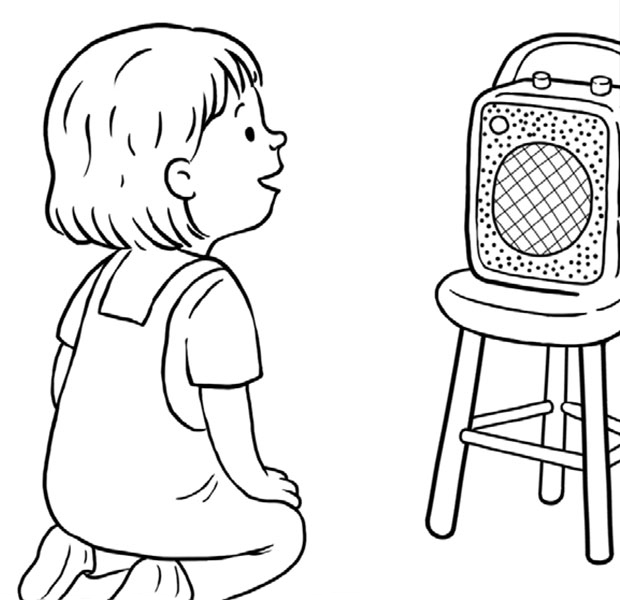
Card 3
When do you like to listen to music?
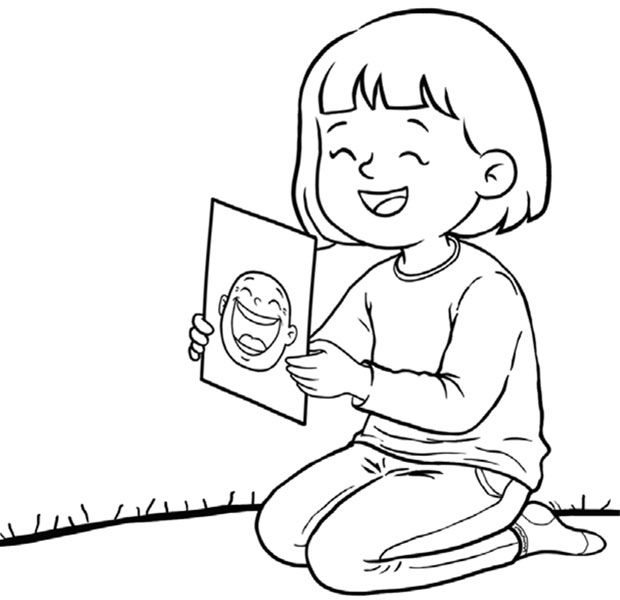
Card 4
How does the child in the picture feel?
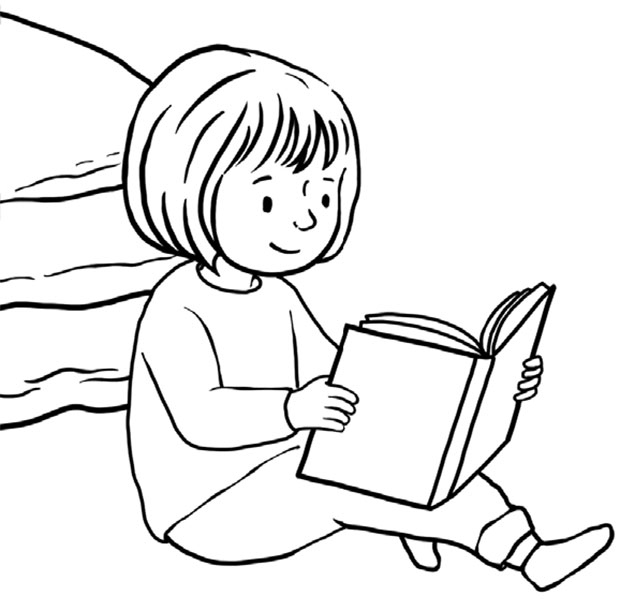
Card 5
What kind of books do you like?
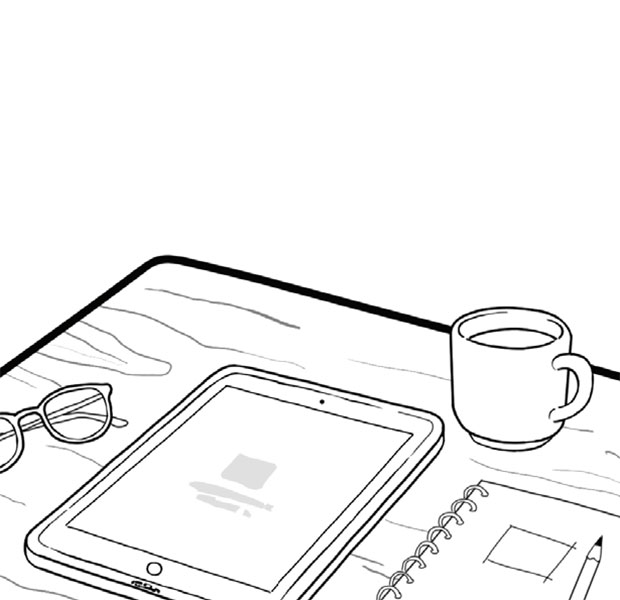
Card 6
You have played a game on the tablet for too long. You need a break. Miss two turns.
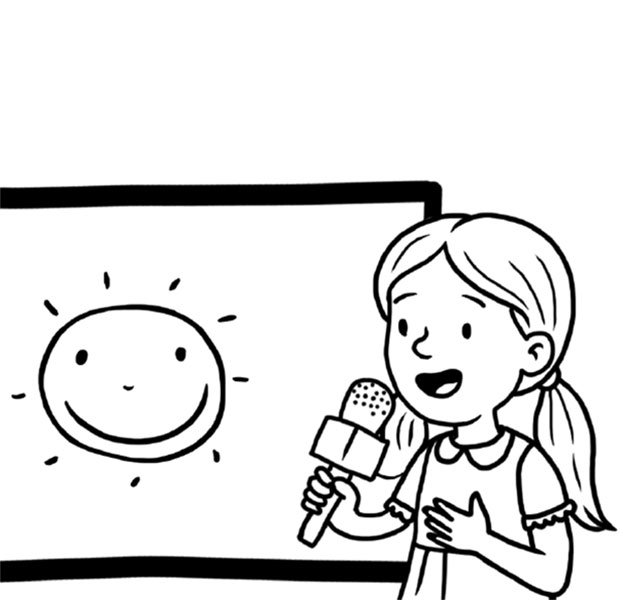
Card 7
Look out the window and, like on TV, tell us what the weather is like.
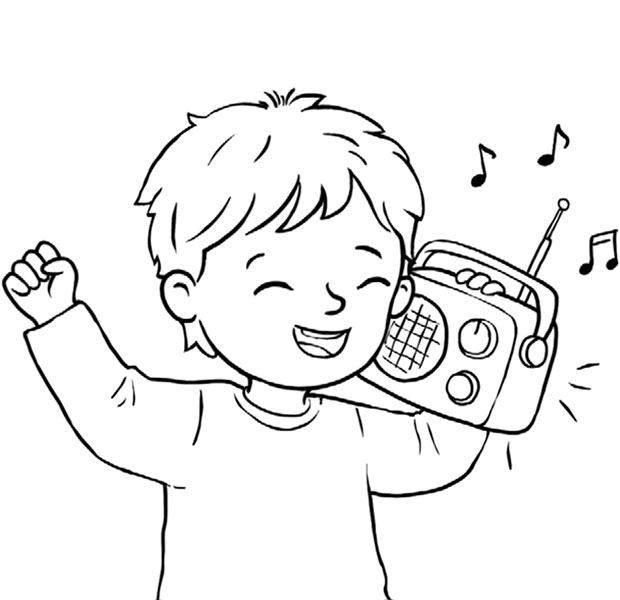
Card 8
Turn on the radio. Dance to the song that is playing.
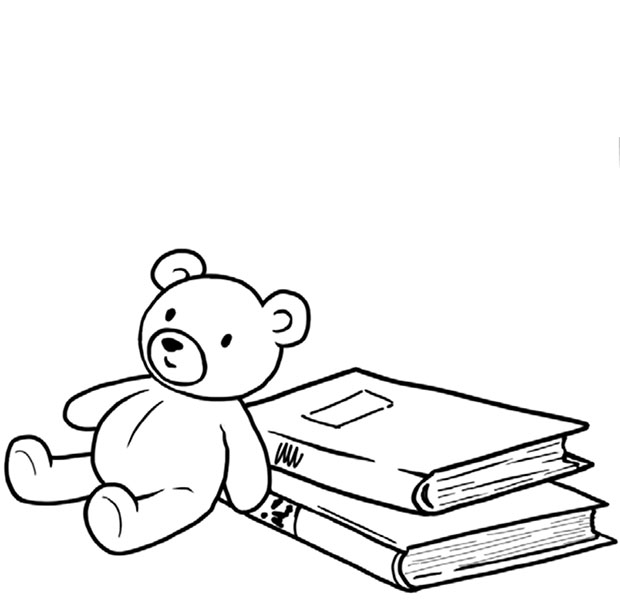
Card 9
Which story do you like listening to the most?
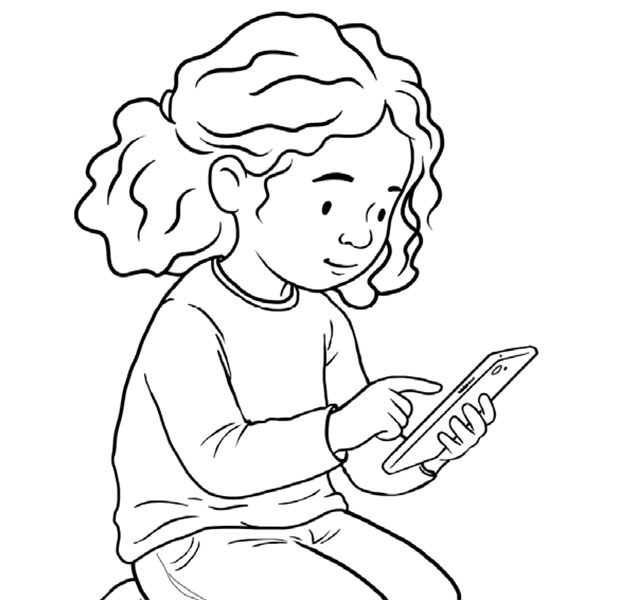
Card 10
Pretend you are talking to your mum on the phone.
Card 11
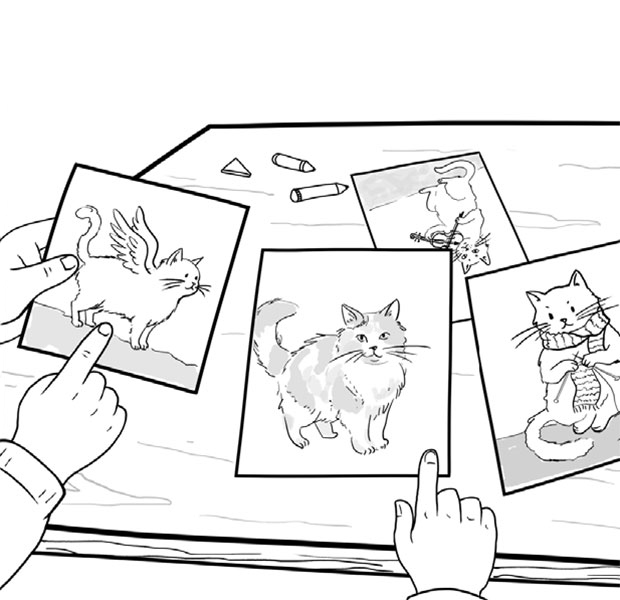
Is everything we see on TV real?
Card 12
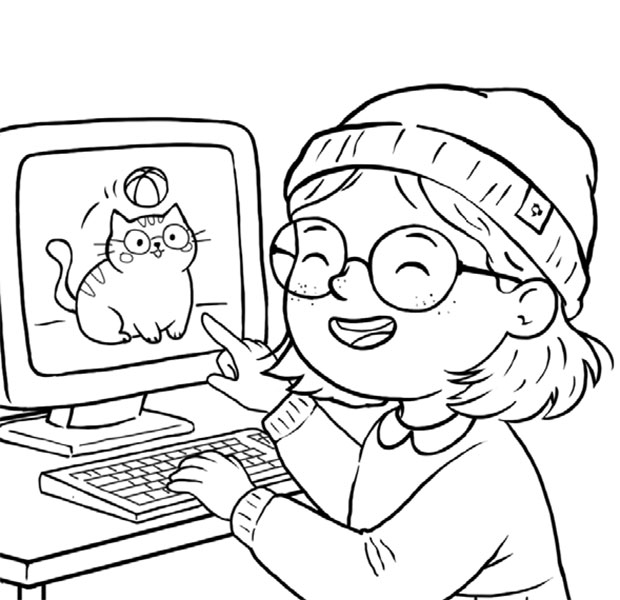
Show what your face looks like when you are happy or sad.
Card 13
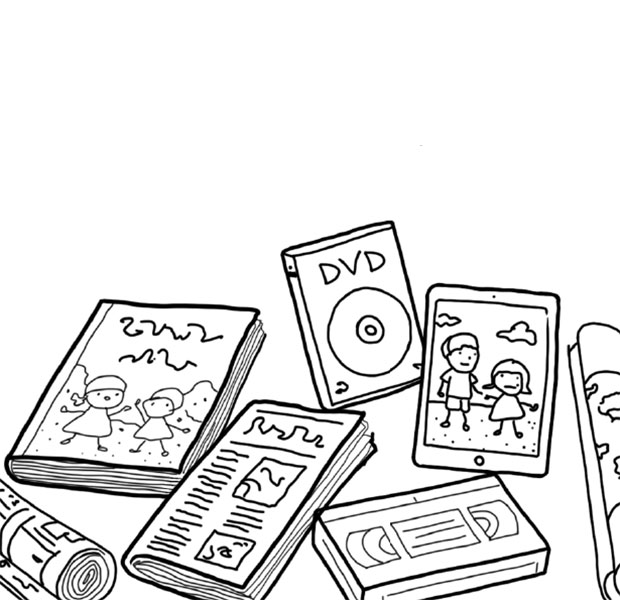
If you do not know something, who do you ask for help?
Card 14
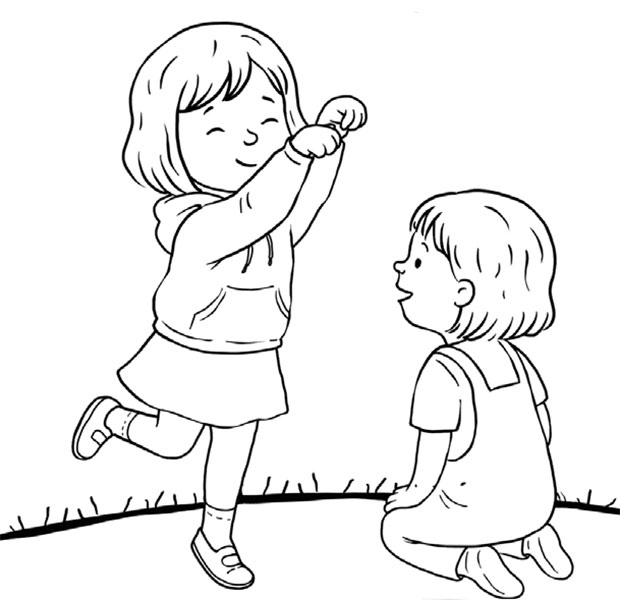
Show how a superhero uses their powers.
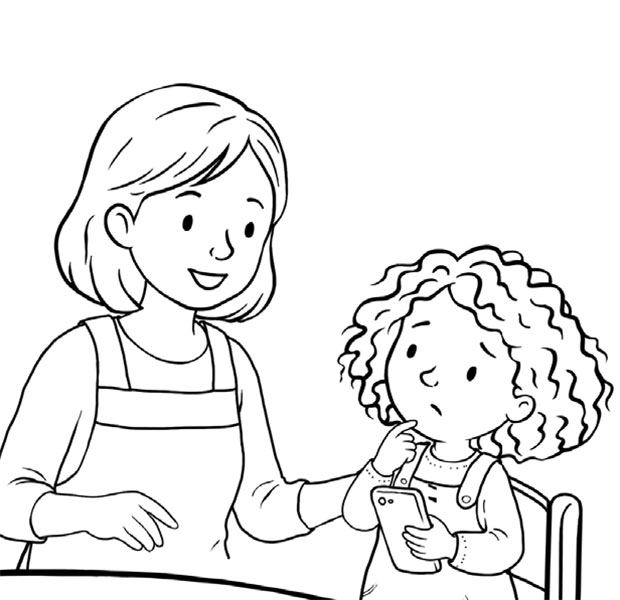
Card 15
Why is it not good to look at a phone or tablet for too long?
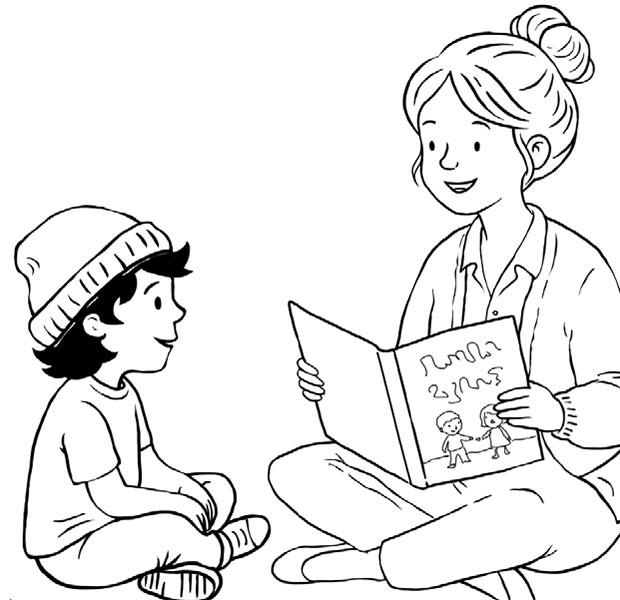
Card 16
How do you become a good listener?
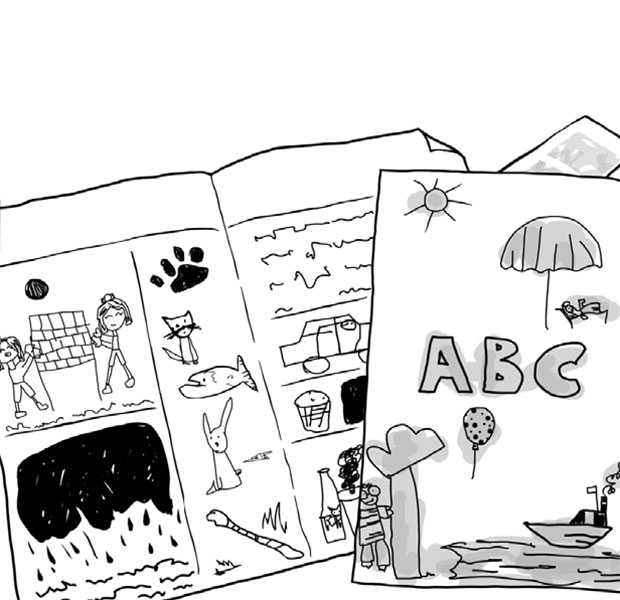
Card 17
Where can you learn something new?
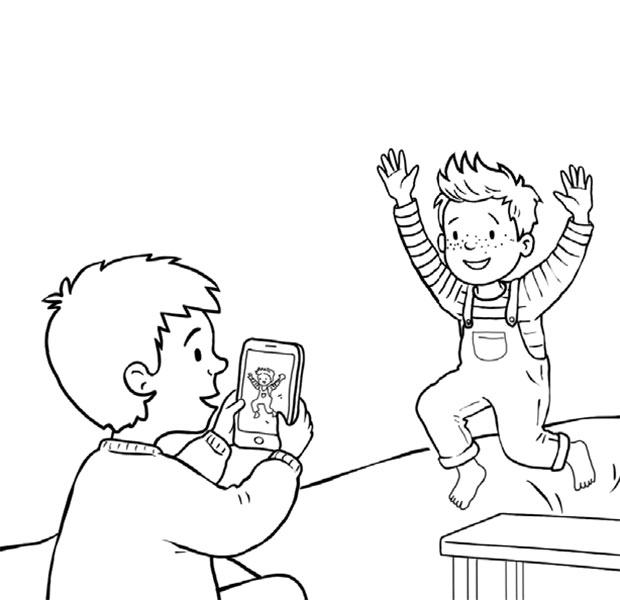
Card 18
If you had a camera in your hands, what would you film at home or in kindergarten?
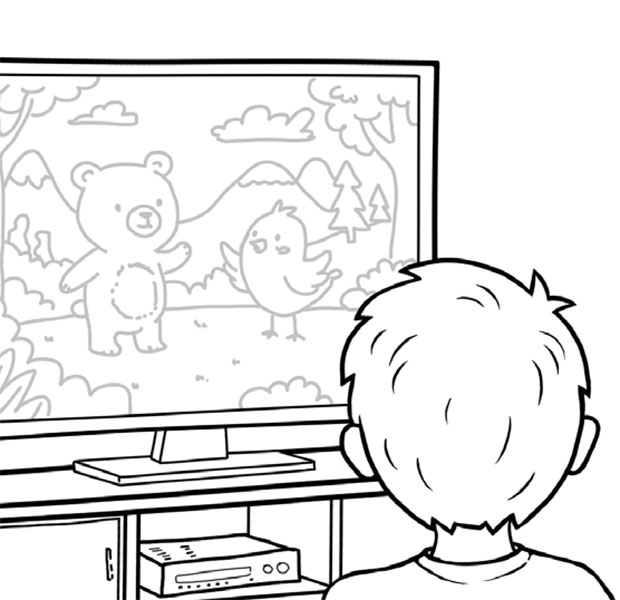
Card 19
What do you like to do most with a phone or tablet?
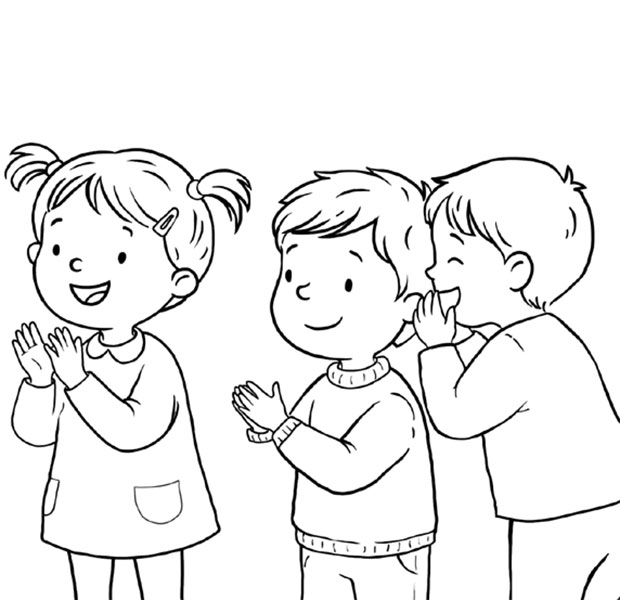
Card 20
Clap for yourself. You have already learned a lot!