
Medienkompetenz-Brettspiel
Über Medien durch Spiel lernen
 Von der Europäischen Union finanziert. Die geäußerten Ansichten und Meinungen entsprechen jedoch ausschließlich denen des Autors bzw. der Autoren und spiegeln nicht zwingend die der Europäischen Union oder der Europäischen Exekutivagentur für Bildung und Kultur (EACEA) wider. Weder die Europäische Union noch die EACEA können dafür verantwortlich gemacht werden. |
 Alle Inhalte, insbesondere Texte, Bilder und Grafiken sind urheberrechtlich geschützt. Soweit es nicht ausdrücklich anders gekennzeichnet ist, liegen die Urheberrechte bei media.eduskills.plus und stehen unter der Creative Commons Namensnennung -Nicht kommerziell -Keine Bearbeitungen 4.0 International (CC BY-NC-ND 4.0) Lizenz. Sie dürfen im Rahmen der Lizenzbedingungen verwendet werden. |
2026 media.eduskills.plus
Lernergebnisse
Kompetenzen
|
|
|
Zielgruppe 4 Jahre und älter
|
|
Benötigte Materialien
|
|
Materialien
|
Anleitung zur Aktivität (Schritt für Schritt)
Vorbereitung:
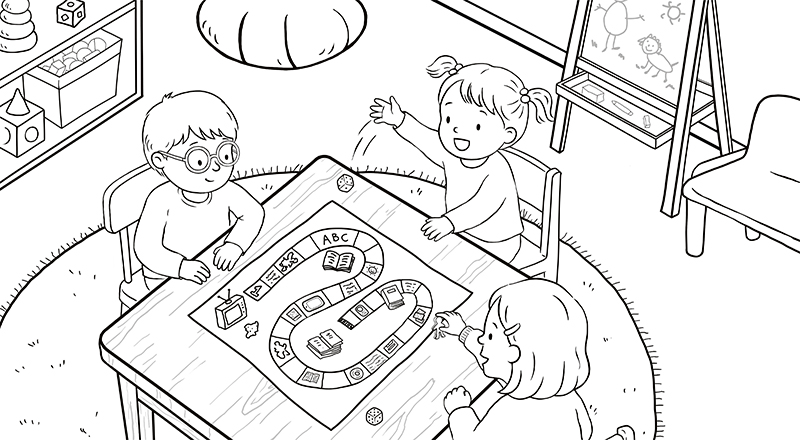
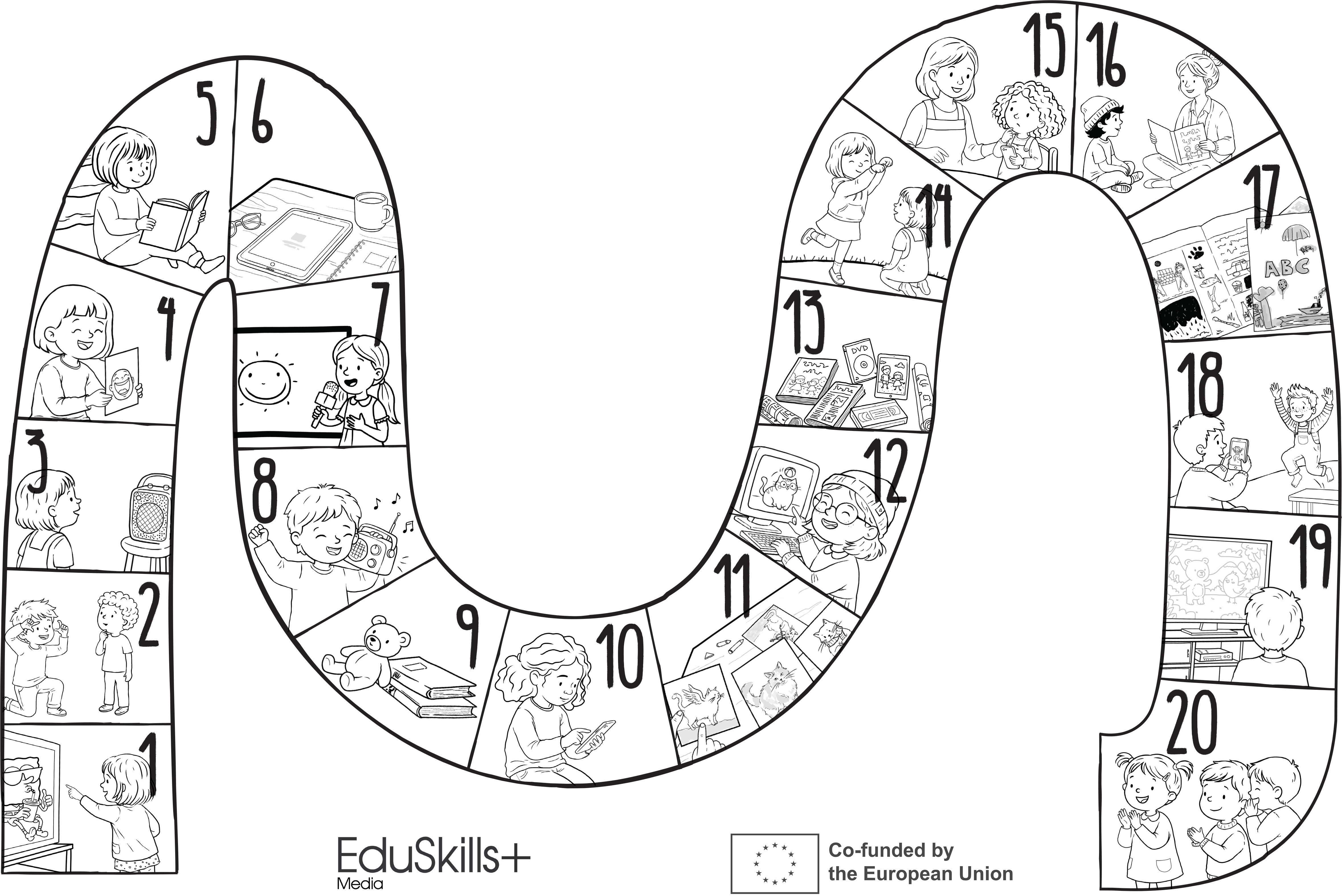
Das Brettspiel wird vorgestellt und die Grundregeln werden erklärt (würfeln, vorwärts ziehen, Aufgabe auf dem Feld ausführen).
Es wird erklärt, dass es im Spiel darum geht, über Medien zu lernen und zu sprechen - Dinge, die wir lesen, anschauen, anhören oder selbst gestalten.
Durchführung:
Die Kinder würfeln reihum, ziehen ihre Spielfigur vor und beantworten oder spielen die Aufgabe auf dem jeweiligen Feld nach.
Die Gruppe wird zur Teilnahme und zum Austausch ermutigt ("Was schaust du dir an?", "Wer liest dir vor?", "Welche Geräusche hörst du im Radio?").
Das Spiel geht weiter, bis alle das Ziel erreicht haben oder eine Runde gemeinsam abgeschlossen ist.
Überlegung:
Zum Abschluss erfolgt eine kurze Reflexion: "Was haben wir heute über Medien gelernt?"
Abwandlungen und zusätzliche Ideen
Kinder können neue Felder oder Fragen für zukünftige Spielrunden mitgestalten.
Hintergrundinformationen und didaktische Perspektiven
Brettspiele bieten eine motivierende und soziale Möglichkeit, Medienkompetenz im frühen Kindesalter einzuführen. Durch das Spiel erweitern Kinder ihren Wortschatz und beginnen zu verstehen, dass Medien in unterschiedlichen Formen auftreten und verschiedene Funktionen erfüllen. Das Spiel fördert Kommunikation, Zusammenarbeit und Reflexion – zentrale Grundlagen für eine lebenslange Medienkompetenz. Gleichzeitig entstehen gemeinsame Lernerfahrungen zwischen Kindern und Erwachsenen, die zu einer positiven Medienkultur im Kindergarten und zu Hause beitragen. Durch die Verbindung von Bewegung, Fantasie und Gespräch werden abstrakte Inhalte in eine freudvolle Entdeckungsreise verwandelt.
Spielbrett
Spielkarten
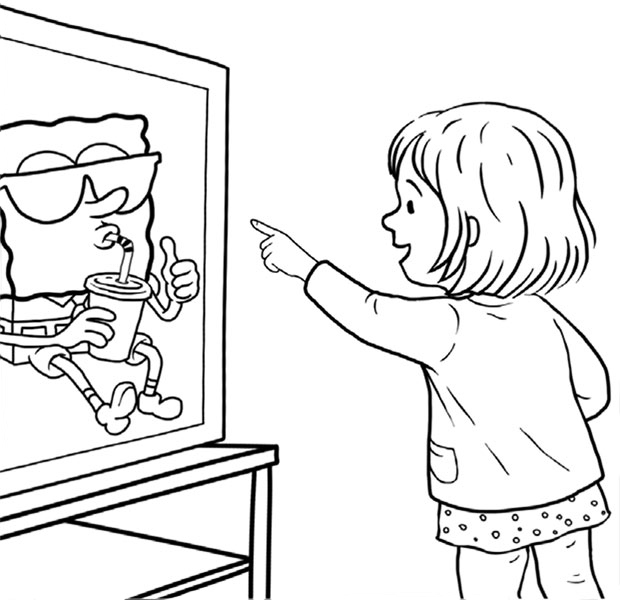
Karte 1
Was schaust du gerne im Fernsehen?
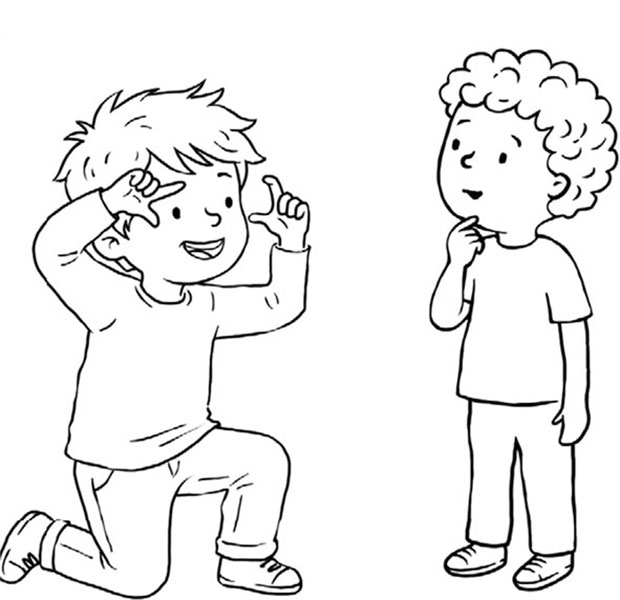
Karte 2
Was würdest du im Kindergarten fotografieren?
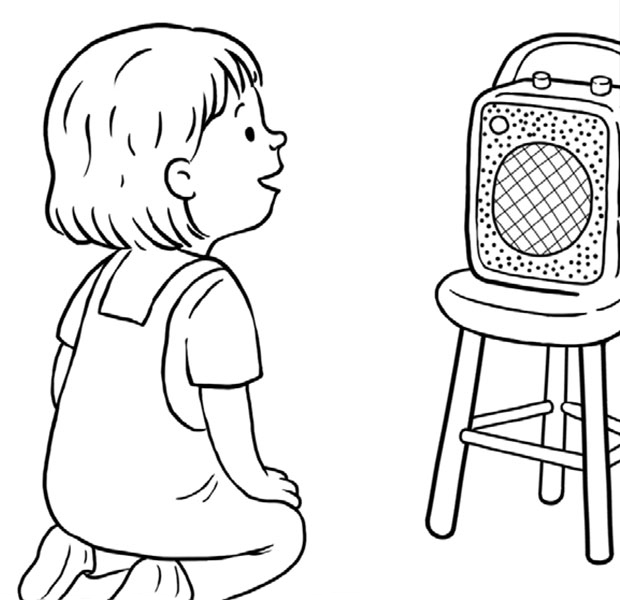
Karte 3
Wann hörst du gerne Musik?
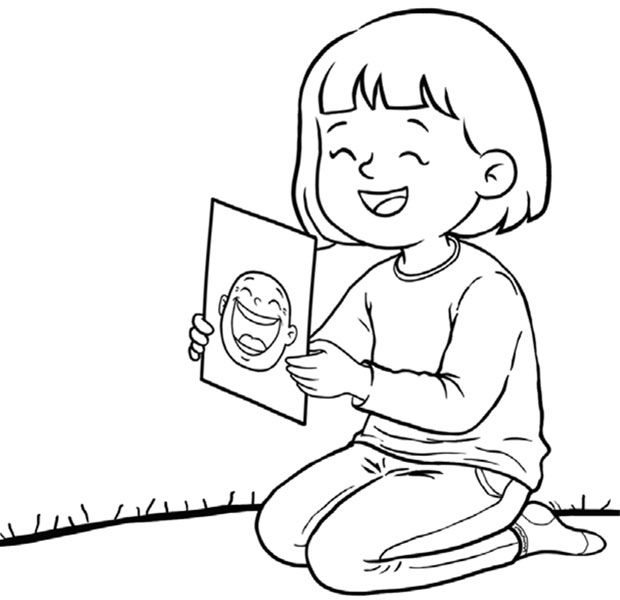
Karte 4
Wie fühlt sich das Kind auf dem Bild?
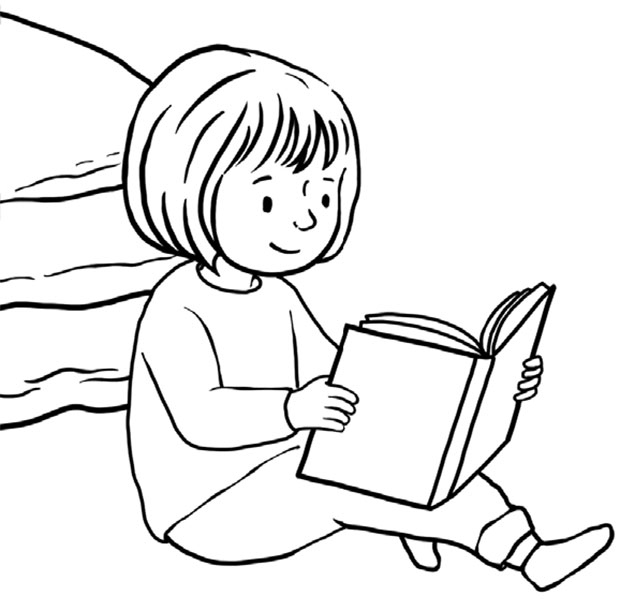
Karte 5
Welche Bücher magst du?
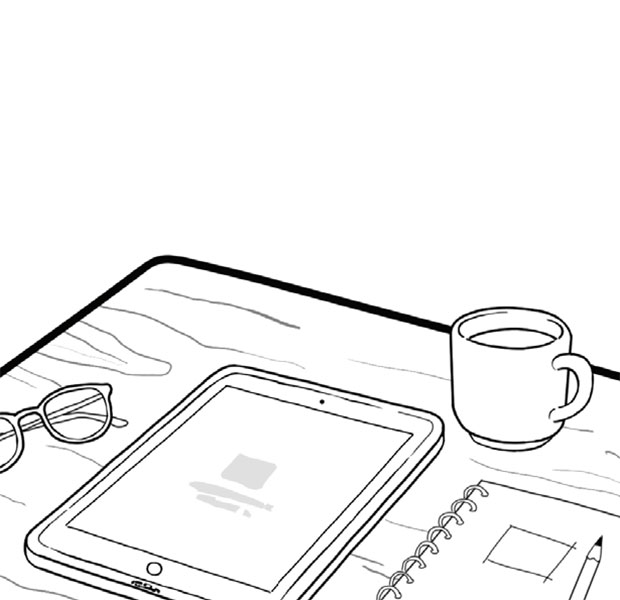
Karte 6
Du hast zu lange auf dem Tablet gespielt. Du brauchst eine Pause. Setze zwei Runden aus.
Karte 7
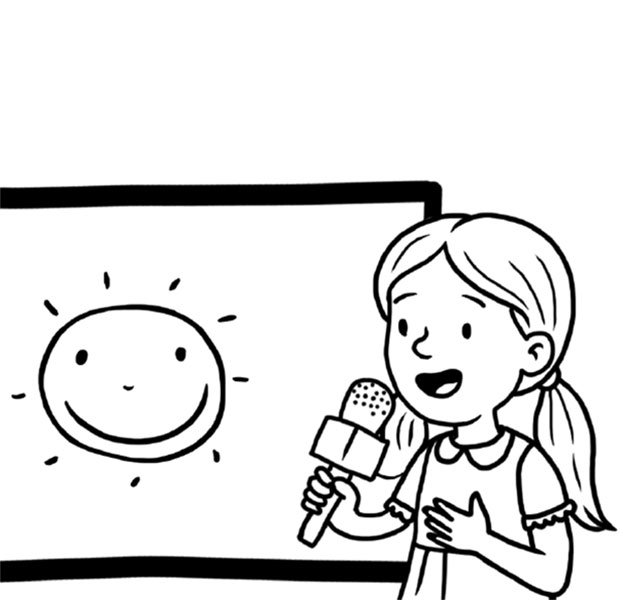
Schau aus dem Fenster und erzähle wie im Fernsehen, wie das Wetter ist.
Karte 8
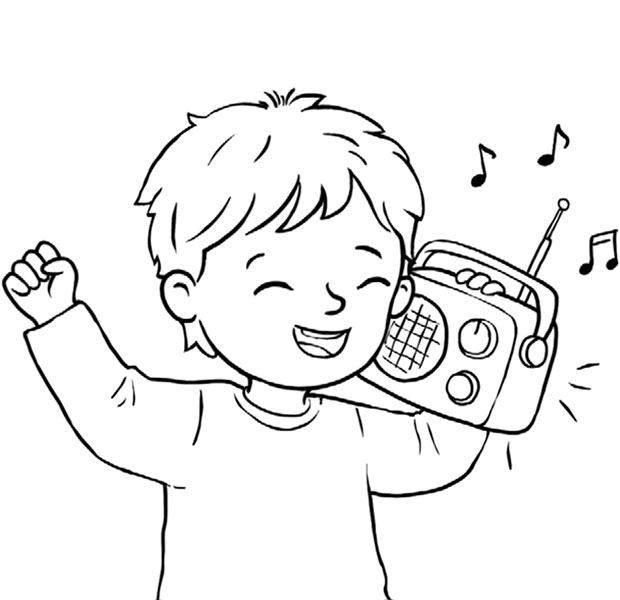
Schalte das Radio ein. Tanze zu dem Lied, das gerade läuft.
Karte 9
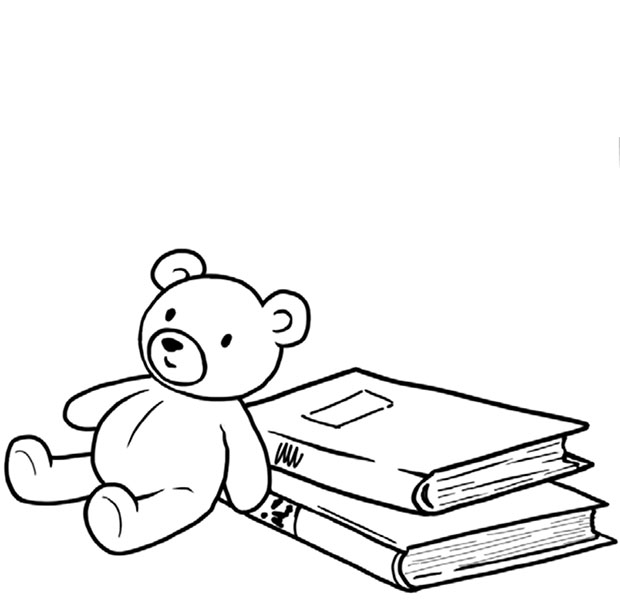
Welche Geschichte hörst du am liebsten?
Karte 10
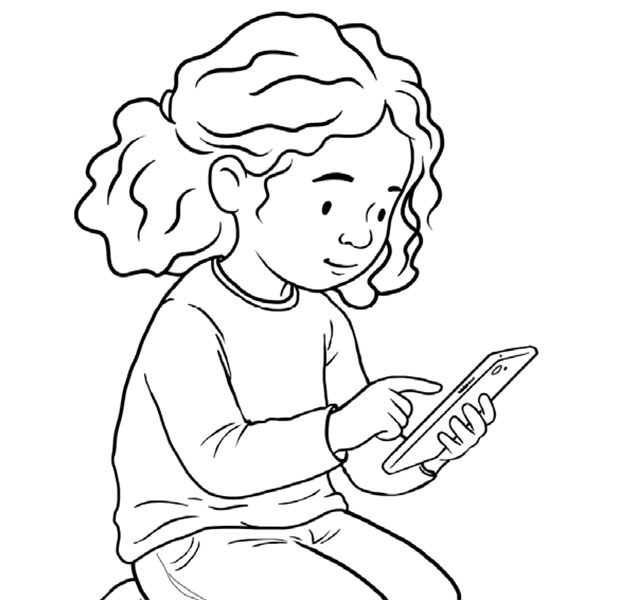
Tu so, als würdest du mit deiner Mama telefonieren.
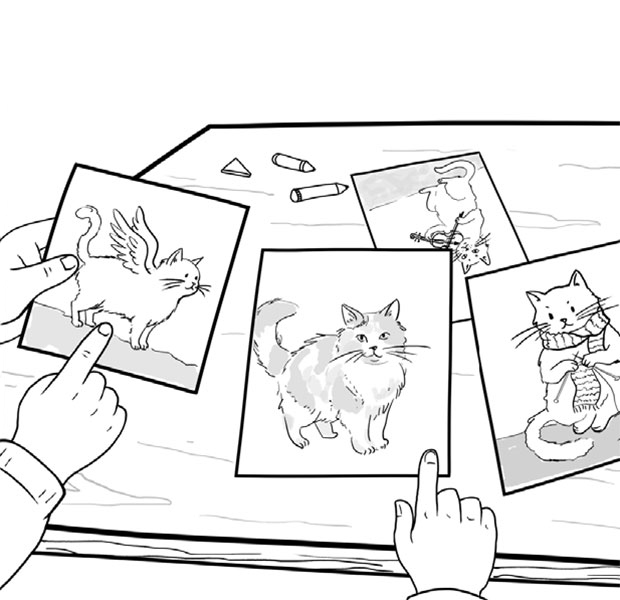
Karte 11
Ist alles, was wir im Fernsehen sehen, echt?
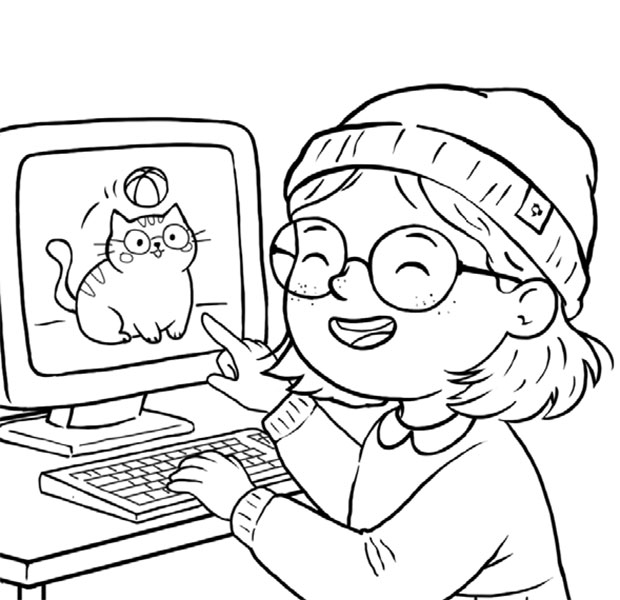
Karte 12
Zeig, wie dein Gesicht aussieht, wenn du fröhlich oder traurig bist.
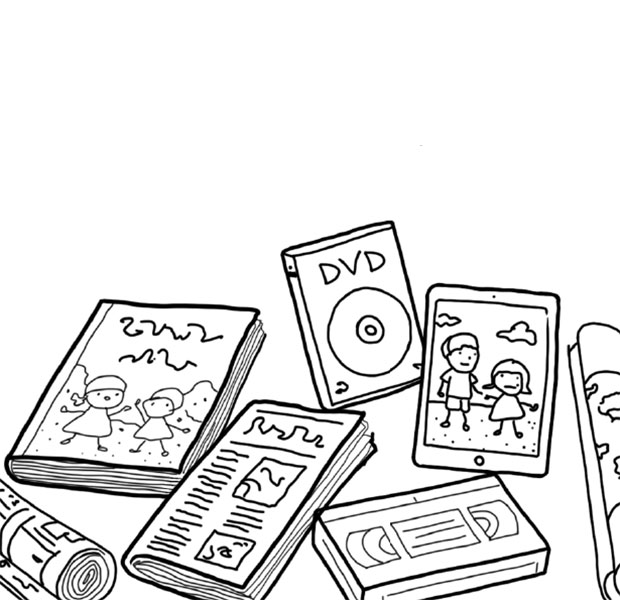
Karte 13
Wenn du etwas nicht weißt, wen bittest du um Hilfe?
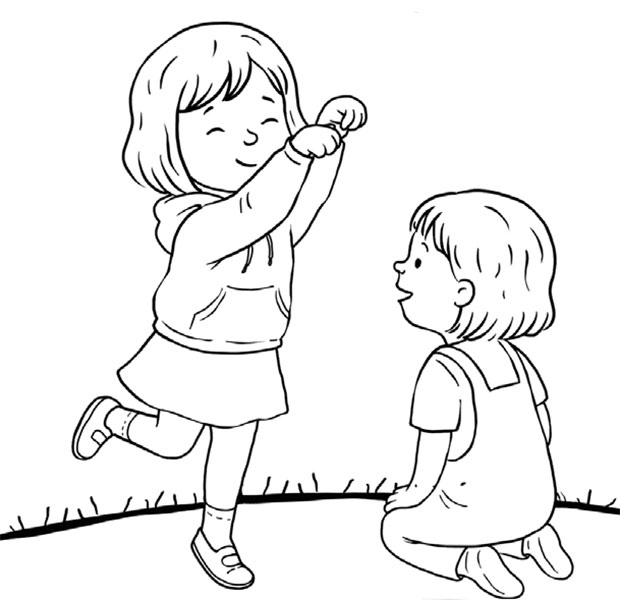
Karte 14
Zeig, wie ein Superheld seine Kräfte einsetzt.
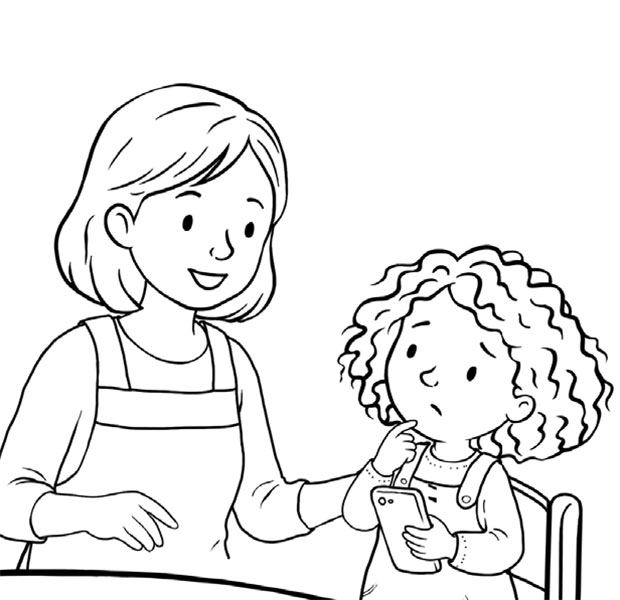
Karte 15
Warum ist es nicht gut, zu lange auf ein Handy oder Tablet zuschauen?
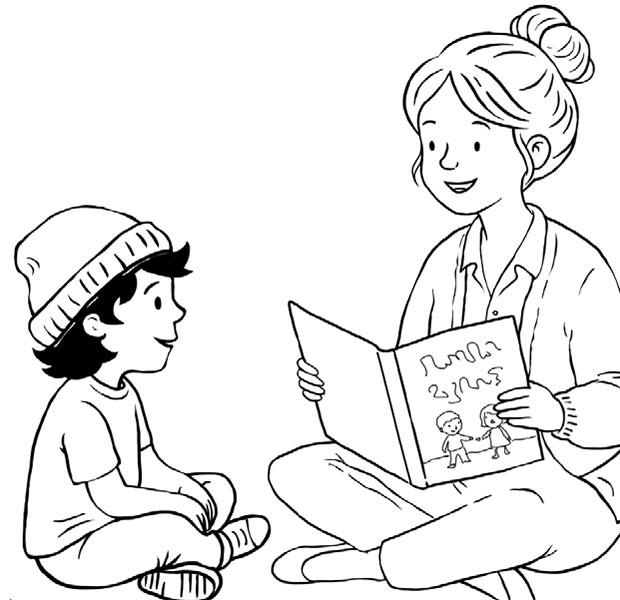
Karte 16
Wie wird man ein guter Zuhörer oder eine gute Zuhörerin?
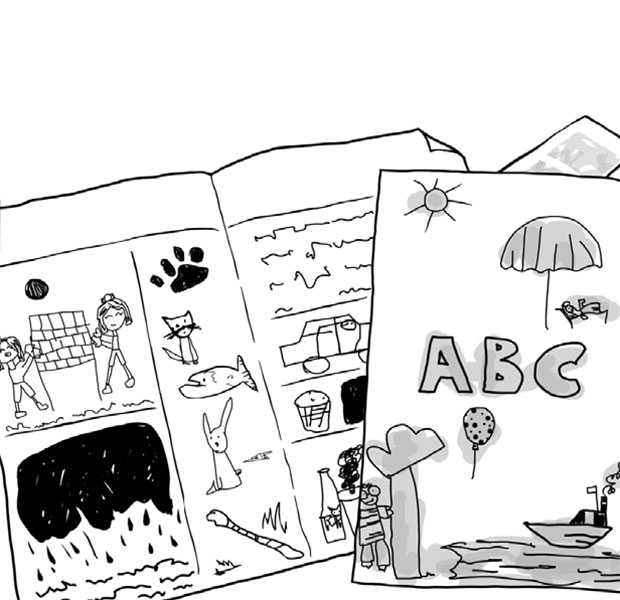
Karte 17
Wo kannst du etwas Neues lernen?
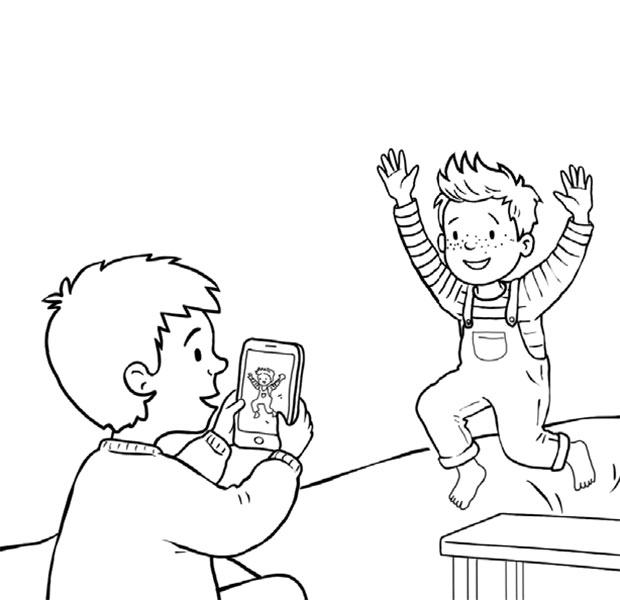
Karte 18
Wenn du eine Kamera in der Hand hättest, was würdest du zu Hause oder im Kindergarten filmen?
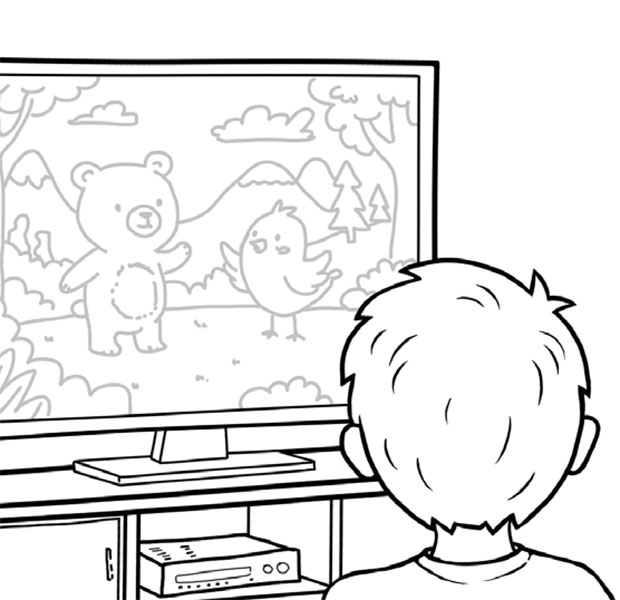
Karte 19
Was machst du am liebsten mit dem Handy oder Tablet?
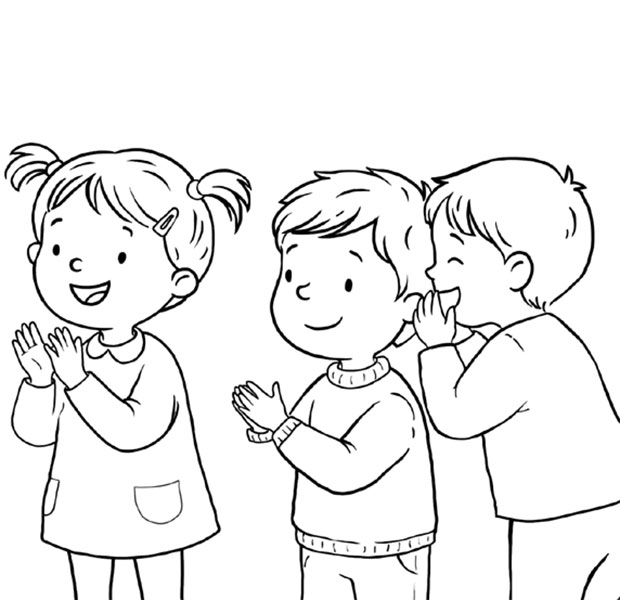
Karte 20
Klatsch dir selbst Applaus. Du hast schon viel gelernt!